



Formula 1’s latest arrival, Cadillac, are deep into their journey to join the F1 grid for the 2026 season. The successful shakedowns of their car in Silverstone and Barcelona mark significant milestones, given that the team have started from the ground up. This achievement is nothing short of extraordinary, especially when you consider the resources required to start a modern day Formula 1 team from nothing. Sure, you can have the backing from a multi-billion pound manufacturer, General Motors (GM), but how do you actually turn that cash into a living, breathing entity capable of producing a car that adheres to the FIA’s regulations in less than 12 months? Not only that, but ensure that that entity can support the logistics of entering the car into 24 international grands prix over the coming year?
In its current phase of aggressively building infrastructure, Cadillac F1 team looks less like a racing team and more like a front-loaded industrial startup, something you would expect to see out of Silicon Valley.
But this is not by choice, Cadillac’s F1 programme is front-loaded by necessity, with capital, people and infrastructure committed long before a car even hits the track. While many organisations grow with time, building revenue before scaling, Cadillac doesn’t have any time to waste. The logistics of running an F1 operation require a huge team immediately, huge capital expenditure immediately, and then returns come much further down the line. Compositionally, these organisations look less like the racing teams of the 1980s and more like high-growth tech companies.

So how do you turn that capital into capability?
It starts with finding the right people to build the team from the ground up. A key appointment was of Graeme Lowdon as their team principal - whose background as an entrepreneur both inside and outside of Formula 1 puts experience at the helm of the project and sets the overall ‘experience-first philosophy’ of the team (which we also saw reflected in their driver line-up).
Lowdon has openly discussed some of the intricacies of the hiring process, including the fact that in job listings they couldn’t use the term ‘Formula 1’ as they didn’t have the rights, so instead they listed the positions as within ‘top tier motorsport’. Lowdon and the other Cadillac management set a target of hiring 525 people by December 31st 2025 - the number of people that they had identified as the minimum to ‘just turn up’, further illustrating the gigantic scale of this operation and an intricacy that other teams don’t have to deal with heading into the new regulation set.
Cadillac advertised 595 jobs, received over 140,000 applications, of which around 9,000 were shortlisted and just over 6,500 were interviewed. By December 31st, they had hired 520 individuals, just 5 short of their target.
These figures are striking. On the surface, they speak to the global appeal of Formula 1, and how many people are wanting to join F1 teams. However, if we dig a little bit deeper, it becomes a revealing insight into how modern F1 teams are actually built.
This volume of interest does not mean that Cadillac suddenly has a huge pool of ready-made Formula 1 personnel at its disposal. Instead, the reality is quite the opposite. Cadillac now had the huge task of filtering 140,000 applicants down into real talent in order to continue building a balanced organisation, all whilst under intense time pressure.
More importantly, the difficulty is not just about finding talent, but assembling a group of people that can function as a system. An F1 team is not just a collection of isolated specialists, it’s a tightly-knit organisation where design decisions, simulation tools, manufacturing processes and race operations must align seamlessly or else it will not be competitive. Lowdon has spoken about value-based hiring when recruiting for Cadillac, focusing less on their technical ability (because this can be taught or improved), but instead on whether individuals align with the team’s core values and ways of working.
“We hire with a particular view of a particular kind of person, and that’s what makes it easier to gel the team together.“
These early hires will begin to shape the workflows, decision-making pathways and internal culture of this team from its very beginning - making the hiring challenge uniquely front-loaded.
Starting from scratch, Cadillac have no inherited structure to lean on meaning hundreds (if not thousands) of high impact decisions will be made before a competitive lap is ever turned. Every role that is filled (or mis-filled) will compound over time and will leave a lasting imprint on the culture of the organisation and how it functions. In that context, the figure of 140,000 applicants is less of a measure of popularity and more of a reminder of how unforgiving these early stages of building a Formula 1 team could be for Cadillac.
Where we’ve seen this before…
The early trajectory of the Cadillac project mirrors many high-risk, high-growth tech companies. Take Tesla for example, who in their early days also front-loaded risk, capital and talent in order to build their capabilities before delivering results. The characteristics of heavy upfront capital expenditure, aggressive hiring (that later led to elevated employee turnover), sustained cash burn with little short-term return, and the challenge of developing manufacturing, software and supply chains simultaneously closely align with what Cadillac are attempting through their F1 project.
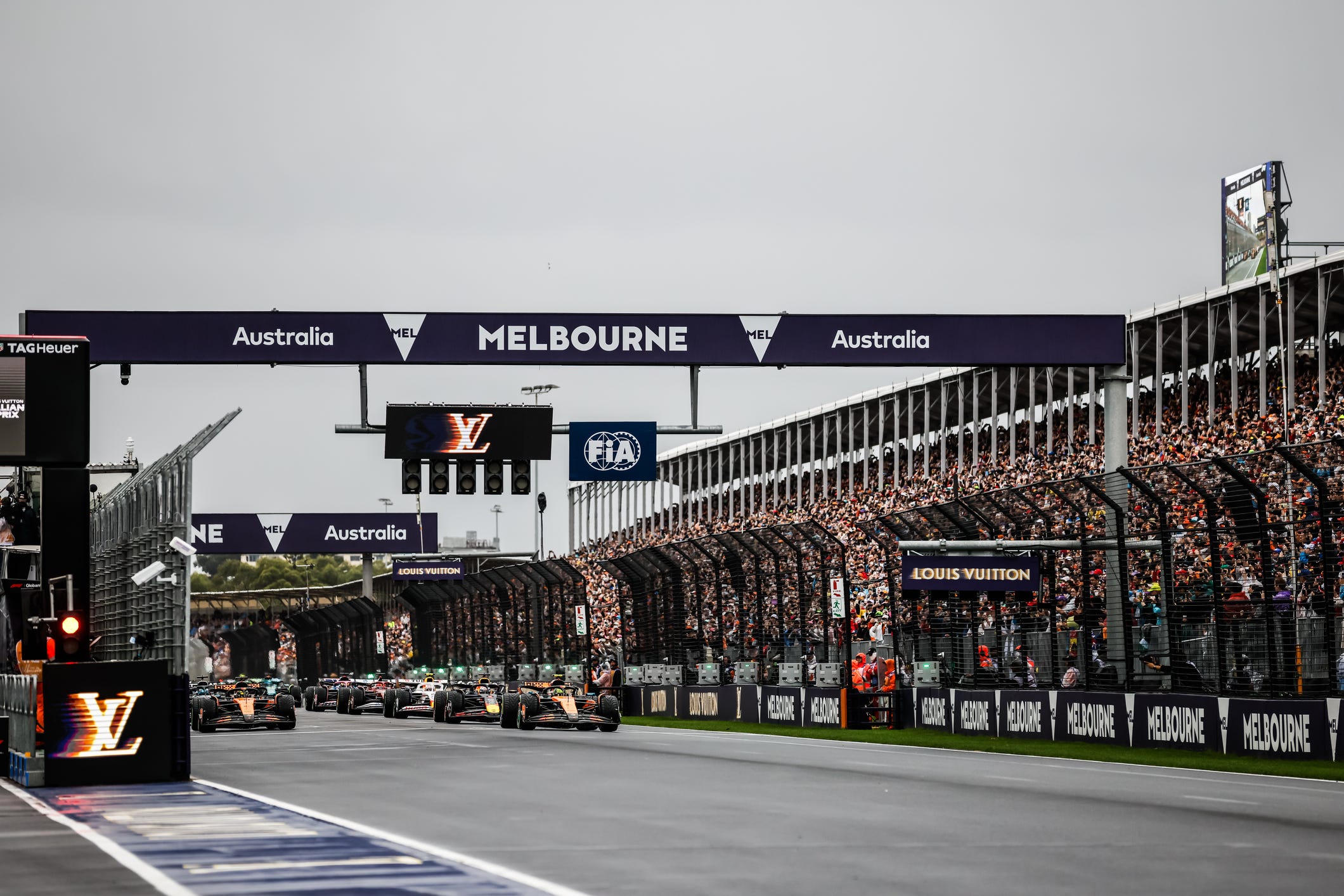
At this current time, it’s impossible to assess how competitive Cadillac will actually be once they actually take to the grid in Australia. What we can assess however, is the scale and structure of the task they have already undertaken. Their philosophy around hiring, infrastructure and upfront investment are not signs of excess, but instead a direct result of what modern Formula 1 demands. While existing teams have legacy workflows and structures that they can follow into new regulation sets, a team starting from the ground up have to create these from scratch and even with huge amounts of capital available to them, the problem isn’t necessarily funding the project, it’s converting the capital into capability.