Why Aston Martin have hope for these regulations despite starting "on the backfoot"
The pre-season exposed clear weaknesses in Aston Martin's 2026 package, leaving them “on the backfoot” heading into what was planned as a pivotal regulation set for their journey to the front.
The Silverstone-based team have had their sights set on this 2026 overhaul for years - the Honda deal was secured and announced back in 2023, the technology campus build began even before then, and Aramco, as a key partner in the switch to fully sustainable fuels, have been their strategic/title partner since 2022.
In fact, it’s that clear, purposeful investment and what Newey has since called a “triangular relationship” between Honda, Aramco/Valvoline and the team that attracted him to the project.
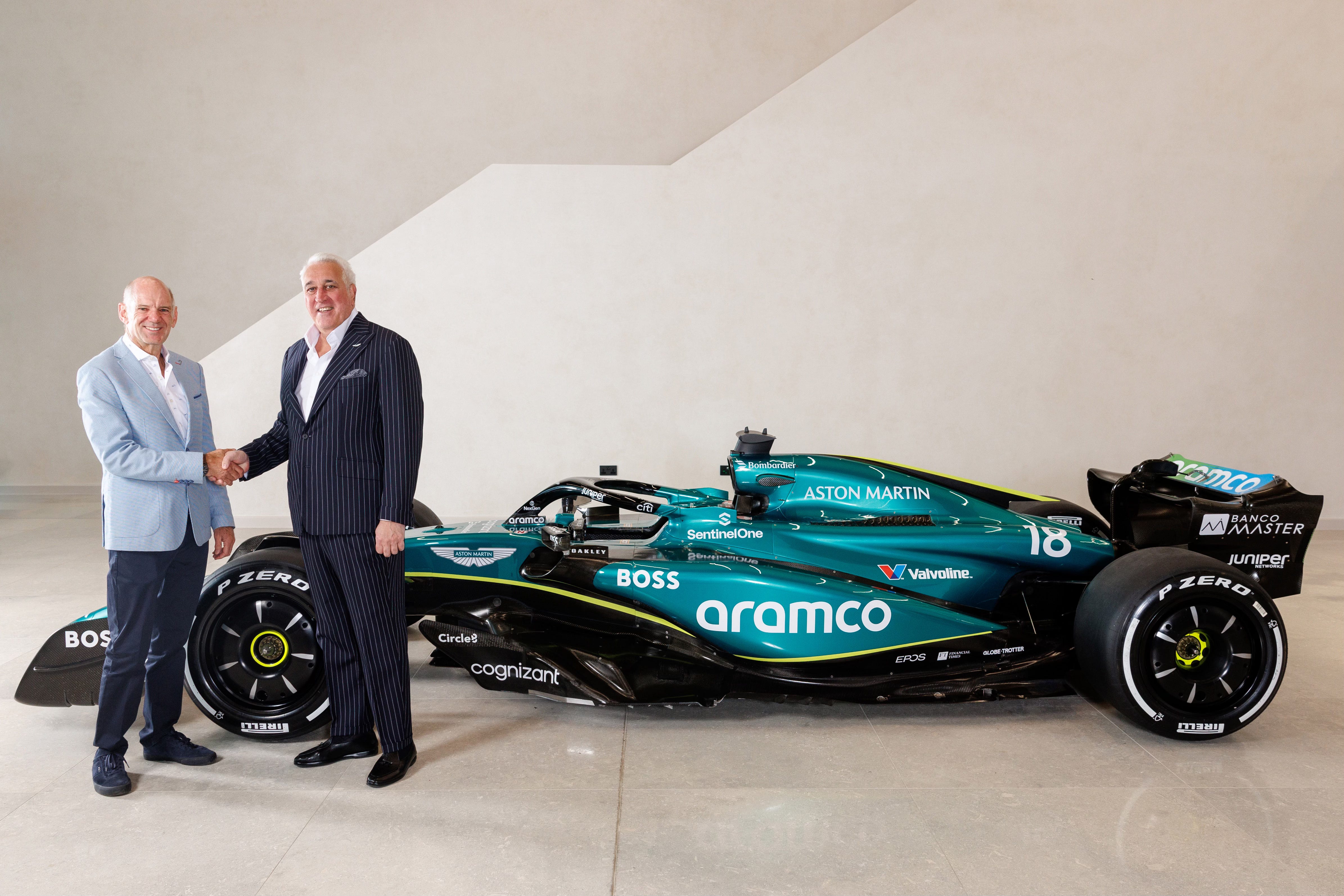
Although these technical partnerships were set up well in advance of the regulation shift, what was more delayed was Newey’s own arrival. With a start date of March 2nd 2025, as the window for aerodynamic testing of 2026 cars through CFD and the wind tunnel opened on January 1st 2025, Newey still wouldn’t be at Aston Martin for another two months.
While he’d been understanding the regulations and pondering the philosophy he felt the AMR26 should follow prior to joining, it meant their work in putting those plans into effect didn’t begin until early March, with the model only making it to their brand new wind tunnel when it came online in April.
And the knock-on effect of that late start is, in reality, what left Aston Martin arriving late to this pre-season…
A slow start in Spain
The team only got out on track with the AMR26 in the penultimate hour of the fourth day of the five day shakedown in Barcelona, at which point the gremlins began to creep in from another side - the power unit.
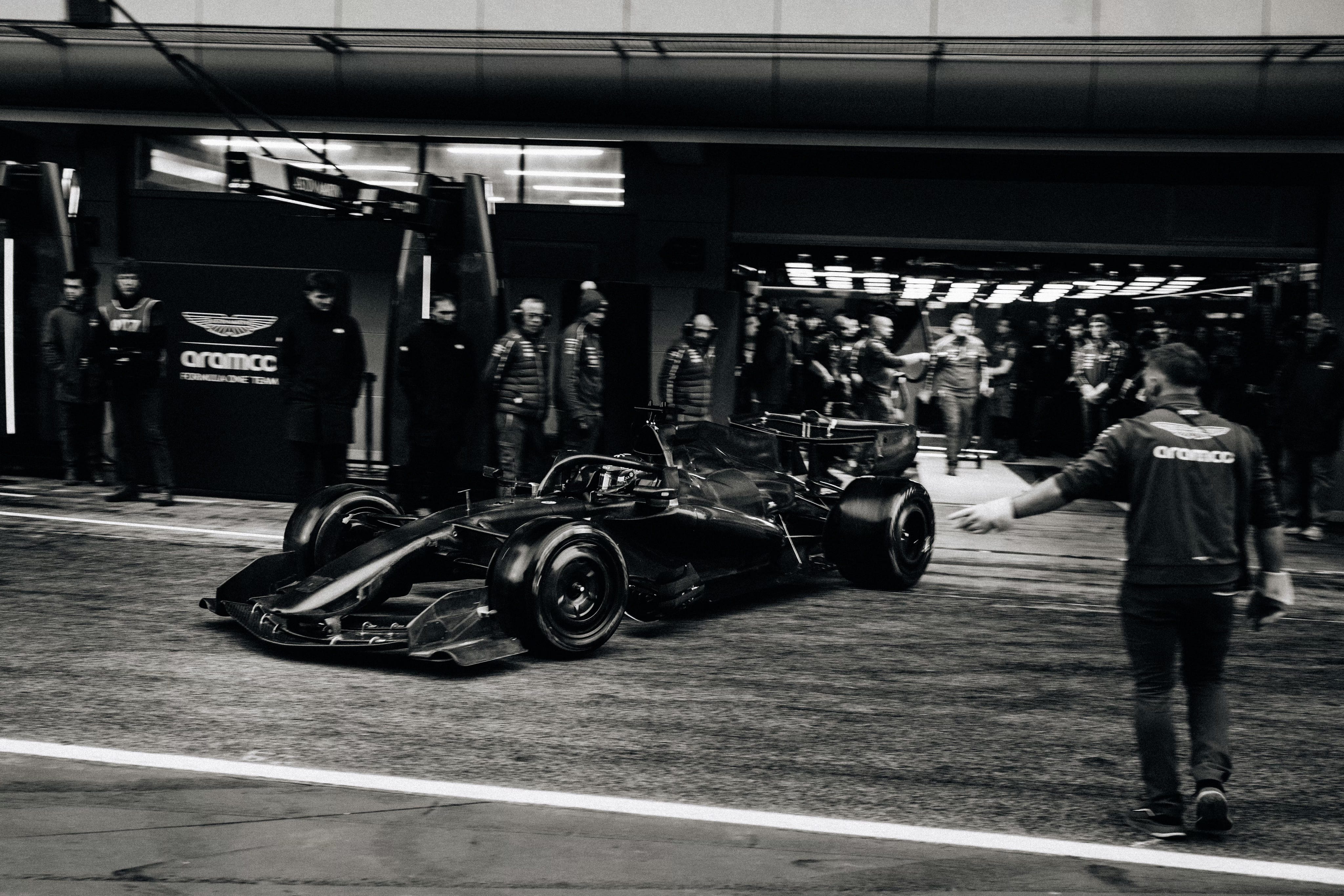
Lance Stroll’s run was cut short by “slightly abnormal data”, in Honda’s own words, which prompted them to take a “precautionary measure” and stop the car on track - concluding its debut after just five laps. With only a day left to establish systems, check reliability and aim to gather mileage before the pack up and move to Bahrain had to begin, they were left limited to 61 laps with Alonso behind the wheel - leaving their shakedown total at just 66.
Disaster in the desert…
Although six full days in Bahrain offered an opportunity for Aston Martin to make up for lost time in Barcelona, things quickly went from bad to worse.
Week one
After only one day behind the wheel, over which he did 36 laps due to another “power unit data anomaly”, Lance Stroll painted a bleak picture of where they sat versus the competition. He publicly stated that they need to “find four seconds of performance” to the top teams and when pushed further as to what was causing that deficit, he explained “it’s a combination of things: engine, balance, grip”.
“We’re still learning the car, the engine, but we have a lot of work to do, and catching up to do. We have probably 400 less laps than the competition, [from] Barcelona and everything that we missed.
Time will tell how much performance we can extract from it. We have the issues that we have, we’re trying to improve it every run, every day, and we’ll see how much more we can extract from the car.”
But following that anomaly on day one, the team’s focus shifted to simply getting mileage under their belt instead of that performance extraction.
To achieve that, they look to have been running the Honda power unit in a ‘safe’ mode to reduce the stress it was under. Alonso never exceeded 306km/h through the speed trap on day two while Russell hit a peak of 336km/h at the top end of the field, and the telemetry indicated that the power unit was capped at around 11,200RPM down the straights, with the majority of laps done in the 10-10,500 range. The team also significantly opened up the cooling outlets for the afternoon of the second day compared to the day one, or day two morning specification.
These adaptations did allow Aston Martin to get on track and stay there, putting 206 laps on the board over the first Bahrain week which would turn out to be their most productive set of testing days.

Week two
The team only put 128 laps on the board over week two as they were, to put it bluntly, plagued with issues.
Day one saw Alonso’s morning cut short with a power unit related problem and as they concentrated on “further understanding the power unit” with Stroll in the afternoon, his RPM was limited to sub-11,000 down the straights once again. That afternoon running, and the understanding it was allowing for, was curtailed by a fairly dramatic spin for Stroll as he seemingly lost drive when downshifting into turn 11, kicking the rear around and putting him into the gravel trap.
Day two saw Alonso behind the wheel, aiming for a full day on track to conclude his testing programme. He managed 68 laps, including some long-running before he was forced to park up at turn four with a power unit problem that Honda later confirmed was “battery-related”.
It was that problem alongside a spare parts shortage that saw the team set out to do only short stints over the final day, however the running was much more limited than even they’d anticipated - Stroll did just six laps, none of which were flying.
So where have things gone wrong? The integration problem.
Aston Martin’s public explanations of their limited running so far has centred around the Honda power unit and the issues it has caused. It is clearly unreliable, to the point that the team are unable to run the car for long enough to establish its driveability, performance or even gather extensive data about their aerodynamic or mechanical platform.
But it does appear to be part of a bigger picture influencing this position Aston Martin find themselves in - with integration perhaps being at the heart of it all.
Mike Krack, the team’s Chief Trackside Officer, has spoken to the importance of that, saying “this is a formula where all the parties need to work very well together. I think the better you integrate, the quicker you can make progress.”
But Aston Martin’s ability to integrate quickly has been hampered this year by the increased complexity of their technical setup. Of course there’s the introduction of Honda as their power unit supplier, marking a change from the longstanding relationship the team had with Mercedes, but alongside that change, the team not only have a reformed technical structure under Newey, but have also moved towards creating their own gearbox and suspension for the first time.
The evidence from Bahrain suggests that that side of the package may be struggling with the changed, and ultimately increased, demands placed on the gearbox under this regulatory era versus previous ones, perhaps owing to the team’s inexperience in that area. Alongside an unreliable power-unit, the suggestions are that the team are unable to harvest, and therefore deploy, the maximum power.
But also within that complex picture is likely the aggressive design package from Newey.
When the AMR26 broke cover for the first time, even in a full black livery it caught the attention of the paddock, the media and fans as it appeared different to anything that had been seen in the pit-lane to that point. Of particular note were its incredibly tightly packed, slim sidepods - thought to be creating a ‘double-floor’ effect - but also its large rear cooling outlet, triangular shaped airbox, something that only Ferrari had adopted otherwise, and narrow rear exit.
But it’s these very features that could be impacting the Honda power unit’s performance, particularly if rumours of an overheating battery are to be believed. Adapting them to mitigate the impact of that (as they did with the increased louvres in Bahrain) will sacrifice the efficiency of the aero package - perhaps pushing the team into finding a compromise, at least into the early stages of the season, that will actually allow them to complete a race distance.
Hope for improvement
Even if on the technical side the factors are not gelling as well as they’d have hoped, on the human side, Mike Krack feels they are “on a very good level”.
“We share our issues. We share our priorities,” he’s said. But equally Krack has maintained that “there is no real magic in Formula 1. You have to work hard and work through it all.”

That work is something all sides of the “triangular relationship” are committed to, as referenced and emphasised numerous times by numerous personnel over testing - not least the drivers themselves.
Stroll said “we'll stick together, rise to the challenge and keep working until we get the car where it needs to be”, while Alonso pinned his hopes on the expertise of their team principal, but also designer, Newey while keeping a cautious feeling about the power unit.
“On the chassis there is no doubt, we have the best with us.
After 30-plus years of Adrian Newey dominating the sport, I think no one will doubt we will find a way to have the best car eventually…
On the power unit, we need to wait and see when we unlock all the performance, where we are and what is missing, and then work hard.“
But it could be Newey who melds those two sides together - he’s no stranger to designing around a Honda power unit, nor working with Honda to best integrate their product into an efficient aerodynamic platform. While the starting point, likely due to the ‘lateness’ factor, has been something of a misstep so far, the development trajectory is sure to be hugely influential this year and offer them opportunities to recover.
On that front, the team, and Honda, could have the Additional Development and Upgrade Opportunities (ADUO) system on their side. Introduced to avoid a repeat of the manufacturer dominance that was seen in 2014, it will see the FIA evaluate power unit performance after the 6th, 12th and 18th grands prix of the season to offer additional in-season update opportunities to those found to be 2-4%, or <4% down on output versus the field benchmark.

That won’t be a silver bullet by any stretch of the imagination, given the spacing of the evaluations over the season, by which point their competitors could be much further ahead again.
Krack has made it clear that they know they are “not waiting for us”, making the work done at Silverstone, Milton Keynes and Sakura the true priority, and until the impact of that work is felt over the longer term Aston Martin seem to be in for a tricky start to this new era.
If they can make it through and out of that, the team will likely be all the stronger for it and have laid improved foundations for the years to follow.


