

What to expect from the Chinese GP: 5 things we learned from the Sprint
A sprint weekend might give the teams a compressed timetable, but it does give us early insight into what we can expect from them, their pace and the tyres in race trim. So what did we learn?


Mercedes still lead the way, but Ferrari can close in in race trim
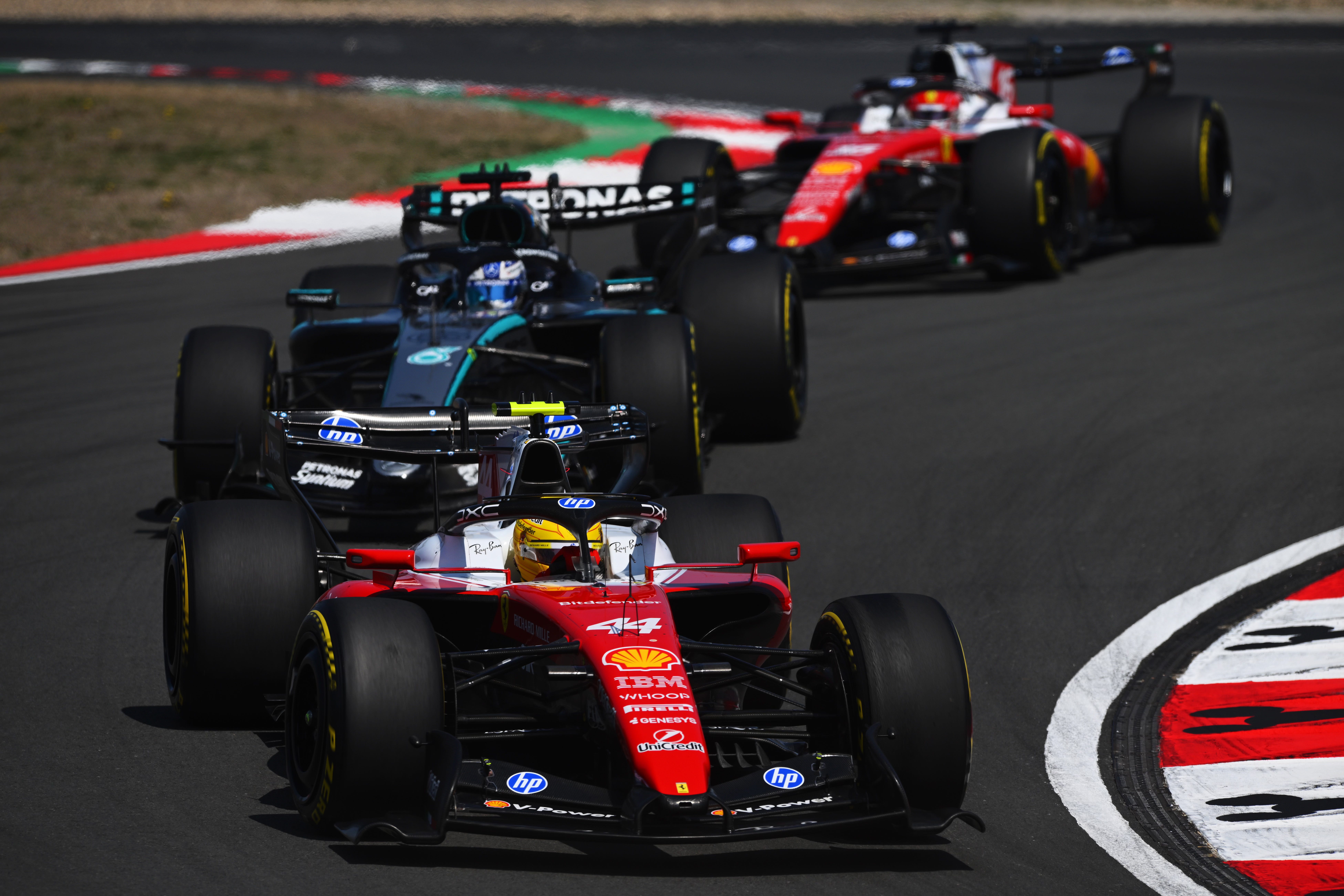
Mercedes have a clear advantage in qualifying trim, but as the fuel goes in and the laps go up, Ferrari appear able to close in on them and challenge more closely. The early battle between Hamilton, Leclerc and Russell proved that, as does their race pace by the end of the Sprint.
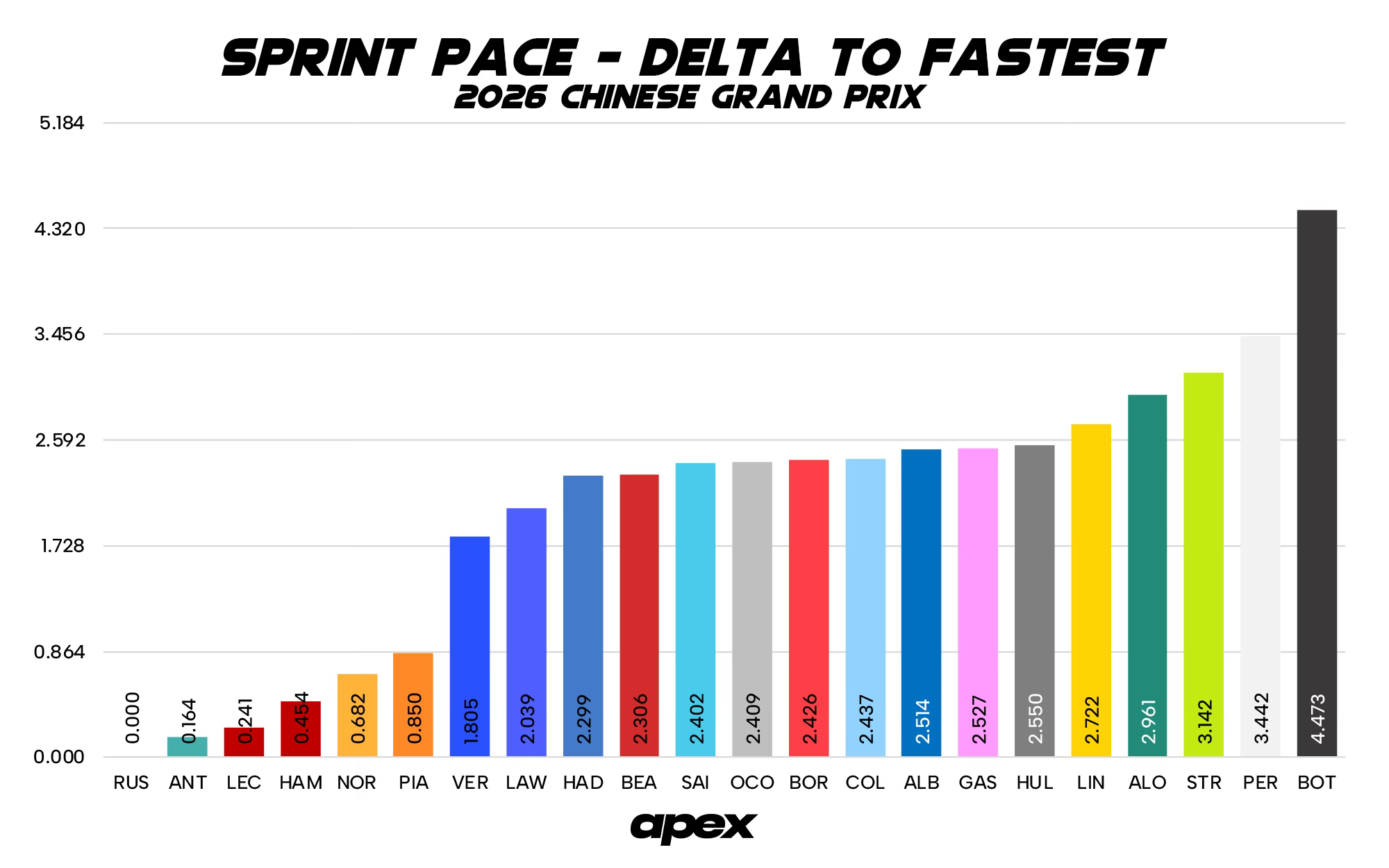
Just shy of half a second covered all four drivers from the two teams, with the biggest margin of that coming between Leclerc and Hamilton rather than between the teams themselves - an average of 0.266s. Part of that is perhaps coming from the Ferraris struggling more with their tyres, which, as Fred Vasseur said, has to be a key consideration for them over the grand prix beyond the opening stages and initial phases where the battles are closer.
“In the race tomorrow we will try our best, but Mercedes still have a straight line speed advantage, so that it’s quite difficult to fight them. So far, we have seen that we can fight them for the opening laps of the race, but then the risk is to pay the price with the tyres. Let’s see if we can push them for longer than that tomorrow.”
Red Bull can’t find their usual turnaround…
While McLaren were the team to join Mercedes and Ferrari in the top three, extending that to a top four does bring Red Bull into the mix but with a monstrous deficit, not only to Mercedes’ benchmark, but to McLaren too. Verstappen called their first day in Shanghai a “disaster” and given the parc fermé period that covers overnight into the sprint, their chances of a recovery then were slim. It reflects in the pace shown by the two cars over the 19 laps, which places Verstappen and Hadjar 1.8 and 2.3 seconds off Russell as the quickest on average, respectively.
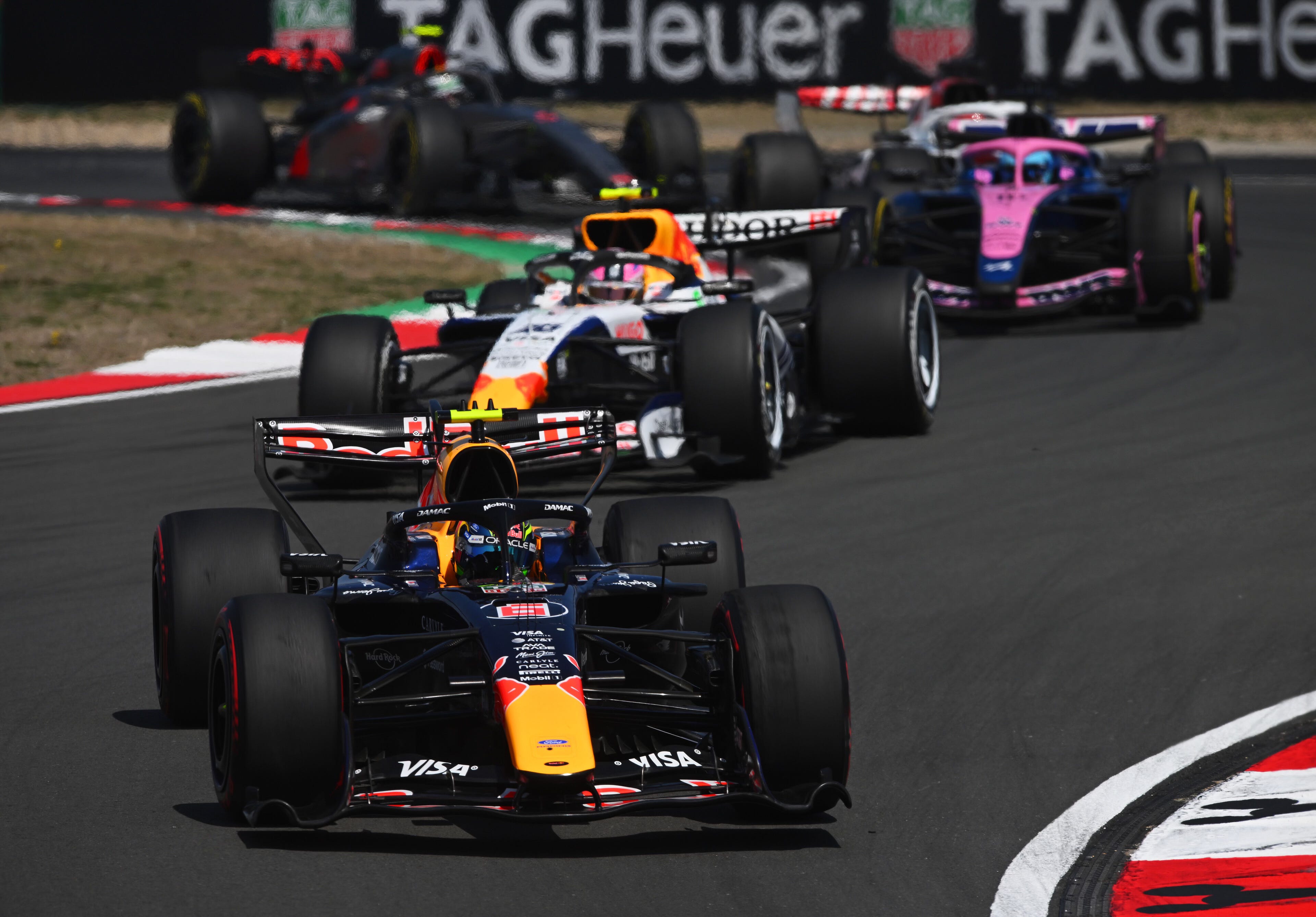
What’s particularly concerning about those deltas is how they compare to those of the Racing Bulls drivers, and especially Lawson. He followed a one-stop race over the sprint on the hard tyre, but even with that compound and stop number difference to Verstappen, Lawson was only around two tenths slower. Hadjar did remain on the soft tyre from the start to the finish, but boxed for a newer one under the safety car, which left him to finish P15 and with pace slower than Lawson. Yet, it’s important to note that he had also suffered damage from early contact with Antonelli.
But even with this poorer pace, the hope for a trademark Red Bull Friday-to-Saturday turnaround into the break in parc fermé remained. Unfortunately it never came though, leaving Verstappen to repeat the “disaster” label to sum up his day as both he and Hadjar qualified P8 and P9 respectively - near exactly where they did for the sprint.
“Going into the Qualifying session, we changed a lot on the car but it didn’t make much difference unfortunately,” Verstappen said.
“It is very complicated at the moment and quite difficult to drive for me to get a good reference in and build on this, so each lap is tricky.”
“I hope that tomorrow we can be a little more competitive, but let’s see what happens."
Nothing in it in the midfield
Beyond the huge rift that sits ahead of Red Bull, from them backwards there was very little in it between the midfield teams for pace over the 19 laps.
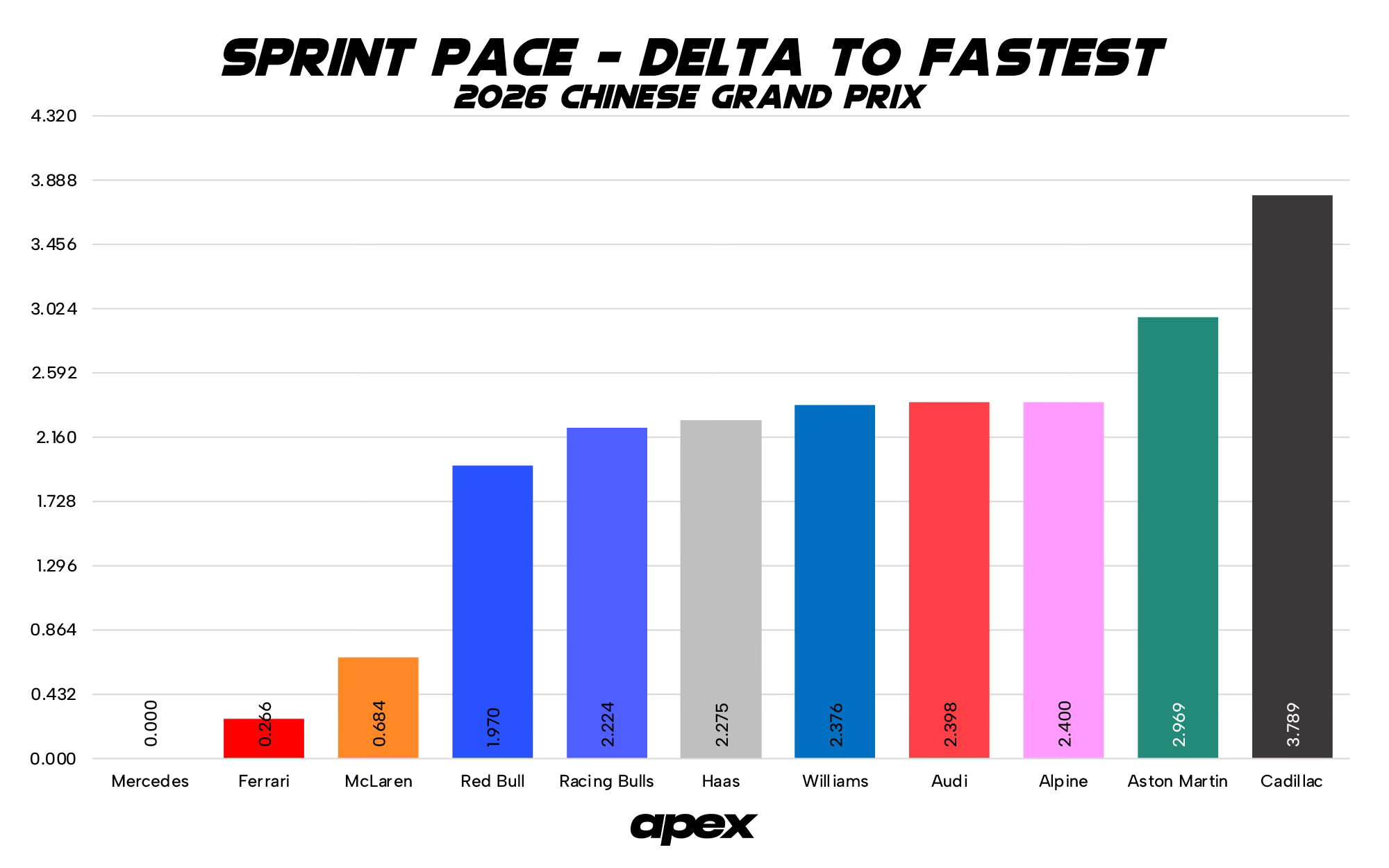
Just 0.176s split Racing Bulls at the front of that group from Alpine at the rear of it, which is interesting given the split in how each team reacted strategically to the safety car. Sainz was another driver to run the full race on the hard tyre, while Ocon, Bearman, Bortoleto and Gasly ran from start to finish on the medium without boxing. Others like Colapinto and Albon then ran the medium start to soft finish that was followed by the top six drivers for pace.
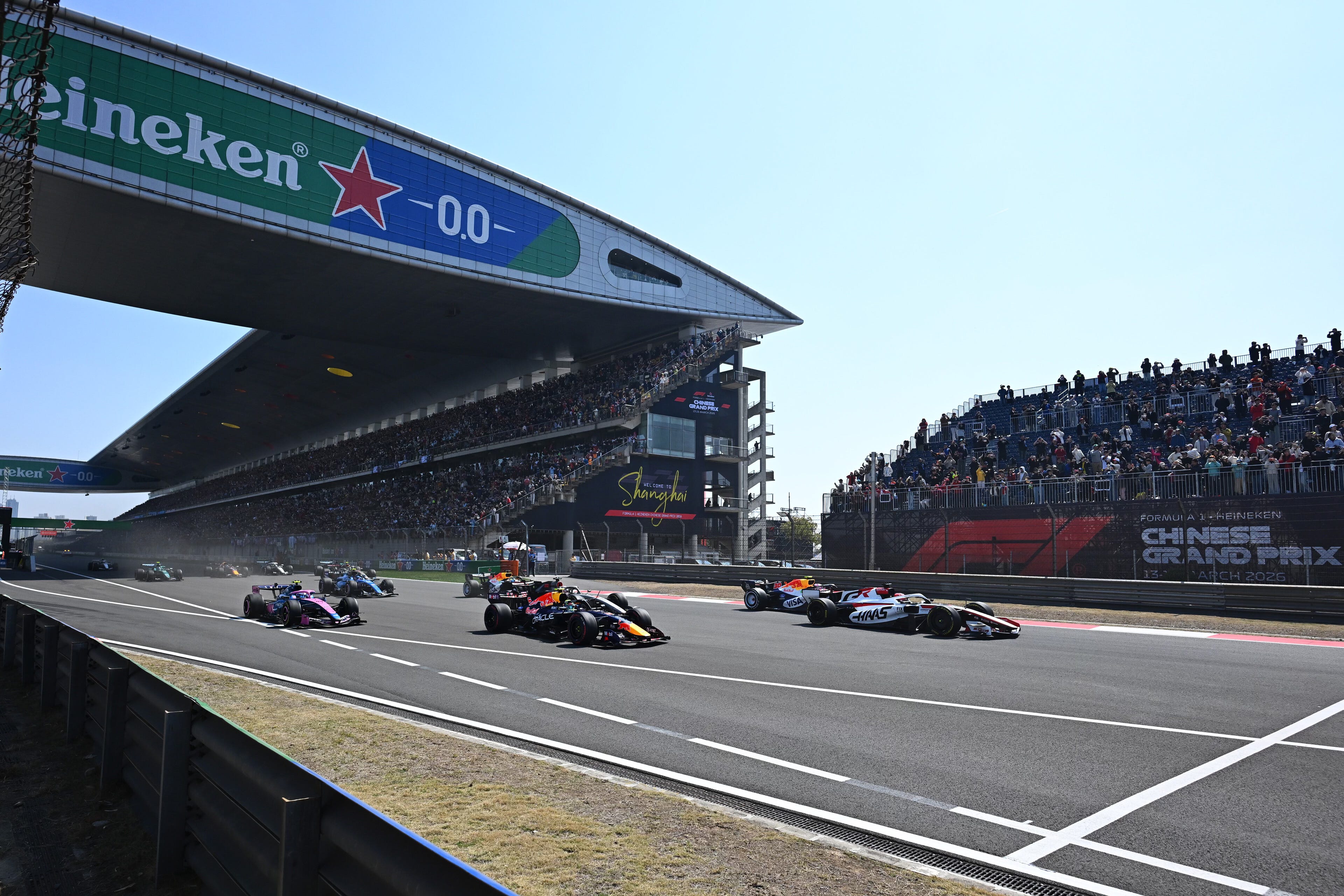
While the impact of these differences on their pace was minimal, they may have a larger impact on the strategies open to them over the grand prix through their tyre allocation.
Any driver who ran the hard will have gained valuable knowledge about its behaviour, yet also will have sacrificed their ability to run a double stint on it or respond to a neutralisation during the grand prix. Equally, by running on just one medium over the sprint, a driver may have suffered higher graining impacting their pace here, but they may have saved a soft set for the grand prix, potentially for a starting stint.
The tyres are suffering…
The feasibility of a soft opening stint however will potentially be limited by graining, which was rife over the field through the sprint. The cold conditions likely fed into that, as the track temperature hovered around 13°C, but the front limitation and particularly the limitation on the front left came to fruition for most.
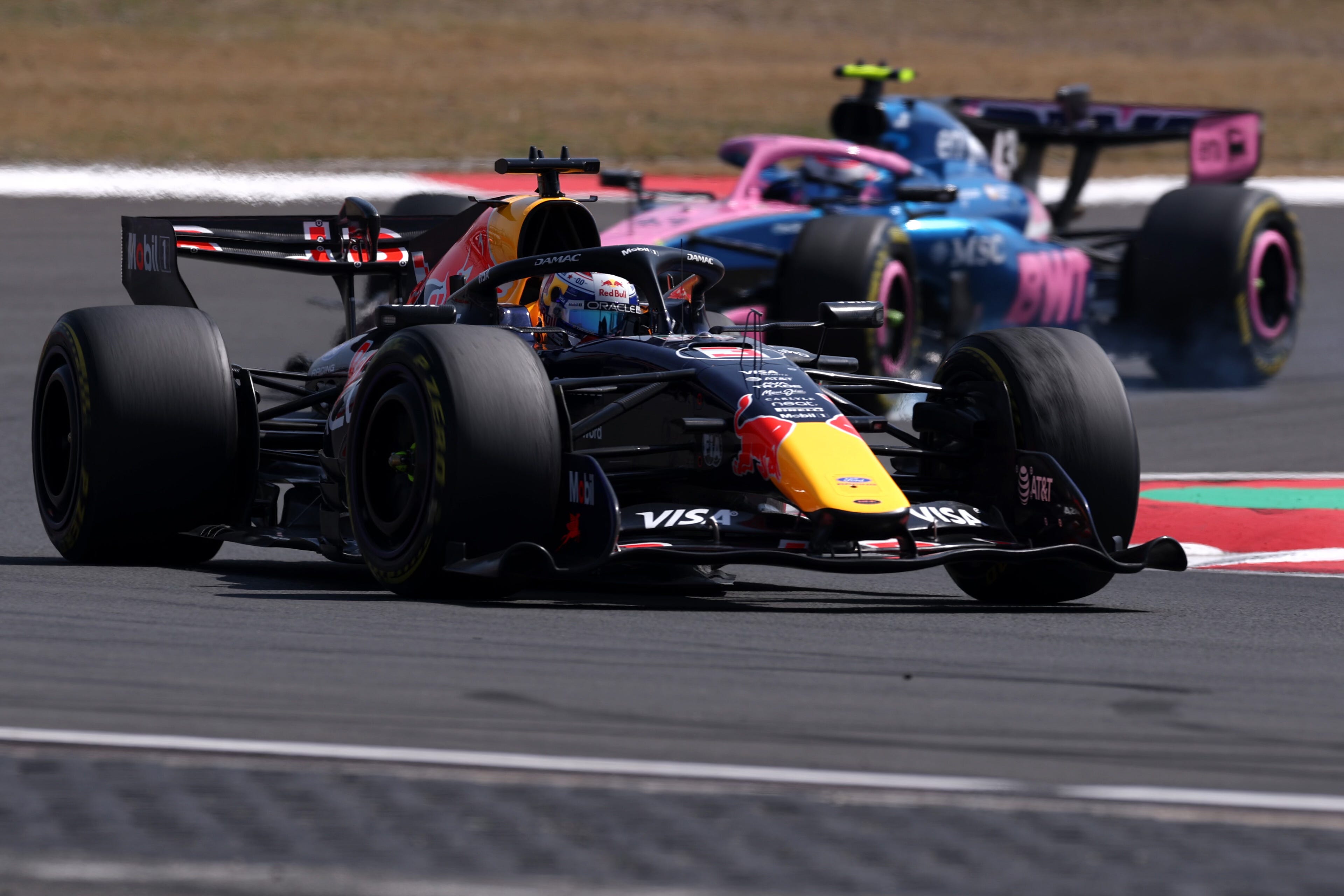
However, on Friday, Pirelli noted that the impact of that graining on overall wear “remains limited”. Whether that remains the case and what its impact will be on stints beyond 19 laps, or mostly beyond 14 racing laps given the neutralisation, is unknown however.
The race could be the one-stop the Sprint wasn’t…
Even in light of the graining seen, Pirelli predict that the quickest way from lights to flag in the grand prix is the one-stop: calling it “clearly the fastest for tomorrow”.
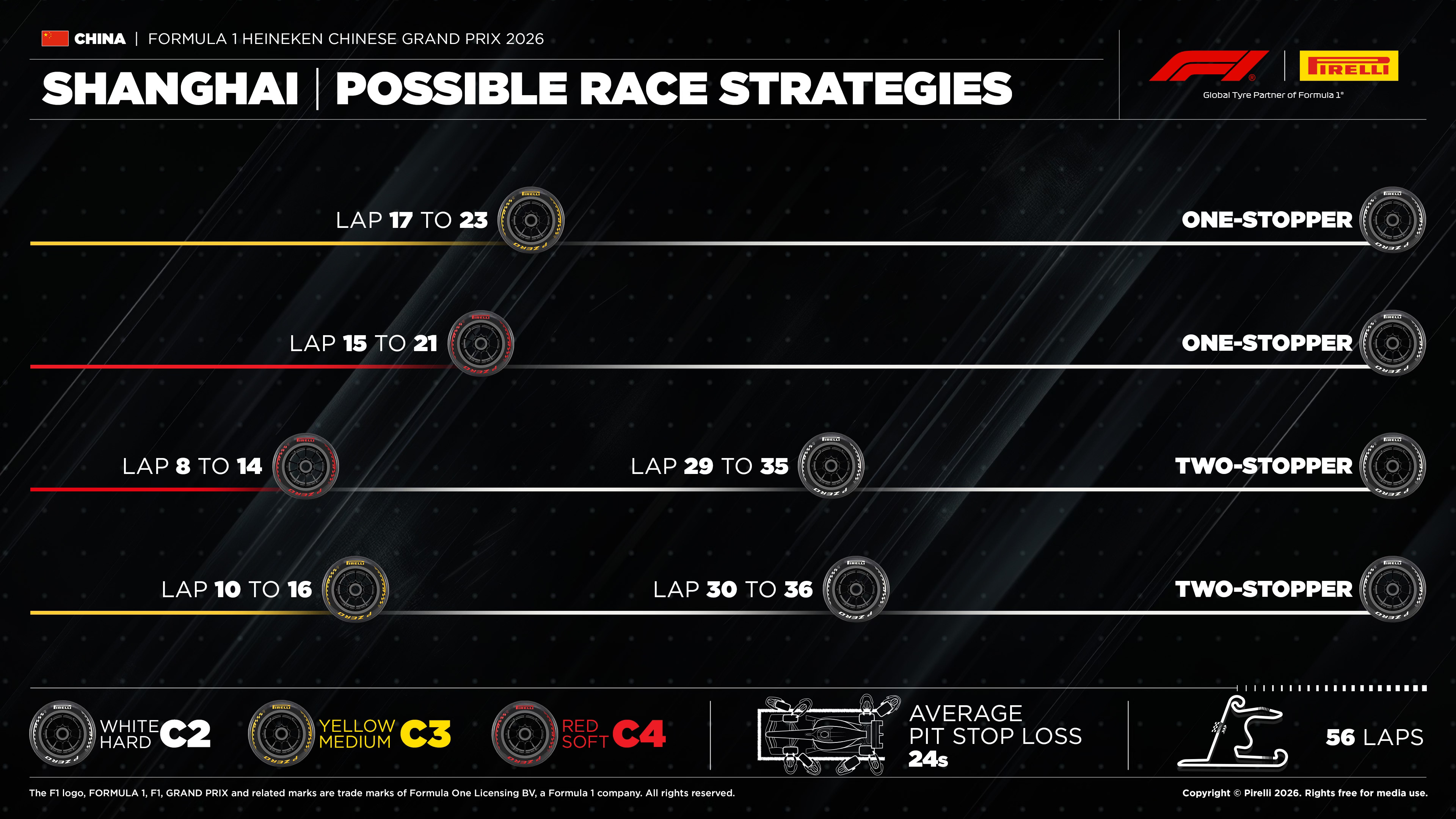
That will, of course, have to make use of the hard tyre but the decision to start on the mediums or softs before switching to the longer, final hard stint will depend on grid position and whether a driver feels willing to play a more aggressive game.
But in light of the unknowns around tyre wear, and particularly of the hard’s ability to go for the over 40 laps Pirelli feel it will have to to make a one-stop work, a two-stop could appear if drivers find the tyres tougher to manage or if they have the allocations to allow it.
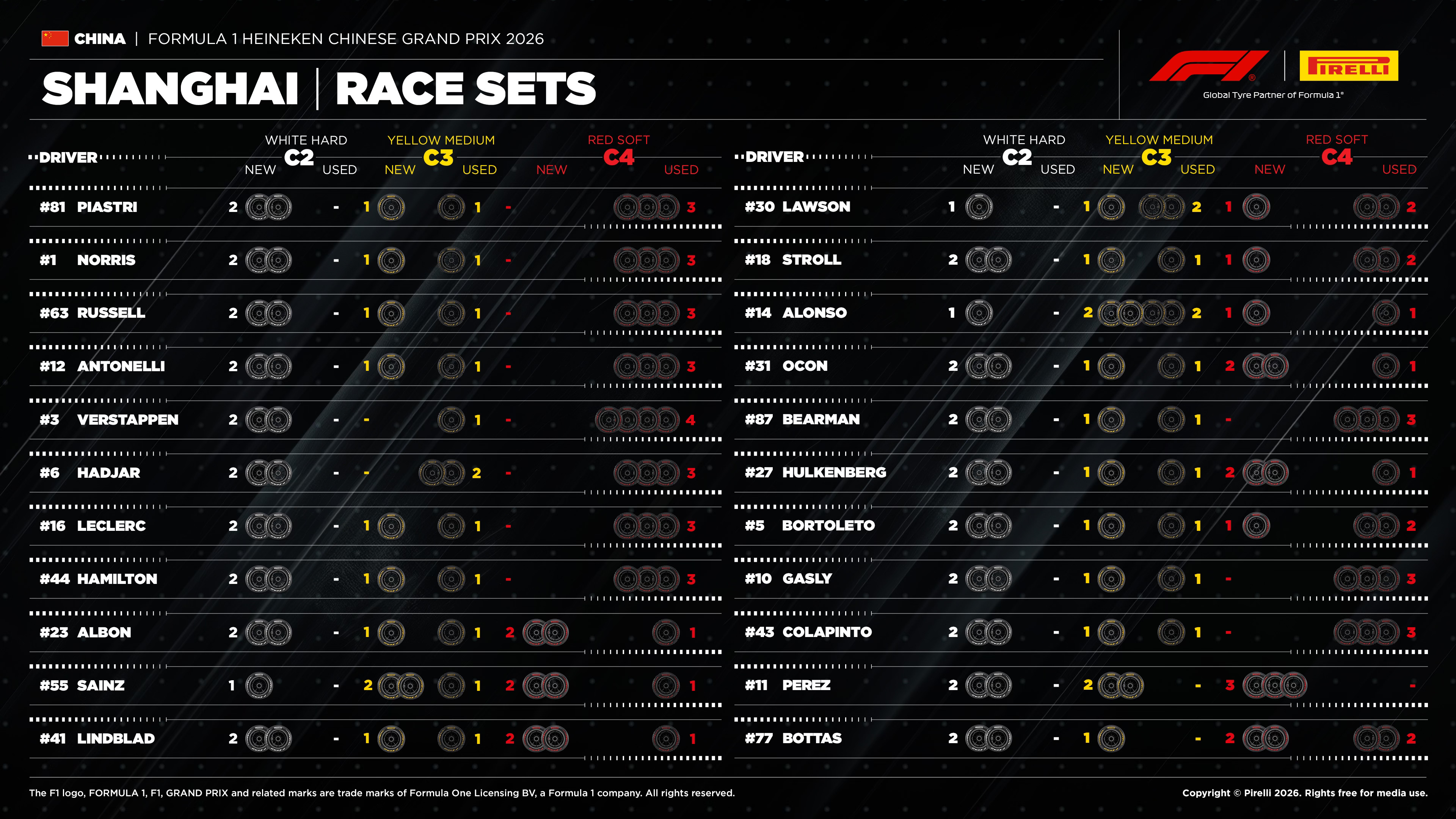
Any drivers with two new hards remaining could be candidates for a two-stop race, with a double hard stint to finish, but equally a late neutralisation could open the door for a late medium or soft stint.