

What strategic options do the teams have for the Australian Grand Prix?
A Mercedes front-row lock out, Hadjar on debut for Red Bull just behind and an all McLaren third row - we're set for the Australian Grand Prix, but what strategic options do the teams have?


In the past, overtaking has been at a premium at Albert Park which has amplified the role of strategy in a driver’s chance of making up positions or fighting through the field. This year, depending on the effectiveness of the new modes in racing conditions, that could be compounded with race pace, reliability and keeping out of potential chaos…
So what options do the teams have for the Grand Prix?
Pirelli opted to keep the compound selection consistent with recent years in Melbourne, despite the obvious unknowns as we headed into the first race of the season. The compound names and their general role in the range may be the same, but the constructions and compound make-up are different, and more robust, to work in conjunction with the narrower tyres and different load profiles of the new cars.
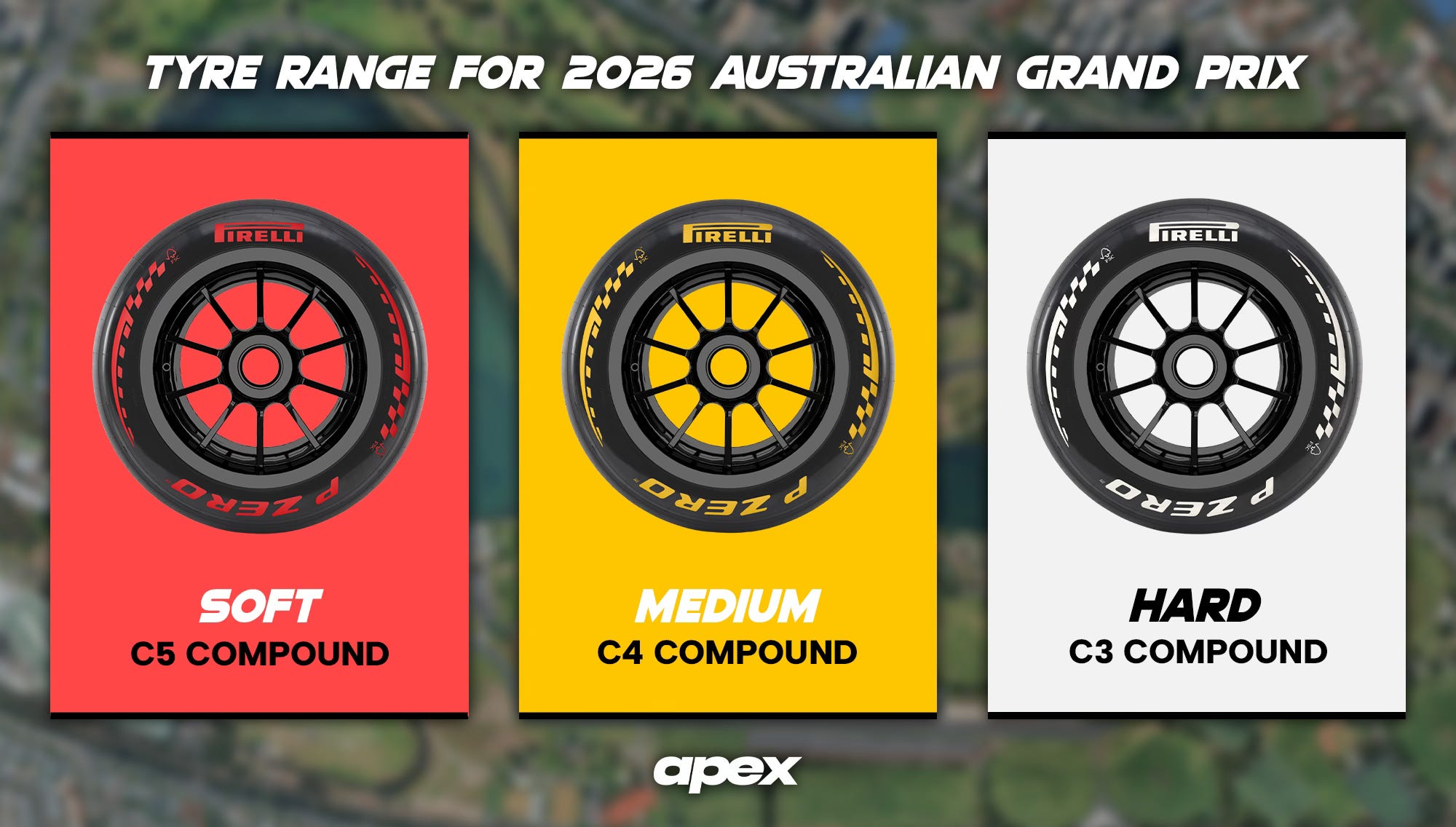
Even so, Pirelli have observed quite typical performance levels of the compounds and deltas between them. Based on that, plus the conditions of the sets at the end of the sessions so far and their performance analyses, Pirelli’s motorsport director, Dario Marrafuschi, believes “all three compounds could play a role” over the race.
The more limited degradation, at least through thermal factors as a result of the very smooth Albert Park surface, means a one-stop approach could be feasible. According to Marrafuschi, the medium-hard combination is the “fastest on paper” with a stop in the window of lap 20 to 26.
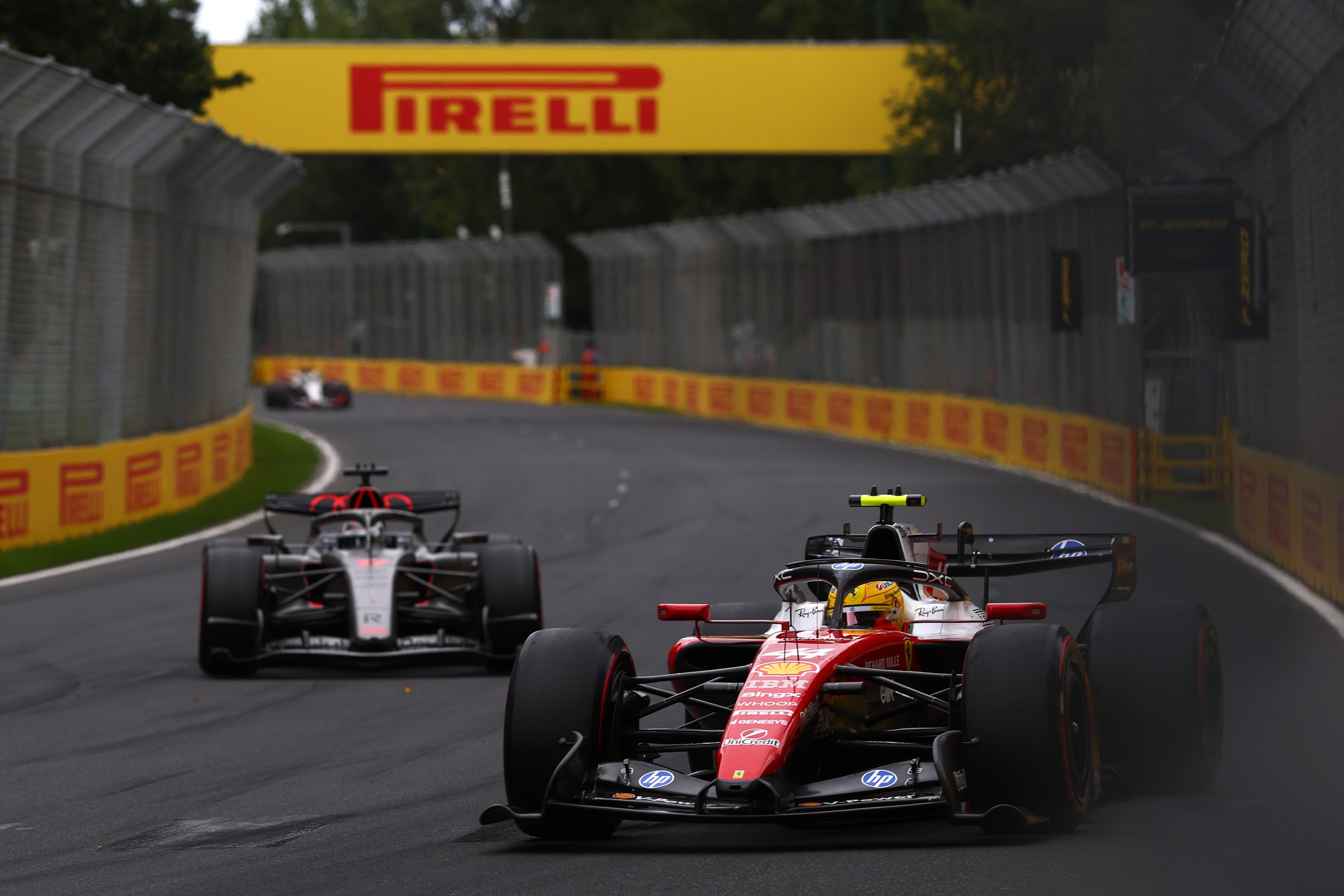
The soft could also play a role for a starting stint in a one-stop strategy, coupled with the hard, which would see a driver boxing between laps 15 and 21, according to Pirelli. That would not only provide a potential boost of grip off the line, but may also open the opportunity for a team to capitalise on potential early safety cars or red flags.
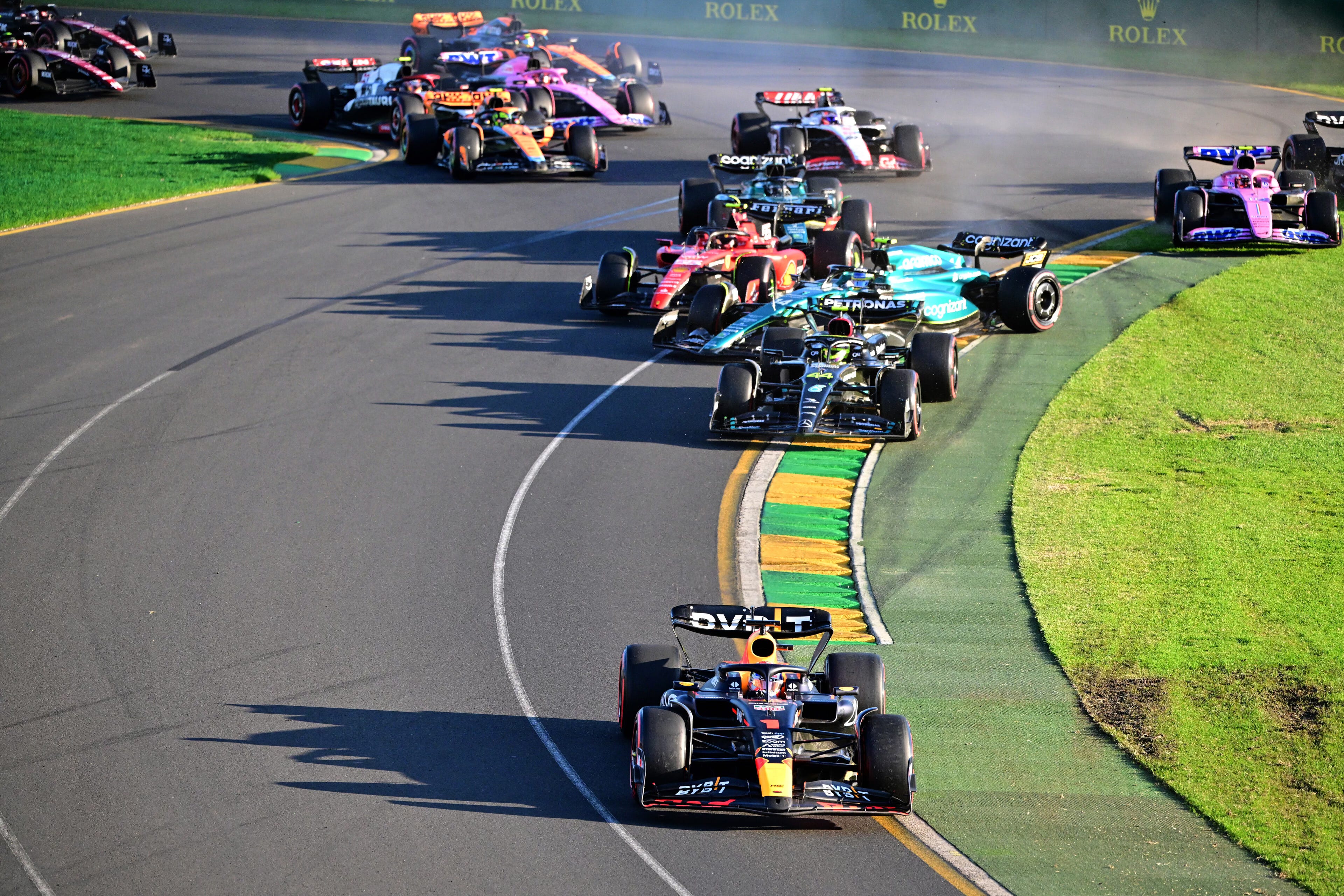
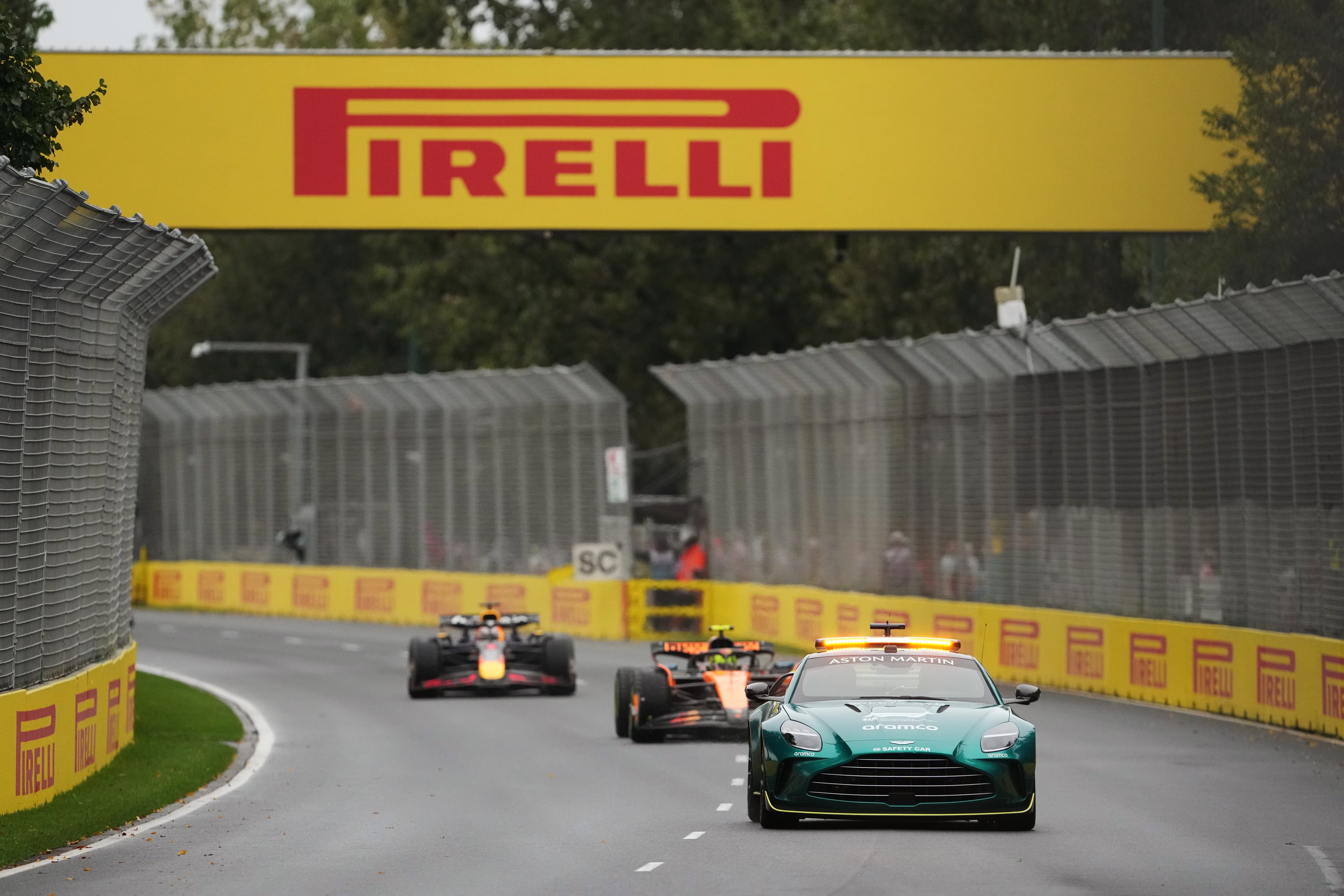
The chance of neutralisations in Melbourne sits at 67% for a full safety car, and also 67% for a VSC, based on the previous six grands prix held there. Should either of those arise beyond the opening stages, it could push a team into a two-stop, particularly if they have an extra set of new mediums or softs in their allocation.
In that case, Pirelli anticipate that the softer compounds would bookend a middle stint on the hard, with the use of the C5 in that representing a “more aggressive approach.”
What tyres do the drivers have left?
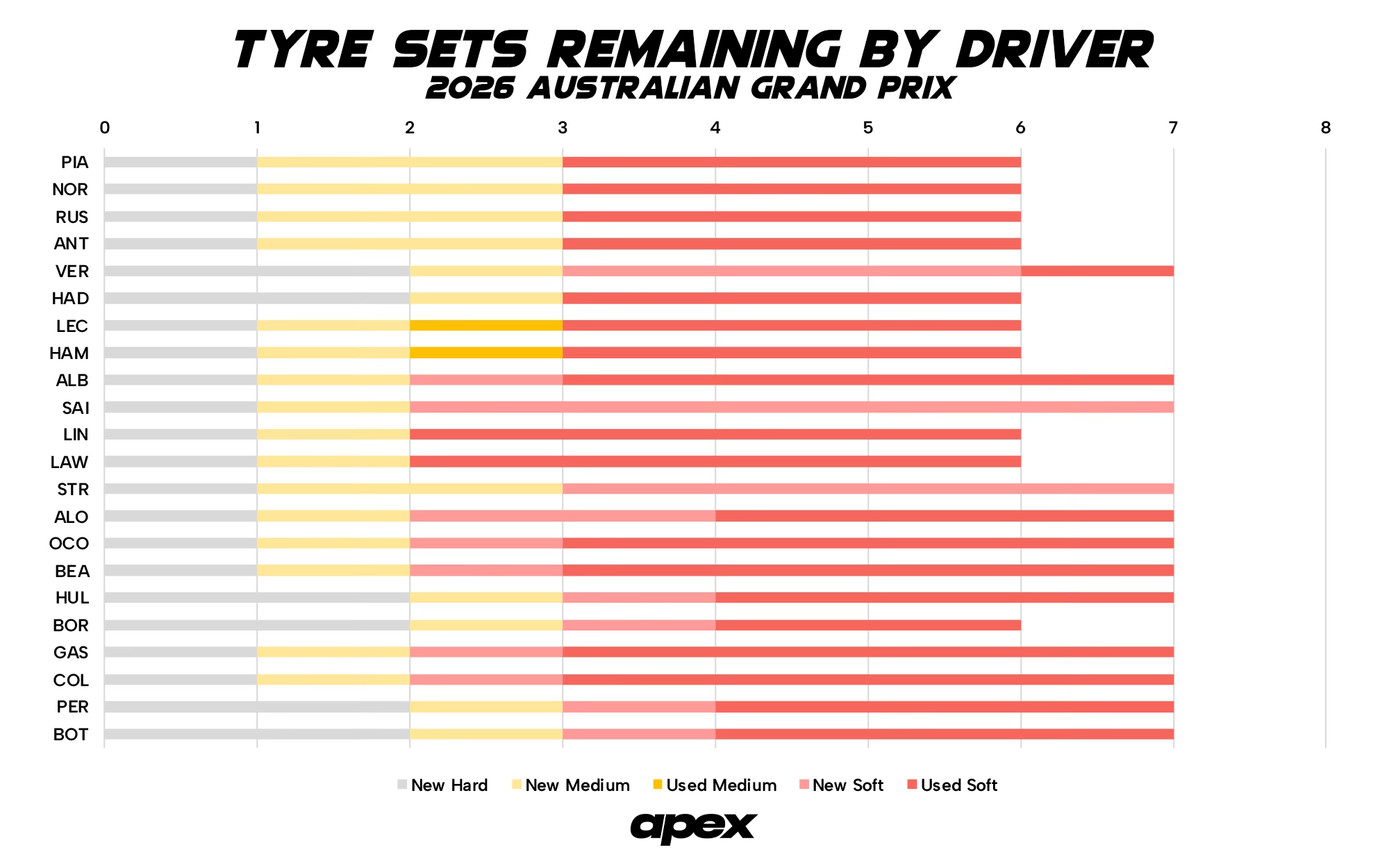
The McLarens and the Mercedes could follow that two-stop route, given that they all have one new set of hard tyres and two new mediums left heading into the grand prix. Both Ferraris also have two sets of mediums - one new and one used - remaining, while Stroll is the only other car with two new medium sets left.
The only cars remaining with multiple new soft tyre sets available are Verstappen, Sainz, Stroll and Alonso and, of those, perhaps Verstappen is the most likely to follow an aggressive strategy to attempt a recovery drive back through the field.
Will the weather play a role?
Unlike last year’s Australian Grand Prix, the weather is unlikely to add to the chaos this year. The weather is set to be dry, warm (around 26°C ambient) with no chance of rain and fairly comparable to the conditions the teams set their long runs in on Friday. As they continue to gather data to inform their understanding of these new cars, that will be welcome news.