


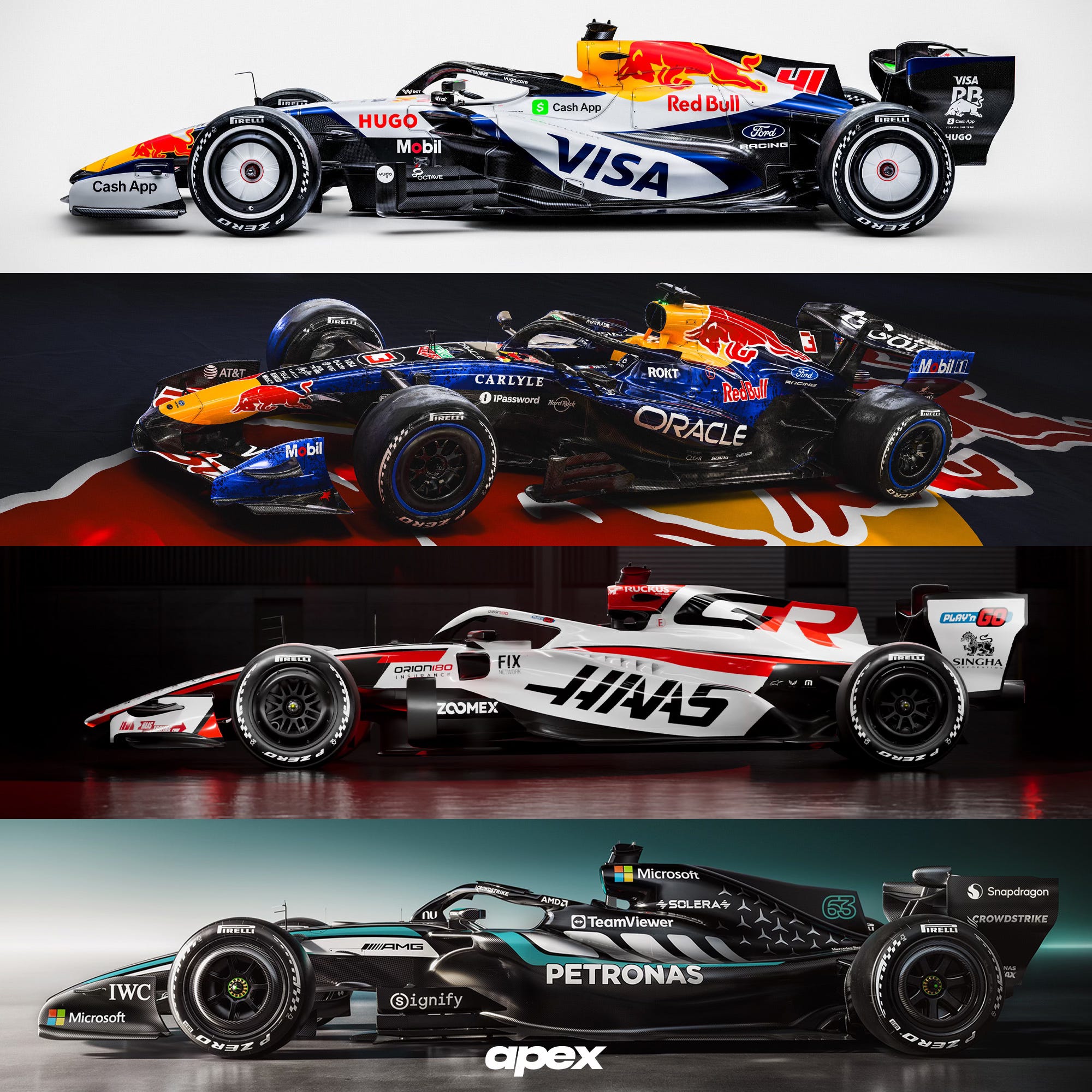
The W17 won’t get its full launch until after the Barcelona shakedown on February 2nd, but to prevent having to run a test livery during that Mercedes have provided early renders of their 2026 design and with it some early clues as to their design direction.
The livery itself is a clear evolution of the design they’ve run over the last couple of years, with the team themselves describing it as a “bold expression of identity and evolution”.


It features a “dynamic” Petronas green flow line to anchor the design, but also, in Mercedes’ words, “emphasise speed and precision while harmonising the transition from iconic Mercedes silver to the team’s deep black.”
As well as the three-pointed Mercedes star pattern on the rear of the engine cover, the team have added a silver rhombus design to the top surface of the sidepods.
Early concept clues
Toto Wolff called the release of these early renders “the next step” in the process the team has followed thus far in developing this car and, beyond the livery, they give us insight into what that development has looked like. As with each of the releases we’ve had to this point, it’s led in another different direction.
At the front wing, the design appears relatively simplistic which perhaps points to there being changes to come at a later date. At this stage, the three elements are even in width outboard to inboard, the nose connects to the second of these elements with a gap between the two connection points allowing airflow to be maintained to the front of the floor, and the connectors between the first and second element that Mercedes ran over the last regulatory era have also been retained.
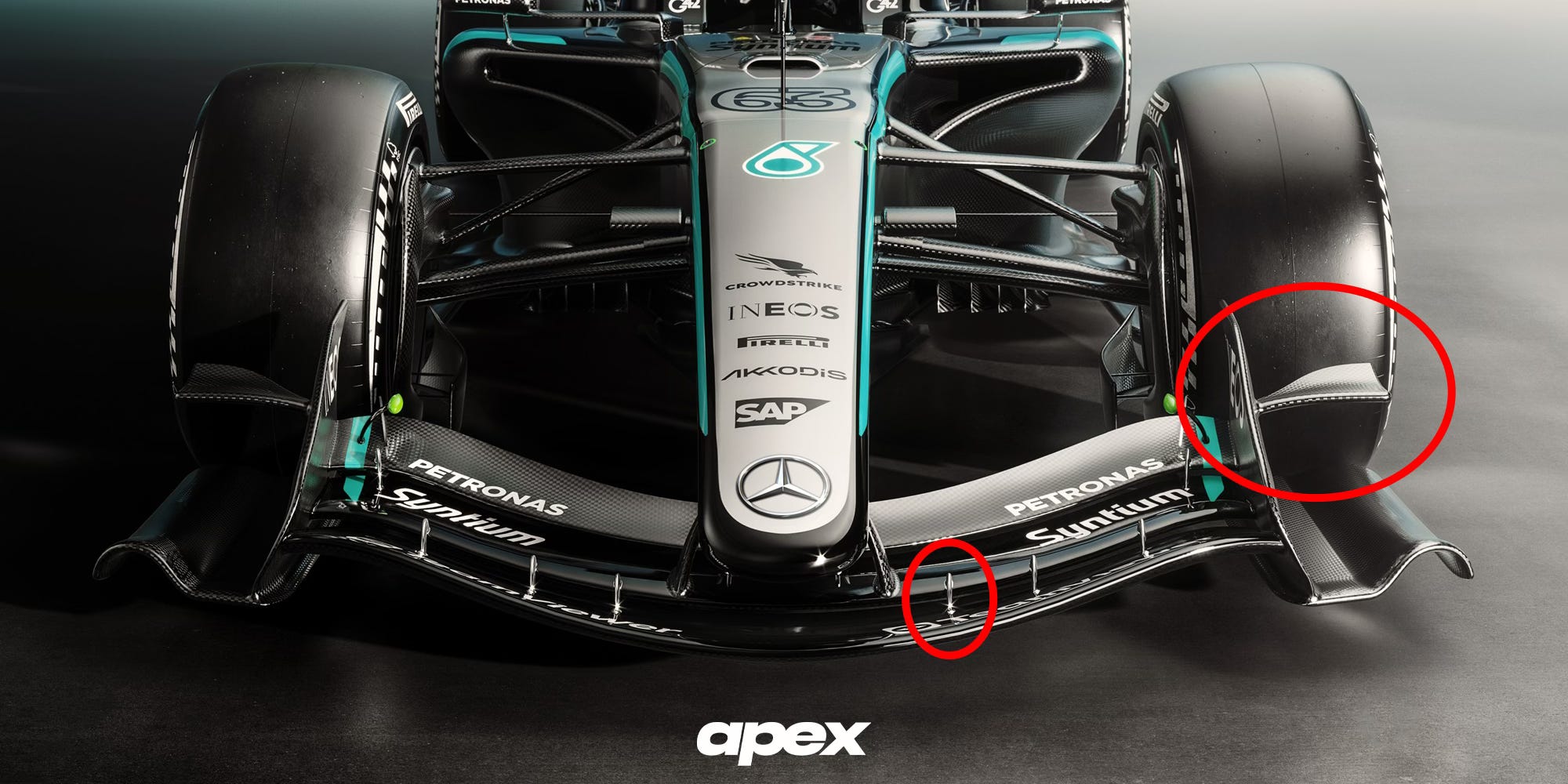
The endplates are also much less developed and intricate than what we’ve seen from teams like Red Bull Racing to this point, with the upper element/wing shape echoing that of the Cadillac or Haas.
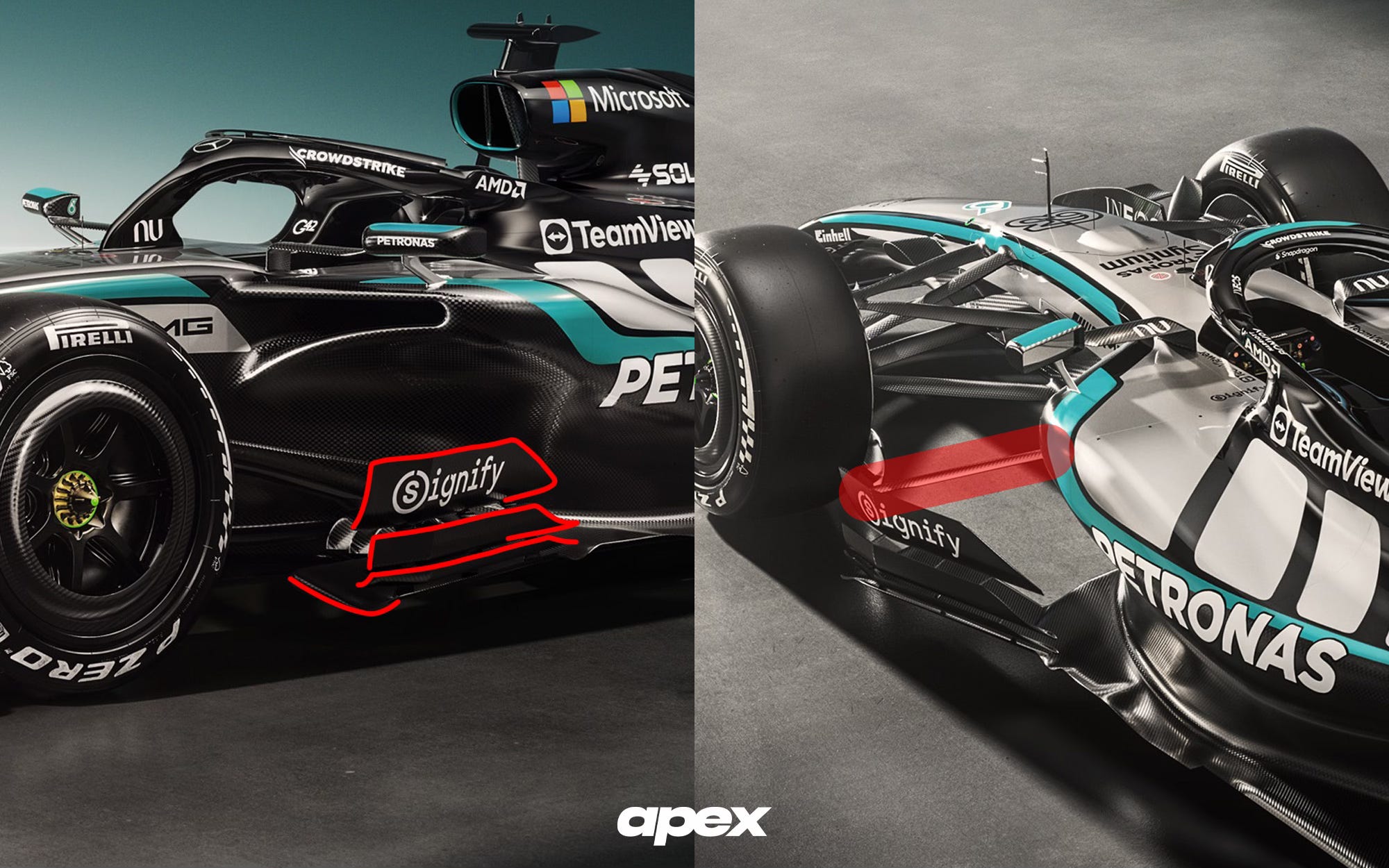
Rearwards to the bargeboard and Mercedes have opted for three elements or vanes that appear to serve to in-wash the front tyre wake - meeting the original aim of the return of this front floor area under these regulations. We can also see a horizontal stay from the uppermost bargeboards element to the chassis, something the VCARB03’s launch specification also had.
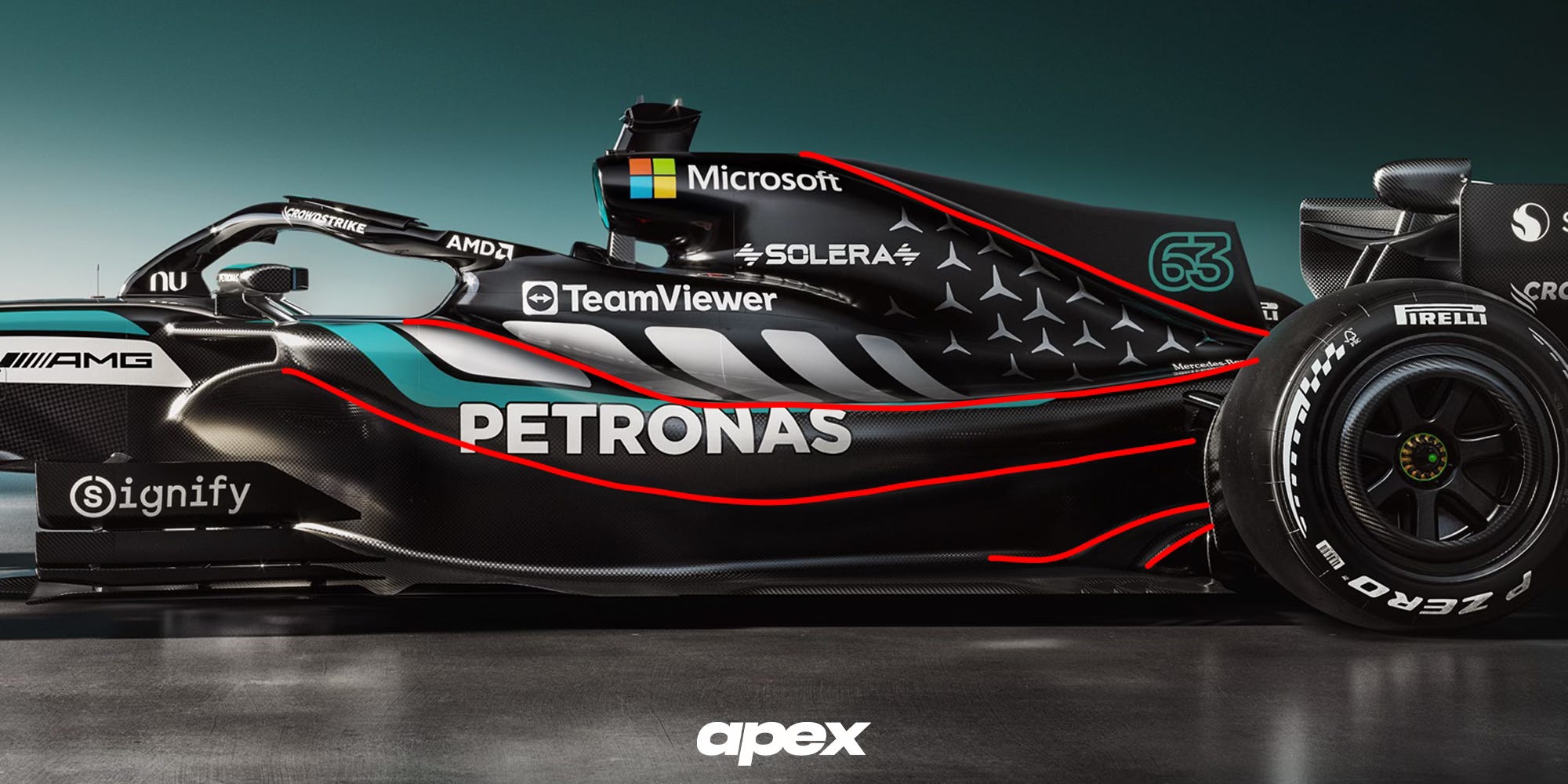
Moving to the sidepods, and the inlet shown in these renders is reminiscent of the concept the team ran on the launch specification of the W15 in 2024 - with a reverse P-shape and no ‘overbite’ to the upper edge.
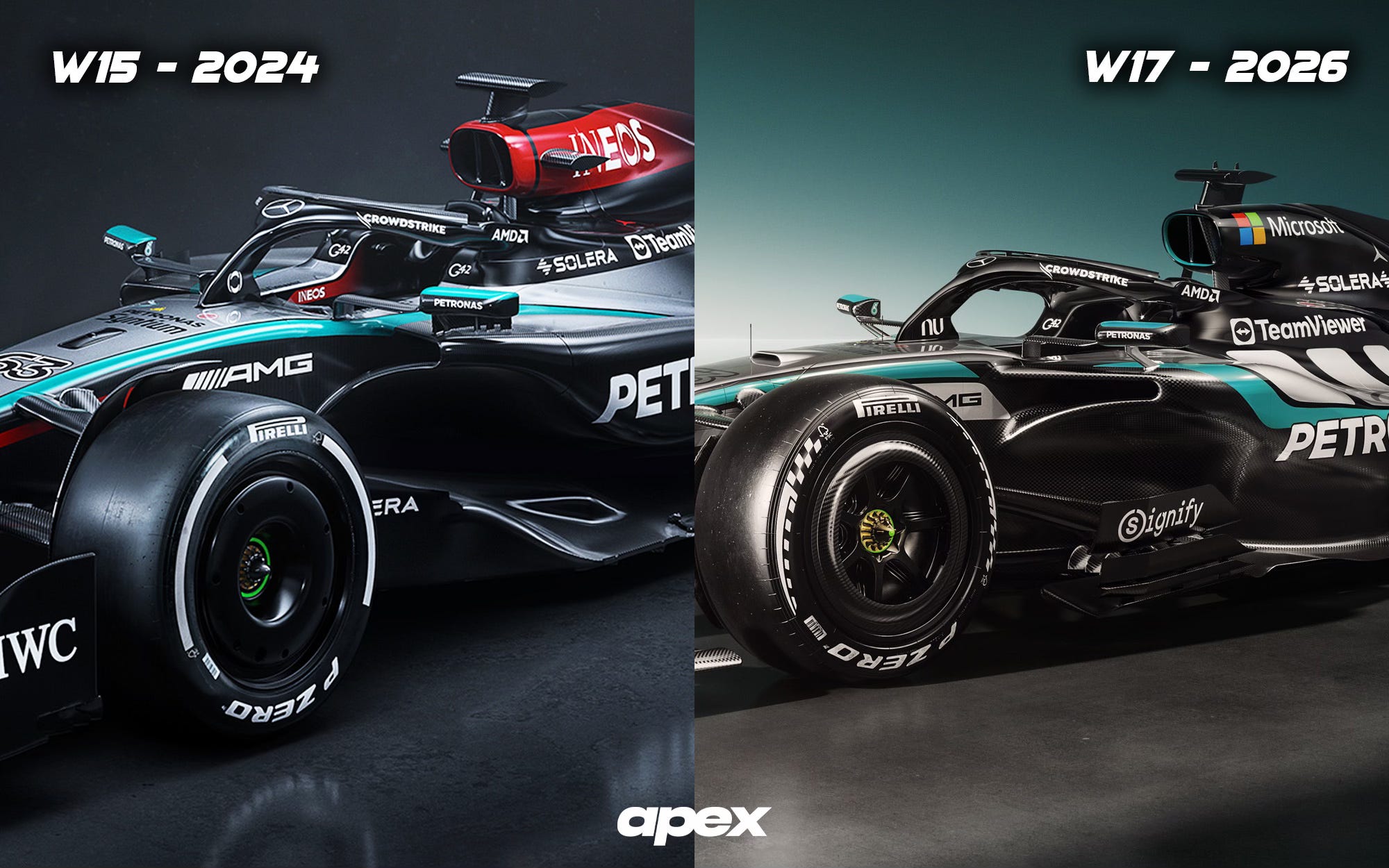
The sidepod shape in the renders also doesn’t follow the general convergence to a downwashing concept that we’ve seen so far, particularly from Red Bull whose appears fairly aggressive. Instead, the sidepod looks flat as it moves rearwards, with a slope upwards at the very rear that picks up the downwards slope of the engine cover.
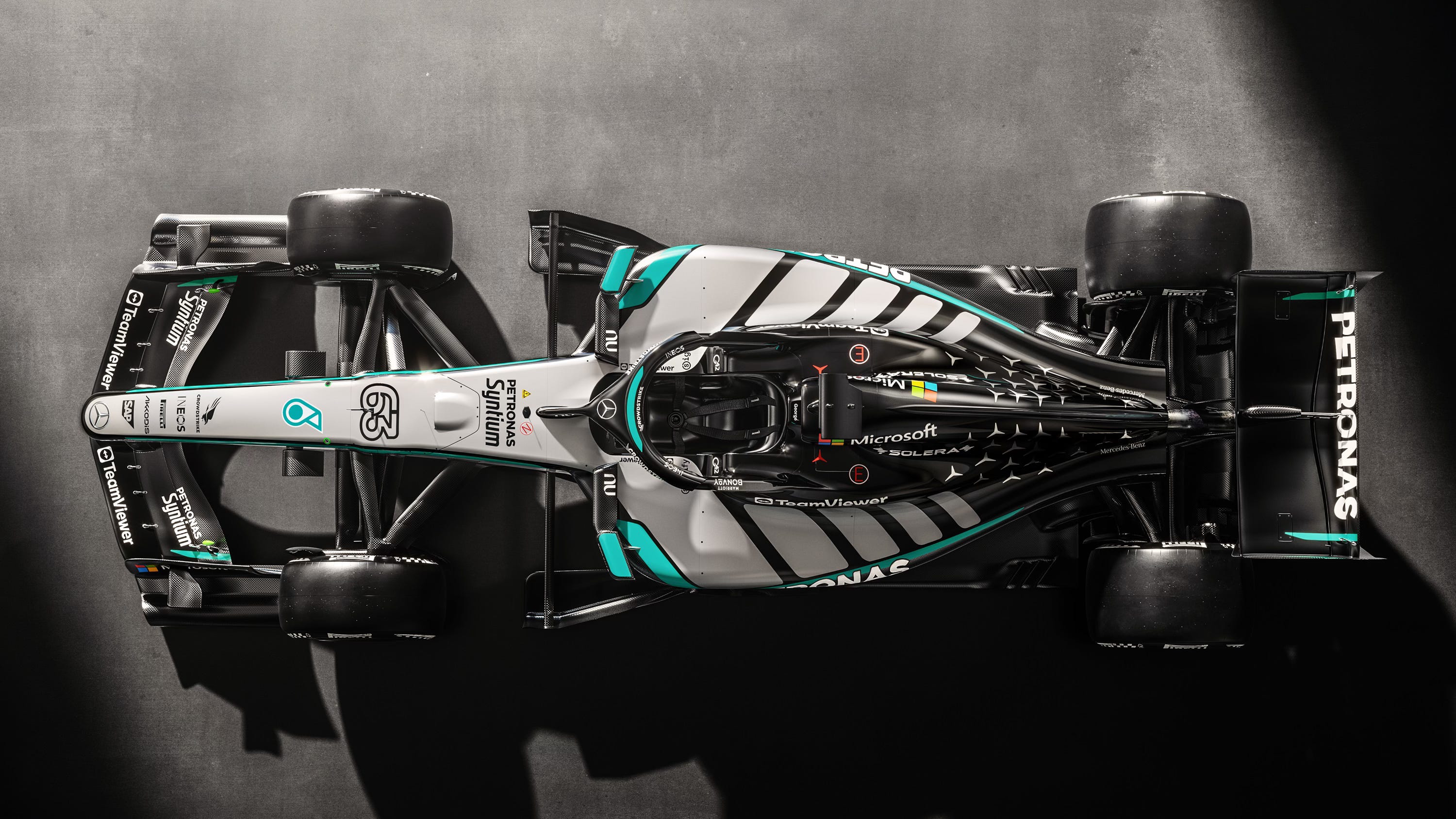
It’s a shape that, from above, creates an aggressive ‘coke bottle’ shape with a large area of exposed floor at the rear that also results from the undercut running the length of the floor edge. Speaking of that area of the floor, and past that flat section it also slopes upwards to the diffuser in a shape that echoes the slope of the sidepod/engine cover above it.
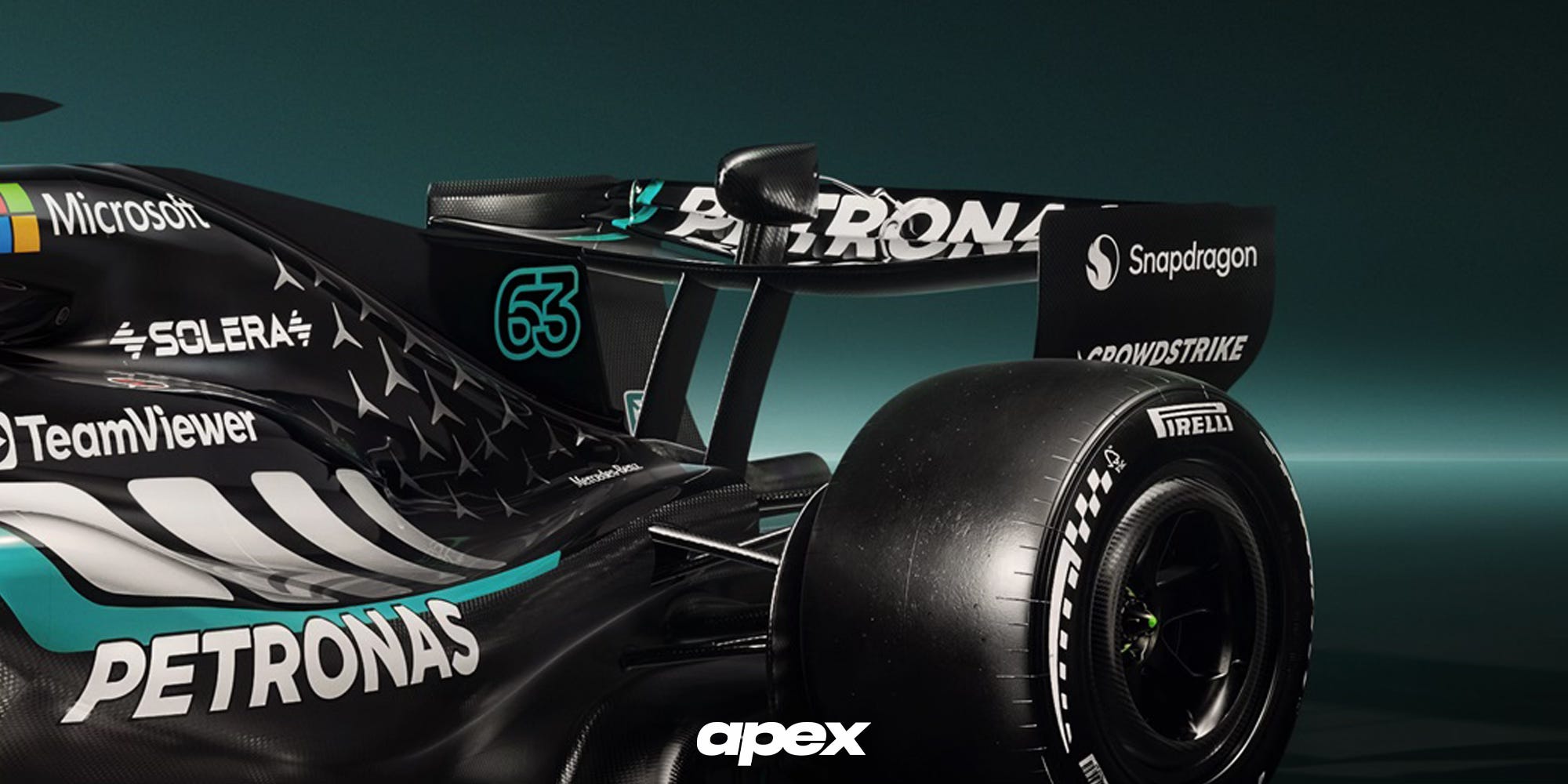
The rear wing looks on par with those we’ve seen already, with the main difference being the active aerodynamics actuator, which is by far the largest over the field at this point. At the front, there’s no real clues as to how Mercedes intend on controlling the active aerodynamics system.
First signs of development
Within just a few hours of these renders being launched, Mercedes took the W17 to the track at Silverstone and did away with secrecy - posting a video of the car leaving the garage for the first time on their social media.
Although in a number of places, the car running on track appeared to be the one shown in the renders, there were also already a key differences and signs of early development beyond the initial concept.
The main area of difference is that sidepod region where, in reality, the flat shape front to rear has been replaced by a shape providing not only an aggressive undercut under the inlet but also allowing the top surface to taper down as it flows rearwards - bringing it more in line with the downwashing concept.
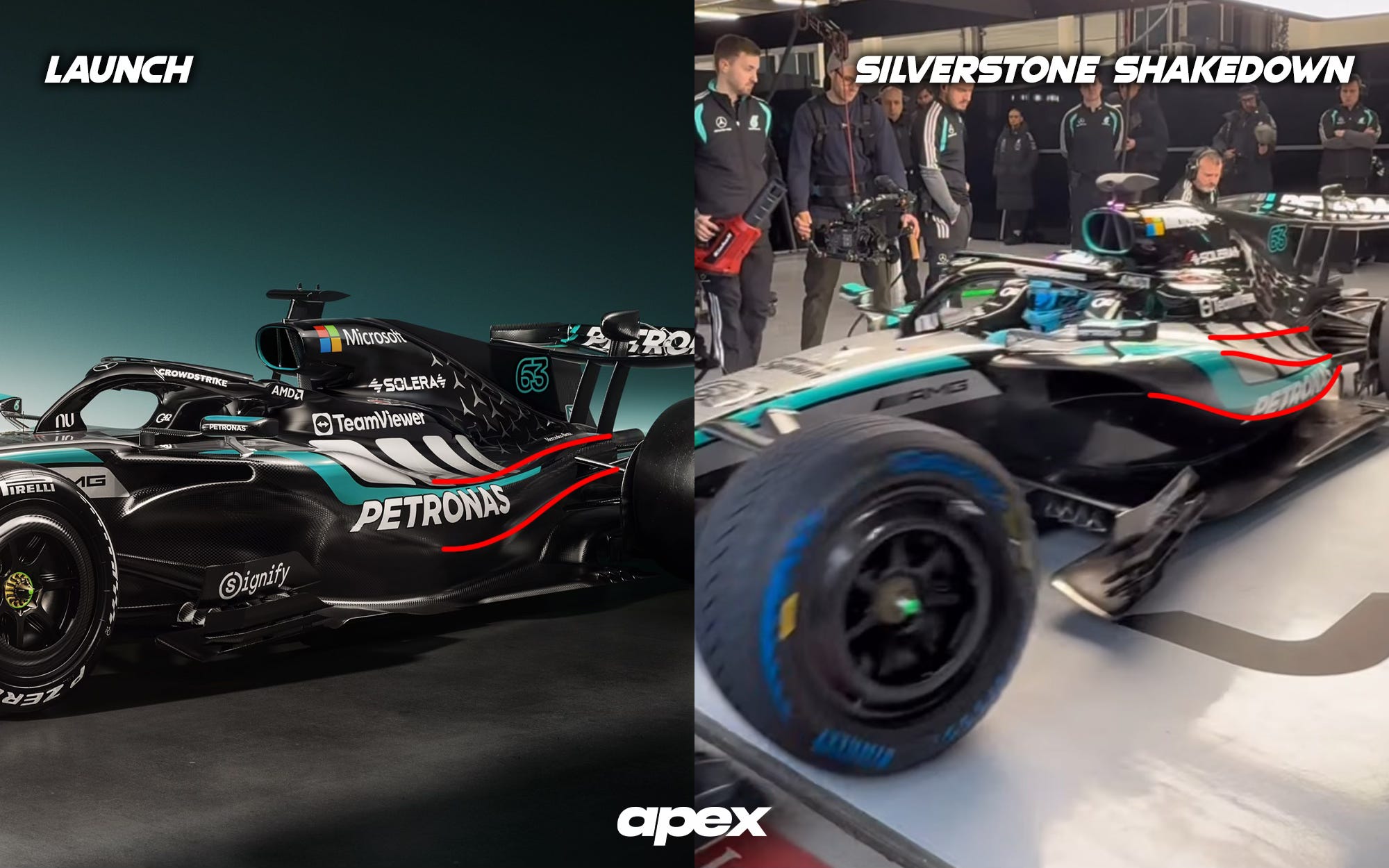
The inlet itself is also changed - the upper lip over it has returned, and the reverse P-shape is less exaggerated, giving way to a more open, wide shape.
What’s also interesting is how rapidly the engine cover slopes and narrows from the airbox above the driver’s head to the exhaust at the rear, as it leaves a larger, deeper sharkfin than we’ve seen on the Red Bull, VCARB, or Haas. Whether the team retain that size beyond their early running could depend on how susceptible it is to causing problems in crosswinds.
How quickly we’ve seen the launch concept turn to an altered one being run on track by Mercedes is a reminder of just how rapidly these cars are being developed and how different they could be at each stage of this pre-season phase, from filming days, to shakedowns, to testing, to race one.
This is only the very start of a very long process, something Toto Wolff spoke to as part of their launch materials: “we will continue to push hard in the months ahead” with “absolute focus across every are of performance”.