


There’s a palpable difference between the Williams James Vowles took over and the Williams team now, and their new FW47 car represents so much more than a potential on track improvement. Instead, it’s the culmination of their rebuild journey so far, making this launch season a real milestone and an opportunity to ask whether the James Vowles-effect is real…
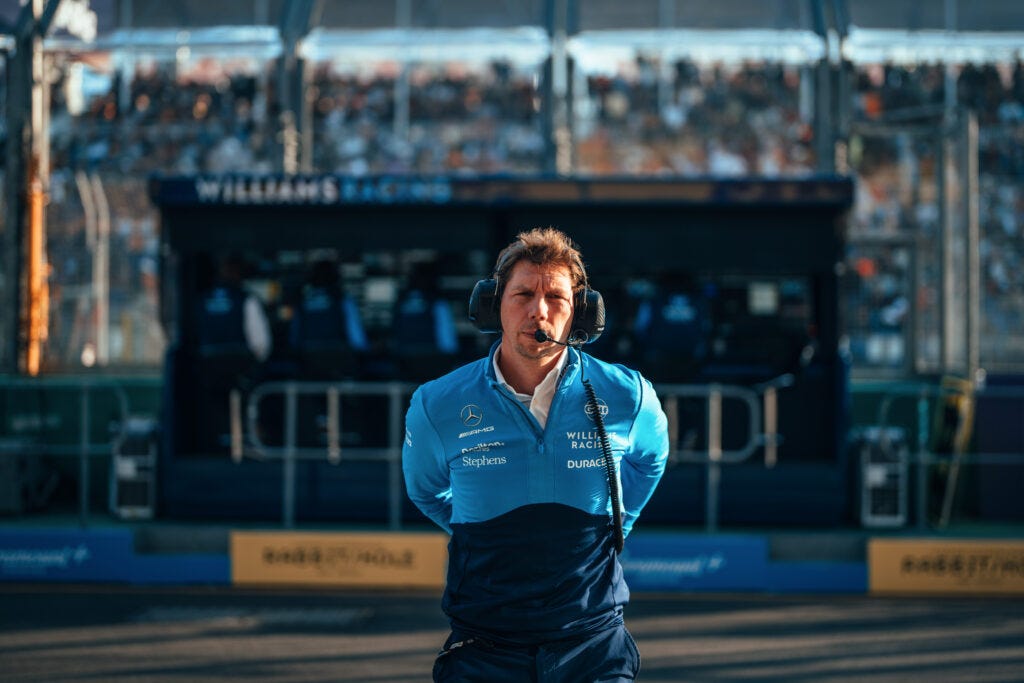
When James Vowles arrived at Williams in 2023, he was shocked to find that they’d been using an Excel spreadsheet to track their car build – a stark contrast to how things were done at the giant of Mercedes, where he’d come from.
It was reported that the spreadsheet itemised the entire car build package over 20,000 cell entries in a single document. In many ways this process seemed to represent the state of affairs as Vowles took over – the team was underfunded, underdeveloped and suffering on track as a result.
That last point is why Vowles revealed this to media and fans, to help them understand why the team had struggled to be more than inconsistent points scorers over 2023. It also pointed to the scale of the project he had taken on in vowing to get Williams back to the front.
2026, ‘27 and ‘28 became key time points in Vowles’ aims – and they still are – with the major regulation shift being a huge opportunity for the team to make moves up the grid. As such, 2024 and 2025 were and are about progress and improvement, but importantly without expectation. Vowles has consistently referred to these years as “the journey” and not the destination.
Significant work has been done behind the scenes to aid in this journey, with Vowles revealing that there have been changes in “infrastructure, culture, people” and the “commercial” side that mean their Grove factory is now a “different world” in his eyes.
“I can walk around the building and just see excellence that has race-winning pedigree all a part of our team now. I can see a change in what we’re doing…”, he explained to Autosport.
Though the team are still on that journey, these improvements are already being felt in their preparation for the 2025 season – including their car build – and it already seems to be a step up on last year.
Car weight became a symbol of sorts of where Williams were in terms of car build infrastructure and processes last season. They began 2024 with a car that was overweight to the cost of around 4-5 tenths a lap, estimated to equate to around 15kg. This was the case at least until Imola where weight-reducing upgrades were brought in.
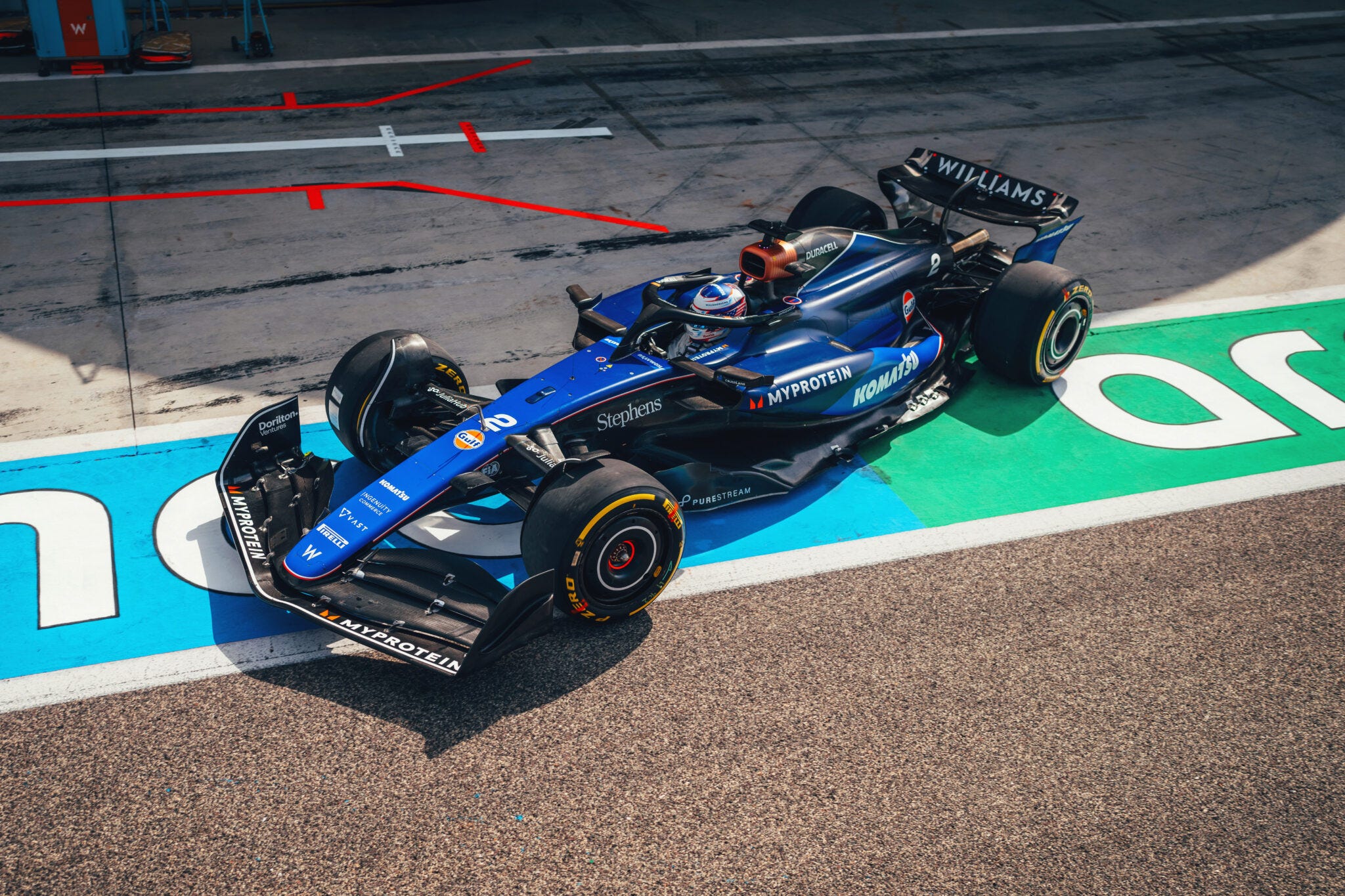
But interestingly, this problem was actually a result of car build process changes in the search for longer term benefits. Williams took 14kg out of the chassis over the winter, but as a result of the time this took had to add an “enormous amount of weight” back in through the use of metal parts rather than the optimal carbon fibre.
While this of course cost them lap time, Alex Albon also later commented that it could have impacted the amount of damage they suffered in early season crashes. Heavier parts mean more force through the monocoque in the event of an impact, and the team had no spare chassis early on either. At the Australian Grand Prix, for example, this meant the team had to sideline Logan Sargeant to give his chassis to Albon as the damage his had suffered in a practice crash was too extensive.
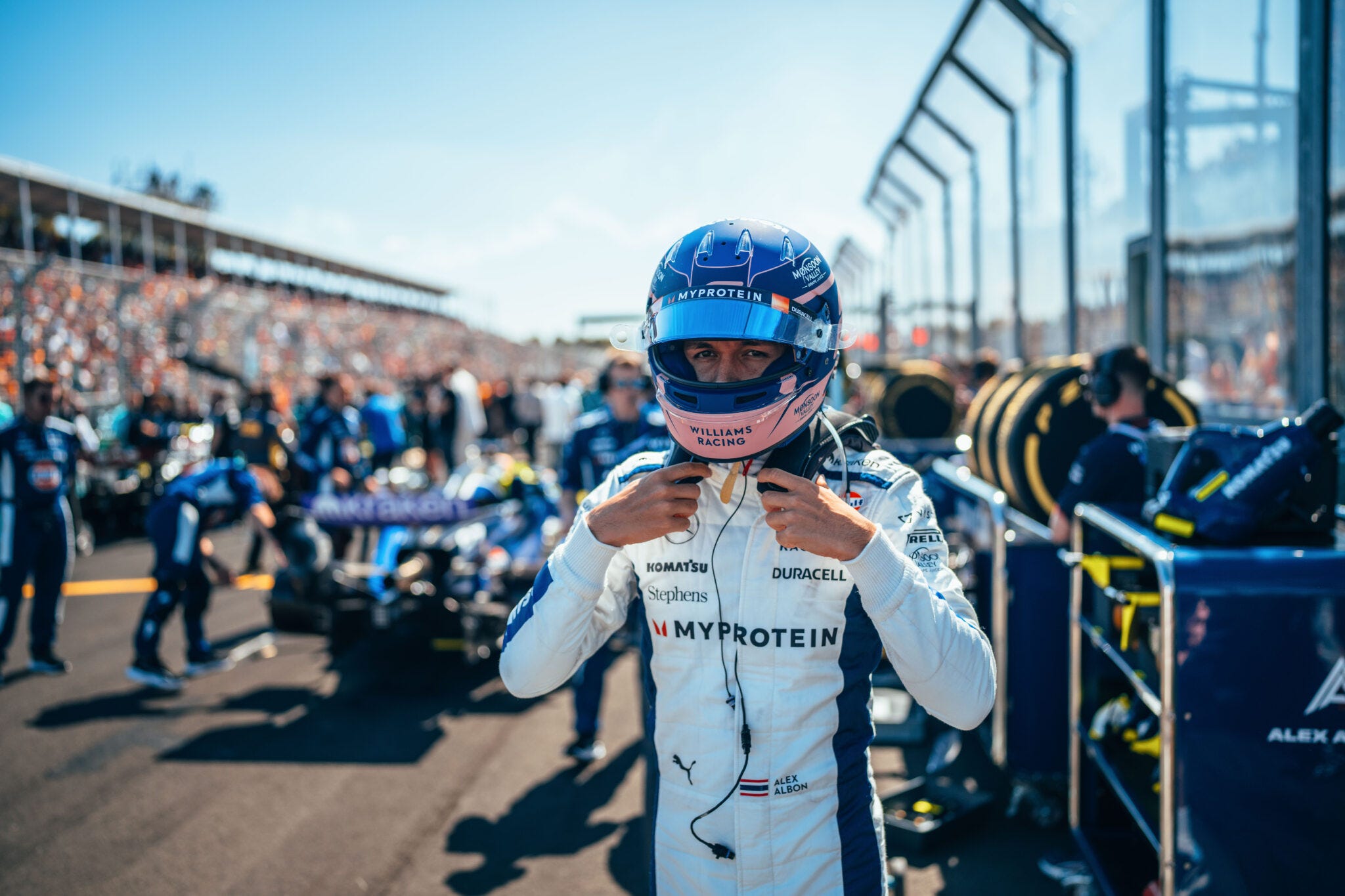
But this year, the FW47 is on weight from the outset. This will not only impact performance and lap time from the get go, but also their bandwidth for development over the early stages of the year as upgrades can be focused on performance not weight reduction.
