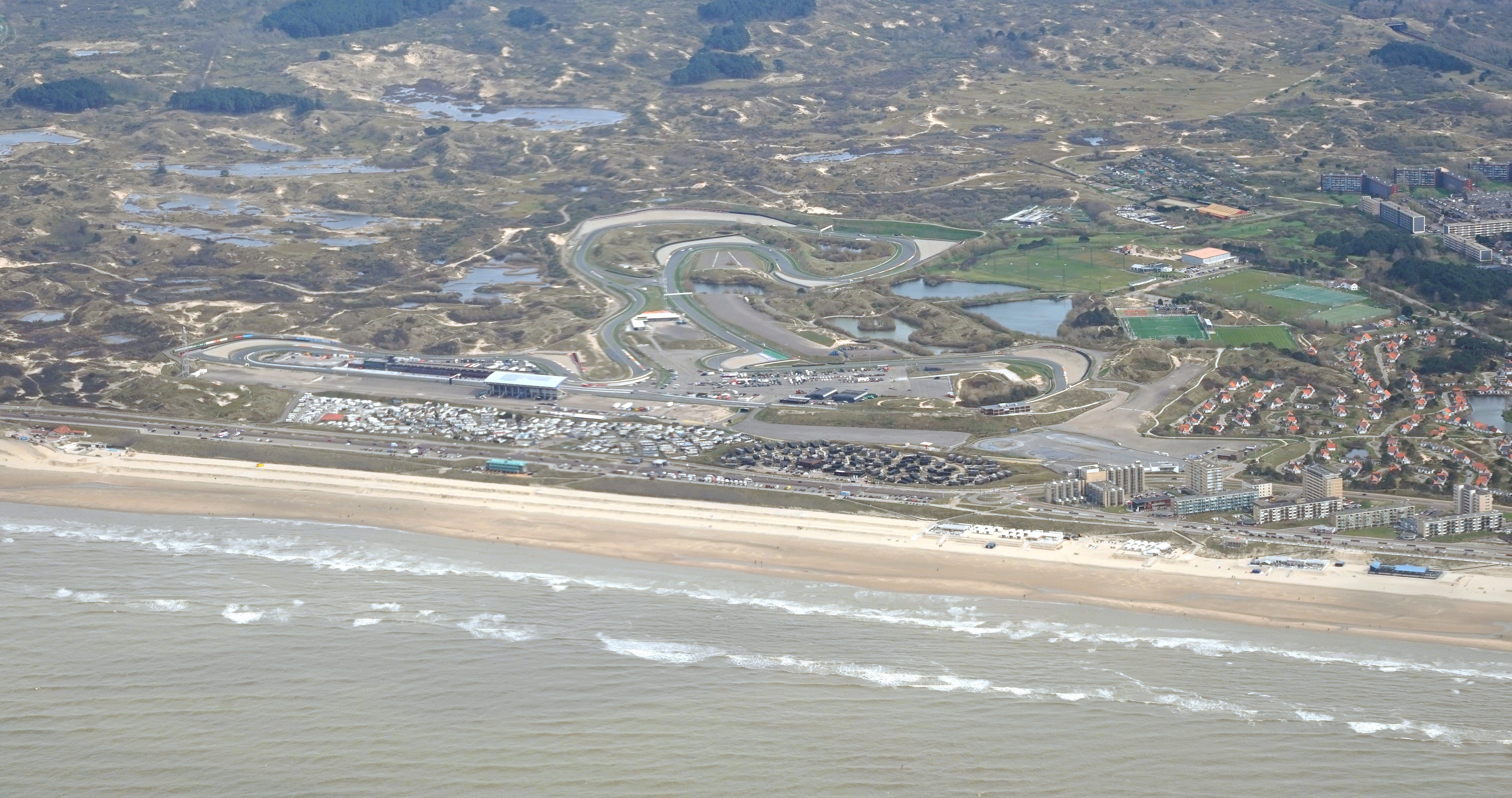
Welcome to your technical preview ahead of the Dutch Grand Prix!
After three weekends of no racing, it’s time to get this F1 championship back on track and we do so with one final lap around Zandvoort before it unfortunately falls off the calendar.
From 1952 through to 1985, with a few exceptions, it was a staple of the season but after falling off the calendar last time as the company who ran the circuit went out of business, it took a complete refresh of the layout and until 2021 for its comeback, fuelled by the rise of a the Dutch home hero, Max Verstappen.
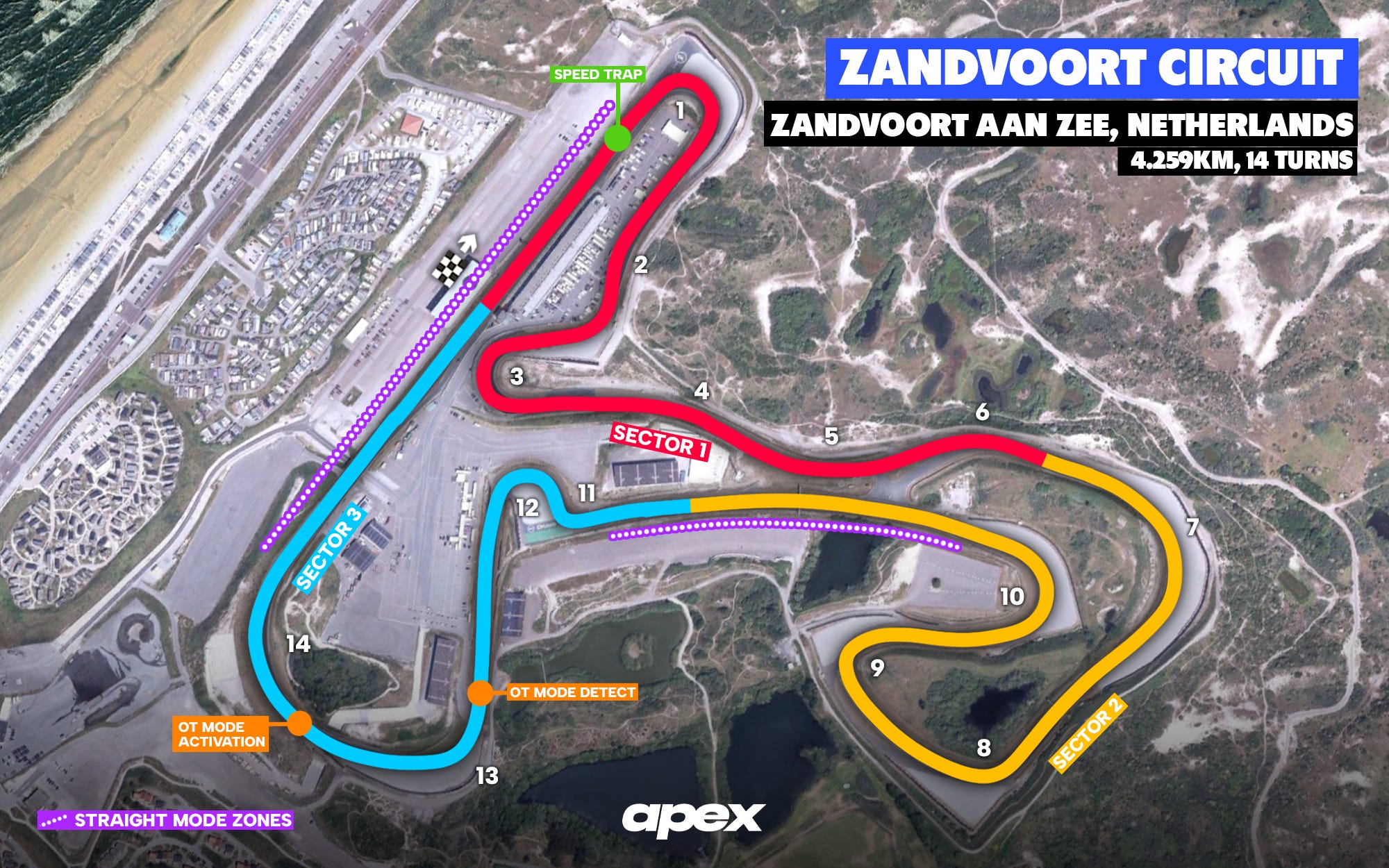
Since then it’s cemented itself as a firm driver favourite circuit, but also fan favourite event, with the whole thing feeling like a festival in the dunes and more of a continuation of the summer break than a race weekend! The addition of some significant, 18/19-degree banking at turns 3 and 13-14 before F1’s return, on the recommendation of the late race director Charlie Whiting, gives the lap a rollercoaster-like feel, with the flowing, constant cornering in and out of the dunes helping with that too. This year, for the first time, it’ll also play host to the Sprint format.
Perhaps unsurprisingly given how his dominant period coincided with the return of his home race, Max Verstappen has been the most successful driver at Zandvoort since 2021 - earning three wins and two P2 results from the five grands prix, and starting all five from top three grid places.
But it has been a while now since we’ve had a home race winner, in fact over a year since Lando Norris took to the top step at Silverstone. Could that change this weekend?

Zandvoort is anticipated to sit in a similar energy recovery range as Budapest, given its lack of long straights (aside from the main, pit straight) and the frequency of tighter, slower corners over the lap, especially in sector two.
Alongside that, any of the flat out runs - for instance through the flowing left-right-left of turns 4 through 6 - are fed into by relatively slower corners, like the banked turn 3 of Hugenholtzbocht which last year was taken at a minimum speed of 150km/h. We could expect that minimum speed to drop more this year in order to allow the drivers to maximise recovery, though the banking means it can’t drop too much!
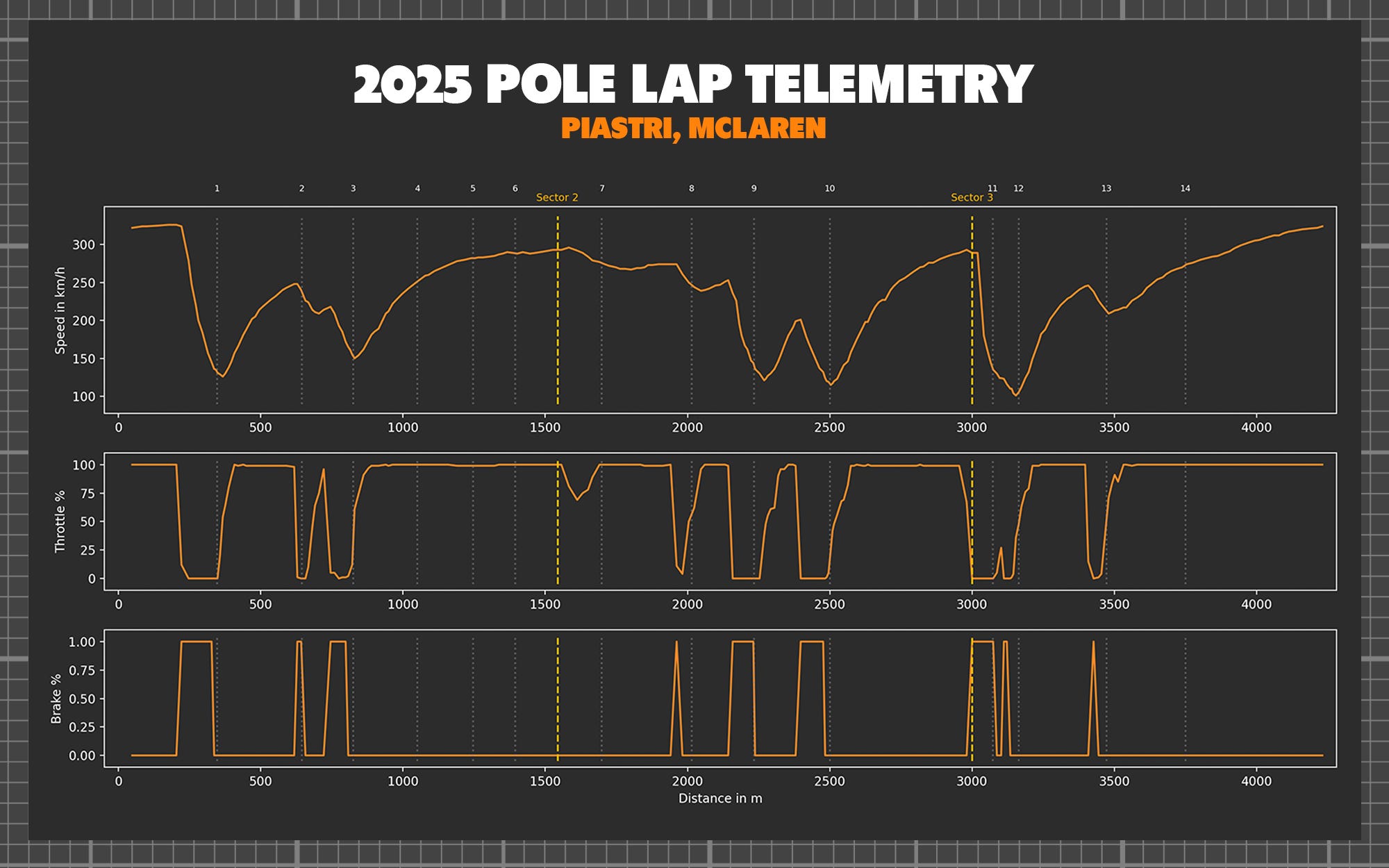
The balance over the lap will favour deployment over recovery which will mean minimal use of techniques like lift-and-coast or superclipping, and that could generate a more ‘normal’ feeling weekend where energy is less of a topic, as was the case in Budapest before the break.
The FIA are allowing just shy of the full 9MJ recharge allowance in the sprint and race, with the limit set at 8.5MJ. For qualifying and sprint qualifying that will drop to 7.5MJ.

High Downforce
With a similar energy profile to Budapest comes a similar downforce profile too - high - given the emphasis the lap places on cornering and sustaining grip throughout the 14 turns. However, unlike Hungary, that has to be balanced with the management of bottoming which is a constant consideration for the teams here given Zandvoort’s elevation changes, and of course the iconic banking.
Bolting on the downforce this year is much less of a balancing act than it used to be given that we now have straight mode to take the drag off and there’ll be two of those zones this weekend. Admittedly, at a track like this and at Budapest too, that balancing act is already a much smaller consideration than it needs to be at Silverstone, for instance.
Iconic Corners
Turn one, or Tarzan, has been a feature of the circuit since the very start and while it’s no longer the most severely banked corner around the lap, its more subtle angle and it being a 180-degree hairpin means different lines can be taken on race day and, at least historically, that makes it a really common overtaking site.
That promotion of different racing lines is also something that the designers considered when ramping up the banking at turn 3, or Hugenholtzbocht, which is banked to 18-degrees. Over a qualifying lap, the drivers will largely run the higher, wider line to prioritise the exit as it flattens out, allowing them to get back on the power sooner. However, taking that too wide can mean running on the painted strip and that can be costly for grip, as Lewis Hamilton found out last year.
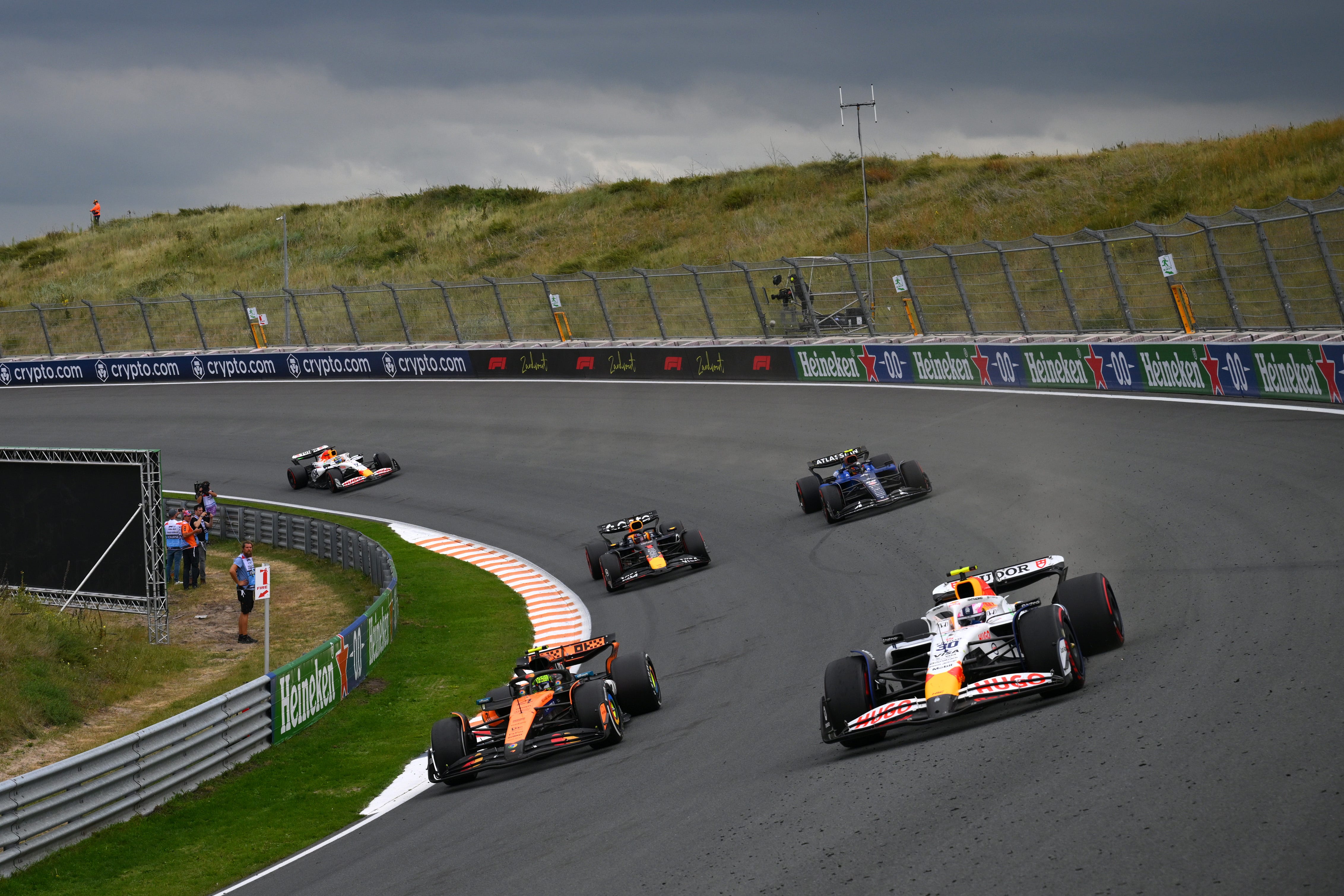
The most significant banking is actually at the two corners that conclude the lap, turns 13-14 or Arieluyendykbocht, which together form another, much wider, 180-degree hairpin, banked at a whopping 19-degrees by the second part. To put that in perspective, it’s 2.1x the angle of the banking at Indianapolis Motor Speedway. It gives a slingshot feeling as the wider radius means the drivers can take it easily flat-out as the surface grips up, and therefore arrive on the 690m long main straight on the power.
Adapting to changes
Adaptability is something we usually talk about when it comes to street tracks, but it’s a big consideration, particularly on the driver side, here at Zandvoort quite simply because of its setting.
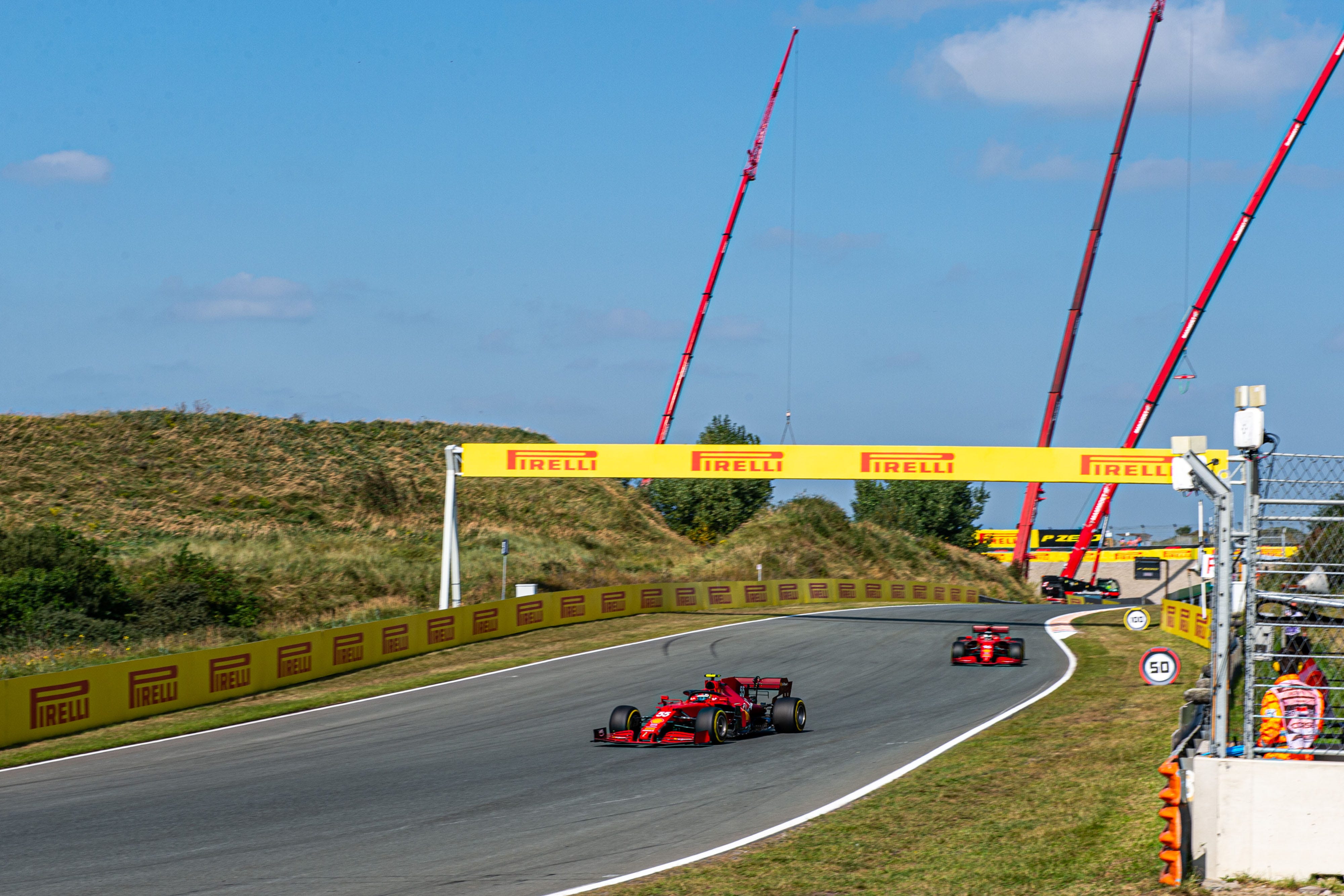
Being nestled in the dunes next to the North Sea brings a few challenges - the sand for one, which frequently blows onto the track, the wind, the generally low temperatures, and the pretty high potential for rain. And none of that is ever static, and neither therefore is the track evolution.
The conditions can change not just day to day in a linear fashion, as we might expect as the rubber gets laid down on a typical weekend, but session to session and often regress as well as progress.

As was the case last year, Pirelli are bringing the C2 as the hard, the C3 as the medium and the C4 as the soft this weekend, which this year sits in the very middle of the range.
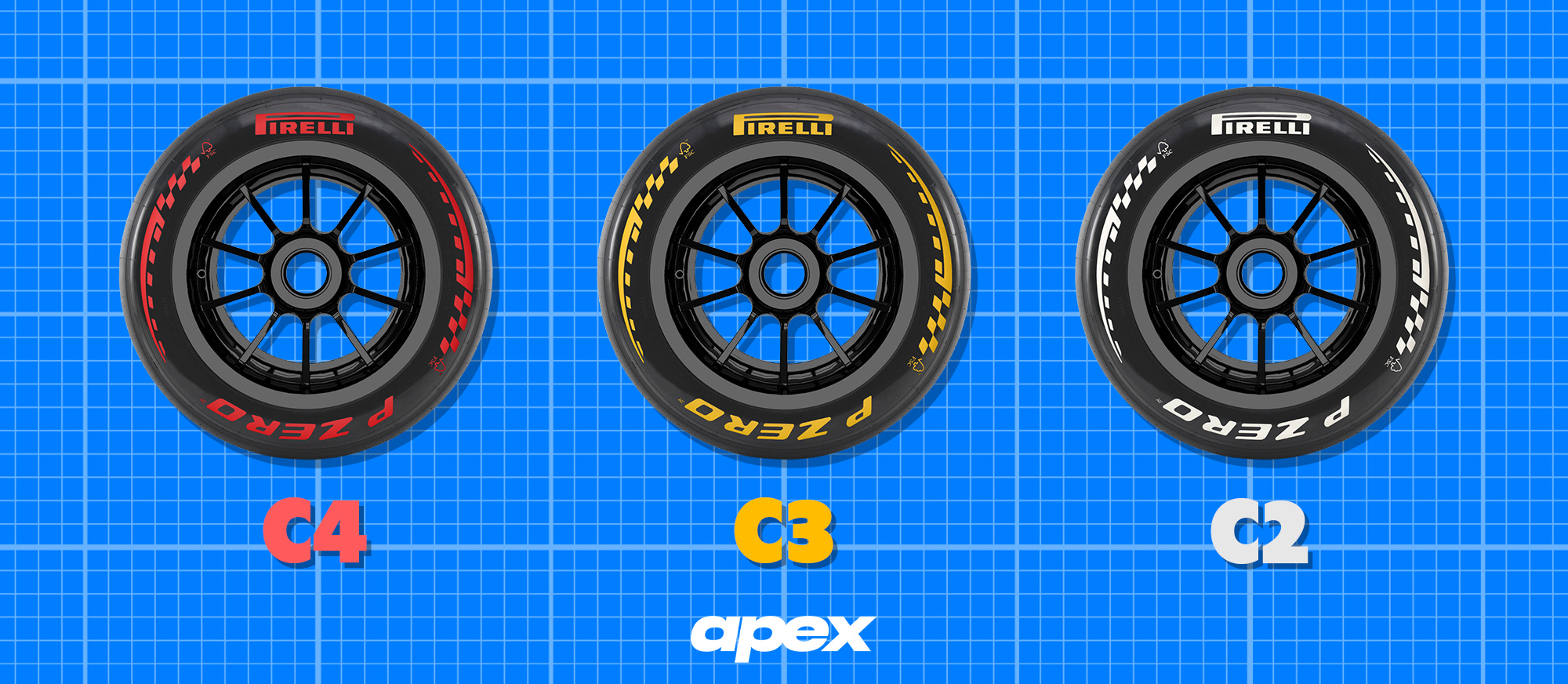
It’s a choice they’ve arrived at with the generally lower grip asphalt of Zandvoort, even with those conditions challenges aside, in mind, balanced with the high demands this track places on the tyres which would steer the selection away from sitting any softer than this. In fact, from 2021 to 2024, Pirelli brought the hardest compounds to this race.
And that speaks to just how demanding Zandvoort is on tyres. It’s a high lateral energy density track, meaning the tyres are subjected to high lateral loads owing to the sheer number of corners, some of which are higher speed. But on top of that, it’s an energy load that biases towards the front axle, and is also asymmetric - leaning much more on the front-left - which can make managing sliding a key concern.
Come the grand prix, it’s that front left wear that could be a limiting factor and something that drives degradation, alongside overheating which could still be a factor even in the cooler, seaside location. In qualifying though, tyre preparation is a key consideration with out-lap management and traffic management being vital but tyre cooling will also be a factor between runs, with drivers expected to even need double-cool laps.

The move from the hardest possible compounds to a range that’s a step softer into 2025 was made by Pirelli with strategy in mind, and it worked in increasing the use of the two-stop while maintaining a competitive performance level over all three compounds.
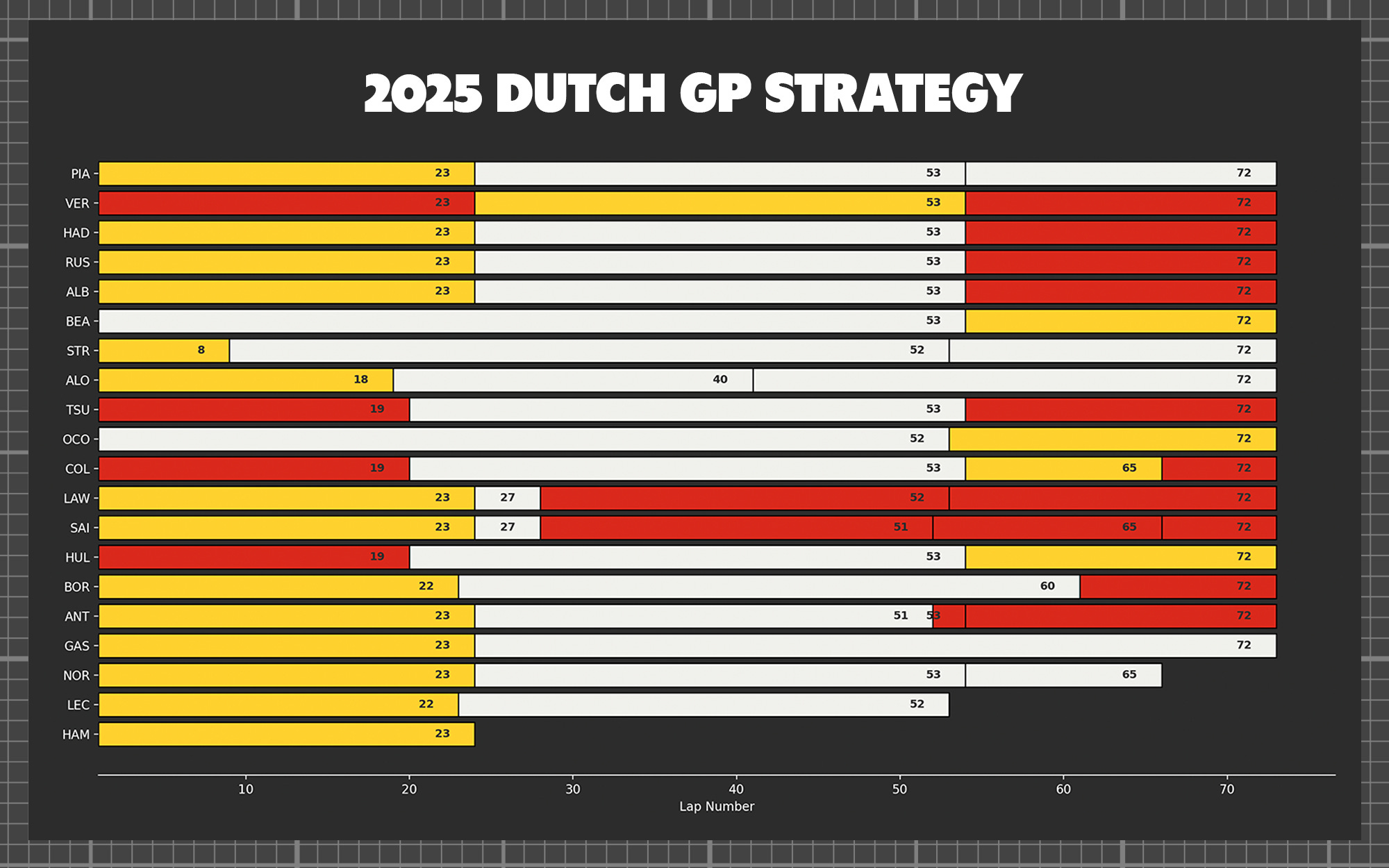
Generally last year the medium was the favoured tyre for an opening stint, with the first safety car neutralisation on lap 23 prompting most of those medium starters to come in and box. In the majority of cases, that was for the hard tyre which was the real workhorse of the grand prix, doing 48.28% of all laps as all but one of the two-stopping drivers did at least their middle stint on it, with Verstappen being the exception. However, it was also taken longer by both Haas drivers who opened on it and ran 52-53 laps before boxing for a medium later in the race and by Gasly who ran the inverse of that.
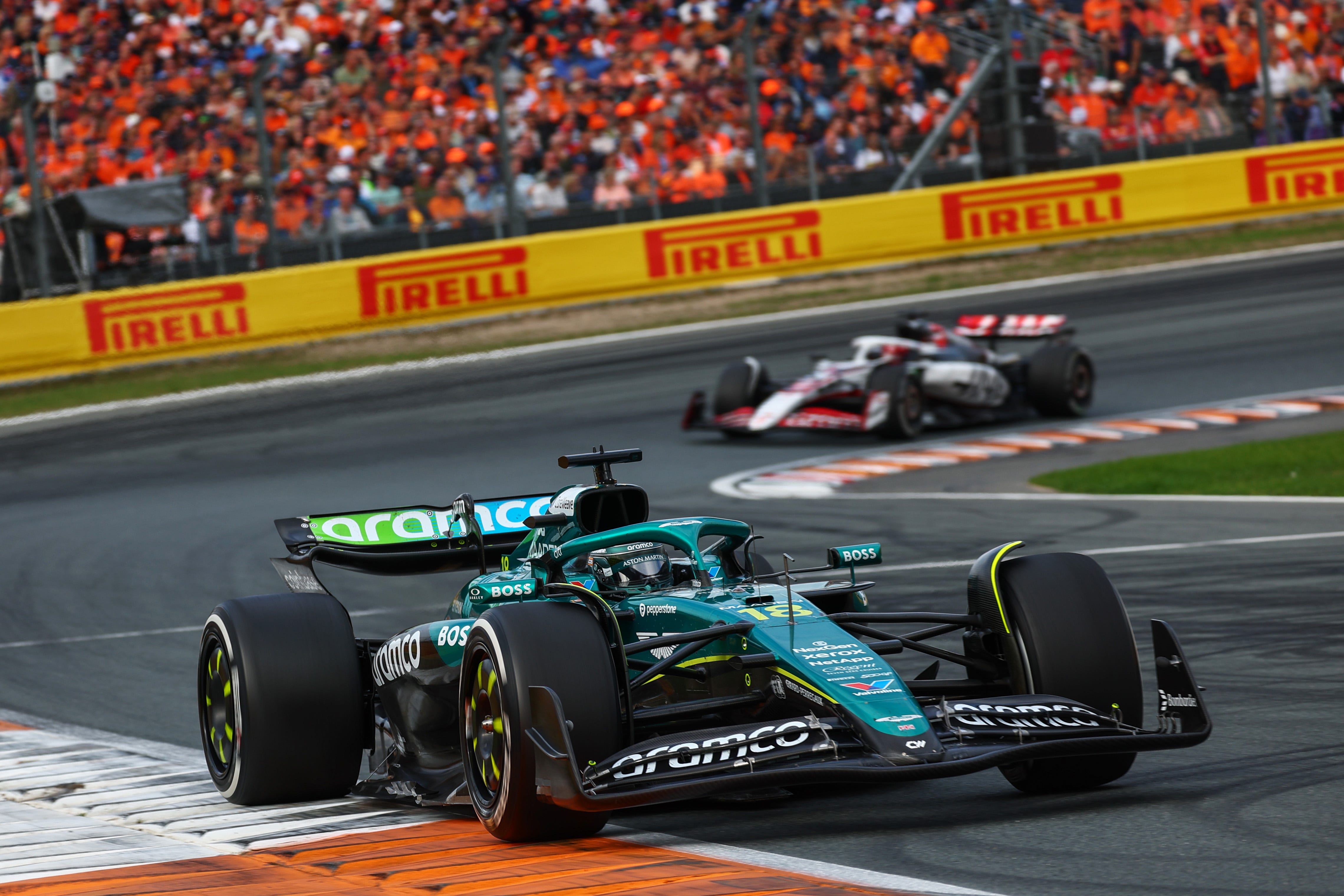
Teams who had saved two sets of the hard for Sunday were able to benefit from using an additional hard set to run to the end after the second safety car period, from lap 53, including the McLarens and the Aston Martins. They were in the minority though, which pushed a number of drivers into fitting a soft, new or used, to get to the end from there and its performance being at a similar level to the medium allowed for those ~20 lap stints, alongside of course the lighter fuel loads at that stage.
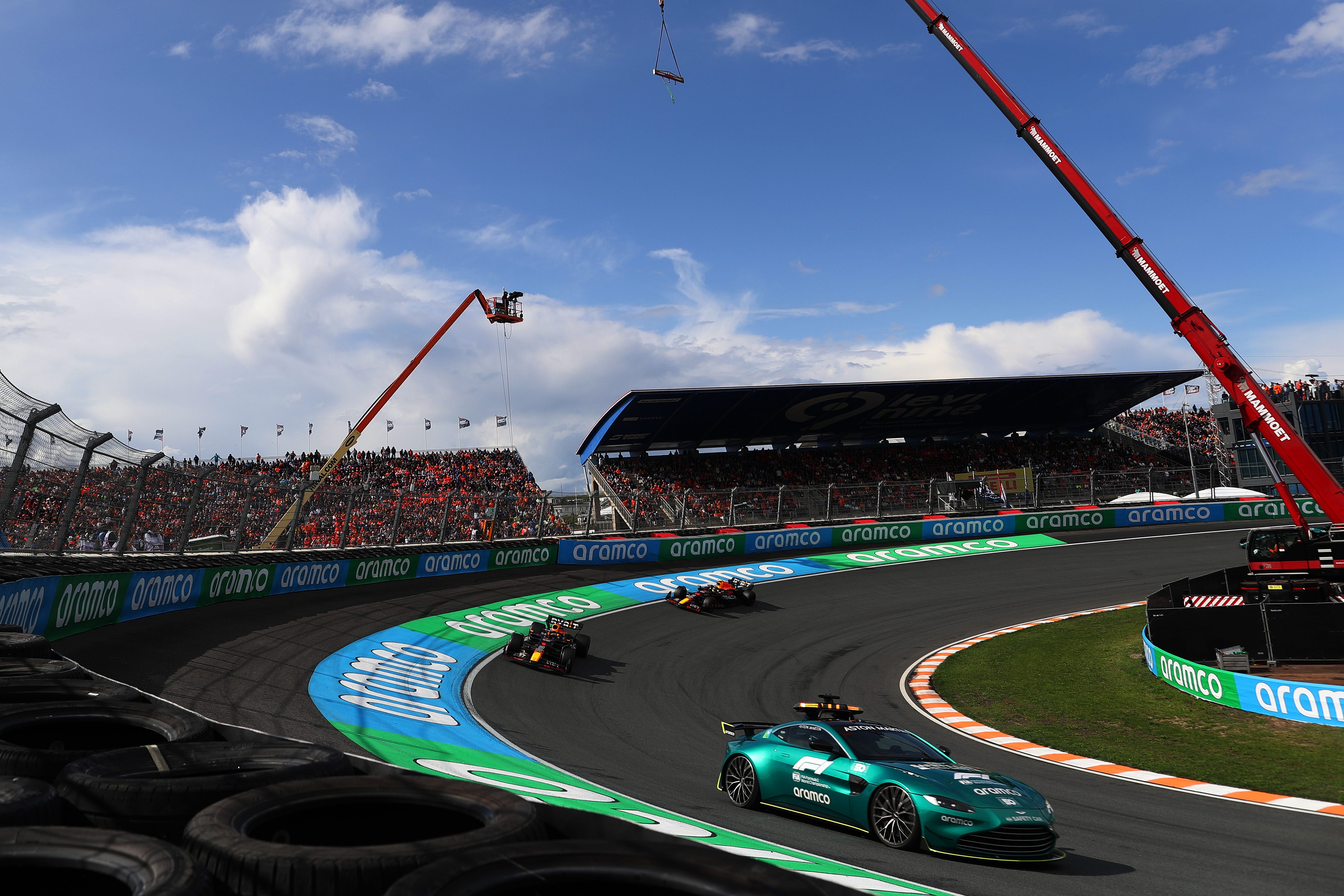
Heading into this year, with the same tyre range on the table, albeit with very different cars and different constructions to those tyres, the two-stop is expected to be the dominant strategy. This year there is also the sprint format to contend with, and provided that remains a medium-tyre race, as is anticipated, then the teams should save two sets of hards for Sunday’s grand prix. But there may well be a fine line between it and the one-stop and the difference could well come down to maximising the opportunities thrown up by neutralisations, which are not uncommon here - with a 60% chance of a VSC and full safety car too.

While we came into Budapest, a track with a number of similarities to Zandvoort, expecting Ferrari to be the dominant force, by the end of that weekend it was McLaren who found the superior pace both over a single lap and on race day. And that, alongside their past record at the Dutch Grand Prix over the last two years, makes it hard to look past them as the potential favourites.
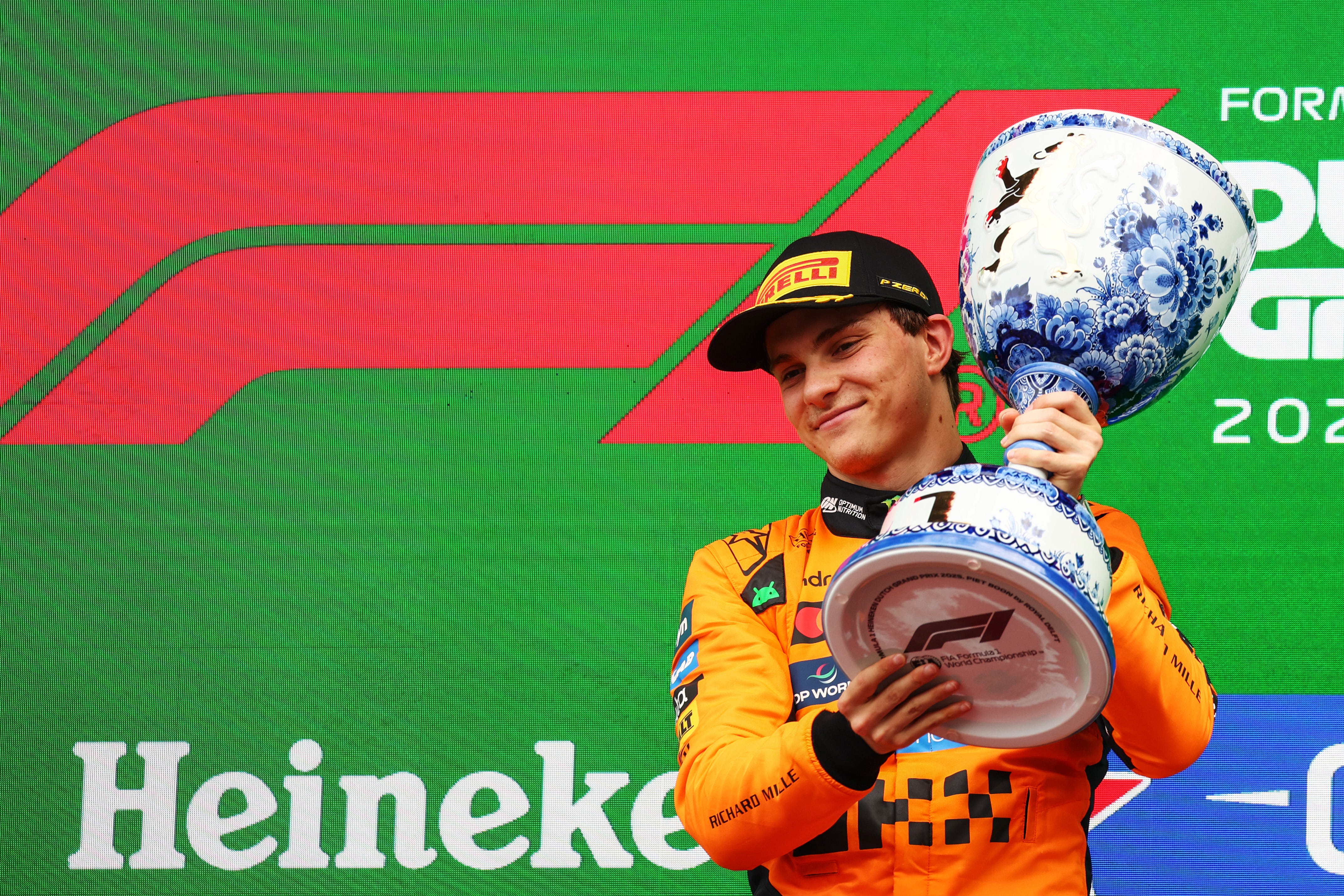
Oscar Piastri will come into this one wanting to right the wrongs of Hungary where he took an early lead over Lando Norris but came off worse when it came to strategy and pace more generally, before DNF’ing in the late stages. He’s also the defending Dutch Grand Prix winner. Equally though, Norris will be looking to continue the run of form he showed before the summer break and has also shown in Zandvoort before when he took his dominant win here in 2024, and that could create an interesting intra-team battle if they do emerge as the front runners again.
But, Ferrari’s characteristic strength at these twistier, higher downforce tracks surely won’t have gone away completely and it’s going to be fascinating to see how their build of the weekend differs to Budapest’s, where they started off strong and tapered off come qualifying and the race. In fact, it was that tapering off that made Red Bull and Verstappen their closest rivals in Hungary, something that could well continue here unless Red Bull continue the upwards trajectory they look to have been on before the summer, albeit somewhat against the odds.
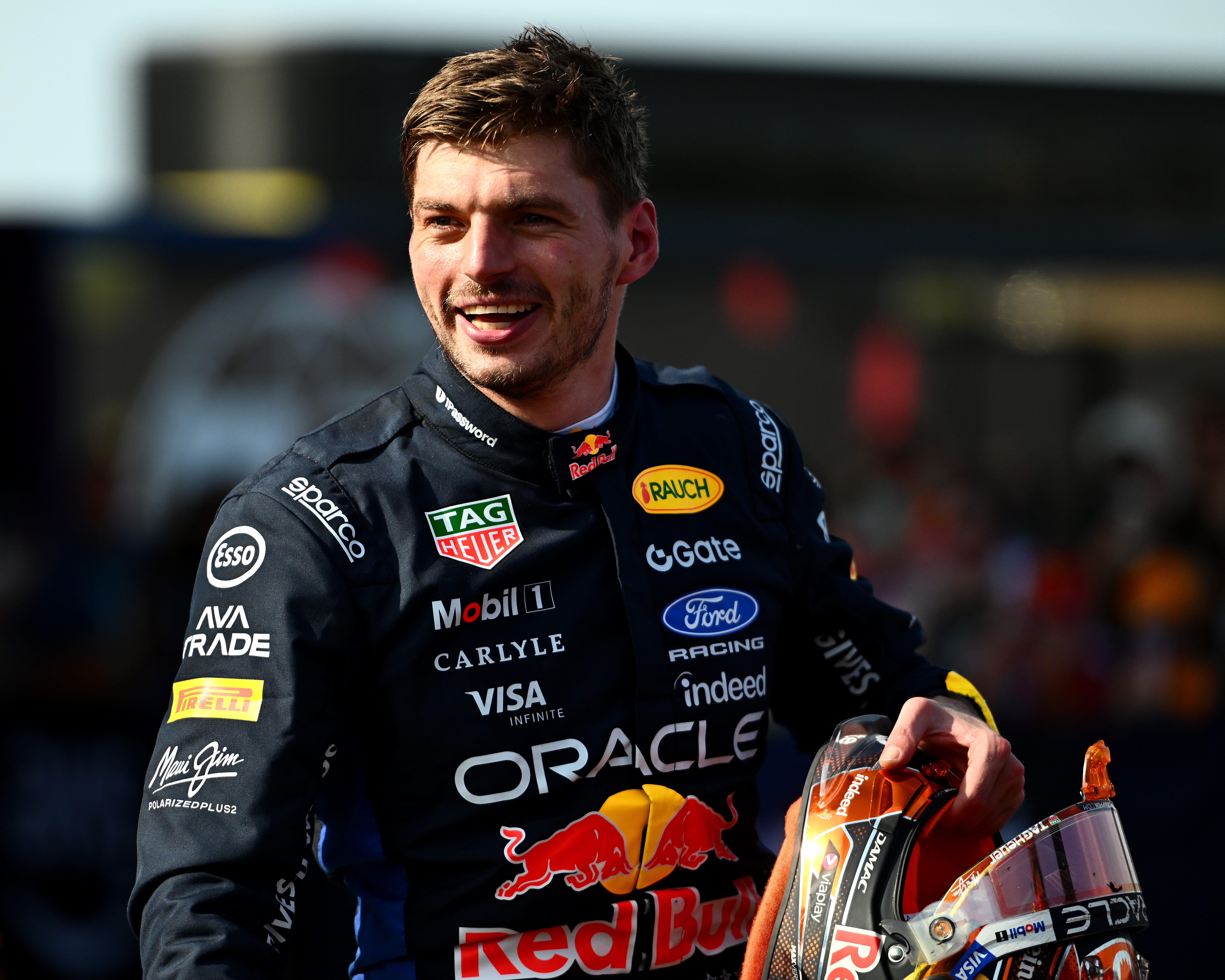
They faced a number of issues with the RB22’s balance over that Hungary weekend which persisted into the race. But Verstappen was able to overcome them to finish on the podium for the third time in four races, much to his own surprise, via the bold and decisive calls the team made at each of the race’s pinch points. He said post-race that they need to “be a bit more solid all-round in the second half of the season”, and this weekend will be the first test of whether that looks on the cards.
While Mercedes were the team to beat on the whole over the first half of the year, they were more anonymous over the Budapest weekend than we’ve become used to them being, with the circuit characteristics not really suiting their deployment-focused, higher speed strengths. Antonelli was able to take a podium, settling for an uncharacteristic P3 place, but Russell was further back after having suffered an issue at the start that made his race one of recovery. With Zandvoort sharing a number of Budapest’s characteristics, it’s going to be very interesting to see how Mercedes do, as they’re now all too aware of the fact that their rivals have closed the gap down to them.
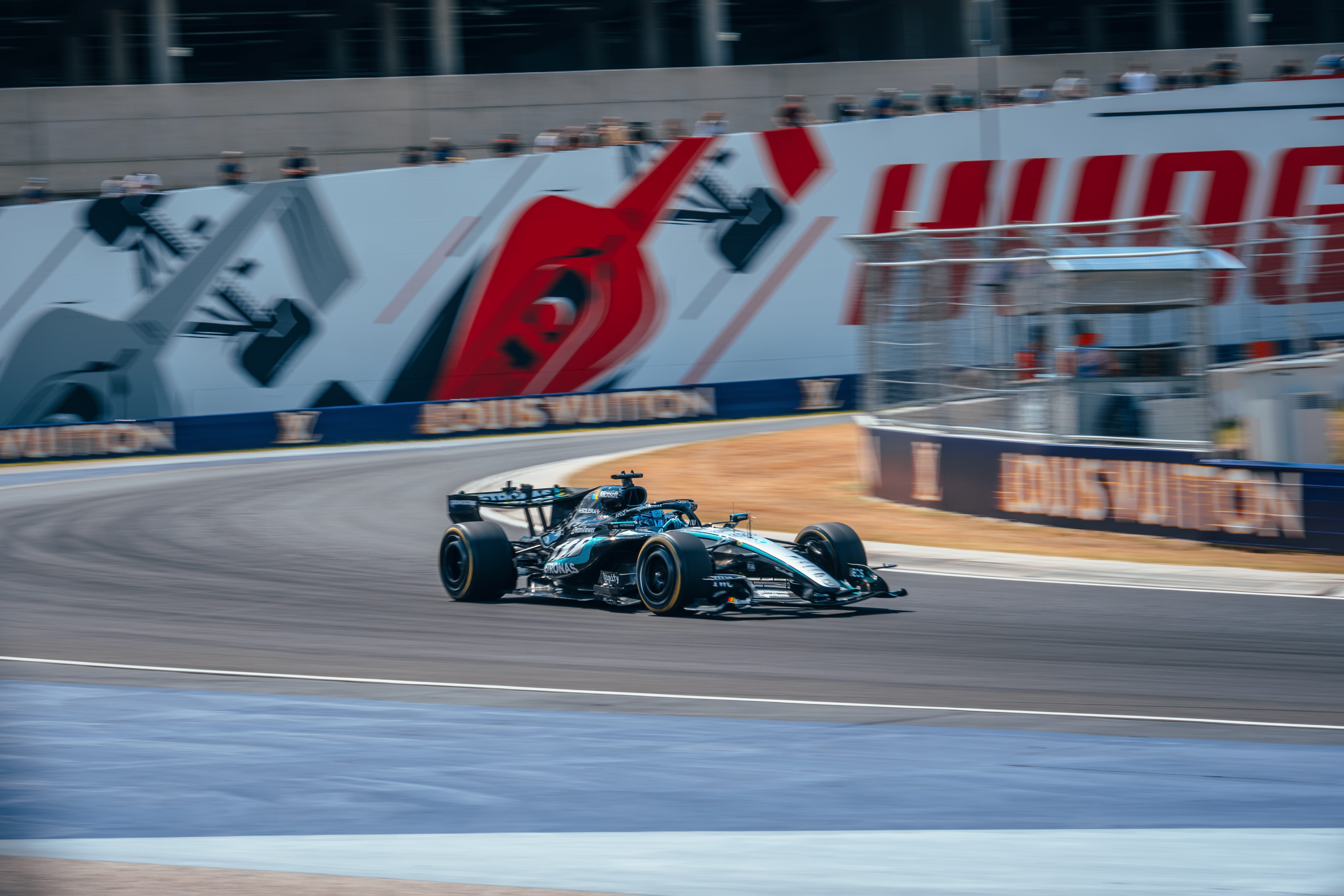
Further back, the midfield battle is hotting up too as Racing Bulls took P5 in the standings from Alpine right at the buzzer before the break. They are set for a bit of potential disruption to the momentum both Lawson and Lindblad had been building over the first half of the year, as Isack Hadjar’s wrist injury means he’s out for this one and so Lawson has been elevated to Red Bull with Yuki Tsunoda returning to Racing Bulls in his place. Given that Tsunoda hasn’t driven this era of car before, and faces adapting to it with just the one practice session, it could be trickier to keep the double points run going this weekend. That could favour Audi who emerged as their closest challengers before the break, already capitalising on Alpine dropping back.
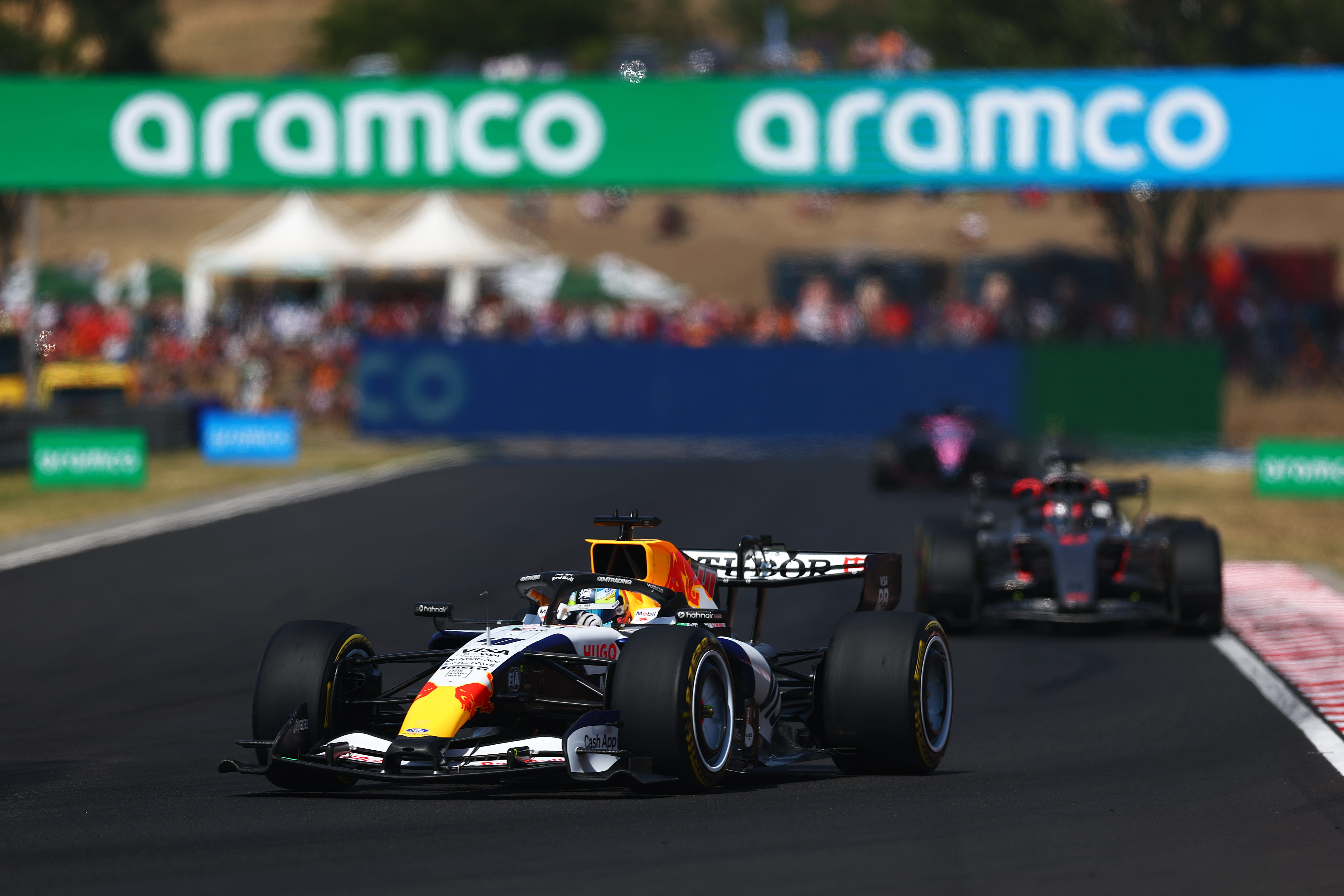
Perhaps aiming for one of the two points earning chances this weekend will be Aston Martin, who arrive in Zandvoort with their long-awaited “spec two” Honda power unit ready to go in the AMR26, fresh from its own “b-spec” upgrades last time out. They worked in cutting their race pace deficit to the fastest team in half from where it had been over Spa and Silverstone, with Fernando Alonso also able to qualify in the top 16 for the first time all year.
While Honda haven’t been open about the gains they anticipate this power unit bringing numerically, they have said that it’s an ADUO update focused on the internal combustion side of the power unit and that they’re “excited” by the potential, according to their Chief Engineer Shintaro Orihara. If it can bring a similar step in performance as the chassis changes did, they could split further away from Williams and Haas and closer to the back of the “racing field”, as Honda have put it.

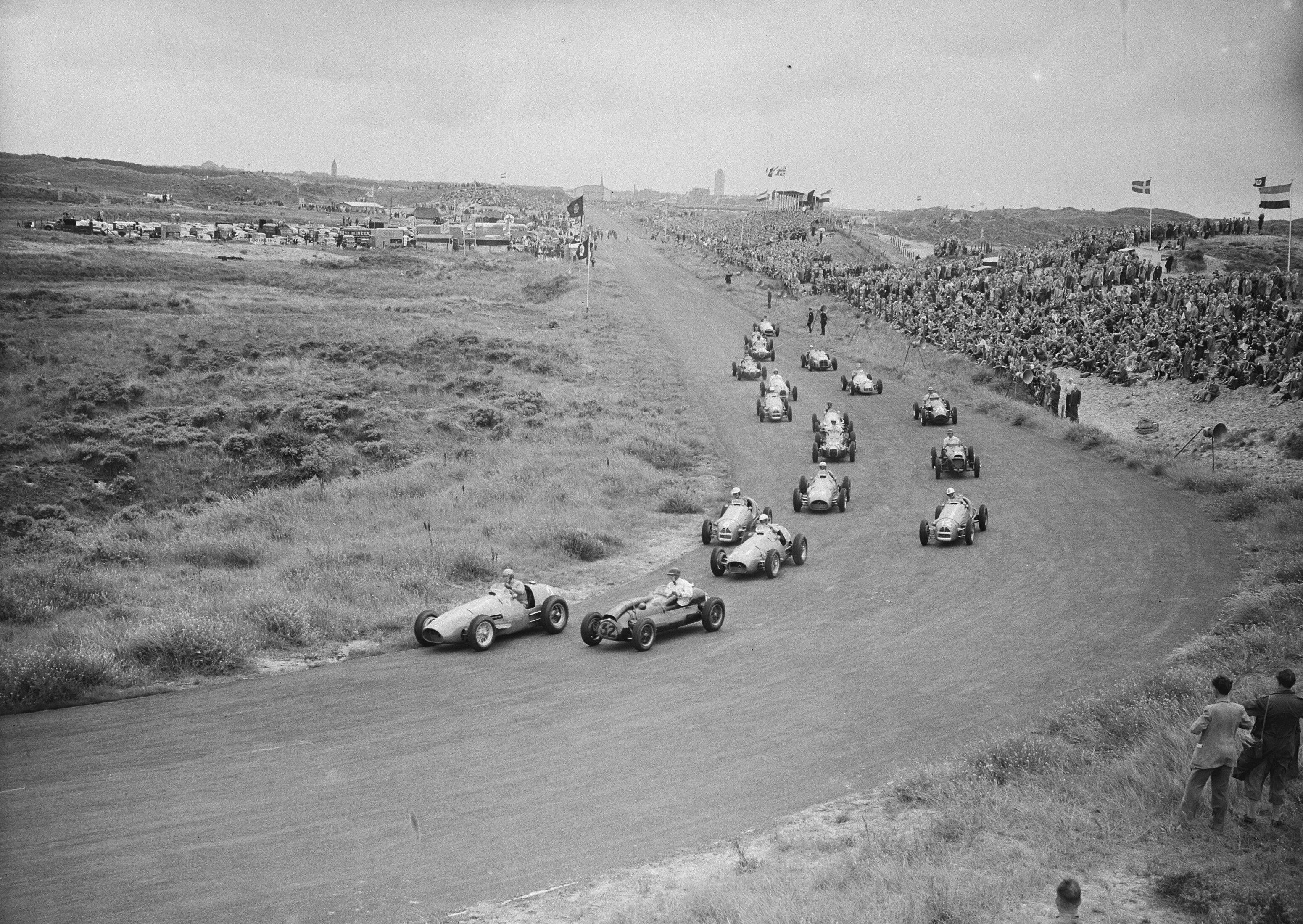
The first time the F1 world championship visited Zandvoort in 1952, the race was actually run in Formula 2 specification cars and won dominantly by Ascari for Ferrari. It took until 1955 for ‘F1’ to make its true Dutch debut.
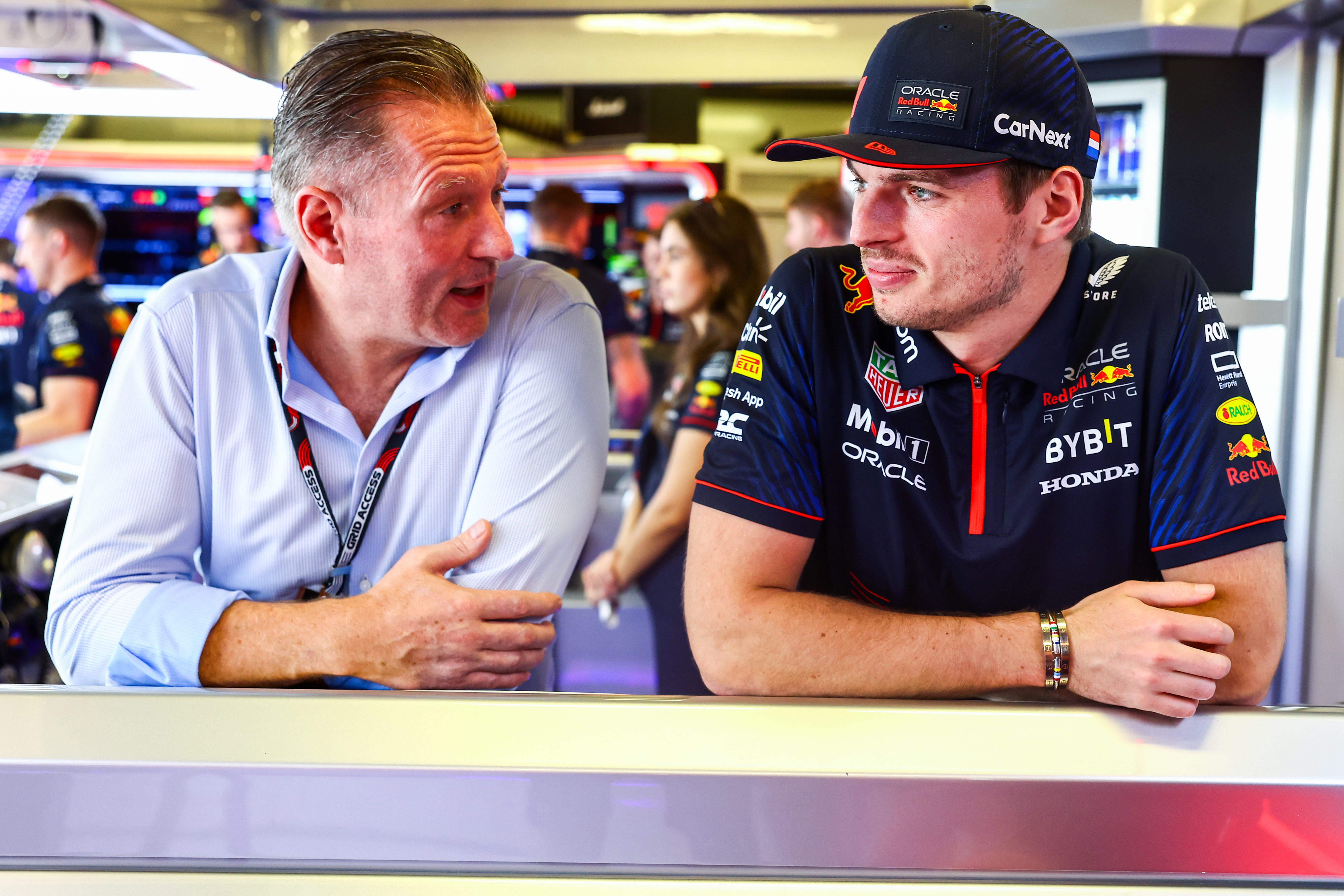
The Netherlands has produced 16 Formula 1 drivers, with Max and Jos Verstappen being the two longest serving and Max being the only Dutch grand prix winner and world champion.
The Dutch Grand Prix is the most northerly race on the F1 calendar, with a latitude of 52.3711 compared to 52.073 of Silverstone, which used to hold that title before Zandvoort’s return.