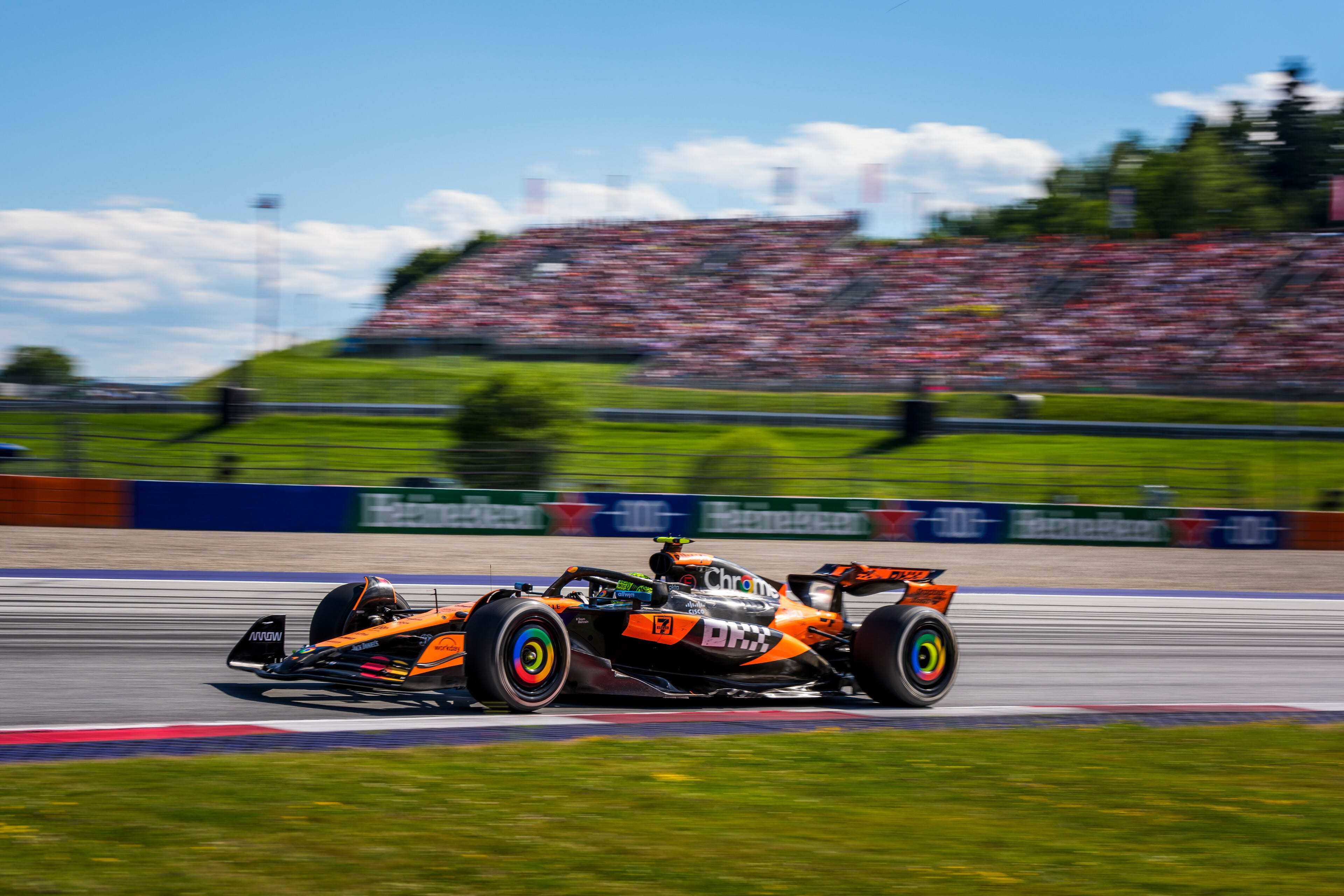
Power sensitive but energy starved: Technical Preview for the Austrian GP
This weekend is set to push these 2026 cars in all new ways as we head into the mountains, up in altitude and elevation, for a test of power and efficiency.


Welcome to your technical preview ahead of the Austrian Grand Prix!
This race is one of my personal favourites, not just for the beautiful setting of the Styrian mountains but how that contrasts with the tough, technical challenge the track poses to the teams, in some ways as a result of that very setting.
This year, as has been the case at every track we’ve been to, the inherent features of the track like its short lap, short lap-time, power sensitivity, altitude and elevation will interact with those of this new generation of car to give rise to some new quirks, new ways things have to be managed, and potentially a new competitive order.
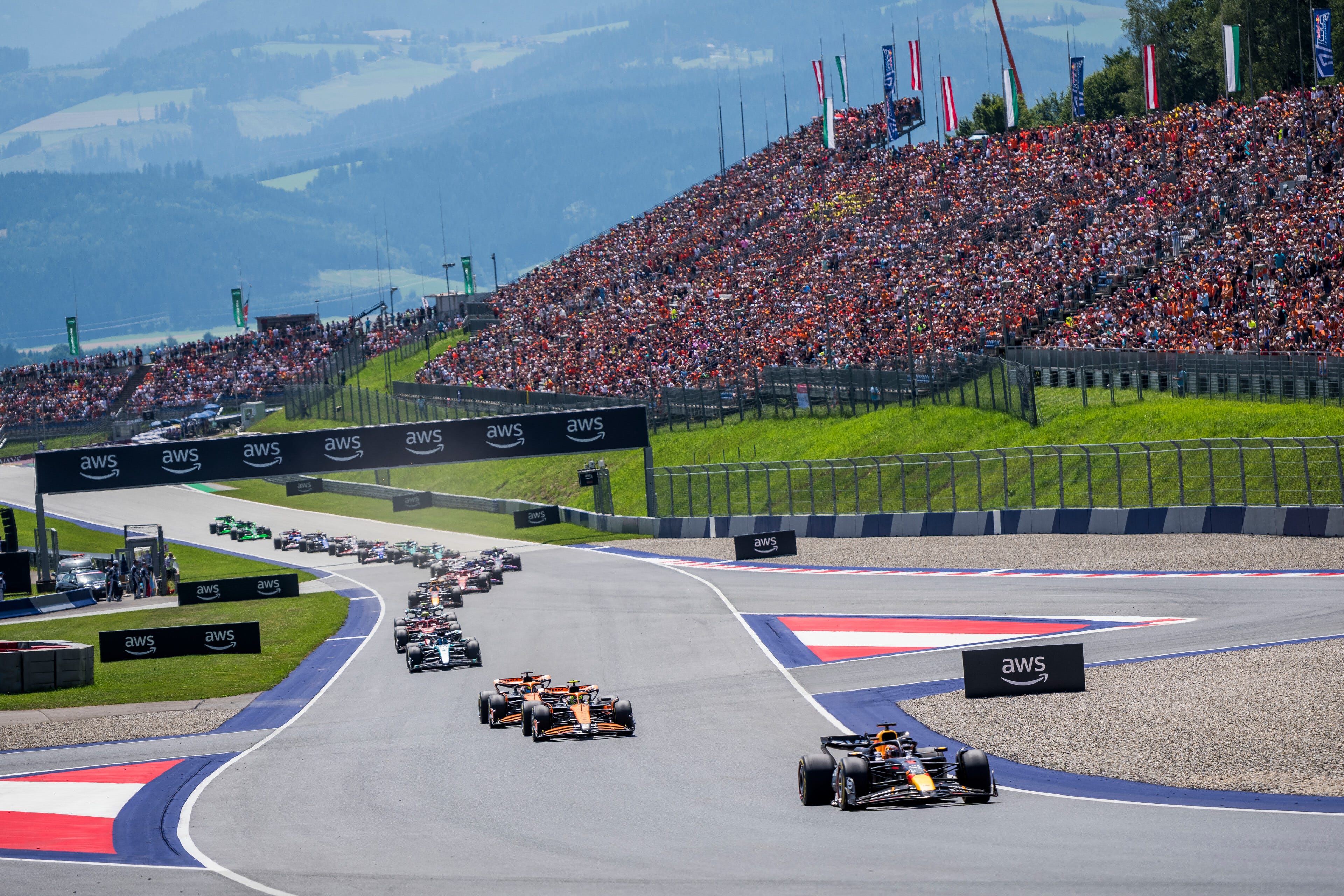
We also arrive here this weekend off the back of seeing a new, yet old, winner on the top step last time out in Lewis Hamilton but with the backdrop of this being a track that Max Verstappen has classically dominated over every metric - wins, podiums, poles, points. That said, he hasn’t finished on the podium here, or won, since 2023 and instead it’s been McLaren and Mercedes who’ve won with Norris and Russell, respectively, and Ferrari who’ve had a driver on the podium in both of the past two years.
Past performance is rarely a predictor of future success, as we know, but that’s perhaps never been more true than this season.

Power sensitive but energy starved
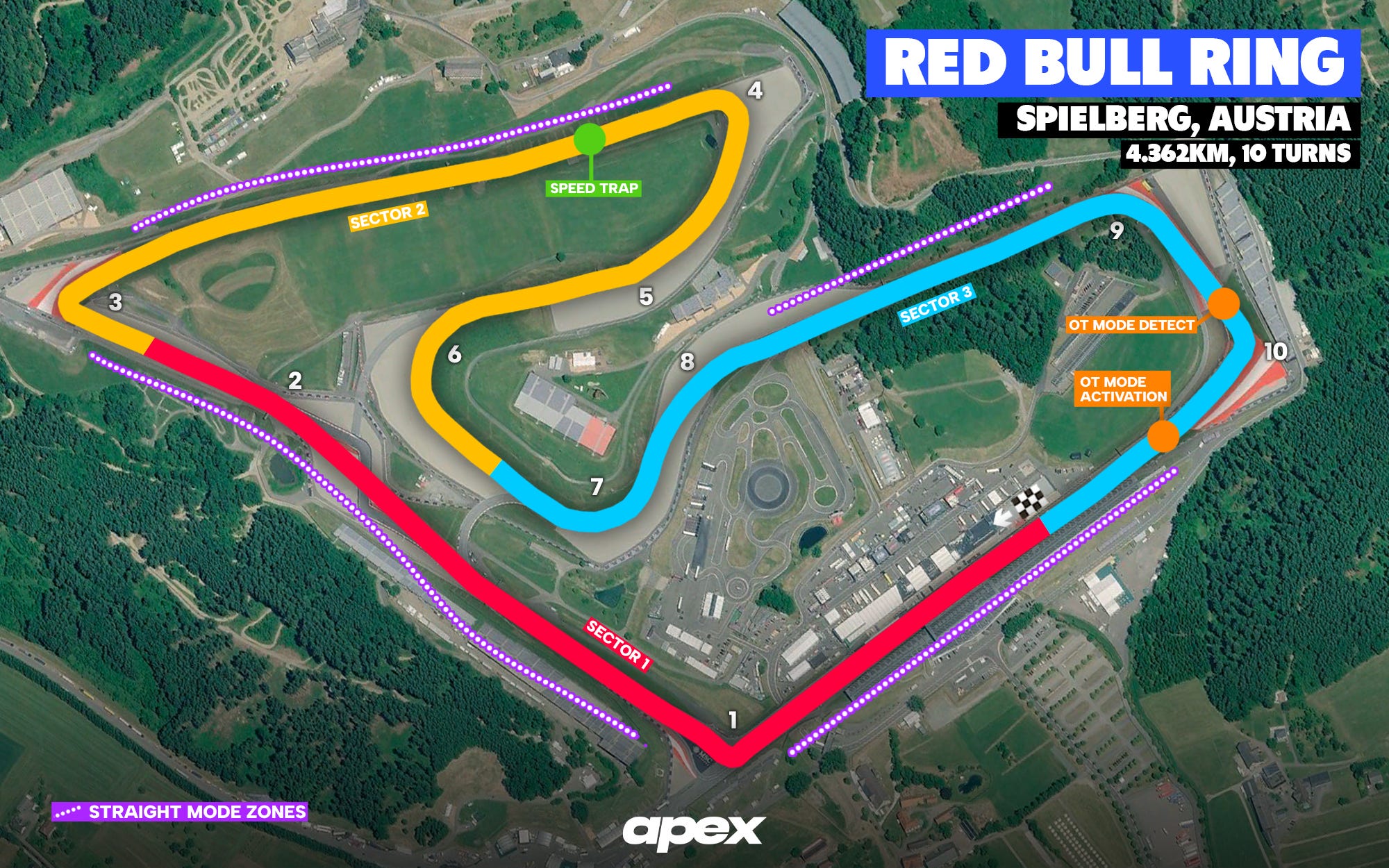
The Red Bull Ring is only 4.326km long and has just 10 corners, two of which are usually flat, with the rest of the lap being covered in straights where getting the power down, but also sustained, is essential. A large proportion of the lap is spent at full throttle - 73.76% over Norris’ 2025 run to pole - but this year, that power sensitivity could be complicated by its energy profile.
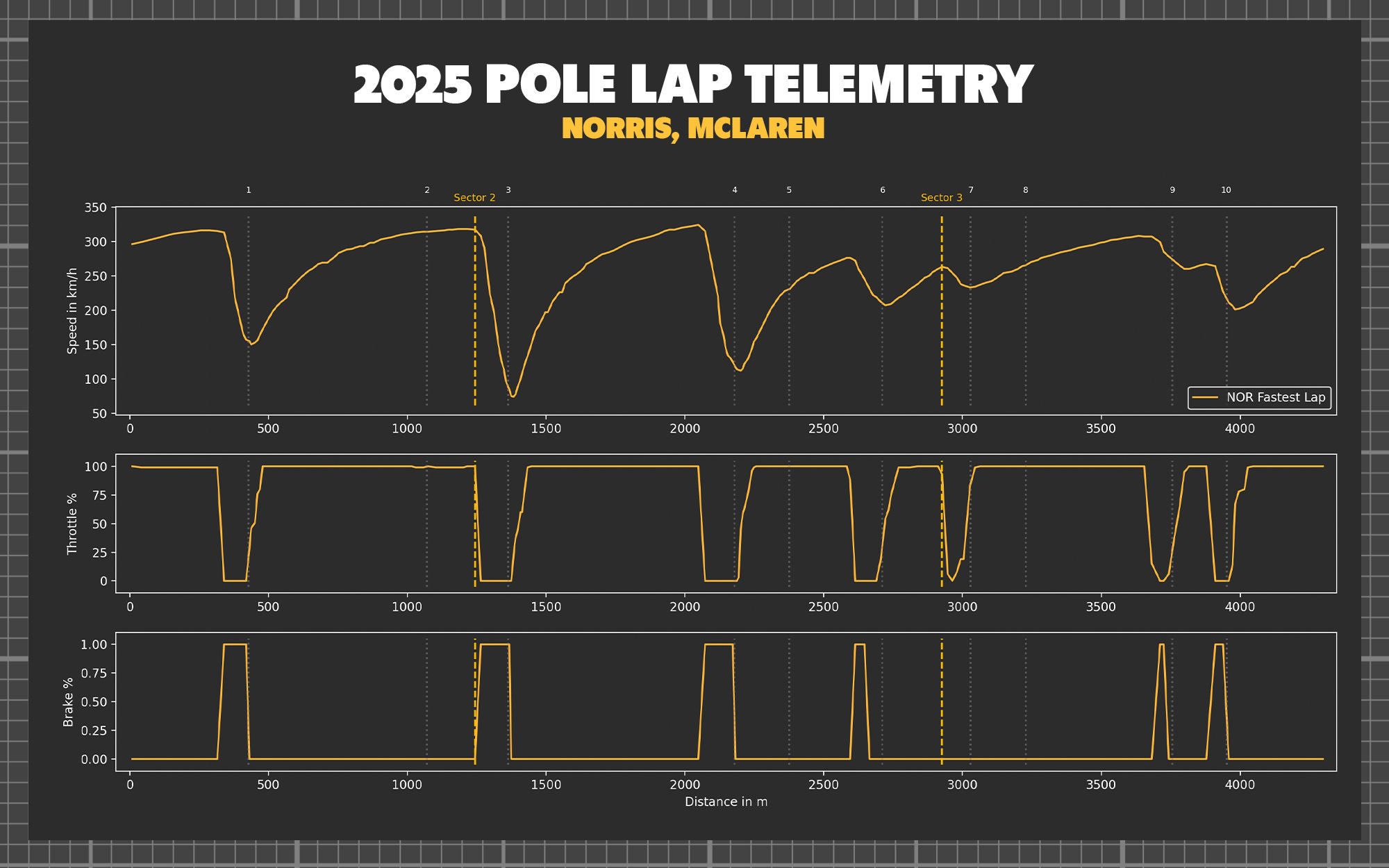
While there are a couple of heavier braking zones, turns 3 and 4 for example, generally the circuit lacks the number necessary for the level of energy recovery needed to meet the maximum per-lap output figure of 9MJ. As a result, and to minimise the need for the drivers to be using techniques like li-co or superclipping excessively over the lap to meet an output of that level, the FIA have capped it at 6MJ in qualifying.
That should mean the picture of energy management is more conventional and there won’t really be the need for excessive regeneration techniques nor for unusual deployment patterns, but it still could have a few different impacts.
Finding Efficiency
For one, it’s going to push the teams to find an efficient balance between power and aerodynamics, which the four straight mode zones will help with. In fact, there isn’t going to be a straight that isn’t covered by one.
And this is actually the principal aim of straight mode - reduce the cars’ drag and help prolong top speed and performance even as deployment tapers off, which it could well do long before the end of a straight here.
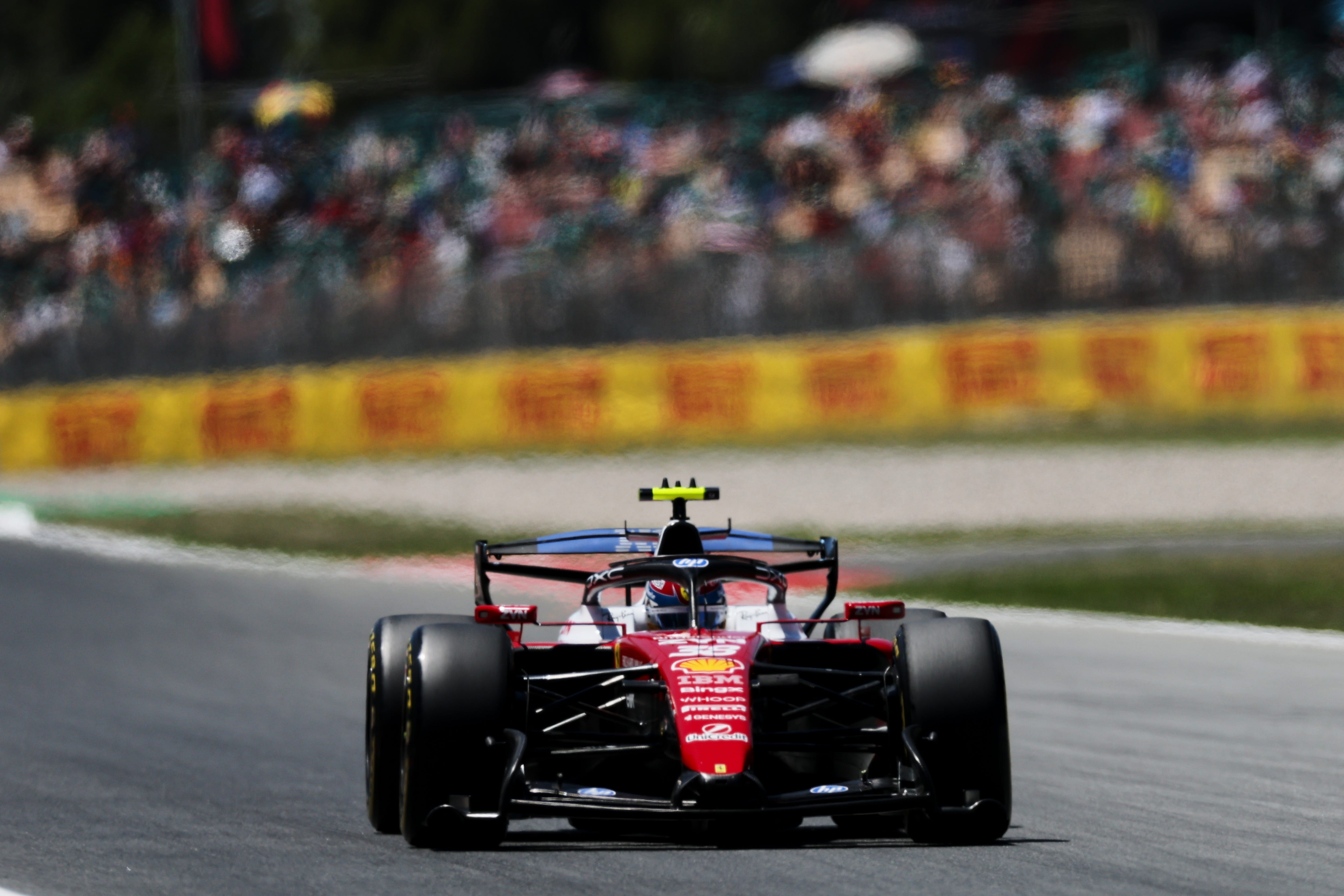
Extracting the lowest drag profile from the straight mode configuration of the wings could therefore be a critical factor, and we already know that McLaren are planning on testing an “experimental rear wing” in free practice on Friday, based on their weekend preview. With the way Red Bull and Ferrari have taken their rear wings in employing the ‘macarena-style’ to maximise the gap between the elements when they open, McLaren’s experiment could be of their own, similarly styled solution.
Deployment Strategy
It could also mean that lap time optimisation comes down to getting the deployment strategy correct, and teams will likely have to balance preserving power down the straights and deploying to improve corner exits, which are a key part of extracting lap time here given the ‘stop-start’ nature of the layout. Mercedes have arguably been strongest at this side of the regulation set so far, though others like McLaren with their Mercedes power unit have been catching up to their software strength.
Emphasising the ICE?
However, this reduced deployment limit may also shift a greater emphasis onto how the ICE side of the power unit impacts the resulting lap time, as it will solely provide the power at the points of the lap where deployment has ‘run out’. If the reports of Ferrari bringing their first ADUO upgrade to this event are true, that could be a pivotal factor for them.
What’s also important to consider in relation to the power unit performance and the ICE side especially is the impact of elevation change, which here happens largely in two halves. The first half of the lap is spent climbing uphill while the second is spent descending, to the tune of around 63m of change over the full lap.
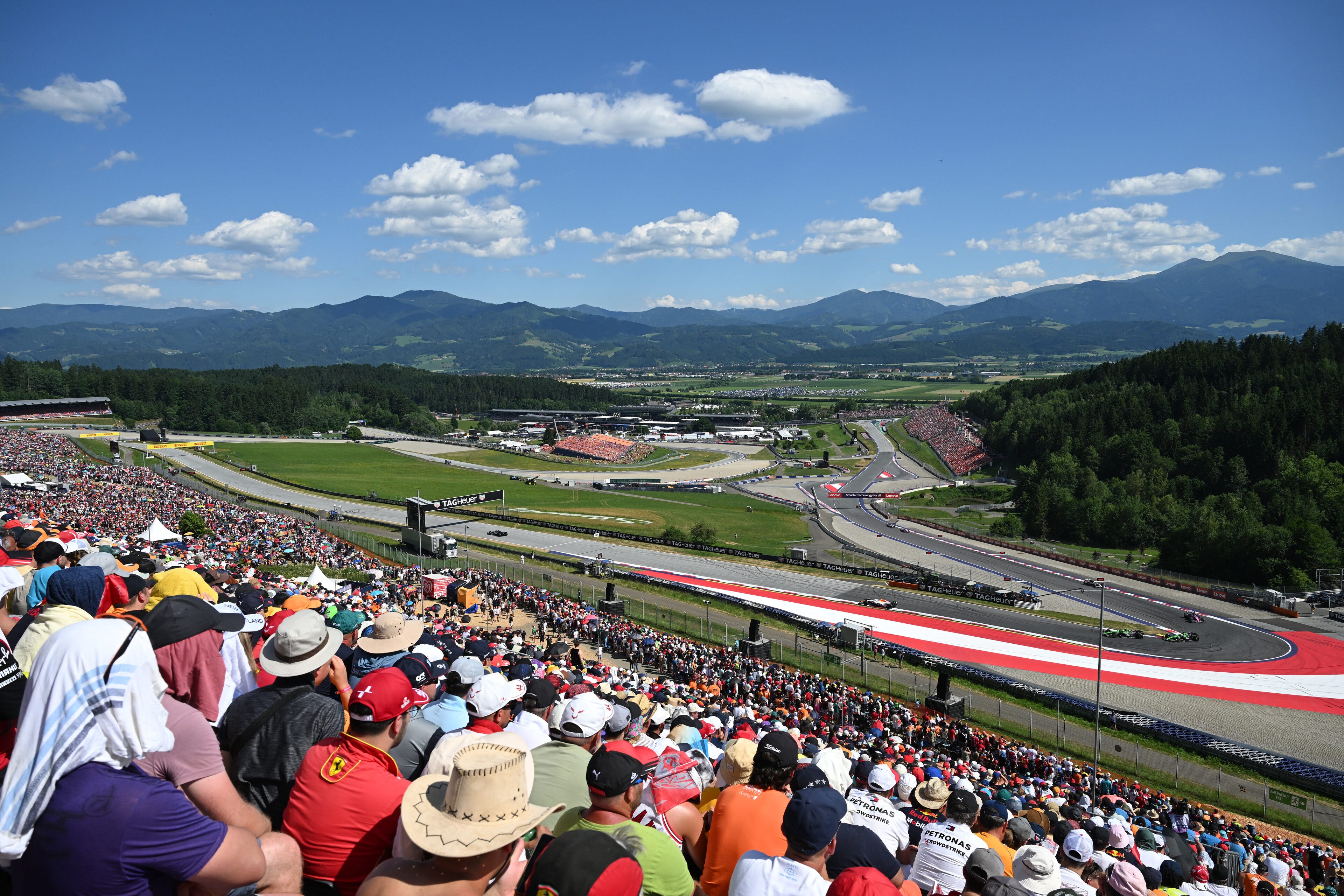
That adds in a gravitational element, one that the power unit has to work harder to overcome in the first half of the lap as it works to ‘pull’ the car uphill, putting it under more load under acceleration, but one that helps over the second half of the lap. The impact of this on performance is typically minimal, but worth noting.
Higher Altitude = Power Problems?
While the Red Bull Ring is nowhere near the altitude of the Autodromo Hermanos Rodríguez in Mexico City, or Interlagos in São Paulo, it being situated at 660 metres above sea-level does make it the third highest circuit F1 visits, and therefore our first bit of insight into how these cars function at a higher altitude.
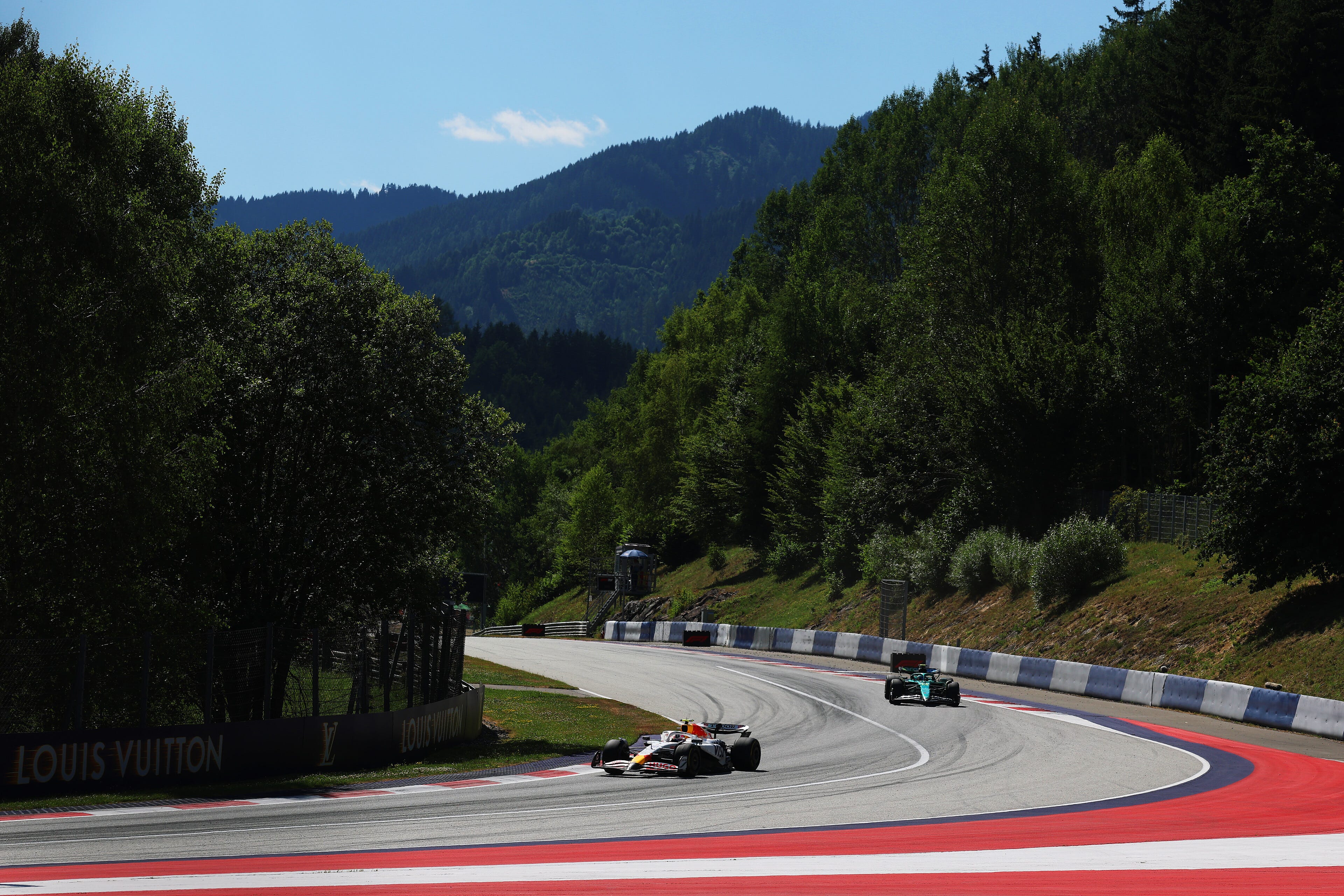
At this height, the air is around 7-8% less dense which effectively means there is less air flowing over radiators for cooling, over wings for downforce, and circulating through the power unit. On the aerodynamic side, that means less grip, more sliding, but lower drag too. But it’s the impact on the power unit, specifically via the turbocharger, that could be something to really watch for this weekend.
With no MGU-H to keep the turbo spooled under this regulation set, turbo lag can already creep in and impact responsiveness off the line, as we’ve seen with race starts, or responsiveness out of lower speed corners as we saw impacting some teams at the Fairmont Hairpin in Monaco, for example. And at higher altitudes, that effect could be compounded by the turbocharger having to work harder to compensate for the for the lower levels of oxygen being fed into the ICE.
There is likely to be a disparity in how severely this impacts the teams, at least according to power unit manufacturer, as we know some have bigger turbos than others. Ferrari are believed to have the smallest in the field, and while that could mean they suffer less turbo lag, it could max out more rapidly and leave them down on power. Teams like Audi, on the other hand, are thought to have bigger turbos which could take more time to spool up, suffering more lag as a result, but once at their peak could offer a stronger power output.
How that feeds into lap time optimisation here will be something to watch for, as some may find their advantage by avoiding lag out of slower corner exits, like turn 3 particularly, whereas others may find theirs down the straights with stronger straight line speed, especially where deployment tapers. This could have knock-on effects on deployment strategy too, as they may have to balance whether to compensate and offset potential lag with deployment out of corners.
‘Warped’ corners?
You’ve heard of combined corner entries, where the driver is required to brake and turn at the same time, but in Austria there’s one particular corner that’s more of a ‘warped’ entry - turn 3.
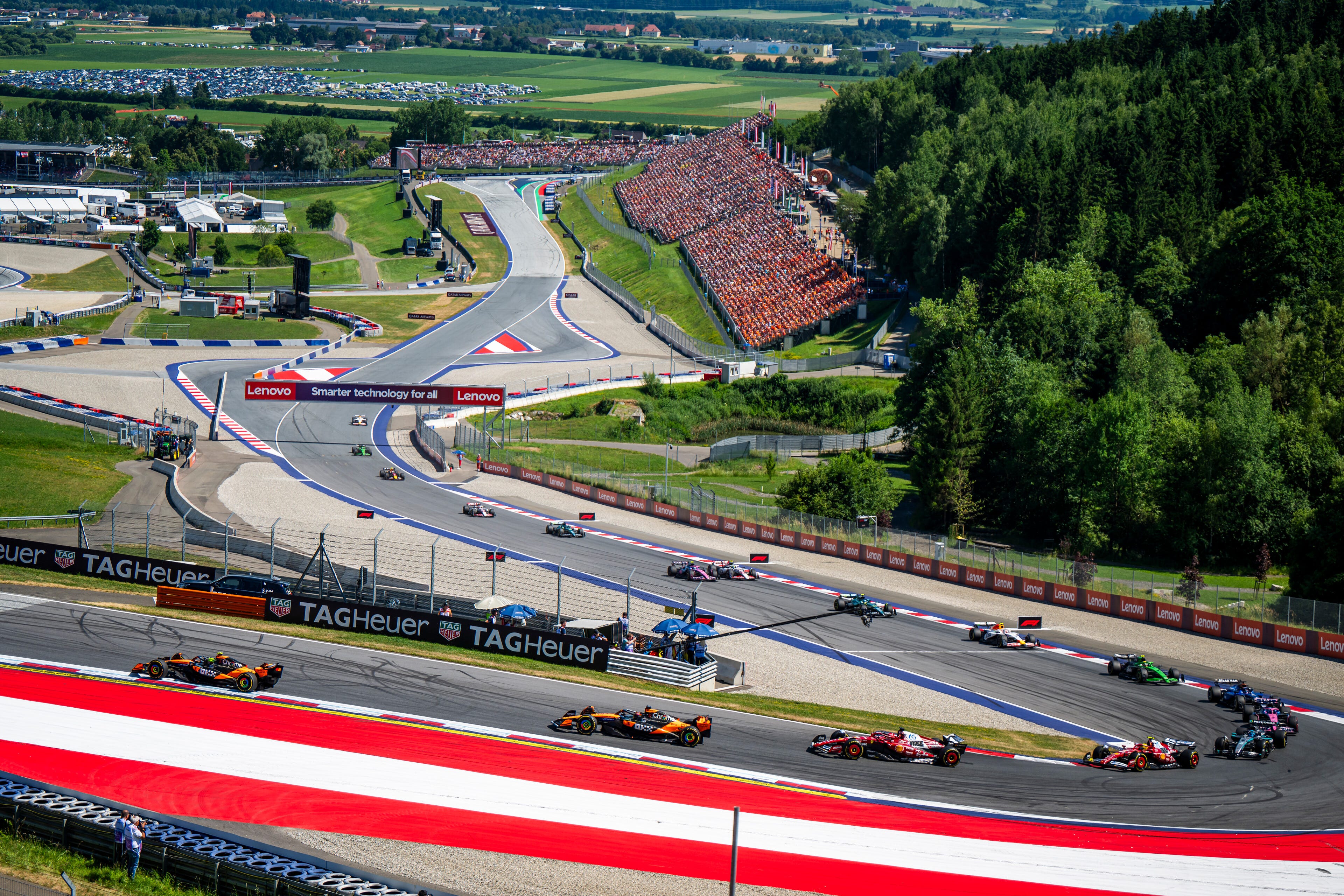
It’s an uphill entry-to-exit, but the gradient of the track also changes left-to-right. That, along with the inside kerb, has a tendency to make the inside front wheel lift and imbalance the car as it does so. That can then compromise the driver’s exit and wash them wide which, in this case, means they’re hit with the sausage kerbs that line the exit kerb.
And that’s not all, because before the driver even hits that crest and its challenges, the uphill entry to the corner can encourage later braking, often meaning we see lock ups and wide runs from that factor alone.
Come race day though, and these features combine to make it a key overtaking point and a key battle ground as we’ve seen in the past - between Verstappen and Norris in 2025, Verstappen and Leclerc in 2019, and Hamilton and Rosberg in 2016.

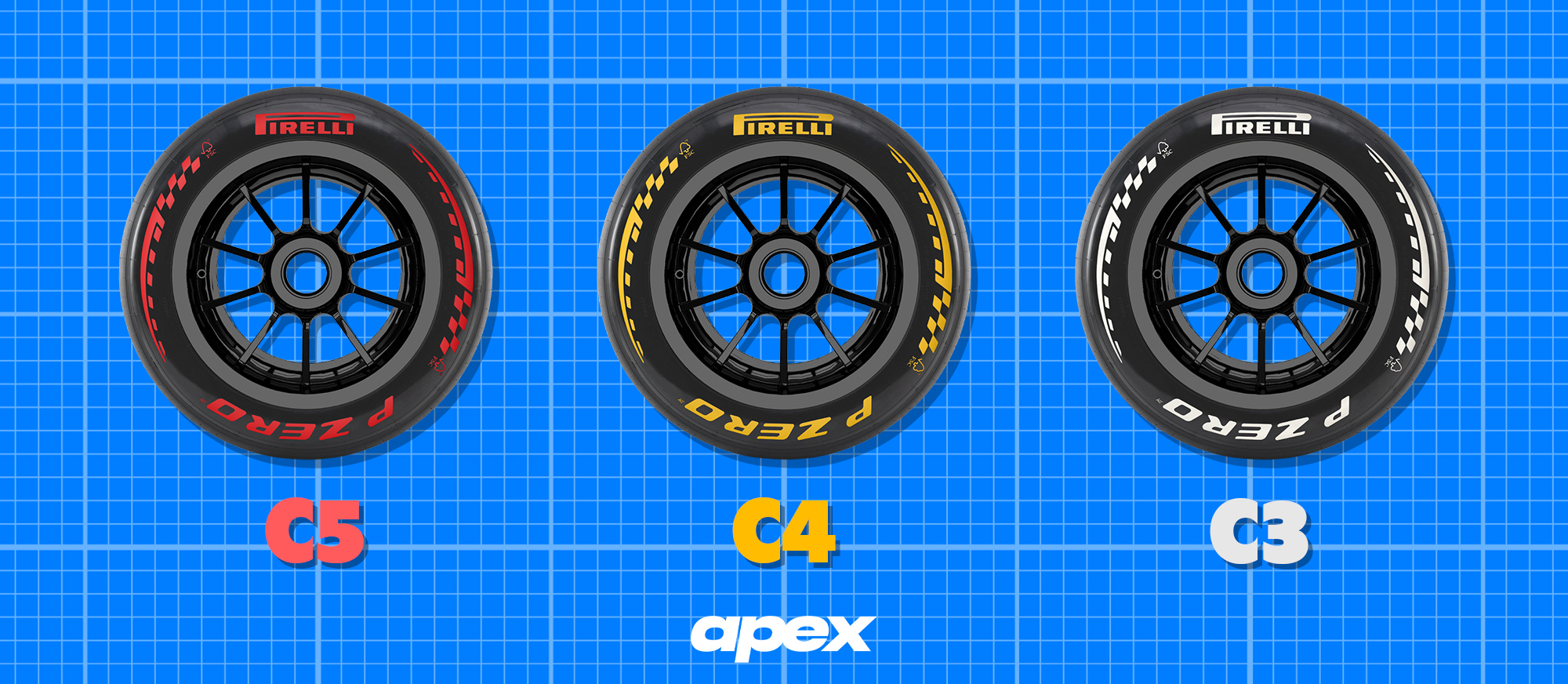
Pirelli have selected the softest compounds in the range for the weekend - the C5 will be the soft, the C4 the medium, and the C3 the hard.
The Red Bull Ring is a low lateral density circuit, or in other words one that doesn’t exert high levels of lateral forces through the tyres, given that it has few corners, even if some are higher speed and higher energy. But grip through those is generally good as the track is well used throughout the year by various motorsport events, and it does still evolve and ramp up over the weekend.
The decision to go for the softest range here is also driven by the warm-up difficulties that the teams can encounter with the front tyres especially, largely because of them maximising brake cooling to meet the demands of the tricky up and downhill corner entries and braking zones. It’s likely we’ll see build laps come into play as a result, as we did in Canada, which shouldn’t be too impactful on run plans given the short lap.
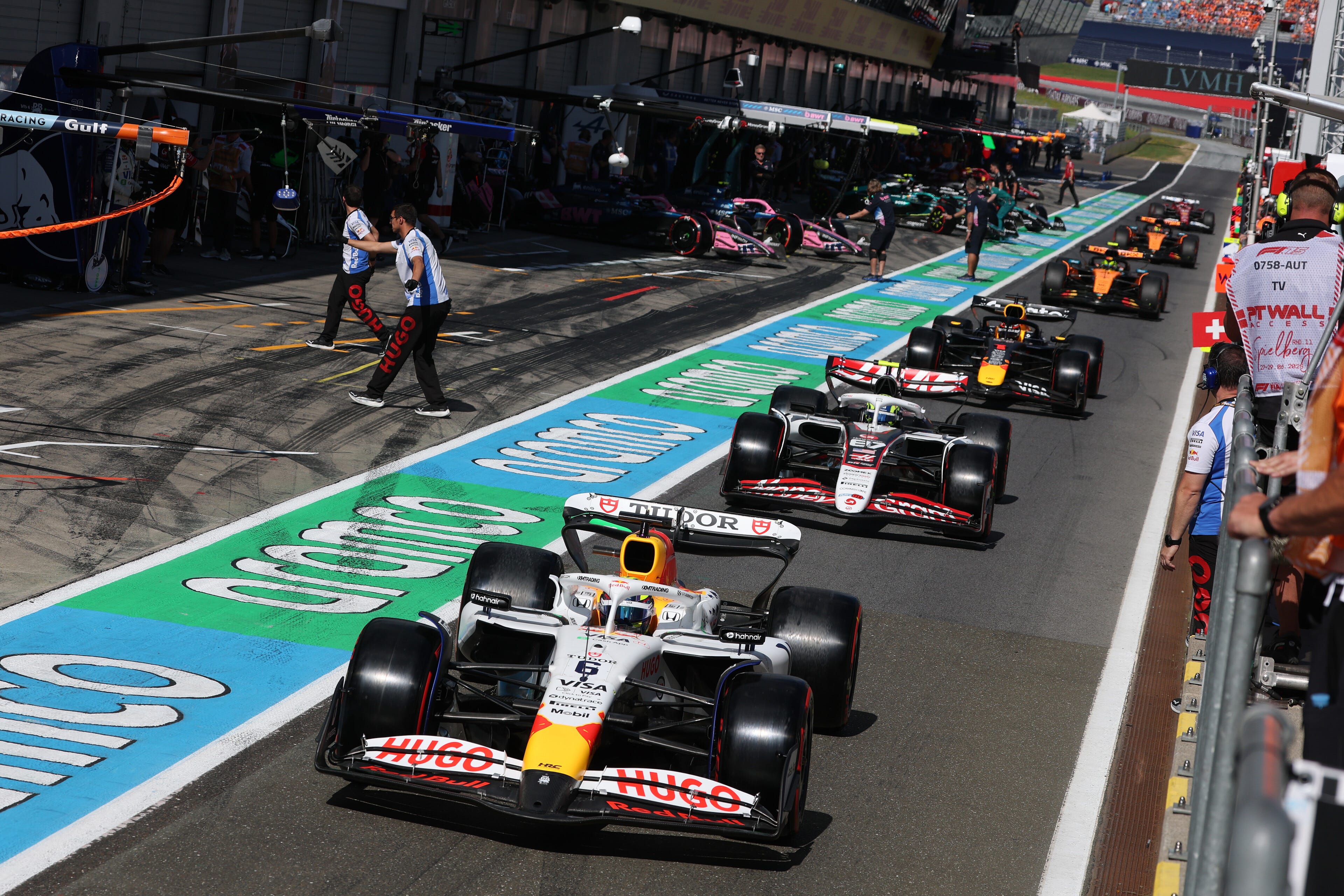
Degradation here is most often driven by thermal factors over and above actual wear, for a few reasons.
First, the track surface itself is several years old and has high levels of both macro- and micro-roughness to bring it to a medium level of abrasion, which generates heat in the tyres.
The altitude also means the cars have reduced downforce, from an already reduced baseline this year, and that can bring about an increase in tyre slip and sliding, again generating heat through the tyres.
Temperatures will also play a role in exacerbating that heat generation this year as the forecast is set to be between 27-32°C each day of the weekend, and that could mean we see the previous track temperature record here of 55.1°C met or exceeded. Pirelli have noted that they expect the temperatures could approach ‘Barcelona levels’, and that could make the lessons learned there about degradation, and especially via thermal factors, important for performance this weekend.
Unlike Barcelona however, where the front axle is more limited, here it’s the rear tyres that are more prone to degradation as they’re placed under increased stress in the traction zones. The front does come into play during the downhill braking zones though, and we could see lockups resulting from the increased torque generated by the 2026 power units.

In the past, Austria has classically been a two-stop race but we have seen all three compounds be viable racing ones within that structure. Last year, the medium did 53% of racing laps and it was the most commonly chosen starting tyre, however five drivers opted to begin on the C5 soft, which went on to complete 14% of racing laps.
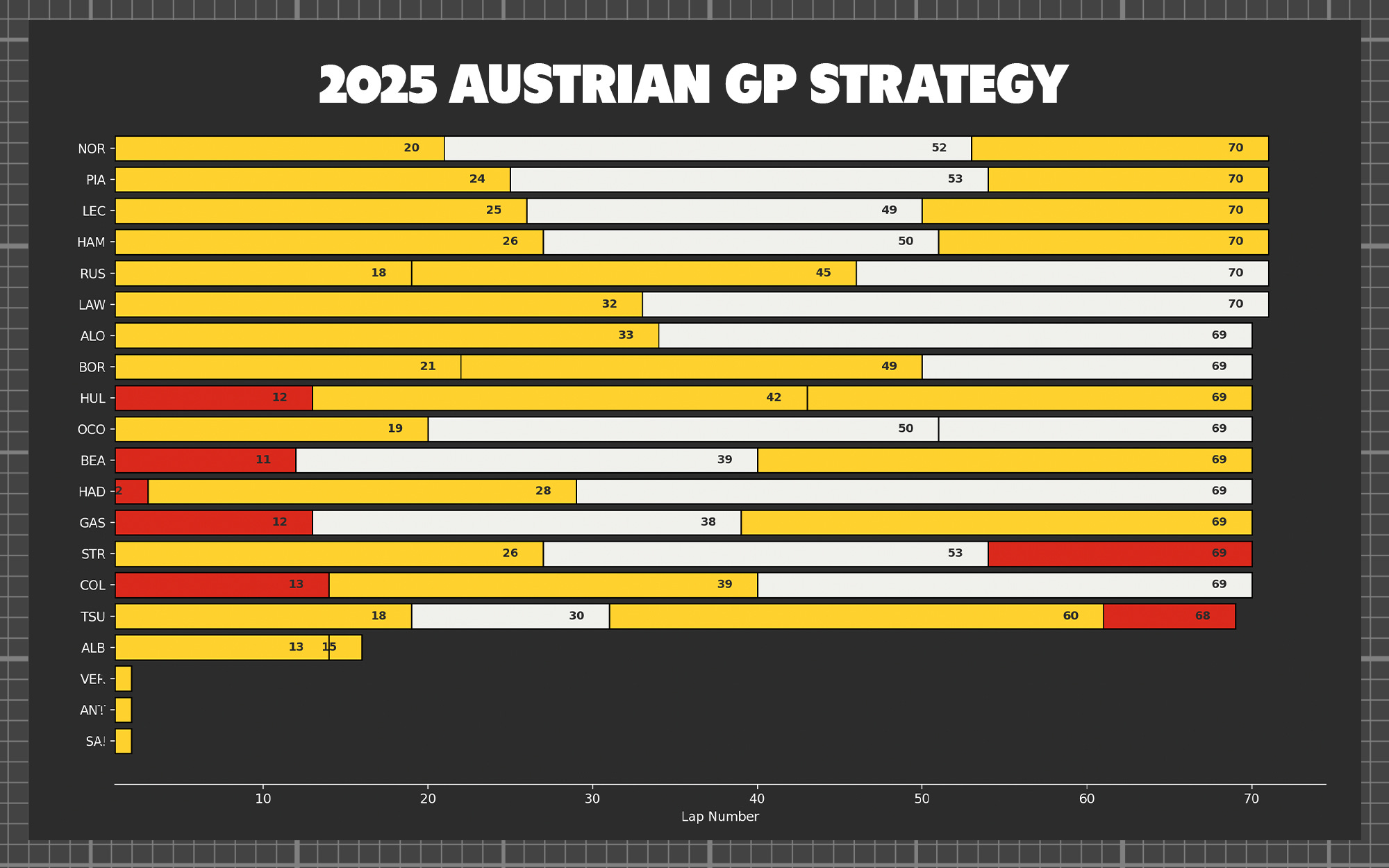
Those who finished on the podium, namely Norris, Piastri and Leclerc, ran their middle stint on the hard tyre and completed between 32 and 24 laps on it before moving back to the medium for a final stint.
But even with track temperatures hovering between 52 and 55°C during the Grand Prix last year, the one-stop was a viable alternative strategy - so much so that Lawson and Alonso were able to run it to finish inside the top 10, starting on a used medium and finishing on a hard. To facilitate that, they ran each tyre for nearly exactly half the race, which in Alonso’s case constituted the longest stint done on the medium by anyone (33 laps).
As Pirelli noted, that was evidence for the hard and the medium proving to be quite similar, which we also observed last weekend with the new 2026 tyre range in Barcelona. When that is the case, it tends to open up more strategic freedom and bring alternative strategies into play, which teams can induce by opting for different allocation management strategies from Friday onwards. Even so, expect most teams to hold onto two mediums for Sunday.

Above all else, this is likely to be a weekend where the power units are tested and exposed, in terms of performance but also strength in reliability terms. So far this year, it’s Mercedes who’ve had the upper hand over deployment strategy, though their initial advantage there does seem to have shrunk as others have caught on, alongside strong straight line speed, but their reliability has let them, and their customer teams, down on several occasions.
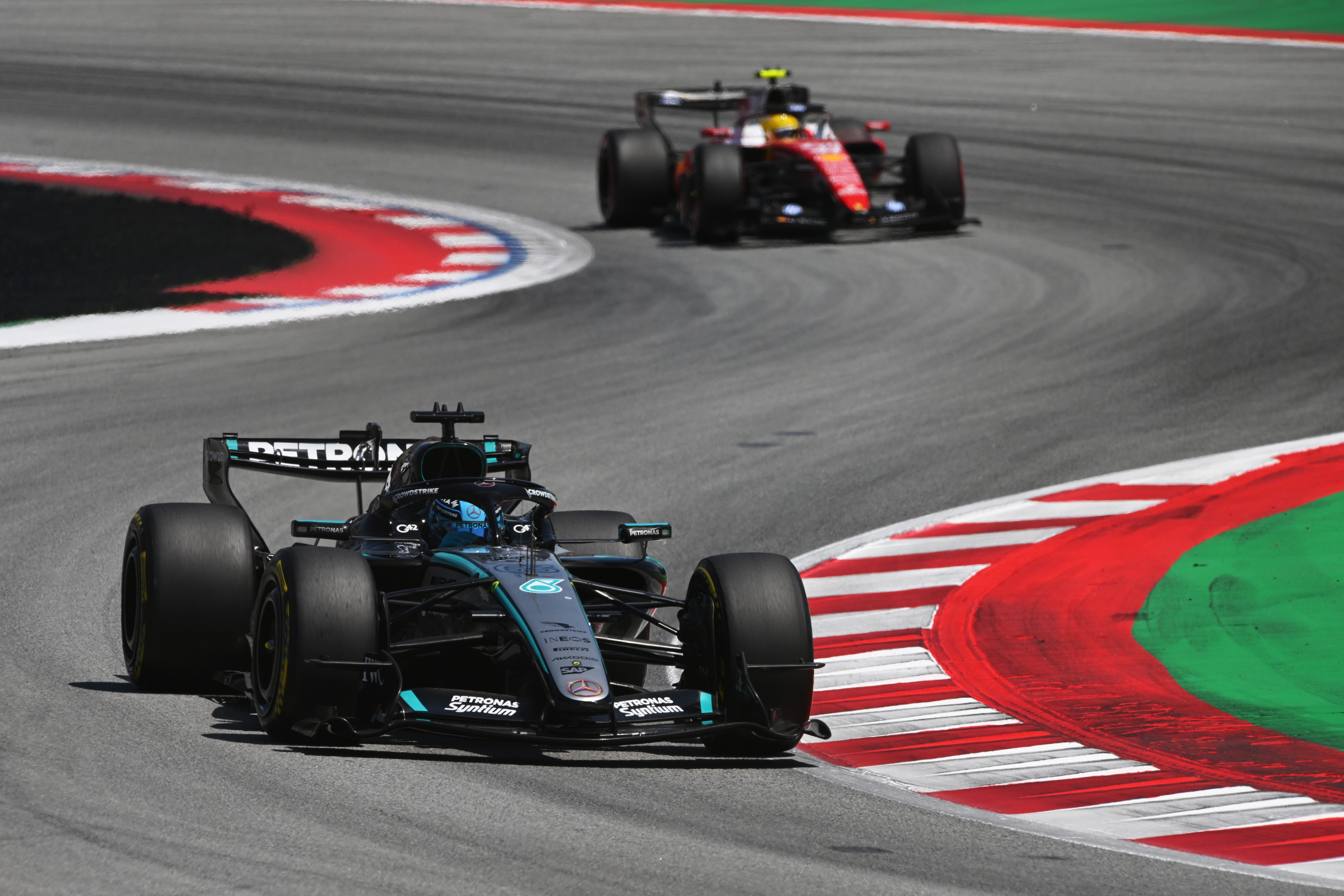
And that’s where Ferrari have picked up the slack, and it’s been a genuine strength of theirs, which if the smaller turbo comes to the fore as the most advantageous at altitude could genuinely put them in the mix for a second win on the bounce. But what made that first win possible - decisive strategy - is what could make or break whether that second is possible, over and above the technical factors. Whether Ferrari can commit to a decisive, commanding strategic approach again will be fascinating to see and could reinforce the idea that they have made true change.
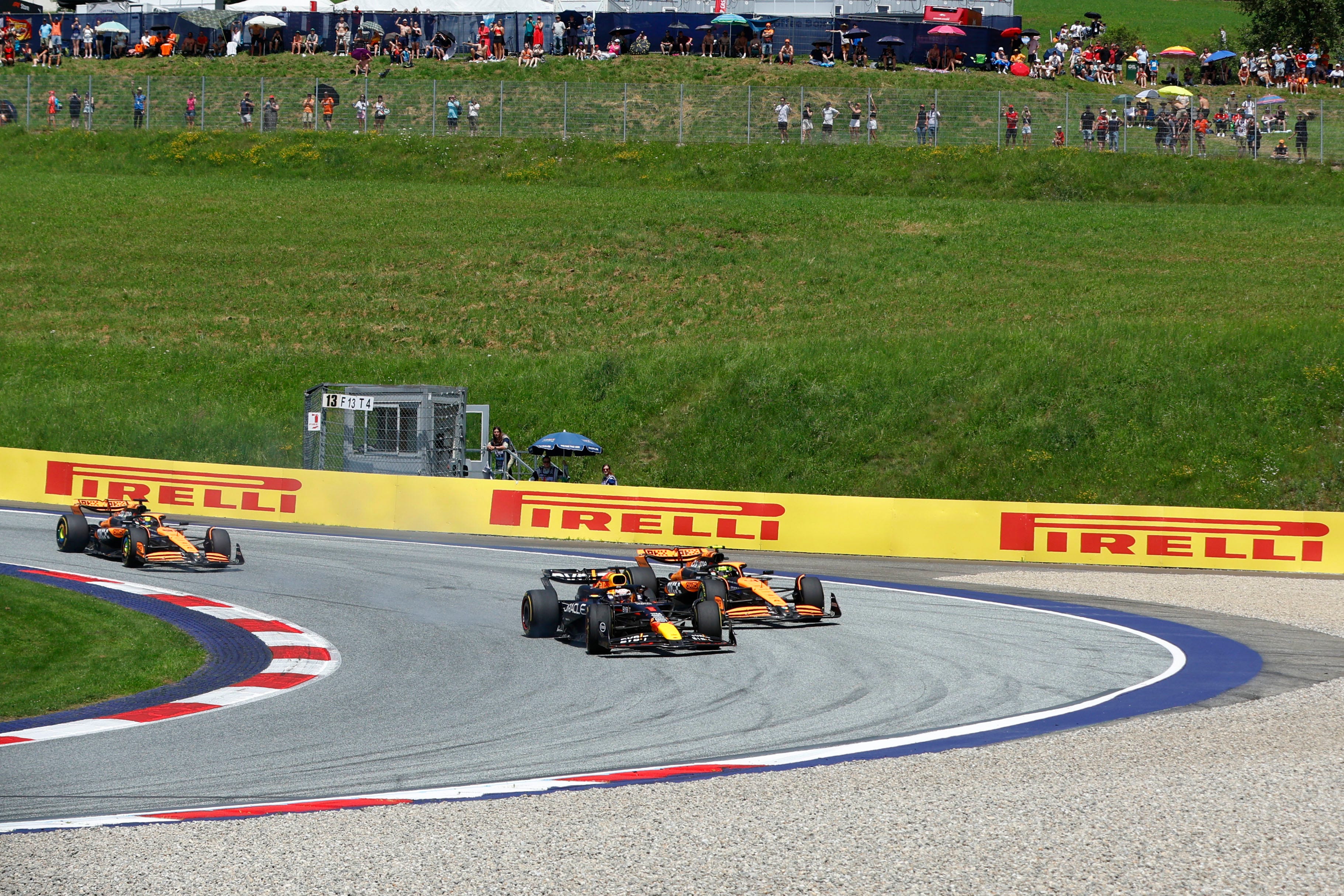
But with the power unit being so critical, and with the potential for the ICE to be vital to meeting this circuit’s power sensitivity in the absence of deployment, it’s hard to discount the team with what’s reportedly, based on what we’ve heard of the ADUO verdict, the best ICE in the paddock. Red Bull Racing, but specifically Verstappen, have past form around here but that’s faded away more in recent years as McLaren have come to the front instead. But both teams arrive here with upgrades this weekend, Red Bull with a weight reducing package according to reports and McLaren with an “experimental rear wing” to test. There are genuine unknowns as to the impact of either, but as they have generally battled over being the third fastest team so far this year, it could be a decisive factor.
Over the full field though, expect whoever can balance the need for efficiency and power the best to fare the best as that is what will be at the heart of extracting optimal performance.

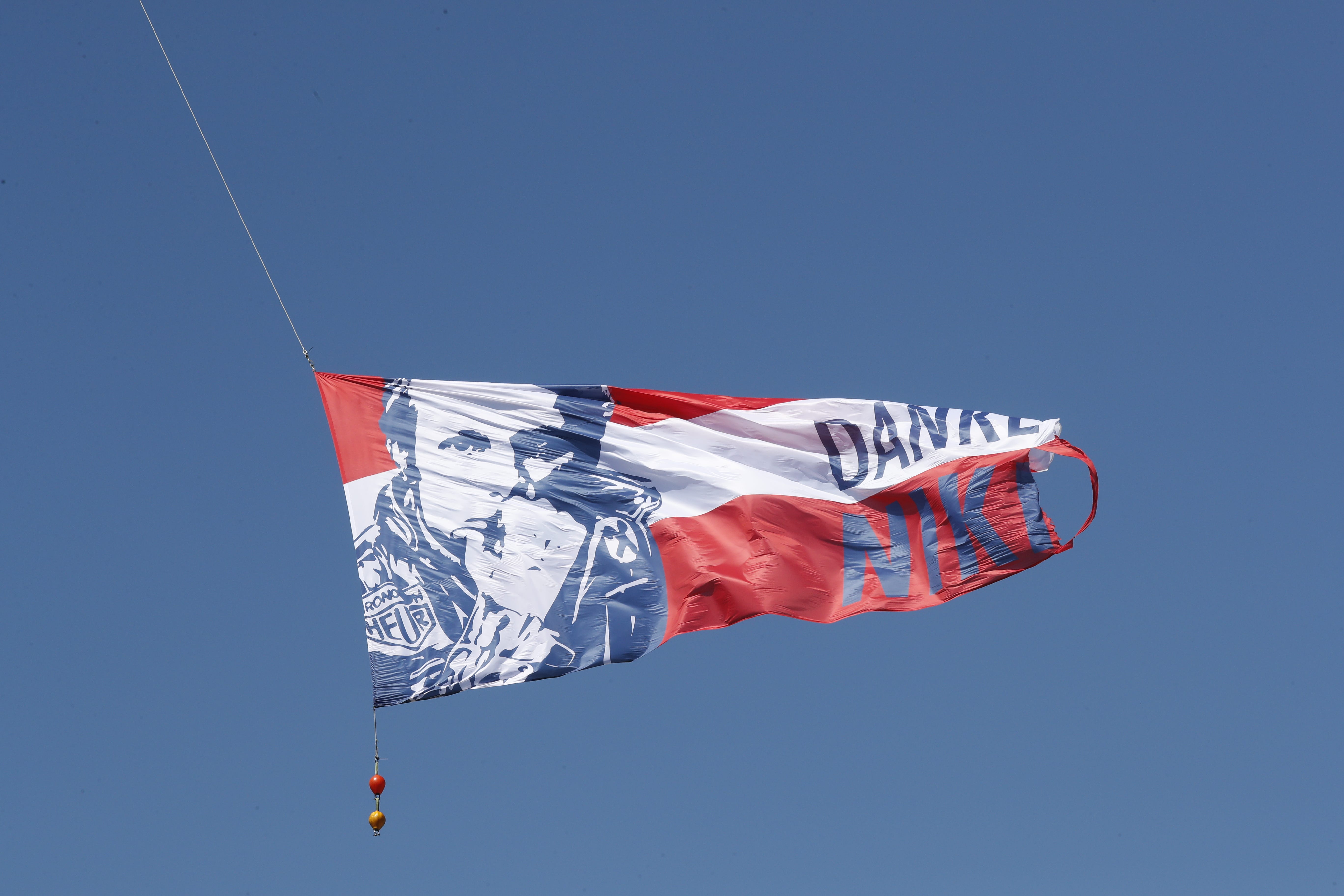
Niki Lauda is the only Austrian driver to have won the Austrian Grand Prix to this day. He took victory of this race in 1984.
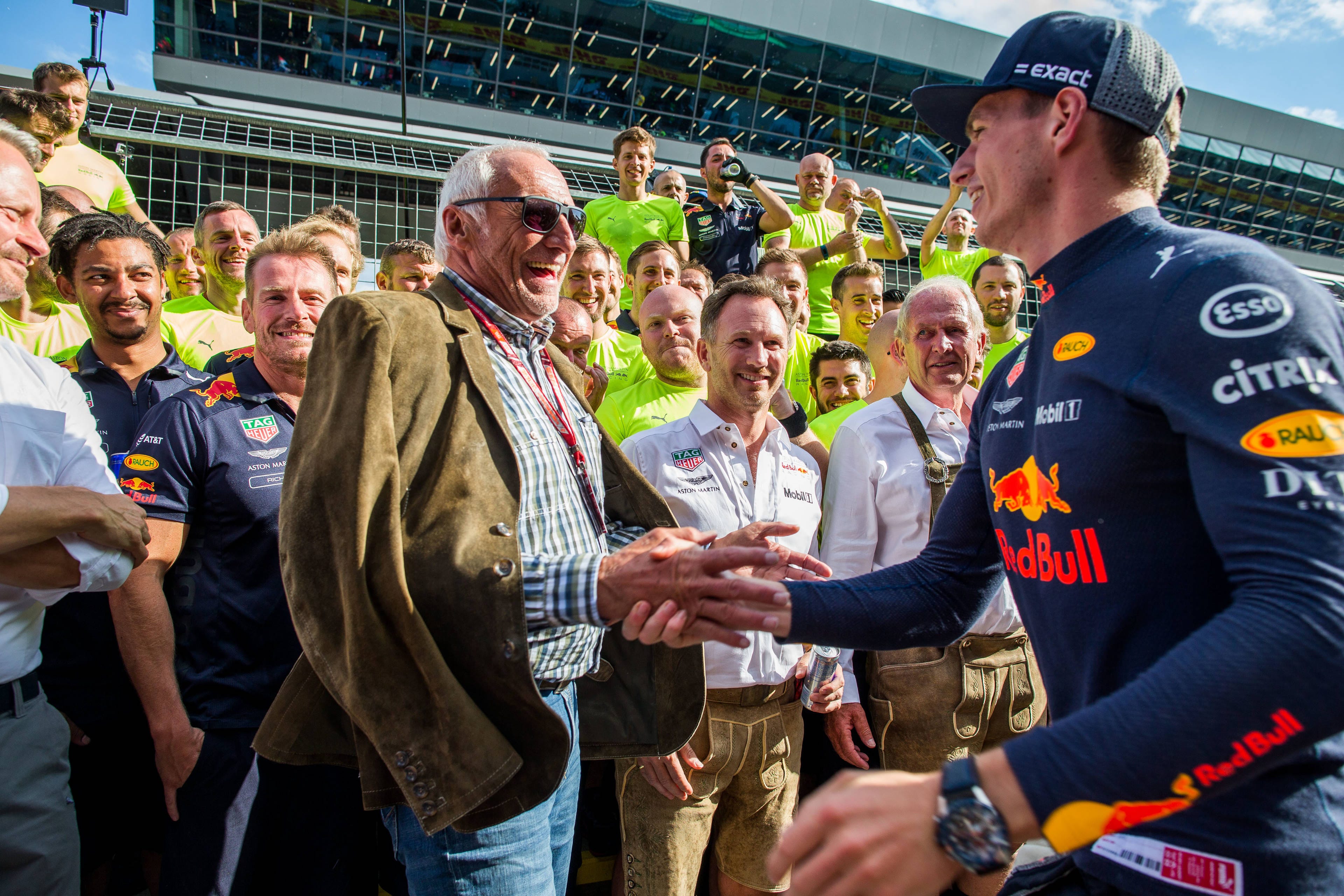
Despite it returning to the calendar in 2014, Red Bull didn’t win at the Red Bull Ring until 2018 with Verstappen.
The Red Bull Ring is not the shortest lap of the season, but it produces the quickest lap times of the year with an average speed of over 240km/h (243.448km/h over Norris’ 2025 pole lap)!