


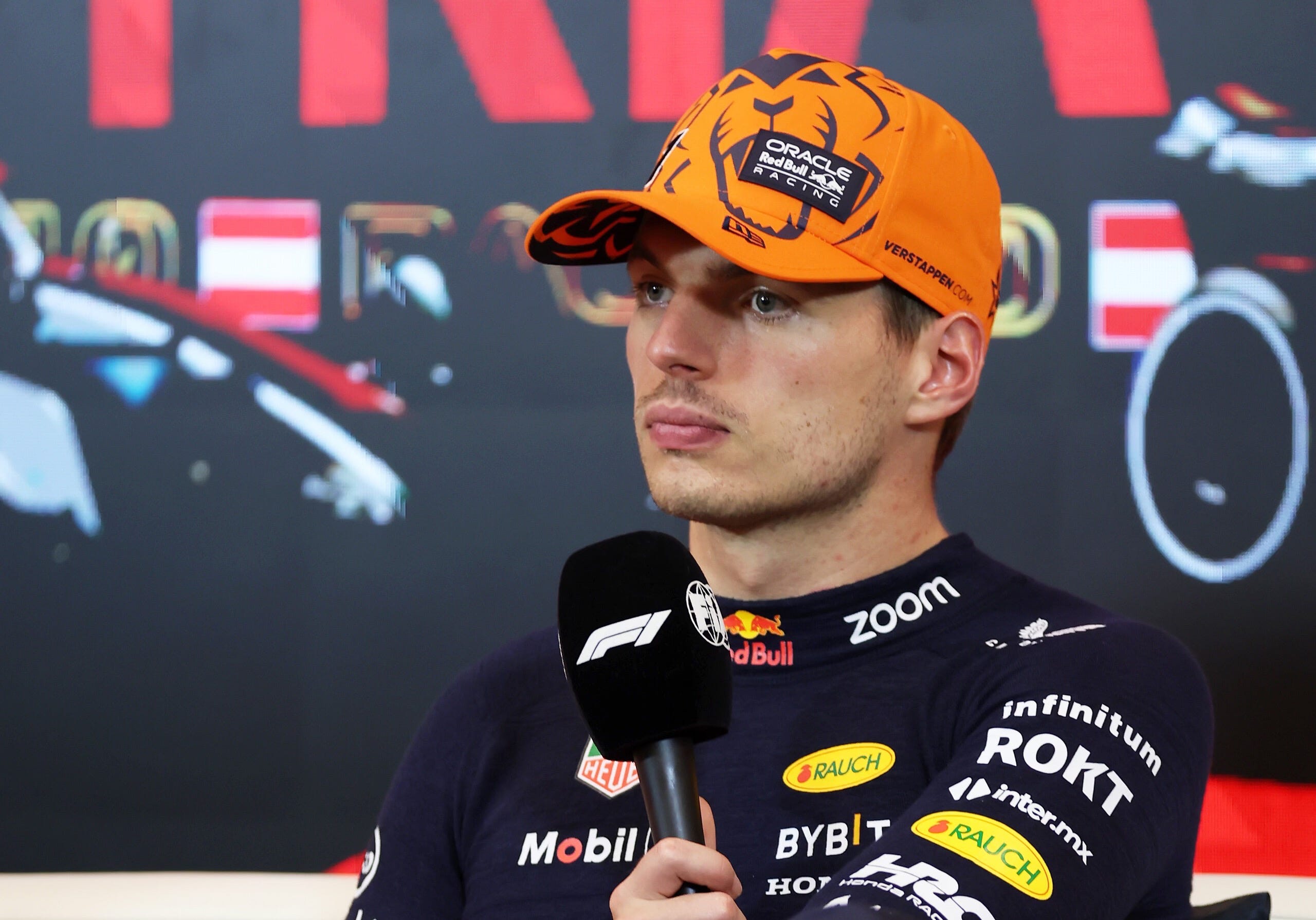
Back in the post-race press conference after the 2023 Austrian Grand Prix, Verstappen was asked for his opinion on the, at that point fairly preliminary, 2026 regulations.
He felt, based on data he’d seen from the simulator, that they looked “pretty terrible”.
“I mean, if you go flat-out on the straight at Monza, I don't know what it is, like four or five hundred before the end of the straight, you have to downshift flat-out because that's faster,” he said.
“I think that's not the way forward.”
Fast forward to around two and a half years later, and the cars that were once only in the simulator have now been out on track and put to the test at Barcelona and Bahrain, but that real world experience has not changed Verstappen’s opinion.
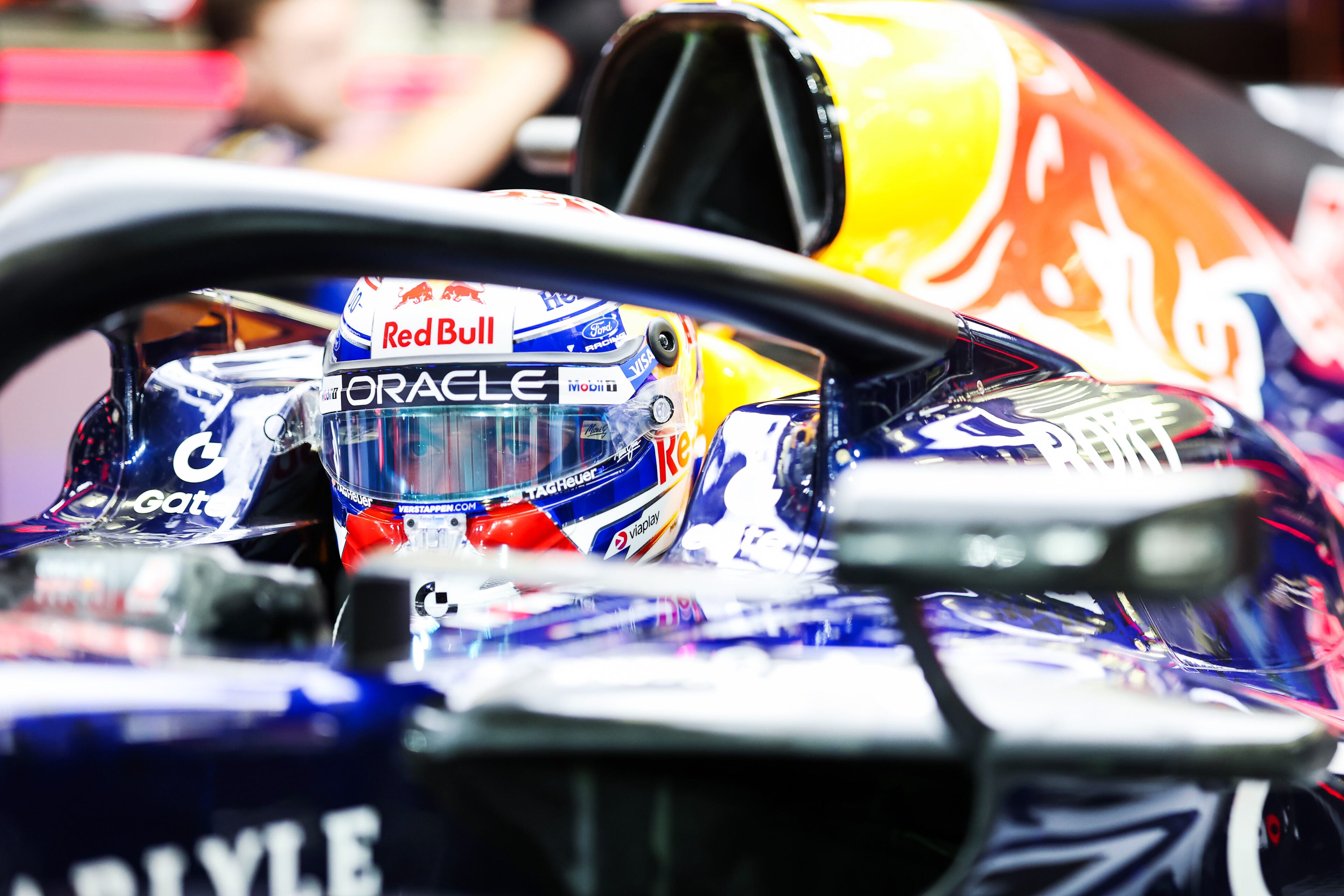
After just one day of the first test in Bahrain, he reflected on the impact the power unit updates (specifically the move to a near 50:50 ICE and hybrid power output split) had had on driving style as “not a lot of fun”.
“It’s not always the nicest thing to say, but I also want to be realistic as a driver, the feeling is not very Formula 1-like. It feels a bit more like Formula E on steroids.
“As a pure driver, I enjoy driving flat-out. And at the moment, you cannot drive like that. There’s a lot going on.”
The data suggests he’s right, at least in there now being a lot more going on for a driver from within the cockpit - specifically relating to the level of energy management required to extract the optimal lap time - but also in terms of the ability to drive “flat out” being gone.
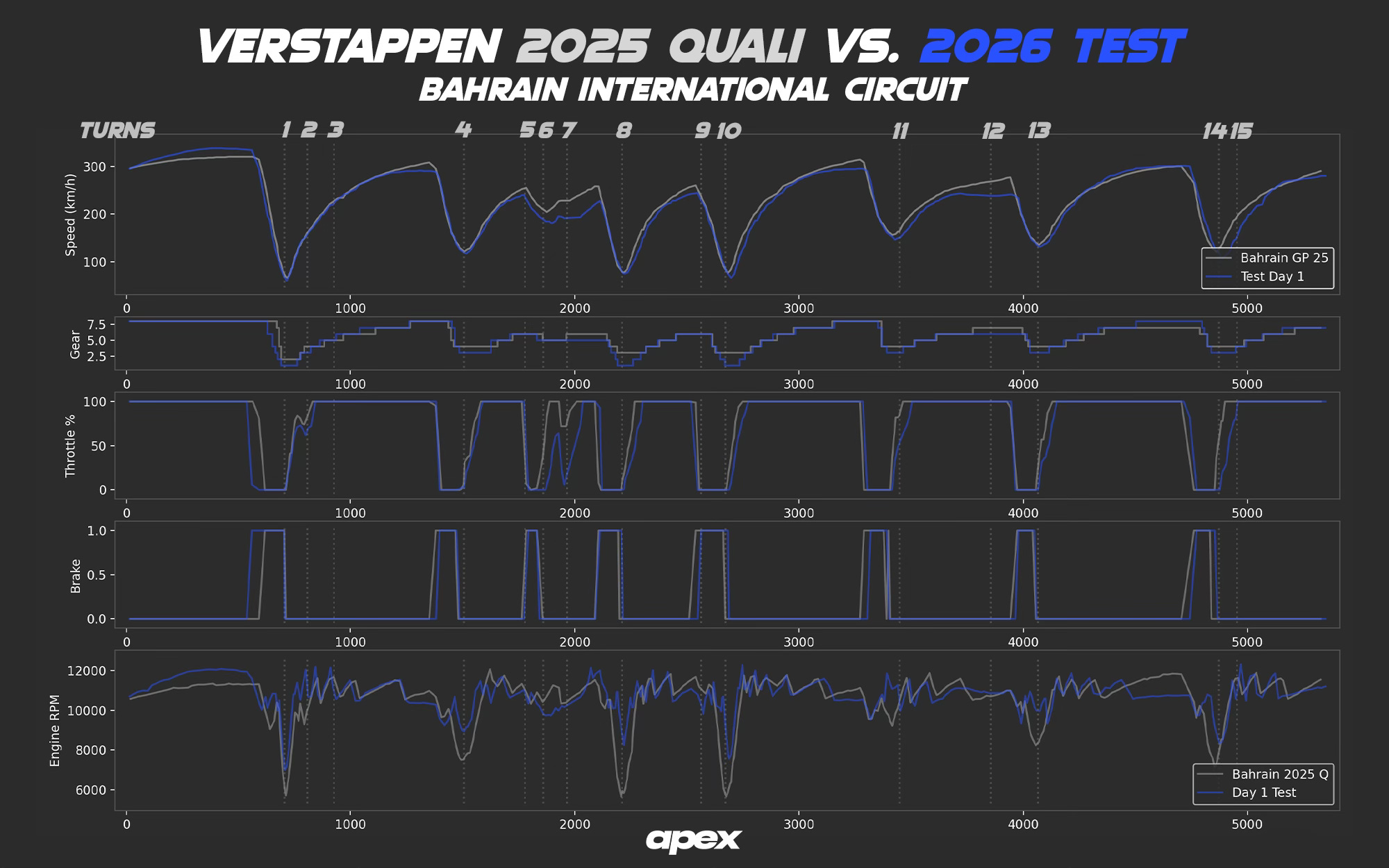
If we compare Verstappen’s best lap from the 136 he did in the RB22 on the first day of last week’s test to his fastest lap from qualifying in Bahrain last year, the difference in the driving styles regulatory era-to-era is apparent.
Speed changes
While the 2026 cars have generally been hitting higher top speeds down the straights, owing to their lower drag (particularly when straight mode is activated) in combination with the increased electric power when deployed, the profile of the speed trace over a lap looks quite different to 2025.
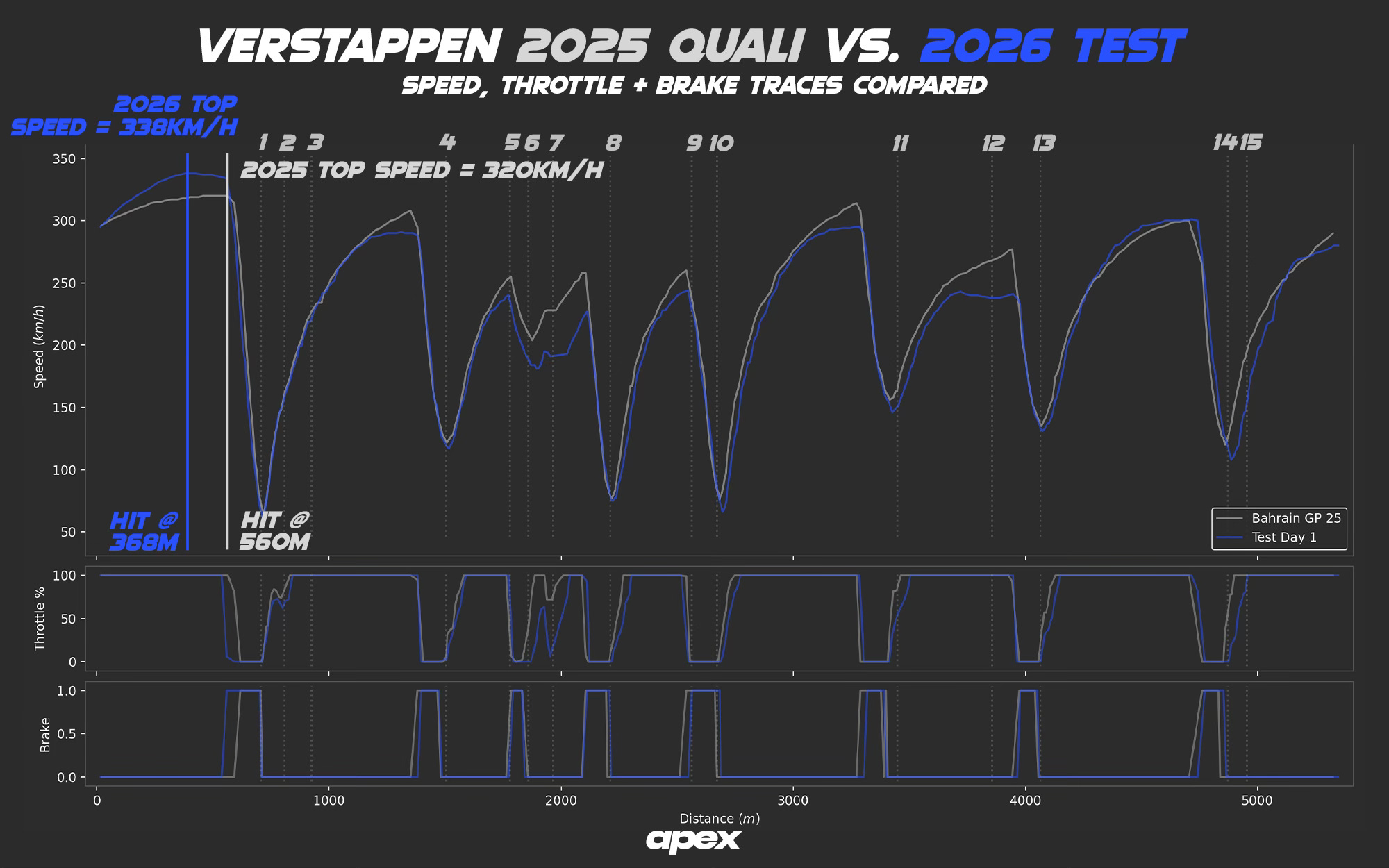
Over Verstappen’s 2025 lap (in light grey) and using the main straight as an example, we can see that his top speed (320km/h) comes just before he lifts off the throttle and hits the brake for turn 1 - or 560 metres into the lap.
However in 2026 (blue), his top speed of 338km/h comes just 368 metres into the lap, about 134 metres prior to him lifting off the throttle. Although the throttle is still flat and he’s remained in 8th gear, the speed is tapering off as the battery depletes.
That’s a pattern that repeats at the end of every straight, which makes this year’s speed trace appear more ‘curved off’ in shape compared to last year’s with its pointier peaks that came right before a corner or lift.
Gear changes
The gear changes made over the lap are also distinctly different in 2026 compared to 2025, with Verstappen taking a lower gear at most corners than he did last year.
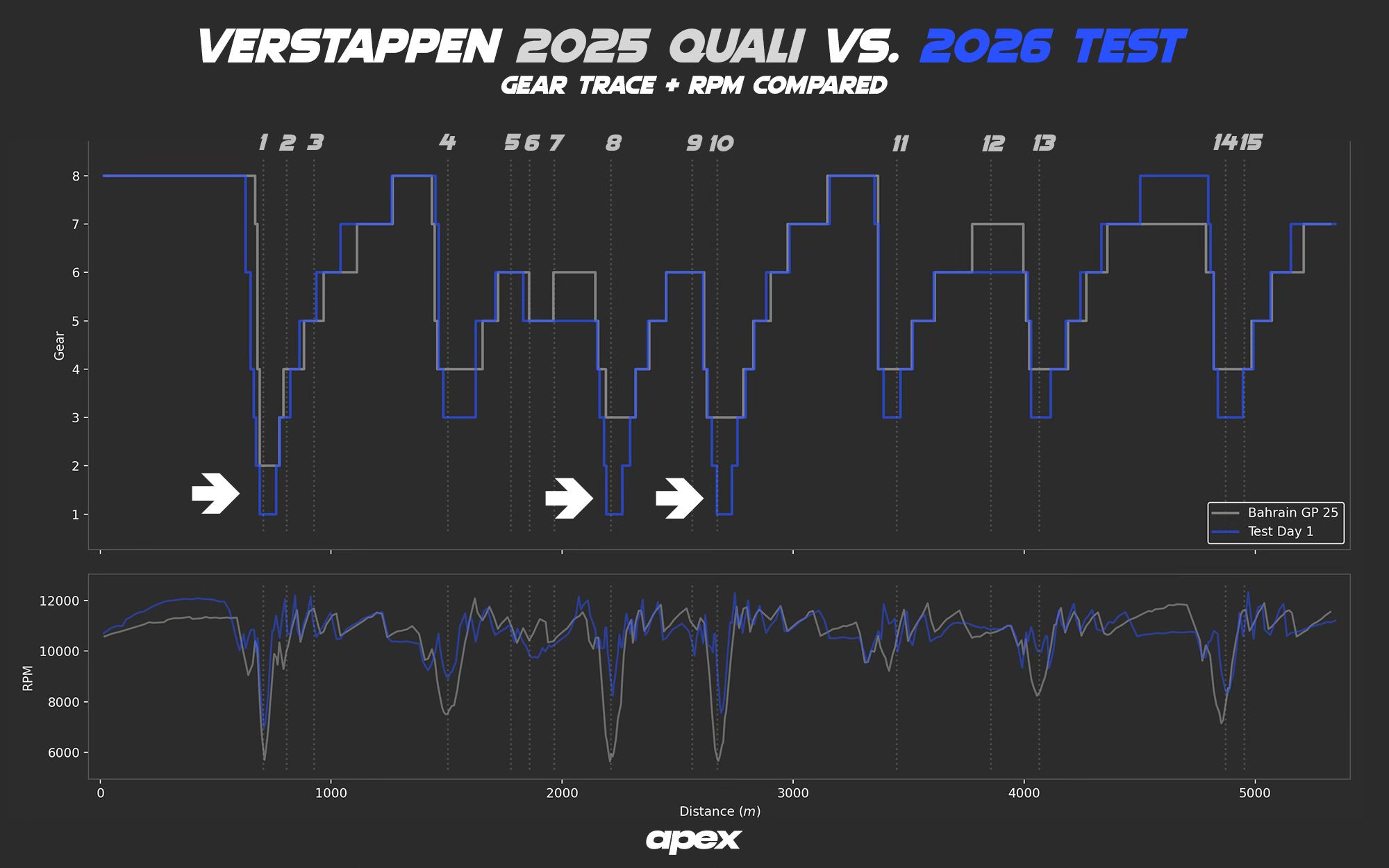
We’ve also heard of his downshifting to first technique, which we can see evidence of here at turns 1, 8 and 10, as he looks to kick up the RPM to not only charge the battery via the MGU-K but keep turbo lag at a minimum as he gets back on the power out of a corner. Last year, these corners were taken in either 2nd (T1) or 3rd gear (T8, T10).
Beyond those corners, and at turns 4, 11, 13 and 14-15 to be specific, this year we can see Verstappen opting for at least one gear lower than he did in 2025, even if the downshift is only brief - presumably as he looks to maximise the recharge over the full lap.
Lifting
So far this season, we’ve seen some drivers lifting more often over the lap or doing Li-Co (lift and coast) into a corner to harvest more, and while Verstappen isn’t necessarily one of those at this stage, we can see in the telemetry that where he does lift, he’s lifting more.
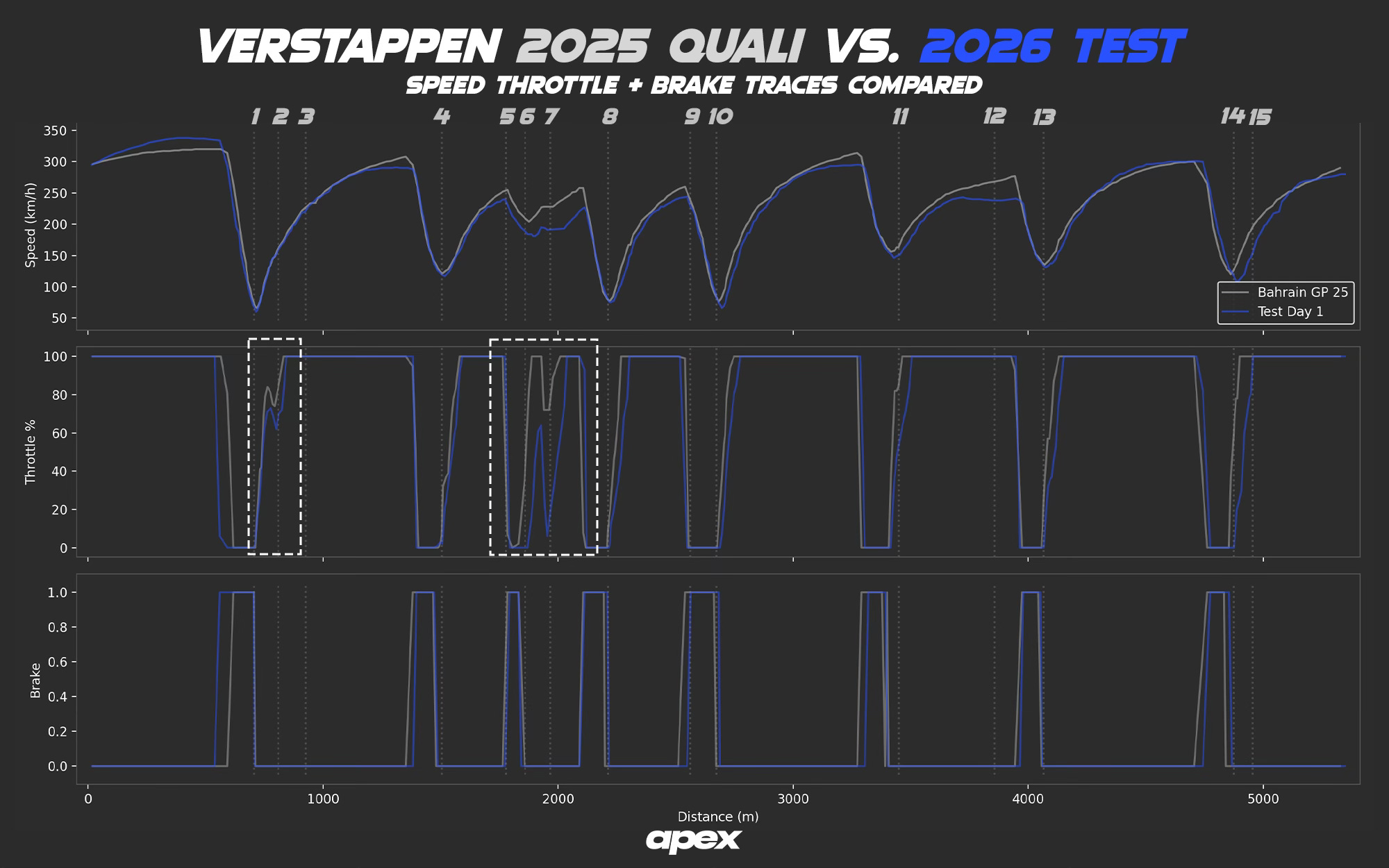
That could be due to the harvesting, but it could also be due to the lower downforce and smaller tyres and thus lower grip of them too.
Given that these larger-than-typical lifts are in higher speed corner sequences like turns 6-7, and in that case is followed by a harvesting opportunity in turn 8 (where Verstappen shifts to 1st gear), we could perhaps assume that to be the reasoning as opposed to the harvesting, although it won’t hurt that either.
Together, analysing these different aspects of the telemetry indicates that Verstappen is right about these cars no longer being able to be driven “flat out”.
Instead, as predicted and anticipated, energy management and the delicate balance of harvesting and deployment over a lap has to be the priority and looks to be the driving factor behind lap time optimisation.
As a self-described “pure driver”, it’s easy to understand, even at this early stage, how Verstappen feels these regulations are compromising his ability to find performance by pushing the car to its very limits.
What remains to be seen is the impact of that come a qualifying hour or grand prix, and whether Verstappen feels content to stick around through an era he feels is “anti-racing”.