

New challenges at a familiar venue: Technical preview for the Australian Grand Prix
It's almost time for the first chapter of this new era for F1 to be written, and while there are unknowns aplenty and new challenges on the horizon, we're heading to a familiar venue...


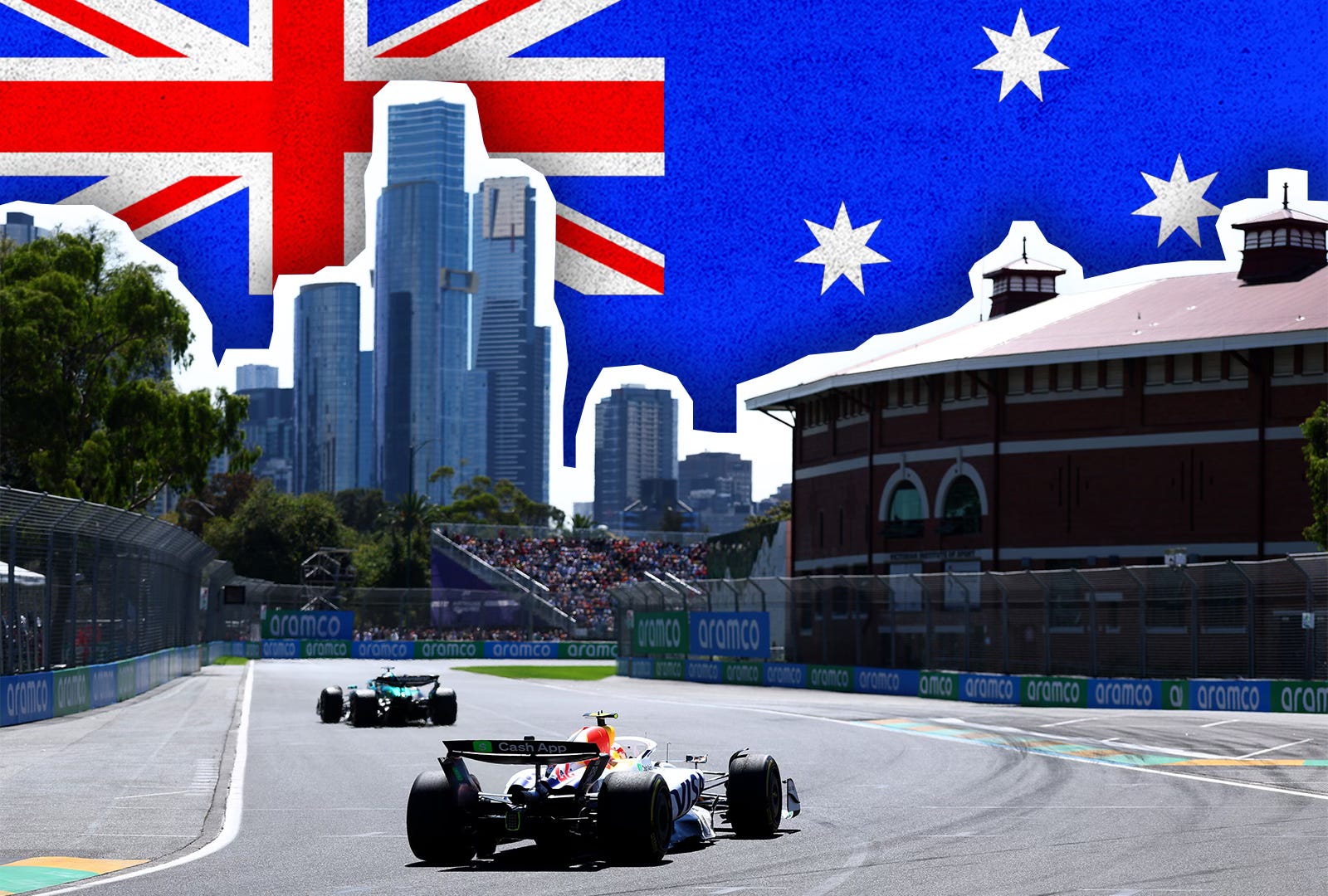
The opening round of the 2026 season and this brand new era for Formula 1 is taking place at Albert Park in Melbourne. While it’s the second consecutive year of the venue playing host to race one following the pandemic, it had done from 1996 until 2019 prior to then, with the exceptions of 2006 and 2010. It also means that this weekend marks the 30th anniversary of the first championship Grand Prix held at the venue.
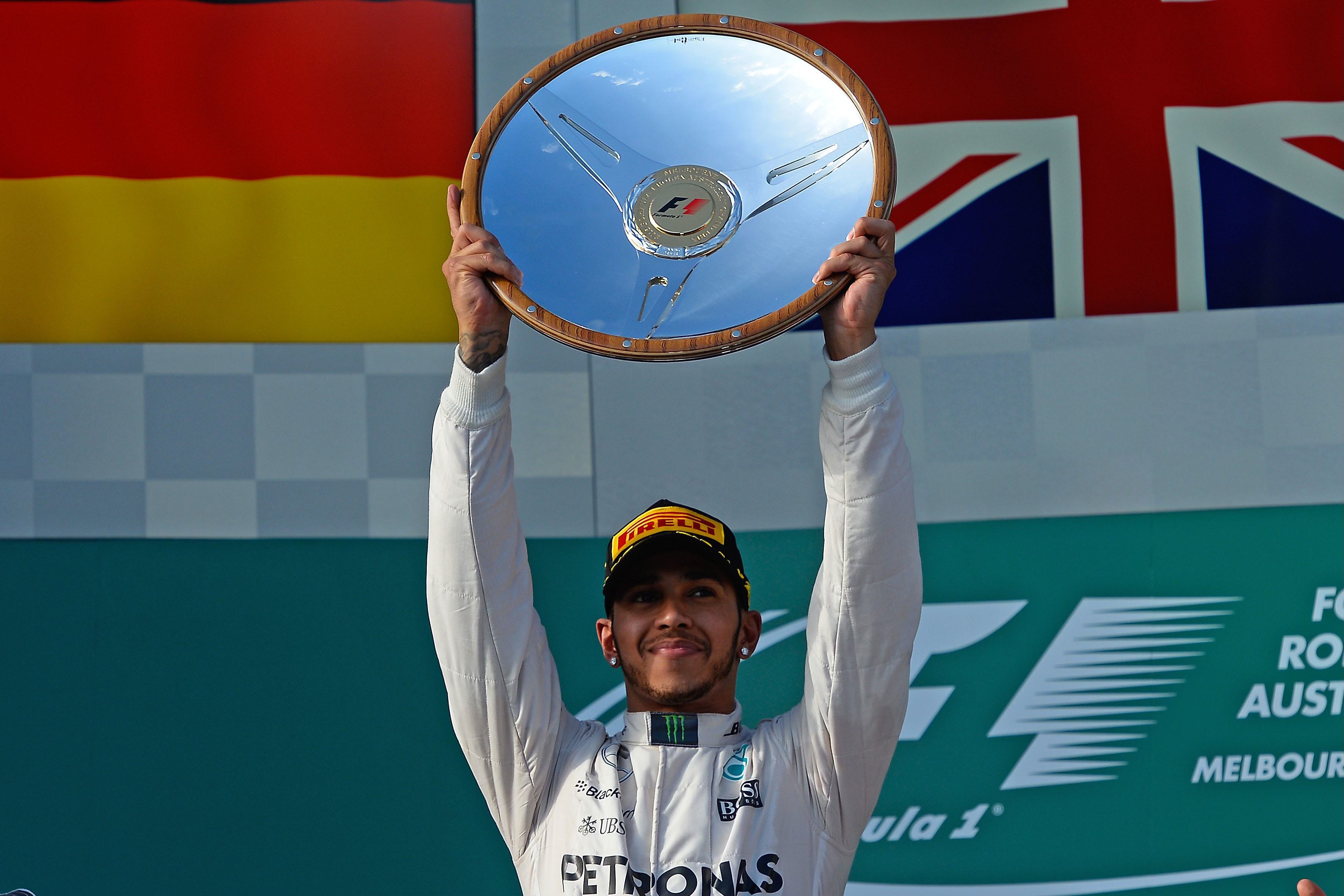
Over the 28 grands prix it’s hosted, Michael Schumacher remains the winningest driver after having stood on the top step four times. Of the drivers on the grid this year, seven are race winners in Melbourne with Lewis Hamilton having had the most success at this circuit with two wins, a huge eight pole positions, and ten podiums.
It bodes well for him this year that Ferrari are also the most successful team in Melbourne, having earned ten victories here, the most recent of which came in 2024 with Carlos Sainz. But that race, and in fact most of them held at Albert Park since its return to the calendar in 2022, have been full of chaos…
Characteristic Considerations
Its nature as not only one of the fastest circuits on the calendar, but also a temporary, street track gives rise to that chaos. With the exception of the two to three months before the grand prix and around six weeks after it, Albert Park is just that - a park - that is open to and used by the public.
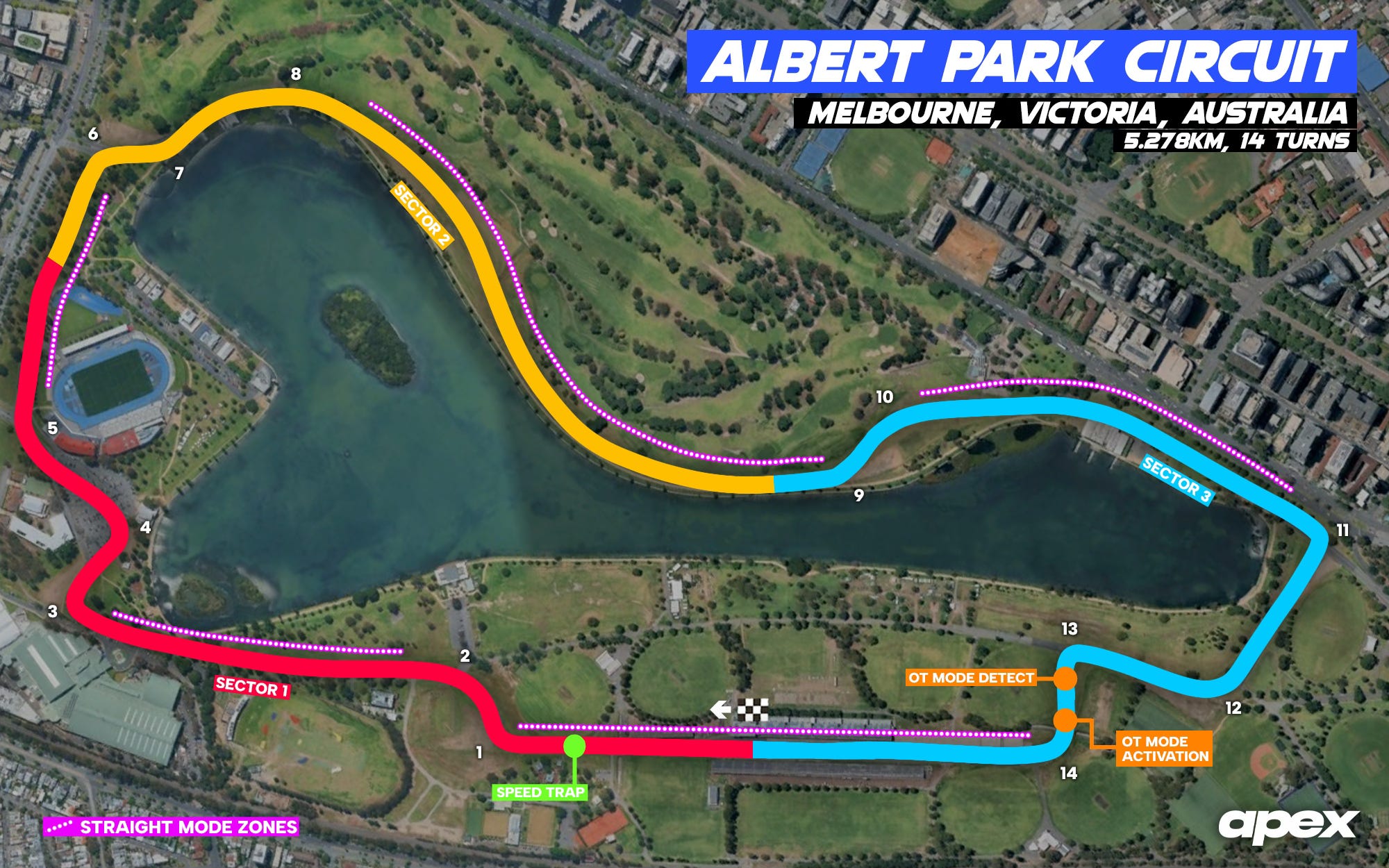
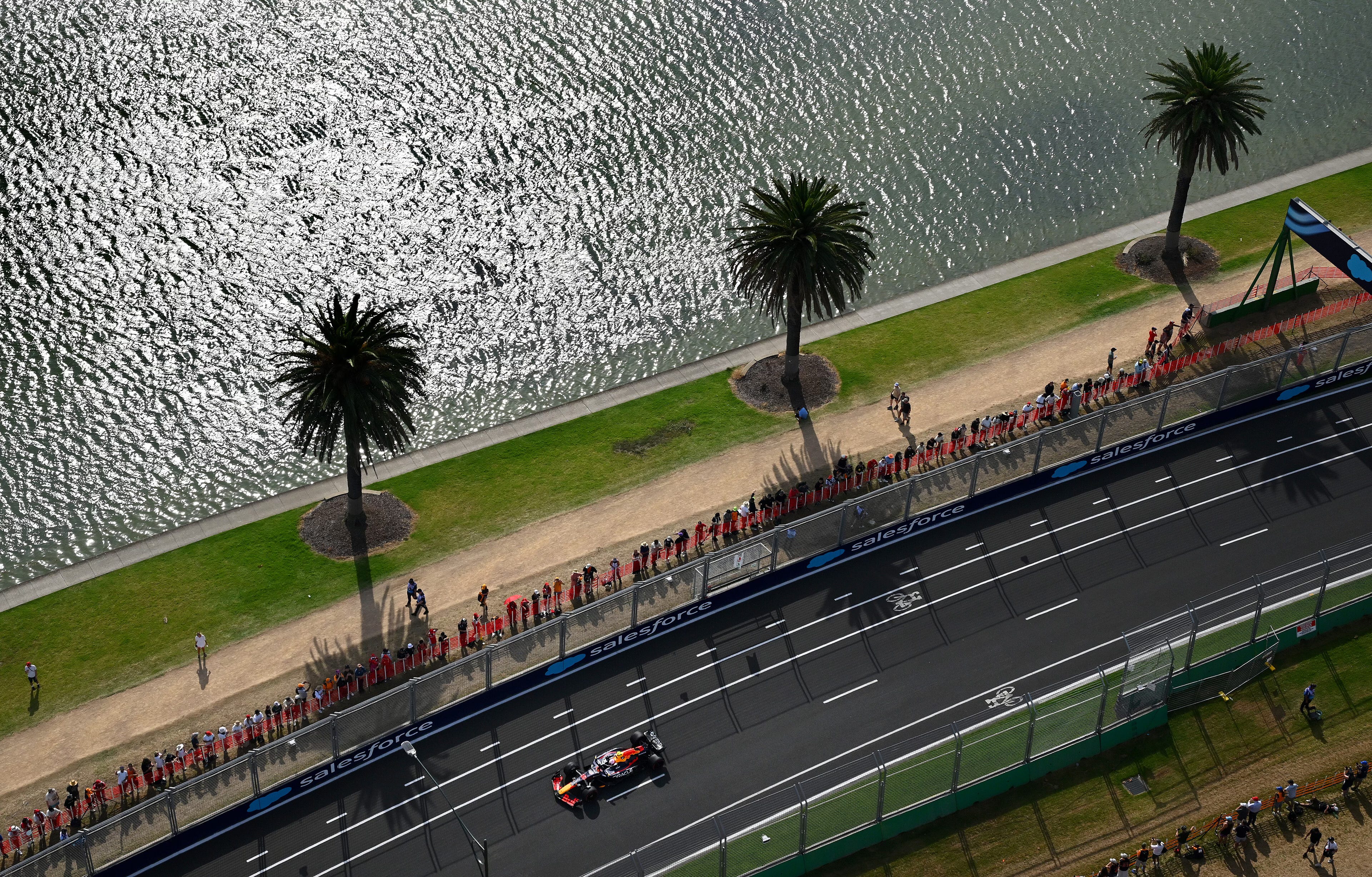
When the organisers begin its annual transformation into an F1-ready circuit, the catch fencing, barriers and gravel traps simply slot in around the roads that already outline the lake which results in a flowing, sweeping lap with not a lot of room for error. There’s very little differentiation in characteristics over the three sectors with them each featuring longer, faster straights and changes of direction with more medium speed technical corners such as turns 3, 6, or 13.
As a temporary setup, the asphalt, while very smooth, can also be lower grip and ‘green’ at the start of the weekend with track evolution ramping up, and therefore lap times coming down, as the sessions tick down. That can give rise to graining, even if at very low levels.
Straight mode zones & Overtake mode activation
Although no major physical changes have been made to the circuit in line with the new 2026 regulations, the drivers will now contend with ‘straight mode’ zones rather than DRS zones.
Since its return to the calendar in 2022 with a number of alterations to bring the speed up but also increase the overtaking chances, Albert Park featured four DRS zones. This year, those have been replaced by five straight mode zones - with four replacing the DRS zones almost directly, and the additional one coming on the run from turn 5 to turn 6.
With the addition of overtake mode comes its detection and activation points, which in Melbourne will come between turns 13 and 14.
‘Harvest poor’ expectations
As a higher speed circuit with fewer lower speed corners than Bahrain where the teams have just spent six days testing, Melbourne will present them with a different challenge when it comes to the energy management required under this new regulation set.
In Bahrain, Oscar Piastri commented that “depending on where you set your optimality, you don’t have to do much lift and coast”, whereas taking that same approach in Melbourne will likely leave a driver with a flat battery, and down on lap time, very quickly.
While lift and coast will likely be a pervasive technique over the field, the buzzword of the pre-season, ‘super clipping’, will perhaps come into play more in Melbourne. It’s a technique that allows a driver to recover 250kW of electrical energy while they’re still flat on the throttle, for instance through higher speed corners or at the end of straights.
That’s a reduction versus the 350kW that can be recouped under braking or via a technique like lift and coast, but super clipping is often done where straight mode is available which can mean the speed deficit is less significant.
Effectively, the lower drag straight mode helps to balance out the speed deficit that comes from the reduction in horsepower to the rear wheels as the ICE is used for regeneration, to leave a driver perhaps better off for speed than they are when lifting off the throttle or braking, and thus triggering corner mode.
Given the five straight mode zones around Albert Park, including now the run from turns 5-6 which last year was taken from ~250-290km/h, and that over 70% of the lap was taken at full throttle, we can perhaps expect superclipping to come into play over most of them.
That will likely mean, as has been anticipated, a slower lap time but also lower top speeds at the ends of straights - a phenomenon also observed over testing in Bahrain.
The Compounds
This weekend will mark the first competitive outing for the 2026 tyre range with its new narrower width, and therefore reduced contact patch. What’s not changed however compared to last year is the selection of compounds Pirelli are bringing to Melbourne, which this year are the softest in the range given the removal of the C6. The C3 will be the hard, the C4 the medium, and the C5 the soft.
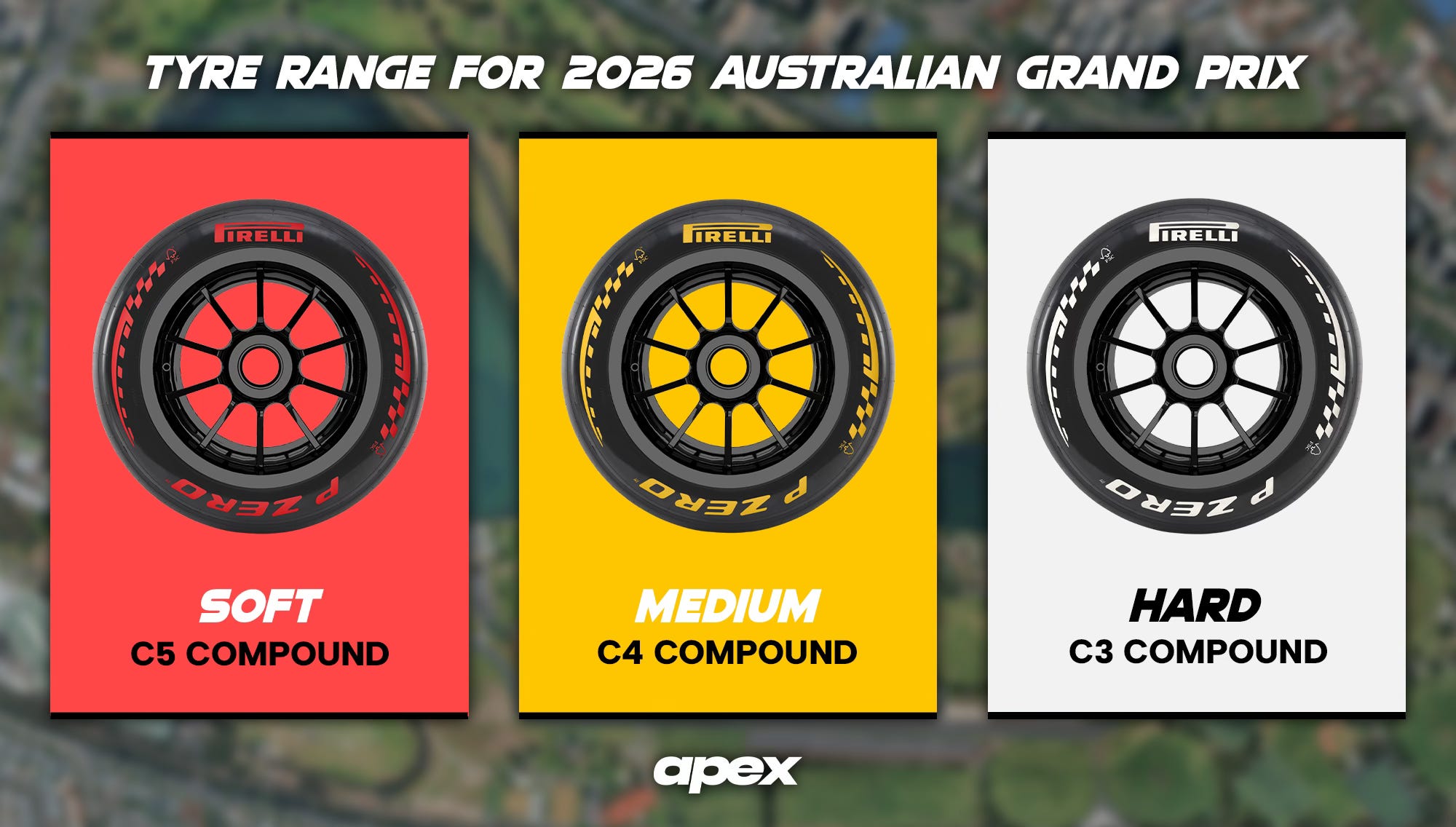
The layout of Albert Park doesn’t place the tyres under particularly high levels of stress typically and degradation, in the past at least, has been driven more by wear than thermal factors.
But this year, the characteristics of the cars themselves mean there are a number of unknowns over the behaviour of the tyres and how the teams will opt to use their allocations over the weekend, and Pirelli believe that the early indications of that will come from the number of performance and long runs done on Friday.
Those runs will also help the teams, and Pirelli themselves, understand the new, potentially more heavily asymmetrical, demands placed on the tyres by the increased torque delivered to the rear axle. That may need correcting, which Pirelli say could be done either by altering the tyre blanket temperatures prior to leaving the garage or through an additional preparation lap before a flying lap in qualifying.
Strategy Corner
It’s these factors and unknowns surrounding tyre behaviour, but also the level of overtaking that will be possible through the interaction of the Melbourne circuit layout and new measures such as overtake mode, that mean predicting strategy for Sunday’s grand prix is incredibly tough.
Typically, over a dry race here held under the last regulation set (the last of which came in 2024), the medium and hard have been the most used under a two-stop strategy, but the soft has had a role to play, particularly for a starting stint. This year, how prepared a team is to make use of the soft tyre will come down to the load generated by their individual car.
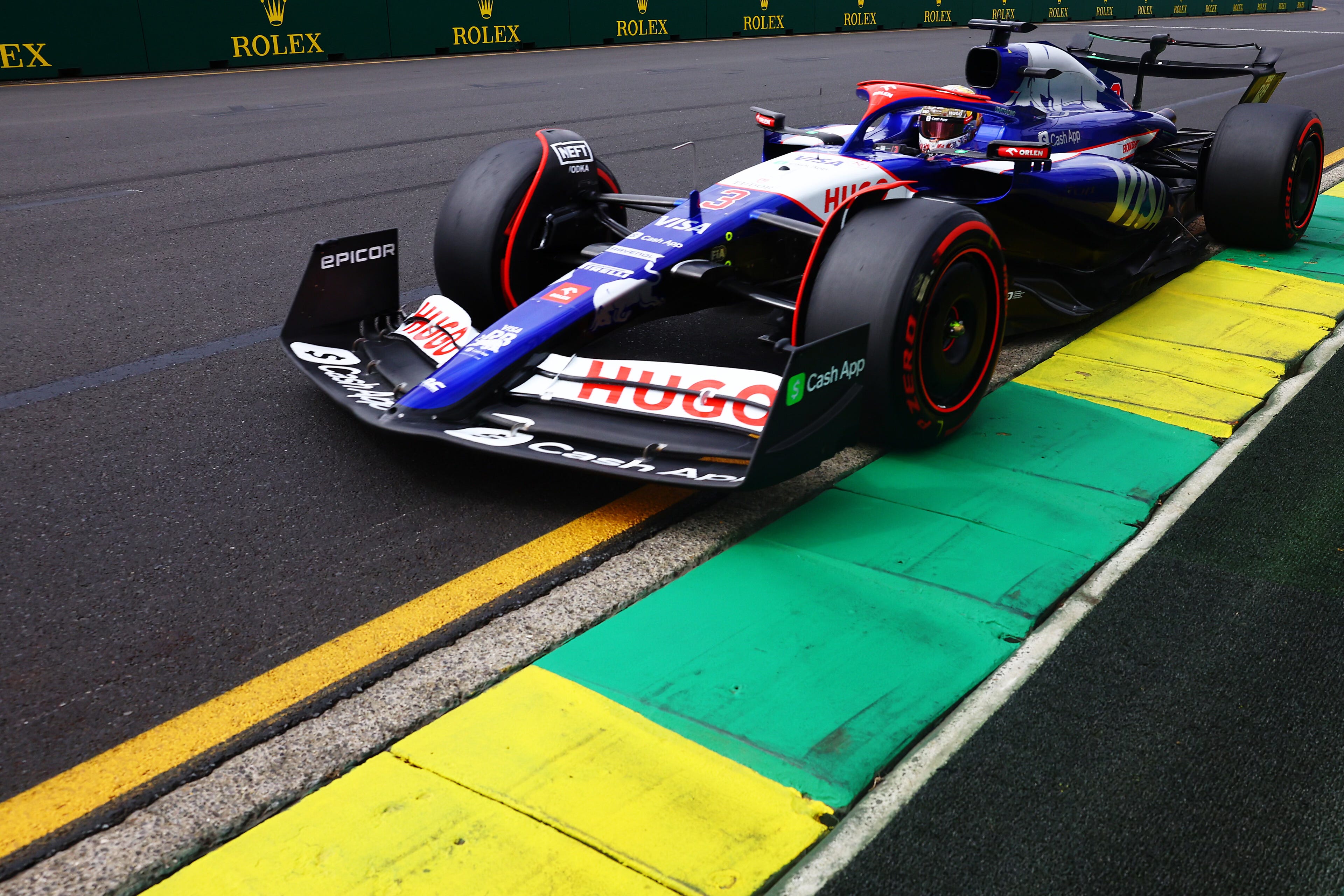
The weather will also of course play a role and the early autumn timing of this race in Melbourne has created mixed conditions in the past - with last year’s Grand Prix standing out as an example of the chaos that can cause. The teams might be relieved therefore that the weather this weekend is predicted to be warm and dry.
Fast Facts
In Her Corner


To celebrate International Women’s Day that coincides on race day in Melbourne, March 8th, Engineers Australia and the promoter have teamed up to highlight women in STEM roles under the ‘In Her Corner’ initiative. Turn 6 will be renamed ‘Mueller Schmitz’ to honour Laura Mueller, Esteban Ocon’s race engineer at Haas, and Hannah Schmitz, principal strategy engineer at Red Bull Racing.
A unique trophy
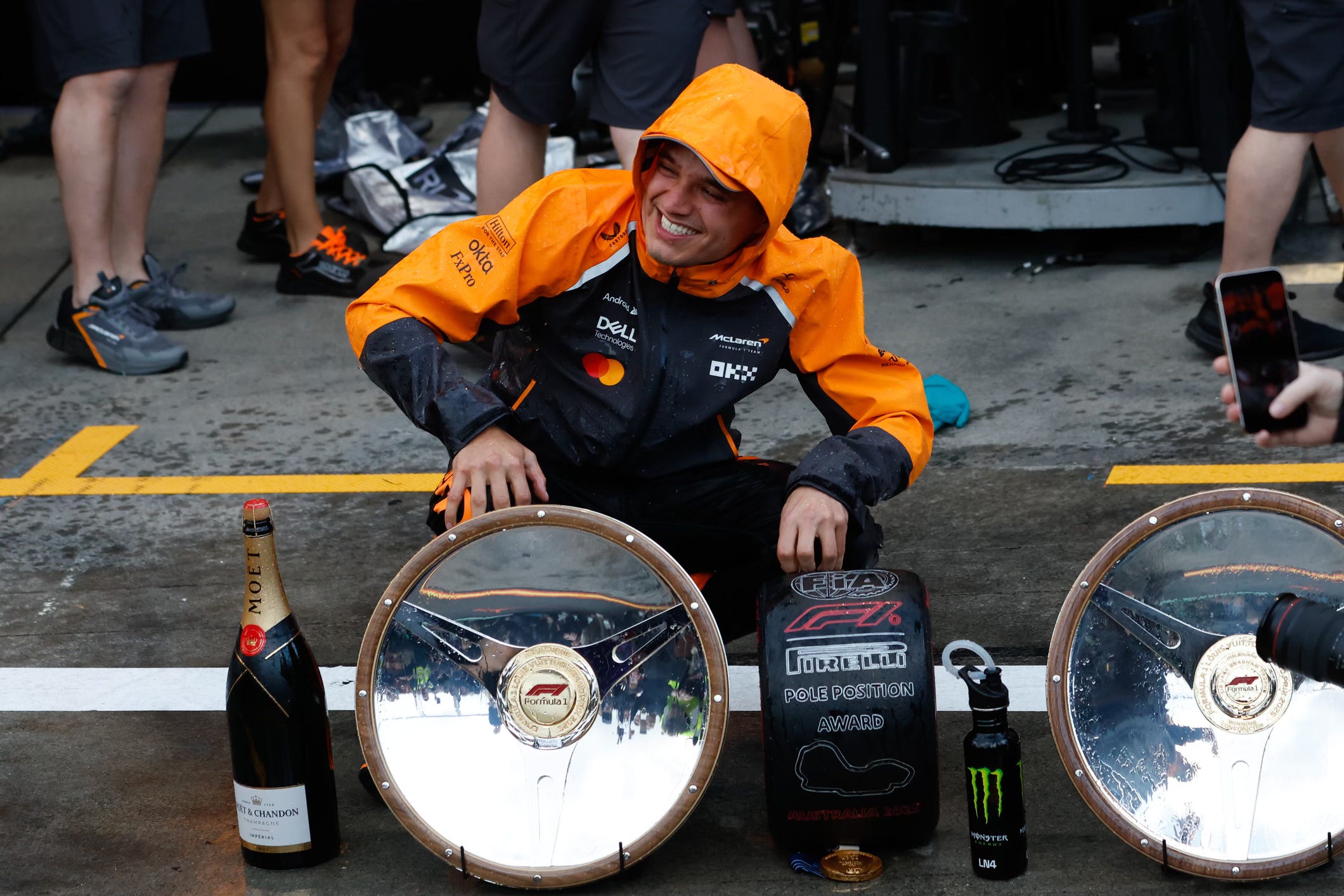
The Australian Grand Prix trophy design has remained almost untouched since the race was first hosted in Melbourne in 1996. It’s inspired by the steering wheel of Australian motorsport legend, and world champion, Jack Brabham’s 1959 Cooper-Climax T51.
No home podiums
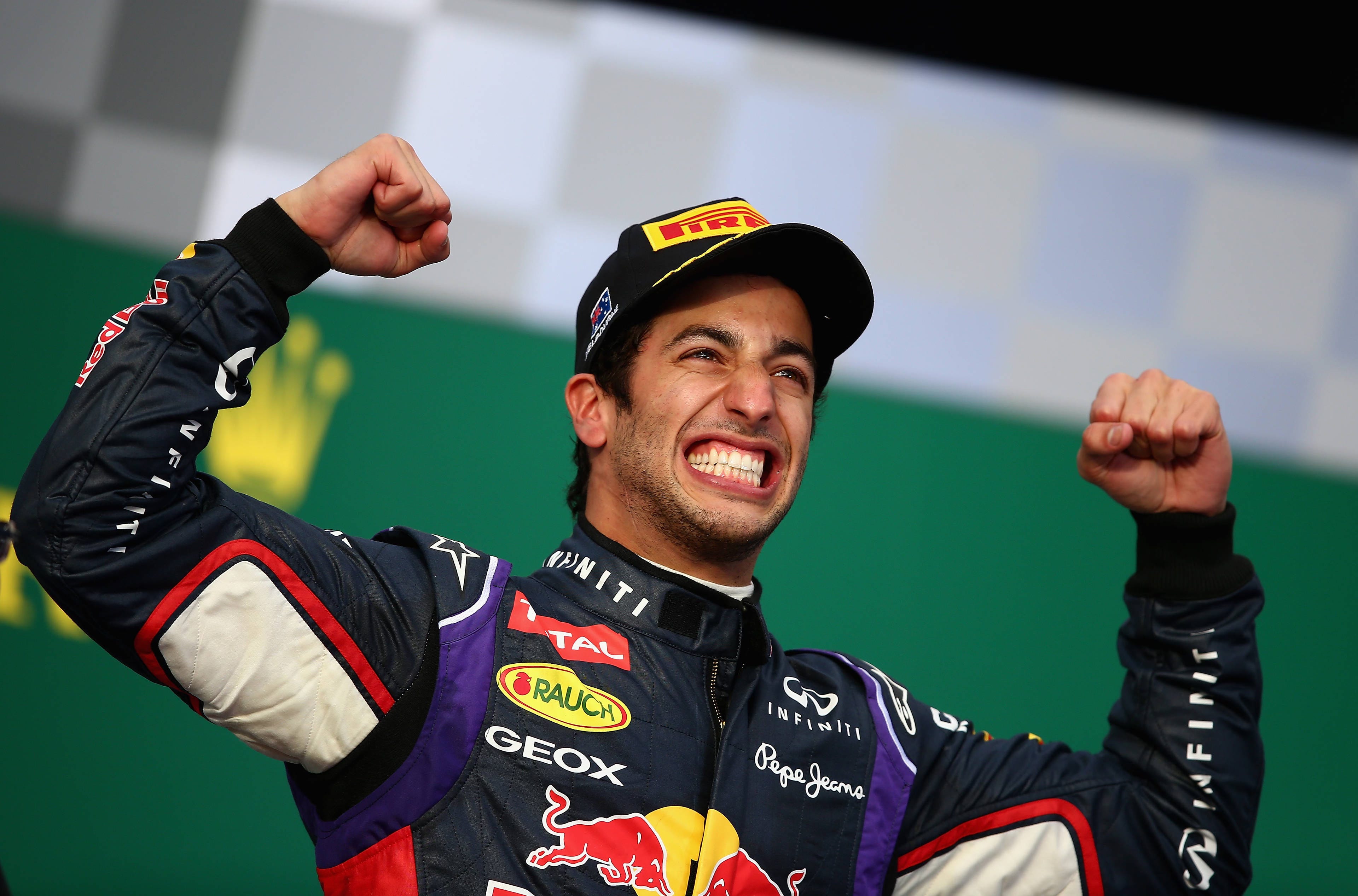
To this day, an Australian has never officially taken a podium in Melbourne, despite two having stood on it. Daniel Ricciardo crossed the line P2 on debut for Red Bull Racing in 2014 and took to the podium to claim his trophy, but was later disqualified as his car had exceeded the maximum allowed fuel flow limit.
Mark Webber finished P5 on debut for Minardi in 2002, a result that was so unexpected for the Australian driver who’d started from P18 that the organisers invited him and the team’s owner, Australian Paul Stoddart, onto the podium after the official ceremony to celebrate.
500 Grands Prix for one driver
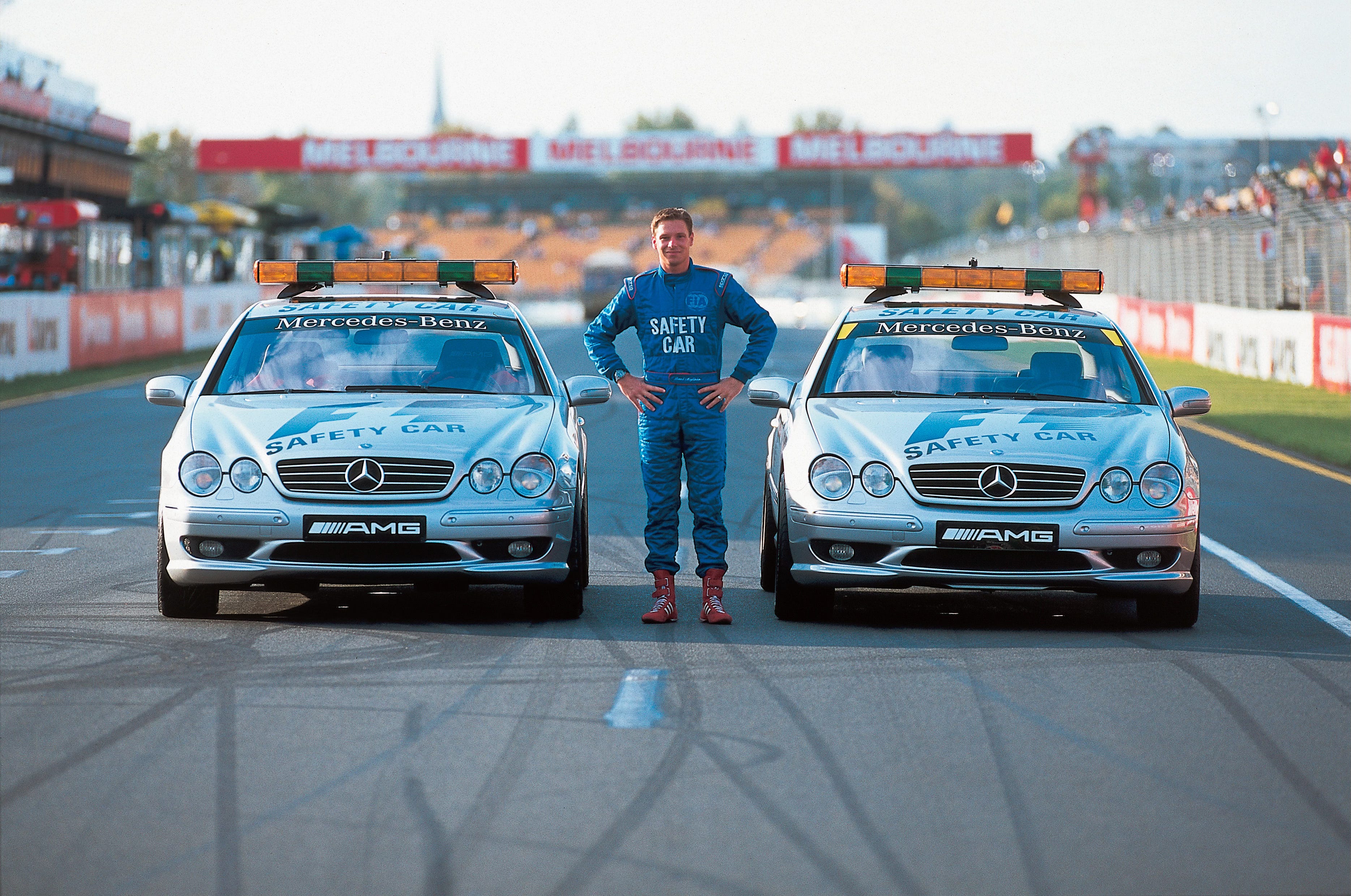
This weekend’s race will mark the 500th where Bernd Maylander has been the safety car driver. His first race weekend in the role was in Melbourne in 2000 and 26 years later, he’s still in the paddock!
The Australian Grand Prix, and the 2026 season, kicks off with free practice one at 12:30pm track time on Friday March 6th. Here’s how the rest of the weekend shapes up, with all times in local:
Practice 1 - March 6th - 12:30-13:30
Practice 2 - March 6th - 16:00-17:00
Practice 3 - March 7th - 12:30-13:30
Qualifying - March 7th - 16:00-17:00
Australian Grand Prix - March 8th - 15:00