

Mercedes set an ominous benchmark: FP2 Race Pace Analysis
Mercedes might believe they have work to do over their single lap runs, but comparing their long runs to the rest of the field indicates that they've set an ominous benchmark again...


The Data


Mercedes’ long run strength appears again…
Andrew Shovlin’s assessment of Mercedes’ day being “fairly straightforward” might be an understatement, at least where their long run pace is concerned. After having gone 1-2 in the times in FP1 they were behind Piastri by the end of FP2 for single lap pace. But they had not only set an average pace over long runs in that session that was 0.749s clear of Ferrari as their closest competitor, they’d also done longer runs on all three compounds over the full day of running.
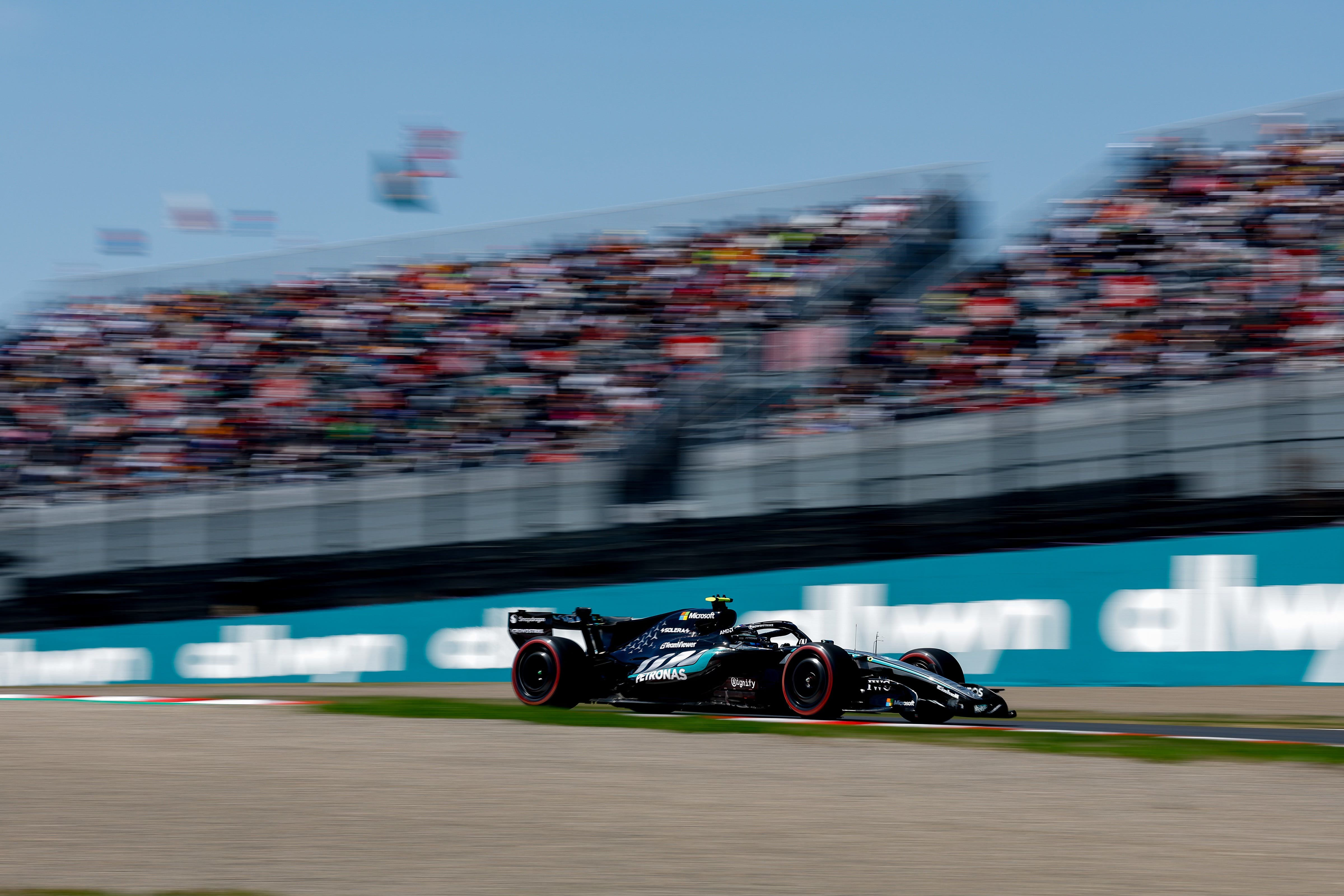
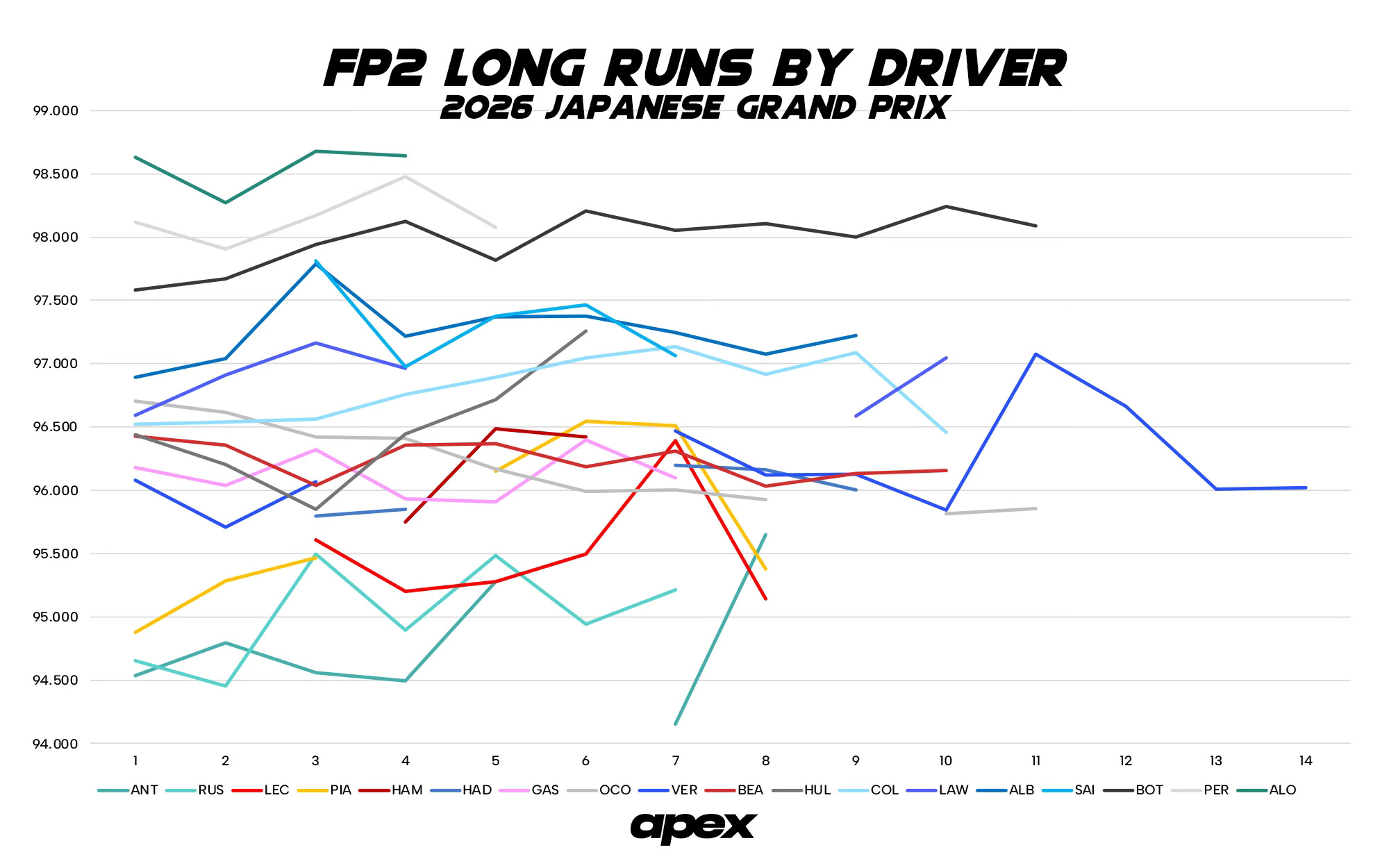
It indicates that while they admitted to having struggled more with the challenge Suzuka poses from an energy point of view over a qualifying simulation, that may have been less of a difficulty for them lap-after-lap. Although, looking at their lap times graphed, there were some fairly large jumps in pace over the stints on the mediums by Russell and Antonelli.
Overall however, Andrew Shovlin, the team’s Trackside Engineering Director, concluded that “we are in a reasonable place” in terms of pace, though he did acknowledge that “McLaren and Ferrari have posted impressive times during the day so we're not taking anything for granted.”
Ferrari versus McLaren?
A level of inconsistency of lap time over a stint was something seen elsewhere - Oscar Piastri particularly looked to struggle with it over his seven laps on the medium. As the only McLaren to do a longer run, he was left 0.095s adrift of Ferrari’s average pace over stints by Leclerc and Hamilton, indicating that the battle may have moved from Mercedes versus Ferrari, as we’ve seen so far this year, to Ferrari versus McLaren, at least for P2.
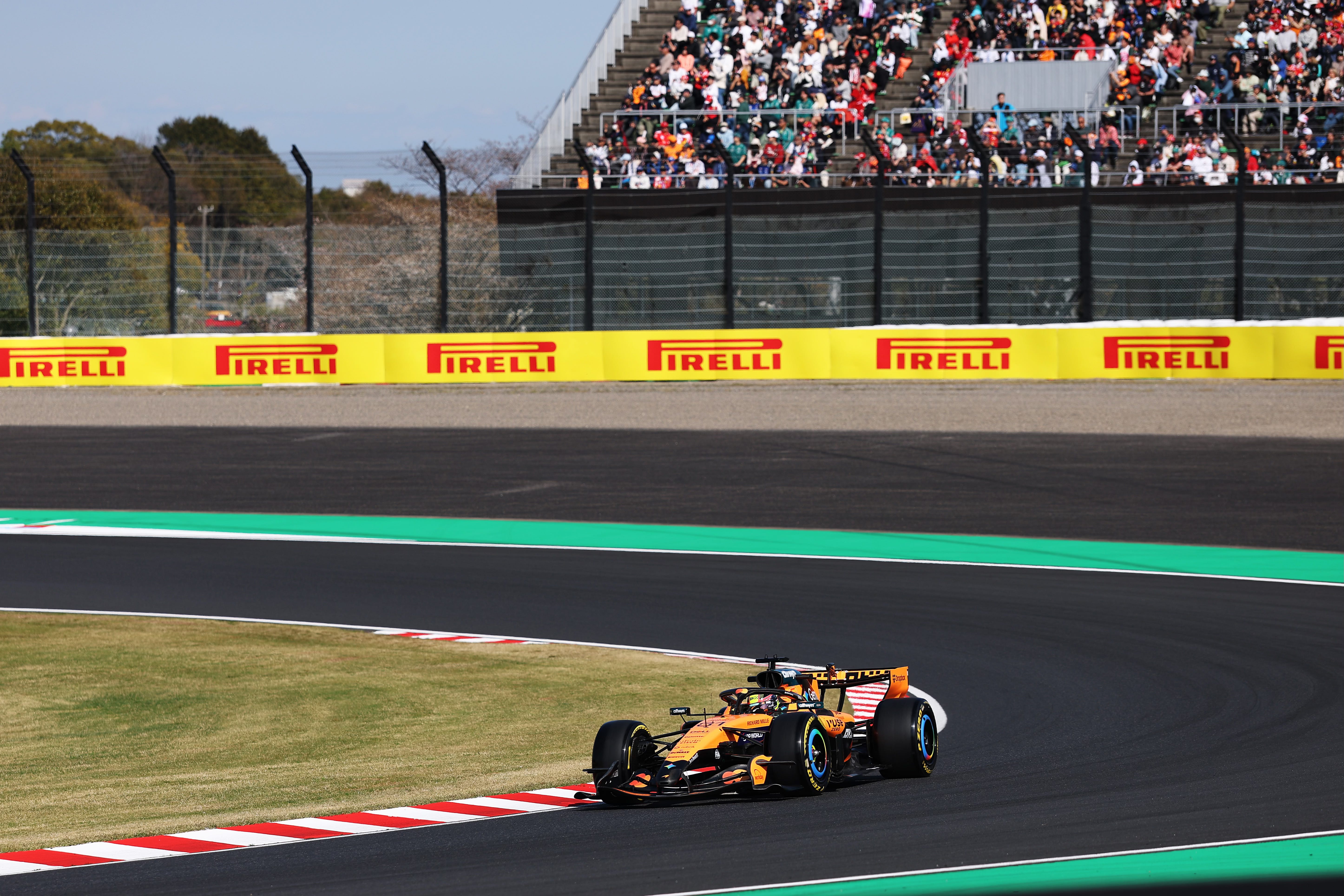
McLaren moving to have at least one car in the top four places in both sessions was a result of them “working hard to extract the maximum from the package,” according to their Senior Director of Racing, Randy Singh. He emphasised that they remain “realistic” however, even if George Russell did admit that there’s “no reason not to believe that [McLaren’s pace] isn’t genuine”.
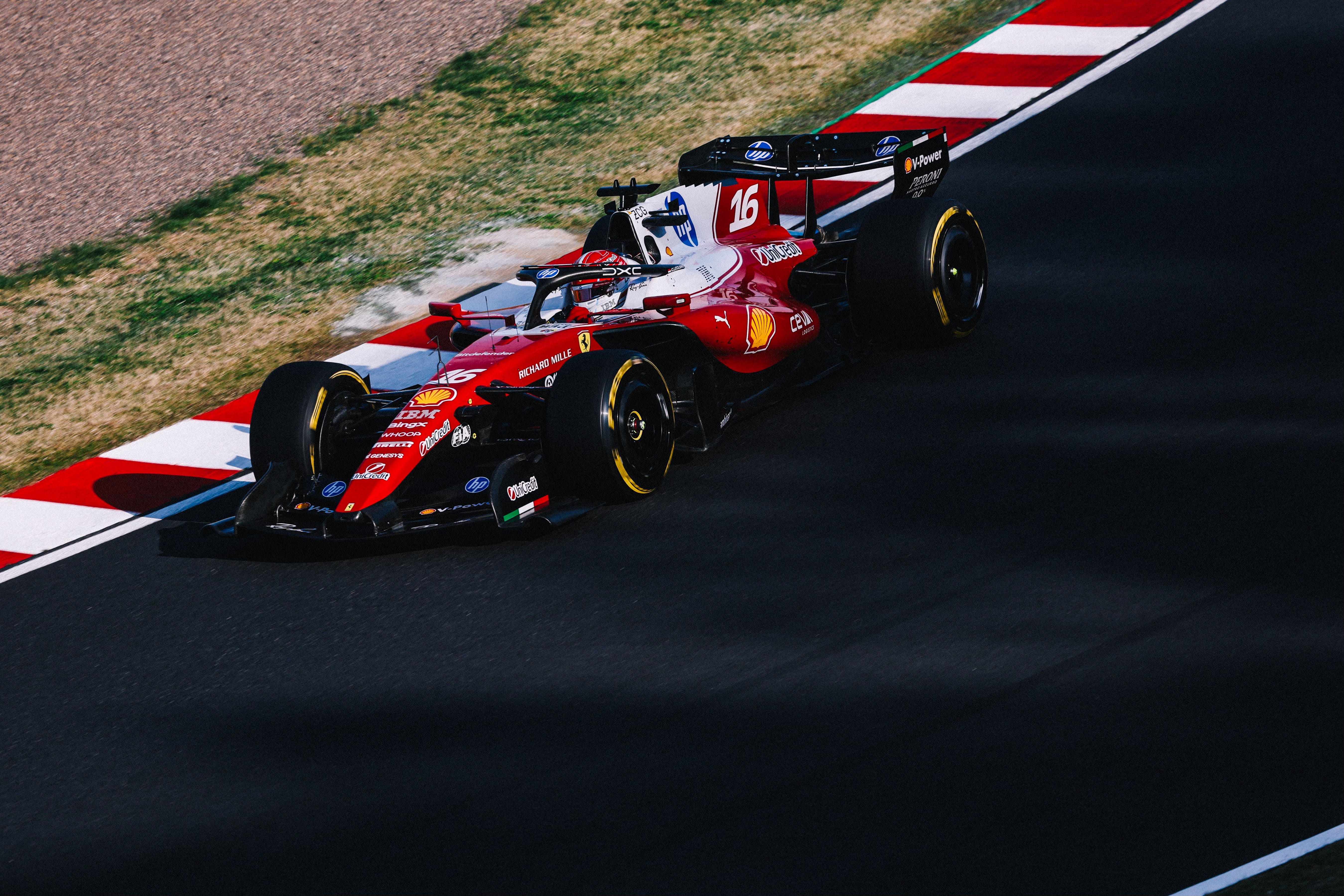
But, at least at a driver level, Leclerc was Antonelli and Russell’s closest rival - his average time was 0.422s off Russell’s. Unlike Hamilton who only managed four laps in pace range, Leclerc was able to log seven, allowing him to conclude that “our race pace seems to be good so far”. They did struggle more for balance and stability over single laps which may leave them compromised in qualifying, yet more able to hold off a potential challenge from McLaren come Sunday.
Red Bull join the midfield?
With an average time of 1:36.138 over the 17 laps completed on the hard tyre by Hadjar and Verstappen, Red Bull are left over 1.2s adrift of Mercedes’ benchmark and, as such, closer to the midfield than the top three.
That may be a function of that hard tyre use versus the mediums that were run by the top three teams, but that wouldn’t entirely explain the almost four tenth gap to McLaren as the slowest of that top three. Instead, it appears to be arising from an overall tricky day for the team as both drivers struggled with balance - Verstappen only just scraped into the top ten in FP2 with his quickest lap, and Hadjar was left in 15th.
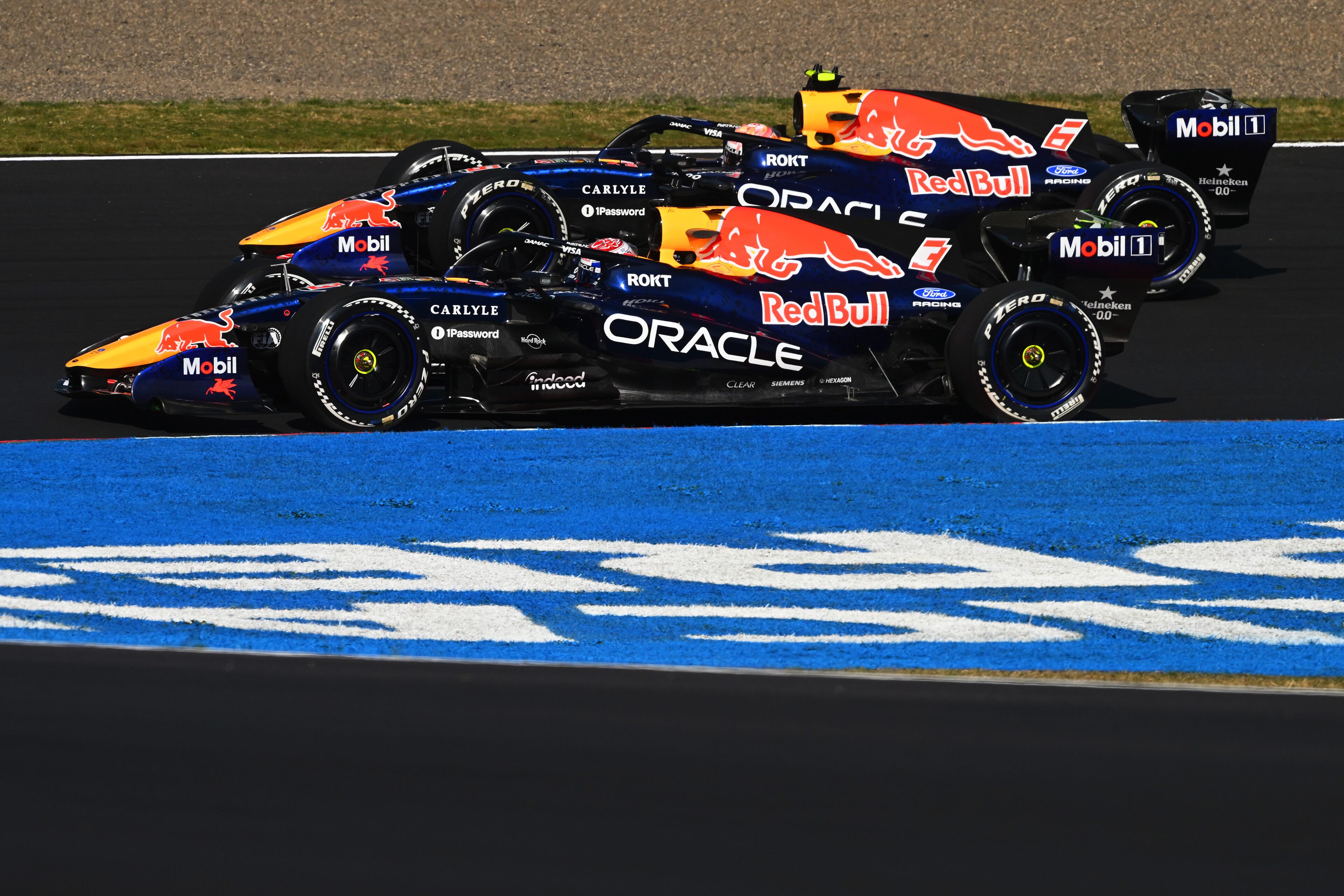
Their Chief Engineer Paul Monaghan said, “you can see from our pace that the car isn’t performing to the usual standards that we set ourselves and the overall lap time is not good.”
“It has been quite challenging, but we’ve identified some things that are wrong with the car and we particularly need to work to correct the balance and the grip.”
Red Bull have arrived in Suzuka with a “quite big” suite of upgrades, as Monaghan himself put it, yet he also said “these are working” and the issues they’re suffering are coming from “other aspects of the car”.
They’re known for their trademark Friday to Saturday turnarounds, and after the promise of one of those fell flat in Shanghai, they’ll be hoping they can make a return.
Less than 0.35s splits the midfield…
If we’re including Red Bull in that midfield group given that their deficit to Mercedes was 0.076s off Haas’ behind but 0.393s off McLaren’s ahead, then just shy of 0.35s splits the group of four teams within around a second and a half of the pace.
Aside from Red Bull, it’s Haas who lead that group after Ocon and Bearman logged the most joint laps of anyone with their race simulations at 20, all on the medium. Their intra-team race pace delta was as tight as their single lap delta by the end of FP2, with the former sitting at 0.045s and the latter at 0.034s.
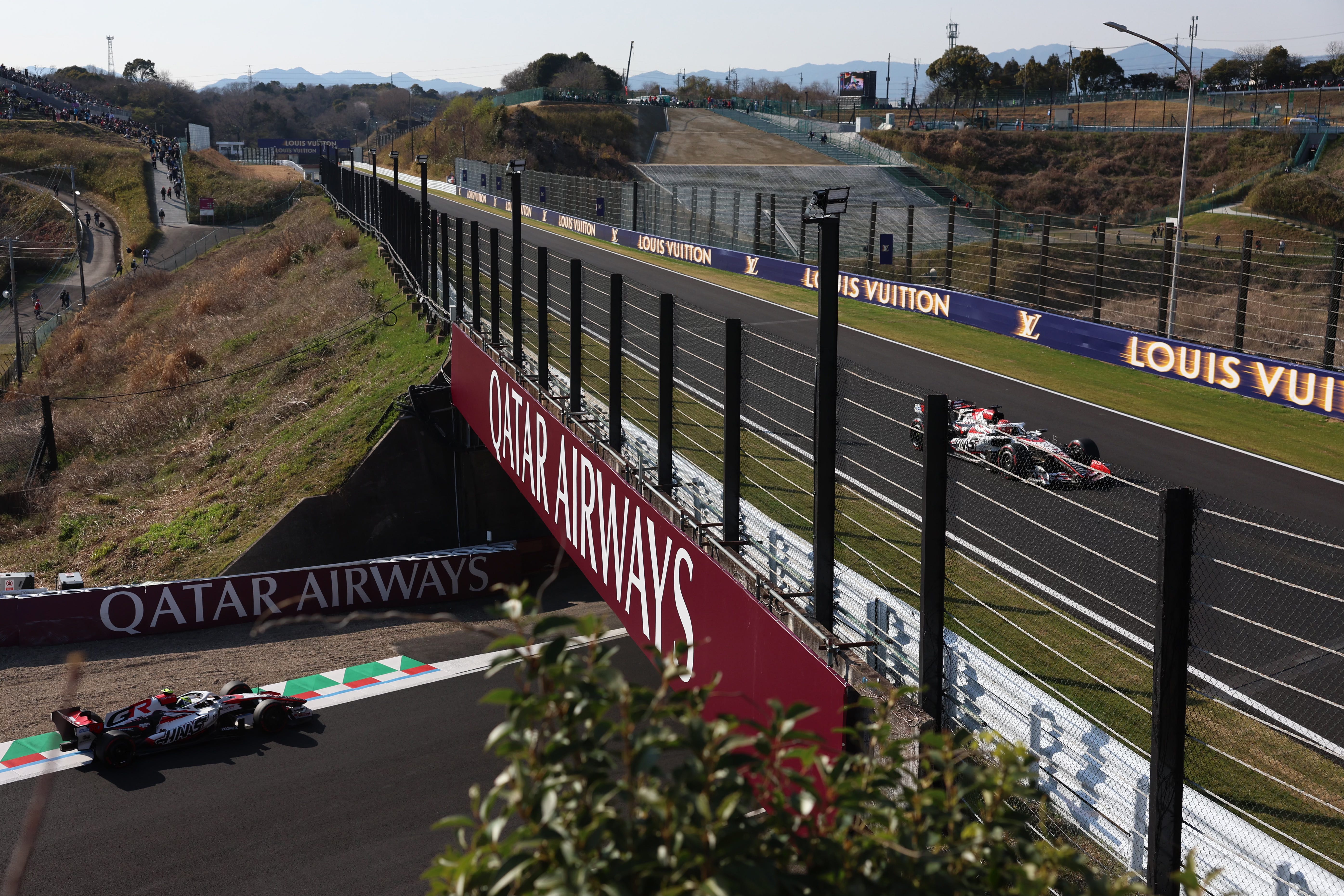
But given that that leaves them within three tenths of the pace of both Alpine and Audi, Ollie Bearman felt that their goal overnight had to be “to find some lap time” and increase that gap given that overtaking is “very tough” here, or at least was last year.
Alpine, on the other hand, find themselves in that group after a much trickier day than Haas - both drivers found themselves involved in incidents over FP2, but overall Colapinto’s inexperience at the circuit showed to leave him 0.71s adrift of Gasly’s pace, who also felt the “feeling in the car is still not where I want it to be”.
“If we can make some small improvements, I think it will have a big impact to our end result,” he said, and he’s perhaps not wrong with how tight the field is.
Audi’s average time here is shaped by Hulkenberg alone as Bortoleto had to have a gearbox change, compromising his ability to complete a long run. Nevertheless, Hulkenberg’s pace over the 6 laps he did on the hard tyre was relatively strong, leaving them with a “positive starting point”, as he said.
Struggling with long runs, quicker on single laps…
Racing Bulls have found themselves in a similar position pace-wise to where they were during the Chinese Grand Prix, slightly adrift of the main midfield group, but ahead of Williams, Cadillac and Aston Martin. This time, it’s a result of Lawson’s pace alone as Lindblad was unable to complete a longer run, or much running at all, in the representative FP2 session as a result of a gearbox issue.
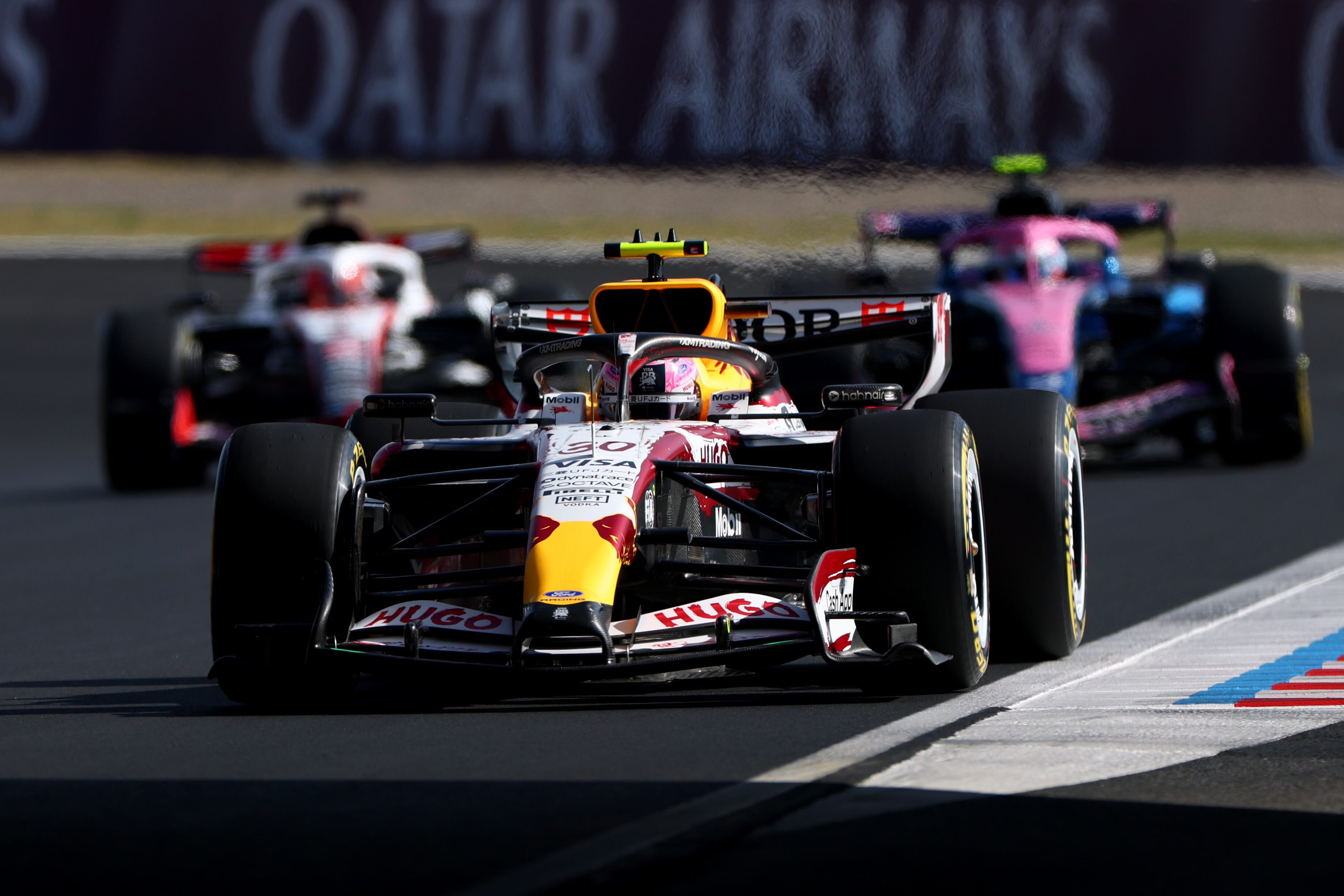
Lawson ran the medium tyre for 7 intermittent laps and the result is long run pace that doesn’t quite represent the qualifying pace he showed, which ranked him inside the top 12 over both sessions, with Lindblad also finishing P10 in FP1. That’s perhaps what’s behind Alan Permane’s, their team principal, comments about them being “right in the thick of the midfield battle”, as the race pace alone doesn’t quite suggest that.
It’s no secret that Williams’ start to 2026 hasn’t quite gone to plan and the team are contending with a number of issues, not least their car’s weight, and that reflects in their long run pace, which was on average 2.353s off Mercedes’.
Despite that however, and a slightly messier day all round, Albon ended FP2 in P8 with Sainz in P13 - both in that midfield mix over a single lap.
Carlos Sainz reflected that “we’re struggling with race pace in the high fuel runs”, yet Albon was positive that “the car is feeling better” so there’s perhaps opportunity for that to begin to reflect in the long-run pace as it has in the single lap pace.
The back markers…
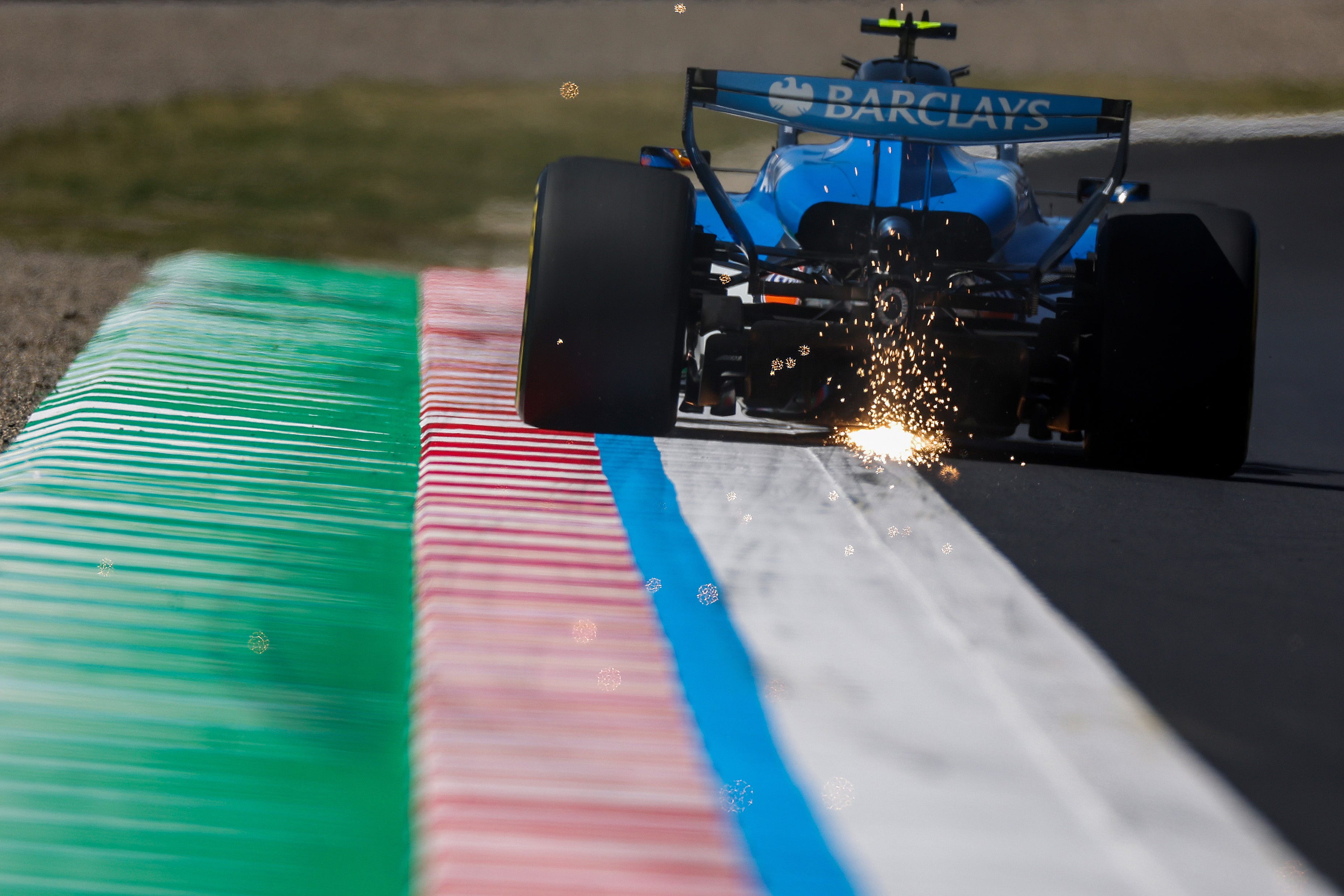
Right at the back of the field, both over 3 seconds off the benchmark pace, are Cadillac and Aston Martin. Unlike Aston Martin, whose pace here is only represented by four laps on the soft by Alonso, Cadillac actually completed 16 laps in total with Perez on the hard tyre and Bottas on the medium.
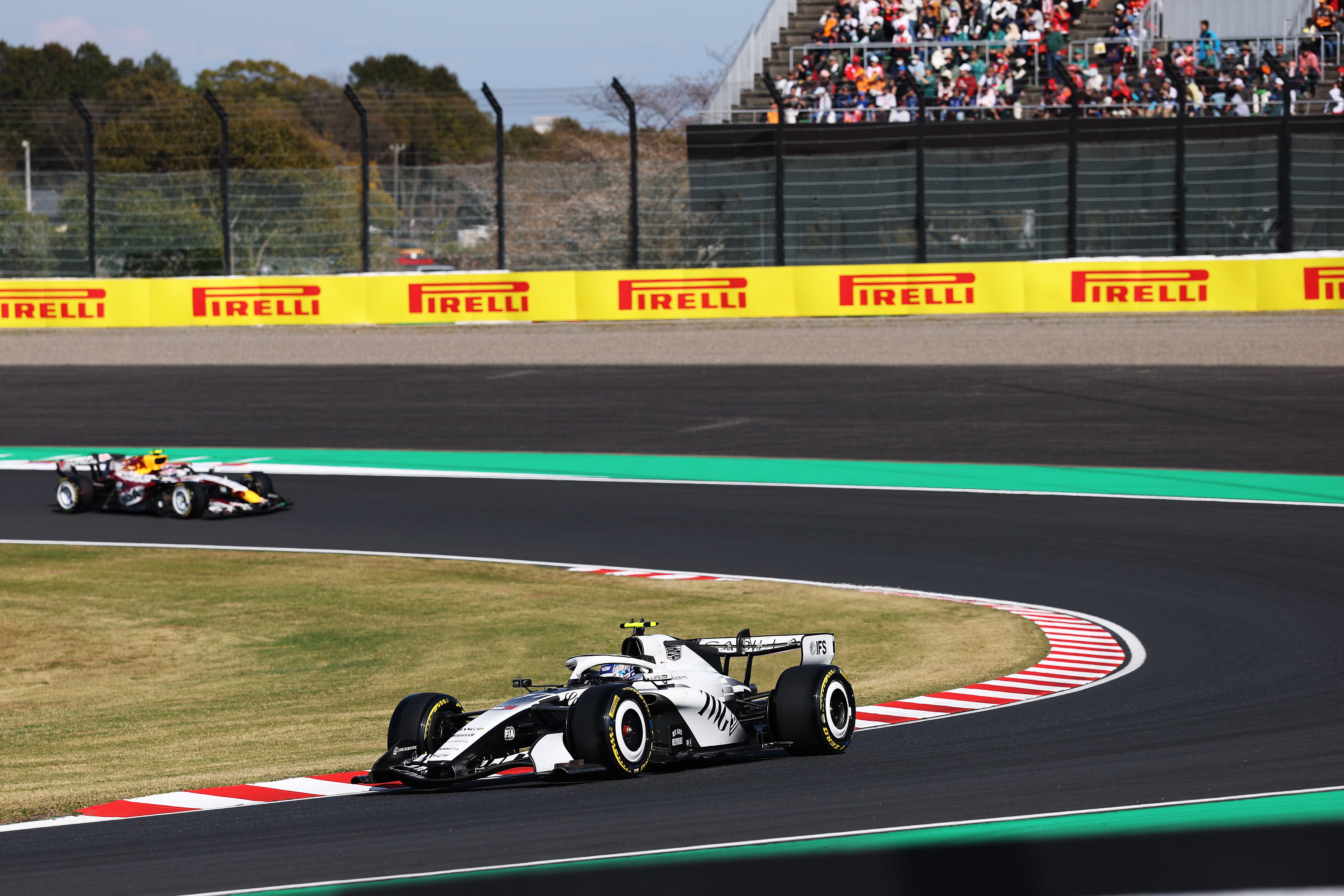
As the line graph indicates, they were also consistent, especially with Bottas. After the session he said “we’ve gained a bit of load and stability with the upgrades this week, which gives me confidence that we’re going to see progress”.
Ultimately though, their sole source of competition at this stage remains Aston Martin, who had quite a strange day of running. Jak Crawford took over Alonso’s car for a rookie FP1 session, but as Fernando got behind the wheel in the afternoon, he spent the whole session evaluating the soft tyre - perhaps as its the compound they’re likely to have excess of come Sunday if they exit qualifying early again.
It leaves their true race pace as something of an unknown, but their aim for the weekend has to be to get both cars to the finish regardless of pace to ensure that their learnings and evaluations of the power unit reliability fixes they’re bringing week-on-week are maximised.