

Maximising from the midfield: Chinese GP Data Debrief
Mercedes and Ferrari stuck out front in China, but behind them the midfield changed shape as bad luck and reliability struck others. Let's debrief the Chinese Grand Prix according to the data.


The Chinese Grand Prix affirmed that even on a different circuit with different energy management requirements, the front runners remain as Mercedes and Ferrari. However, while in Australia the top four teams were still the top four teams, last weekend reliability and other difficulties struck which opened the door for two teams in particular to snatch an advantage.
Race Pace


Haas and Alpine move up…
While the Mercedes and Ferraris finished 1-2 and 3-4 in the Grand Prix, with Antonelli getting the best of Russell to claim his maiden grand prix win and Hamilton finishing ahead of Leclerc to take his maiden podium in red, behind them were Bearman and Gasly in P5 and P6, respectively.
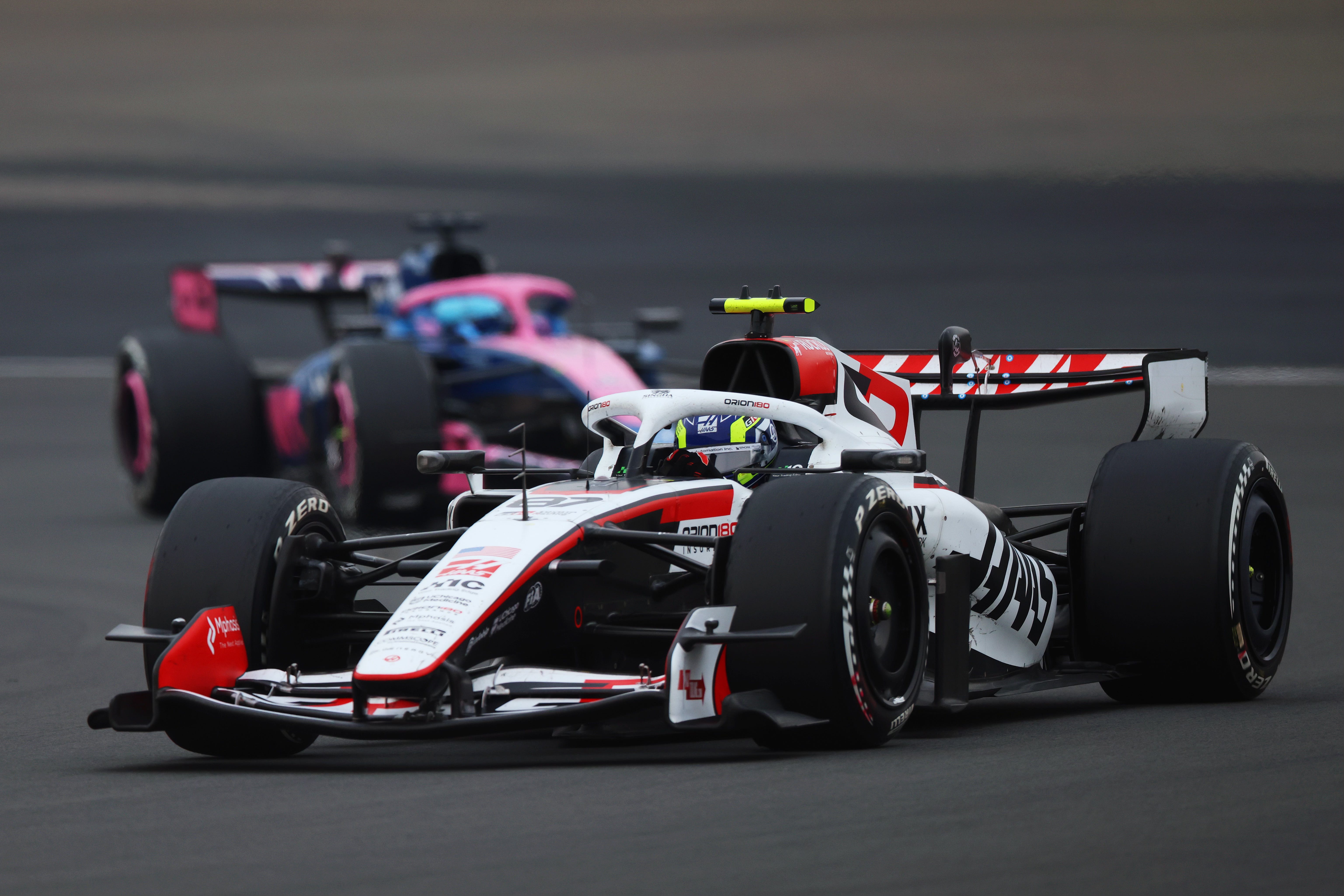
The delta between the top two teams out front did grow, from the 0.115s average per lap it had been in Melbourne to 0.563s per lap in Shanghai. But with neither McLarens in play as separate issues with their power units prevented them getting to the grid and Red Bull suffering a “disaster” of a weekend in Verstappen’s words, that saw him retire later in the race, it was Gasly and Bearman who were their closest ‘rivals’ for pace.
They were between 1.260s and 1.361s a lap off Antonelli’s benchmark, which at a team level with Colapinto and Ocon in the mix put both Alpine and Haas within just over 1.6s of Mercedes, but even with that relatively sizeable delta, it demonstrates something bigger in the picture of the season.
Just being in the race is critical at this stage of this new regulation overhaul, the scale of which is causing teething problems and making reliability much more of a defining factor than it has been in recent years. That will change as the year progresses, but at this point, it’s rewarding teams and drivers who can get to the grid, keep things clean and see the flag - so much so, that Bearman and Gasly now rank in the top seven of the driver’s standings.
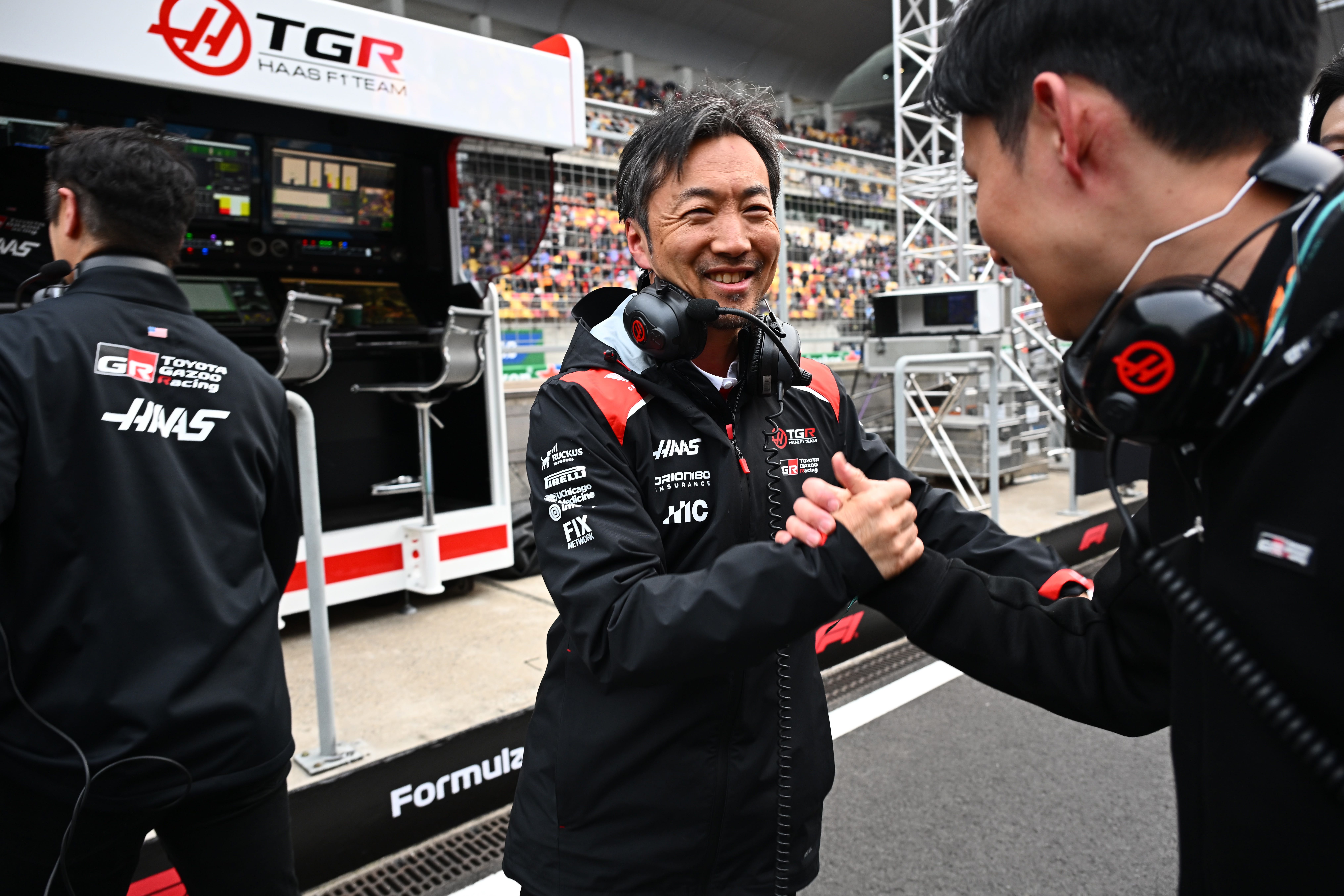
It’s a factor Haas team principal, Ayao Komatsu, spoke to after the race, emphasising that being able to do so is not a fluke: “We’ve always said, in Melbourne as well, keep it simple. We need to focus on our own race and get the best out of it in case something happens in front, and that’s exactly what we did.”
“I really believe we got that P5 absolutely on merit, and that doesn’t happen overnight. That’s an accumulation of effort from previous years, the parallel development of cars last year, hitting shakedown, and we’re learning every day.”
It may have been Bearman and Gasly grabbing the top results, but Colapinto was also in the points with Alpine for the first time too, with a P10 finish after fighting back from contact with Ocon. Ocon himself missed out, ending in P14, but Haas felt that was down to being “unlucky” with an error from the team during the pitstop putting him “in a position that he shouldn’t have been in,” according to Komatsu. Even so, his pace was less promising than Bearman’s - ranking him 12th fastest, just over 2s off the benchmark and almost seven tenths slower than his teammate’s average.
One car in the fight…
Again, reliability became a theme within the midfield too, as had been the case in Melbourne. Audi and Williams were two teams to have just one driver in the mix over the Grand Prix, with a “technical issue” preventing Bortoleto from seeing the start and a hydraulics problem costing Albon the same opportunity.
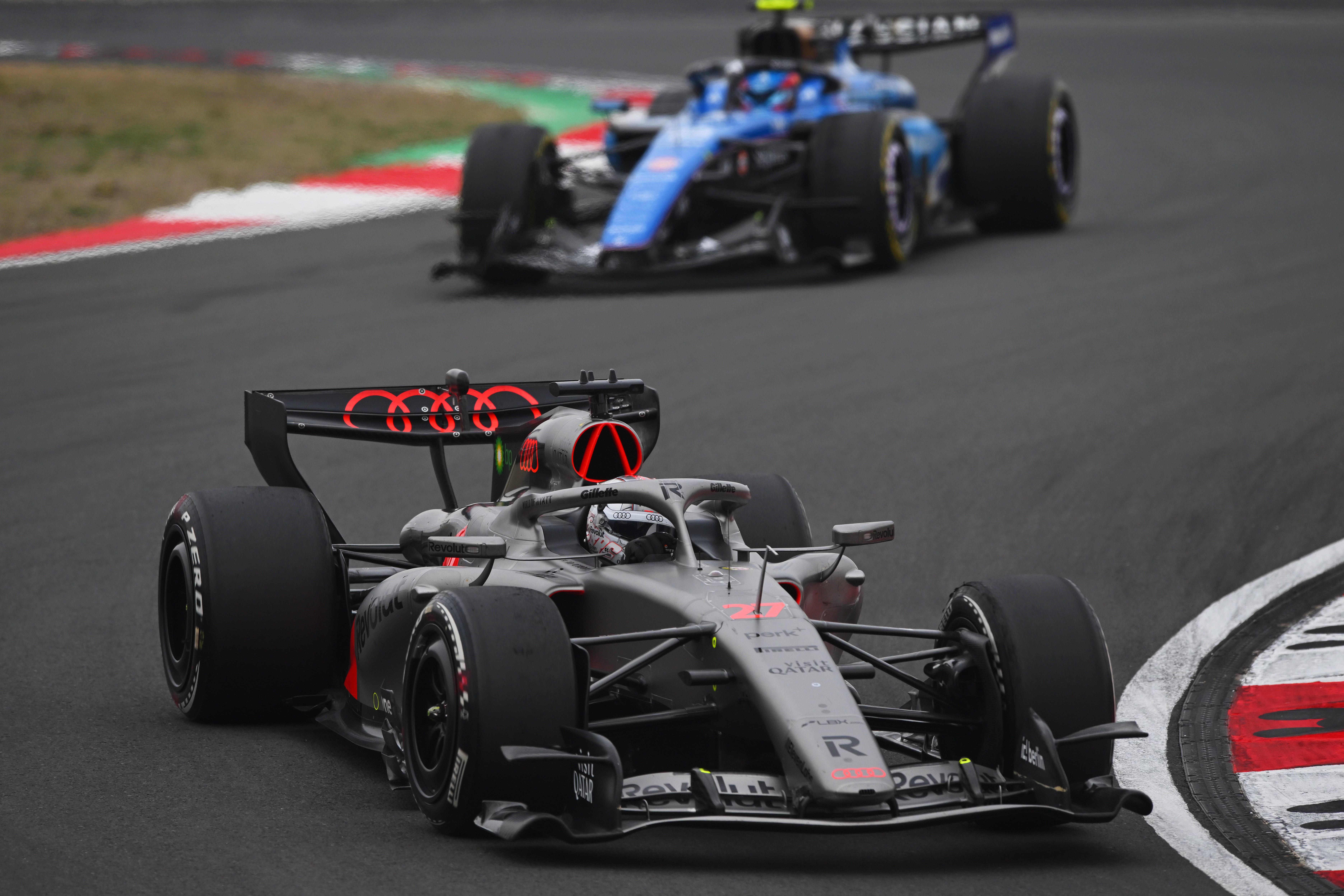
That left Hulkenberg as the only representative of Audi’s pace, which looked similar to Bortoleto’s in Melbourne in how it compared to the front runners - at 1.811s per lap off Antonelli. Sainz also left Williams in a similar window to where his and Albon’s joint pace had been the week prior - at 2.4s slower than the benchmark.
It’s not where either team wants to be, though Audi look to be in an overall better position for pace even if various issues prevented a points-finish for Hulkenberg in Shanghai, while Sainz claimed Williams’ first of the year. He suffered a poorer start, something his team principal Jonathan Wheatley highlighted as a key area of improvement for them, but also a 16-second pitstop which was what ultimately took him out of contention in the end.
On the other hand, Sainz’s result was enabled by, in his words, “a strong start, effective tyre management and good defending at the end of the race against Colapinto.” Williams have acknowledged that for points finishes to come at this stage, they’re going to need the stars to align over the race and earn them through a drive given that “we’re not in a position to score points on pure pace at this point in the season”, as Sainz concluded.
Racing Bulls hot on the top team’s heels…
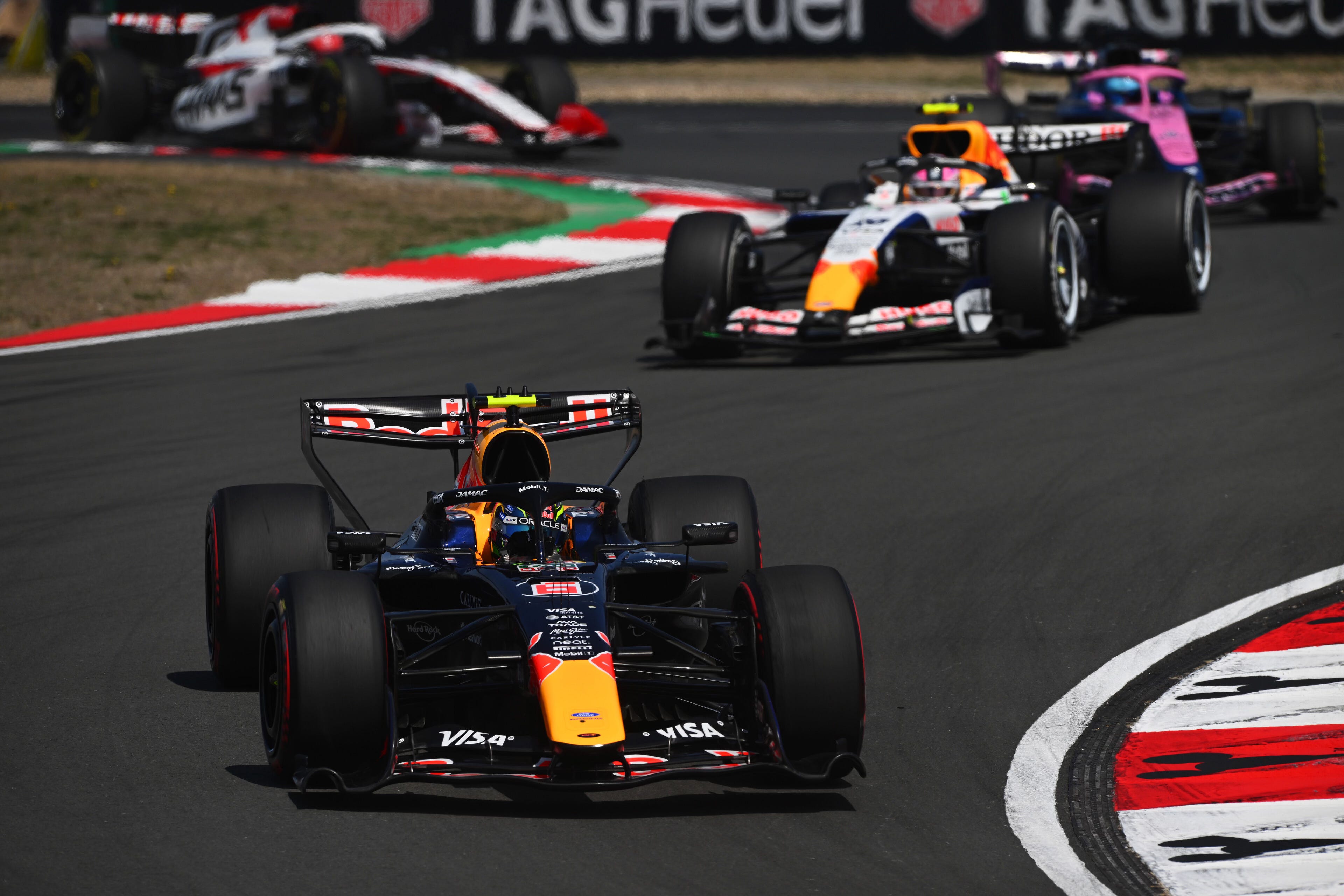
Red Bull’s woes in Shanghai were somewhat masked on race day by Hadjar earning a P8 finish and his first points for the team. He felt it was a “shame” that he hadn’t been able to bring home more than the four he did as he’d put in a fighting race: coming back through the pack after a rear snap send him spinning by getting in some good overtakes. Even with that, his pace was slower than Verstappen’s who ran around ten fewer laps given that he didn’t see the chequered flag.
Interestingly though, Hadjar’s pace sat within 0.038s of Liam Lawson’s as the lead car from the sister team. Lawson actually finished one place ahead of Hadjar, in P7, and felt his pace was “strong towards the end” on the hard tyre. It paints an interesting picture of how the two teams are adapting to this new regulation set, even if they share a number of commonalities technically, including their RBPT power units.
Tyre Performance
The Sprint the day before the Grand Prix had shown the medium tyre to be suffering from quite severe graining and pace drop off, although for some cars more than others. Even with that in mind, Pirelli predicted a one-stop race as the optimal given that the hard tyre was believed to be much more stable.
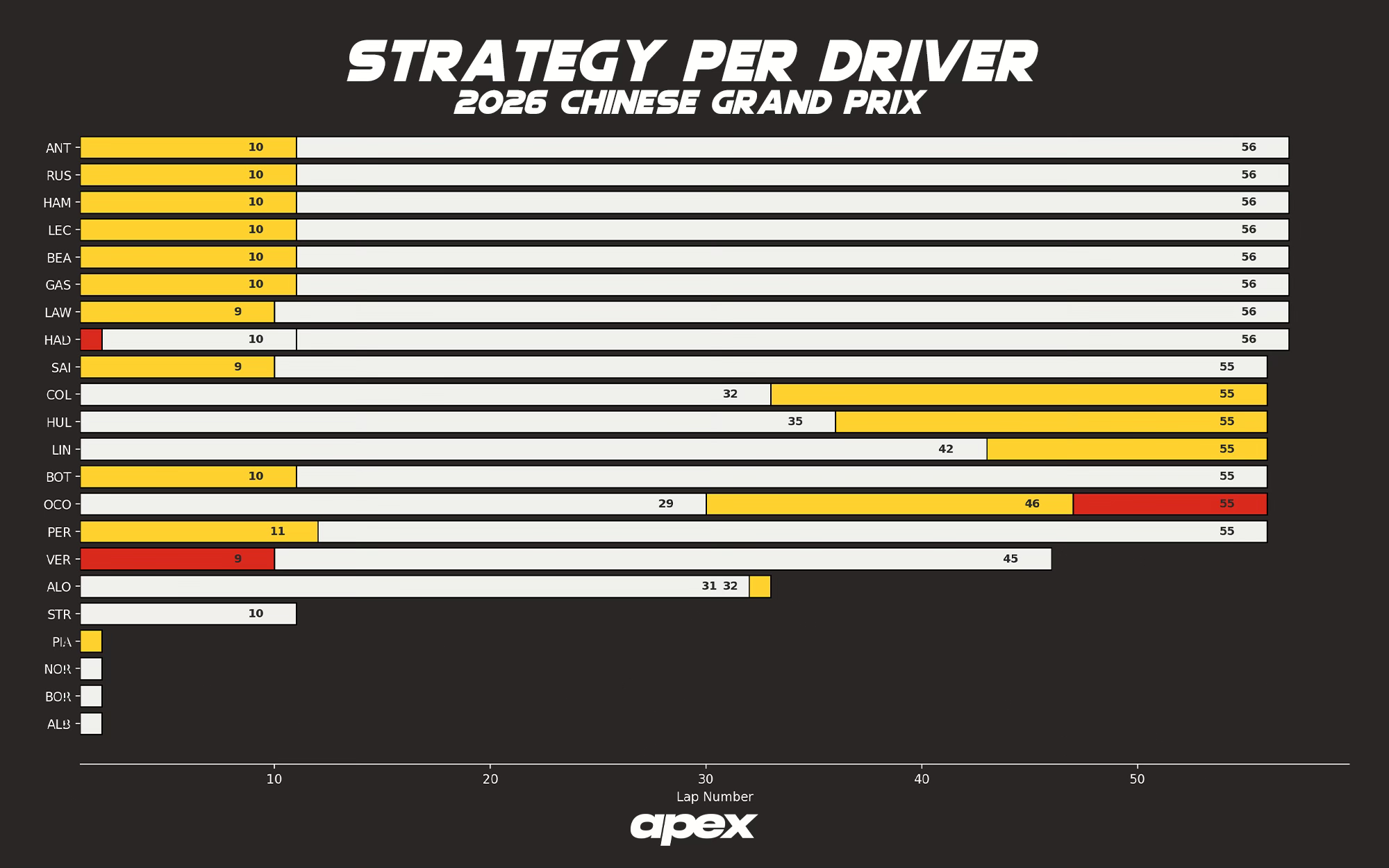
That’s exactly what came to fruition, with almost all cars starting on the medium before moving to the hard for a long final stint. The length of that hard stint was extended by the timing of the safety car for Stroll’s stoppage on track, which simply pulled most medium-starters in to box sooner than they’d planned for their only stop.
The hard tyre was remarkably consistent even with the additional ten or so laps on top of what Pirelli had felt would be the optimal stint length for it. Degradation estimates based on fuel corrected lap time averages indicate that it was getting 0.01s quicker per lap, while the medium was dropping off by 0.086s, just slightly more than the soft which was only run by two drivers and sat at 0.076s of deg per lap. It meant that while some teams may have been prepared to switch to the two-stop race and were waiting for a drop off from the hard to trigger that, it never came and so the stint kept extending.
In terms of pace, the medium was slower than the hard - by around four tenths per lap, and while the soft was quickest, its heavier degradation and shorter lifespan as a result made it less favourable.
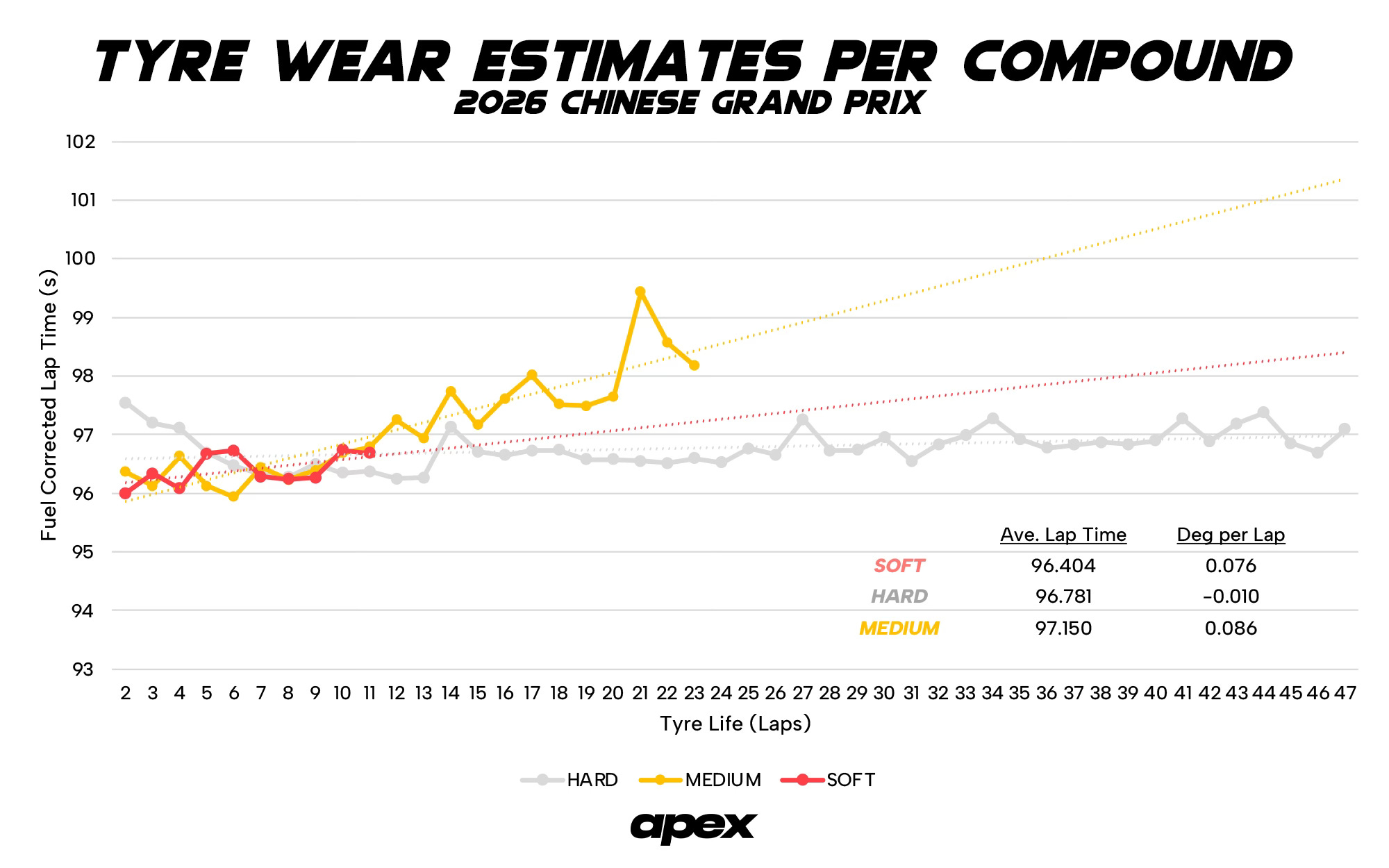
Graphing these figures really demonstrates the compound differences well - the line for the hard tyre is almost flat, even as the stint reaches 47 laps. Pace on the medium, in contrast, quickly ramps up.
Although the majority of drivers benefitted from the stability of the hard tyre for their final stints, there were a few who opted to start on it and stay out over the safety car period, going longer into the race. Colapinto, Ocon and Lindblad were three of these who benefitted the most, at least initially, rising up the order to be splitting the Mercedes and Ferrari cars out front. However, even with the pace consistency of the C2, a tyre life offset did make a difference and allowed those on a newer hard to come past (although the impact of that delta was likely compounded by the inherent pace differences of the cars).