

Hitting the reset button: Technical Preview for the Miami Grand Prix
Despite the fact we’ve already had three rounds of the season, this weekend feels like a true reset - new regulation tweaks, new upgrade packages, and new challenges. So what should we look out for?


The break has been more of a pause in racing rather than a pause in working for the teams. Unlike the winter or summer breaks, there was no mandated time off per the regulations and so the work on digesting and applying what’s been learned so far and on progressing the planned upgrade trajectories has continued. It means what we find in Miami could look quite different to what we left in Japan.
That aside, the challenge posed by the Miami International Autodrome is the same, at least on paper. It’s a 5.421km, 19-turned track that winds its way around the carparks and roads that outline the iconic Hard Rock Stadium, and F1 is about to visit for the fifth time.
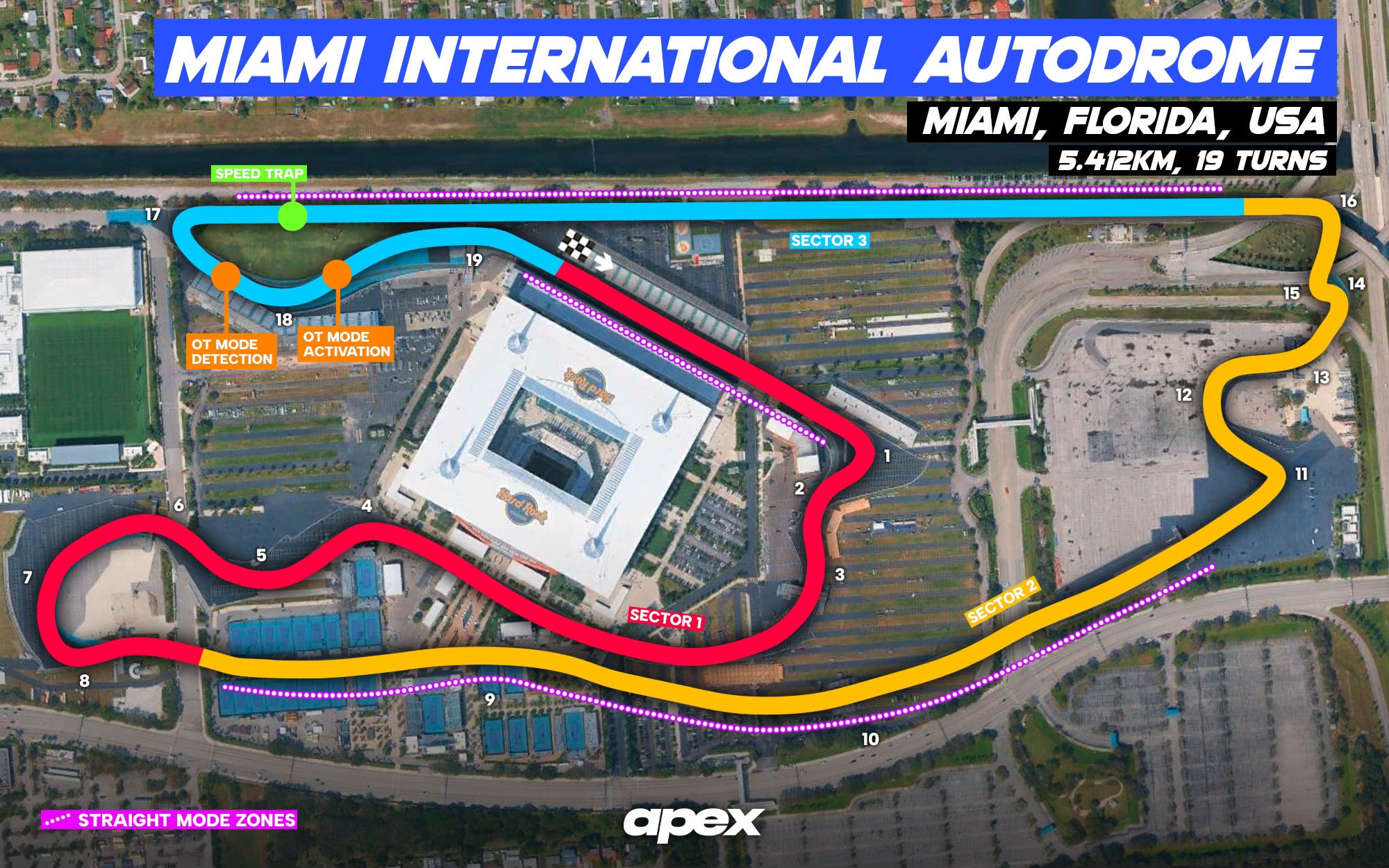
Despite its reputation as a ‘street’ or ‘temporary’ circuit, that’s one that arises from its characteristics more than its actual status. The permanent asphalt is built within the parking areas around the stadium and doesn’t actually have public roads integrated into its layout, though it does cross some public roads in places and runs close to Florida’s Turnpike road at points of sectors 2 and 3. But that asphalt is worked into a layout that has twists and turns taken at high speeds, long straights and close barriers - giving that street circuit feel.
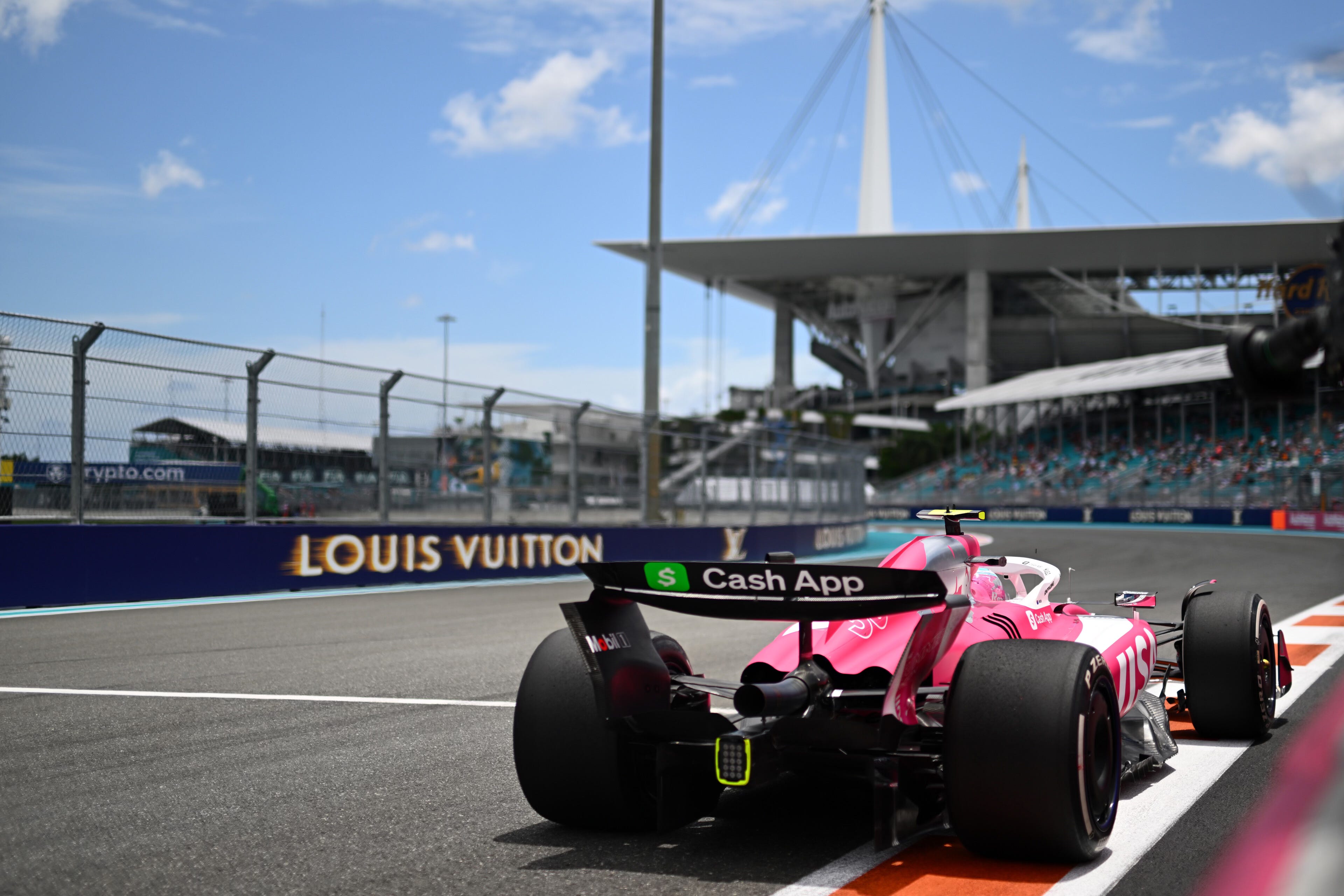
Navigating those under the new regulations could get chaotic, especially early on over the weekend, which incidentally is also following the Sprint format: compressing the little time teams already have to adjust their setups and get to grips with things. That said, the FIA have extended FP1 to 90 minutes rather than the usual 60 to account for the time since the last race and the regulation changes that have been introduced.


Characteristic Considerations
Smooth asphalt & high evolution
With the Miami circuit being used only for F1 (barriers and surrounding infrastructure are taken down after the race) and also made of a special, low roughness and low abrasion asphalt, the grip has typically started out low before ramping up quickly and significantly as the sessions tick down.
In year one, 2022, the circuit was so low in grip, especially off line, that it prompted comments from drivers like Fernando Alonso that it was “not F1 standard” and led to the organisers re-surfacing into year two, 2023.
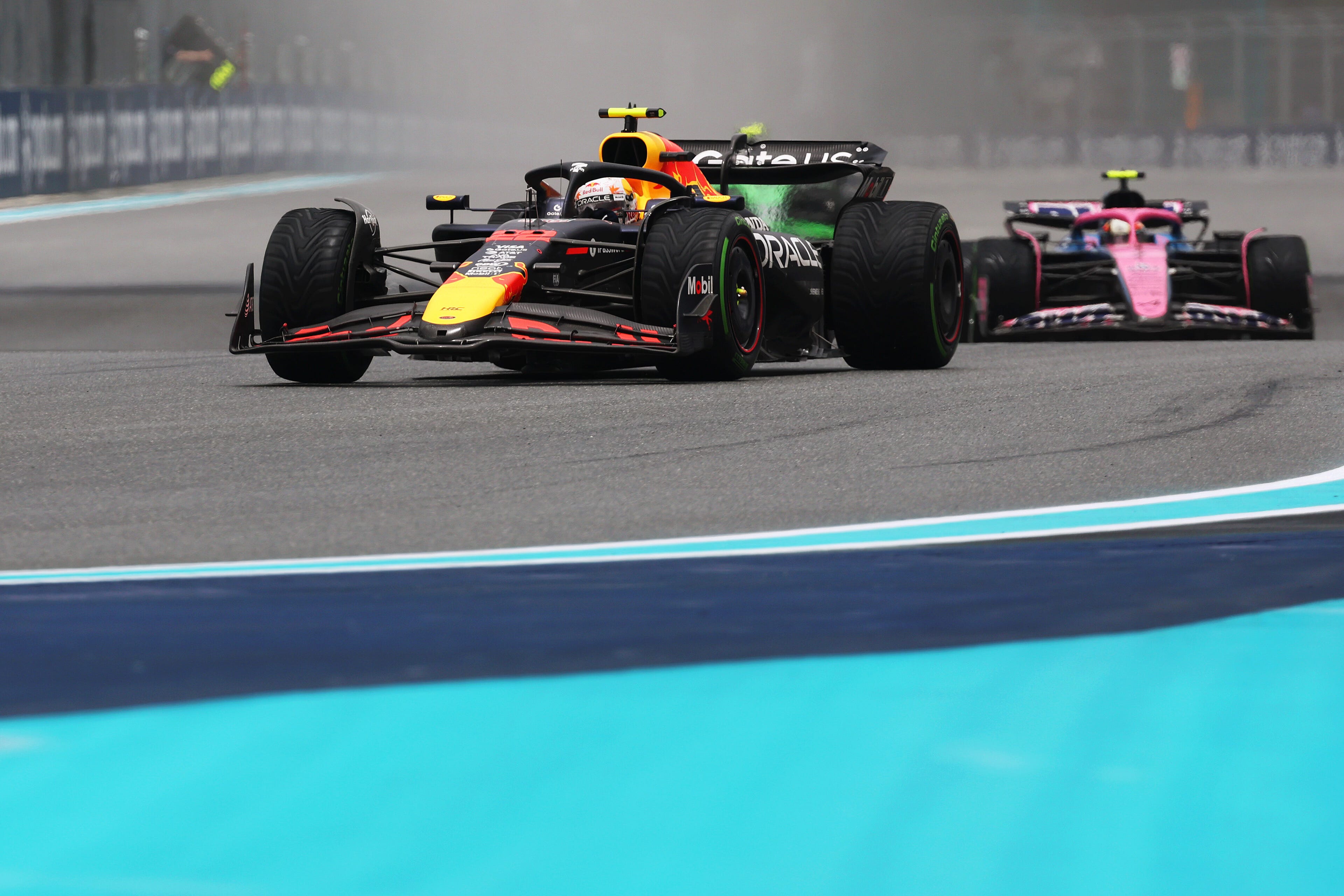
Since then, the evolution has come into play more - bringing the grip up - but it remains a low abrasion surface that puts relatively low levels of stress through the tyres which does limit degradation. An additional quirk of that surface, as we saw last year during the wet Sprint, is that it dries out very quickly. It prompted the drivers to come in to switch from the intermediates they’d started the 19-laps on to slicks, which isn’t something typically seen in these much shorter races.
Thermal degradation
The main factor driving degradation is therefore the temperature. Track temperatures regularly exceed 50°C which can cause overheating of the rears particularly, and that has to be carefully managed and considered given that Pirelli are running the softest compounds in the range here once again.
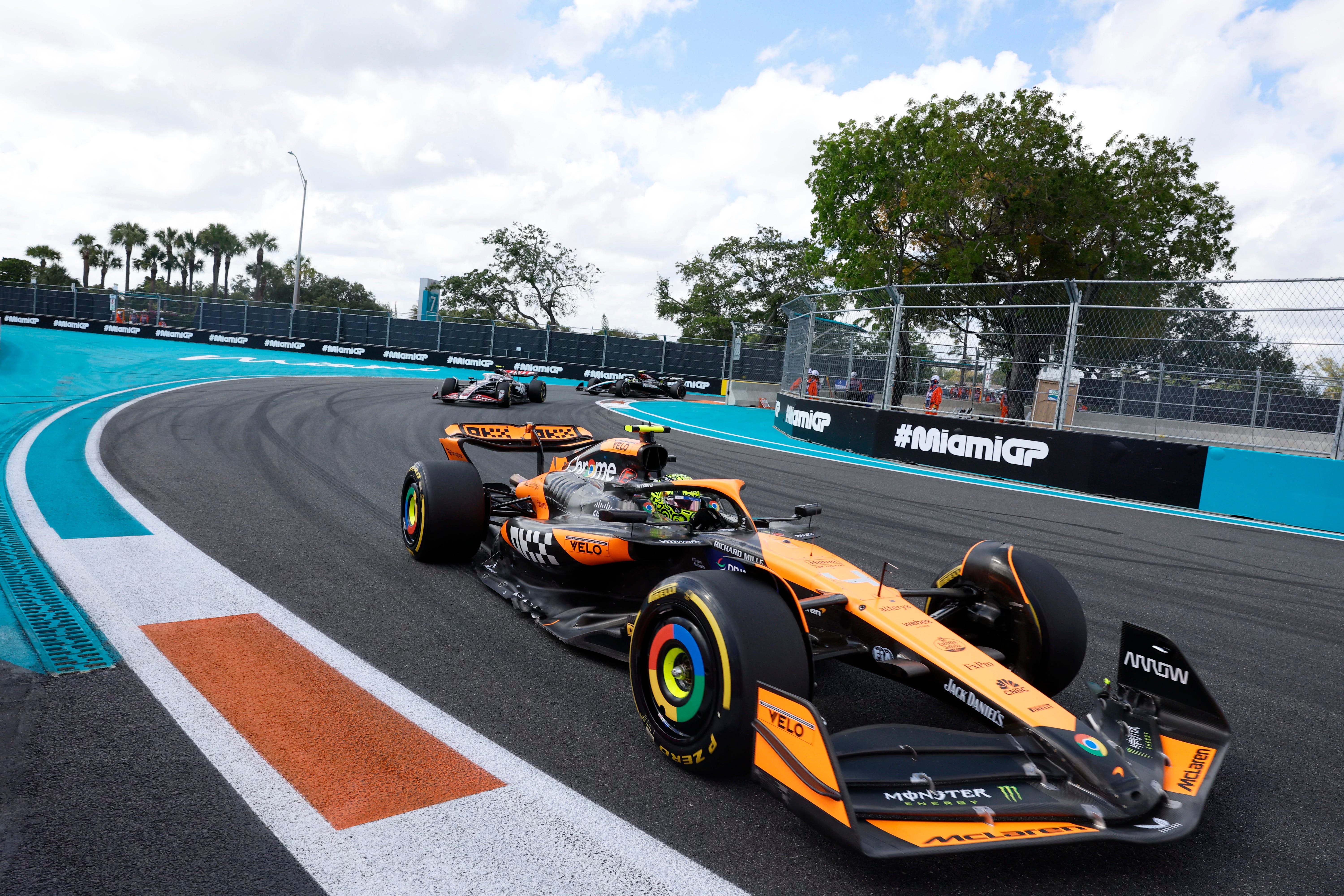
That’s particularly the case through the middle, slower-speed section but the final sector with its long straight can help mitigate that effect over the race distance, even if it does make preparation of the tyres trickier on a warm-up lap in qualifying.
What’s also important to consider is how the dark colour of the track surface can lead to changes in the pattern of degradation over the day - during the afternoon, as the sun moves to be more indirect, there can be bigger drops in temperature impacting performance and degradation levels.
Good on the brakes & riding the kerbs
The track layout is one that emphasises the need for heavy braking at several points. Turns 11 and 17 are prime examples as they come at the end of very long straights where the tyres but also brakes have had an opportunity to cool. This year, they’re also the end points of two of the three straight mode zones.
It makes them key overtaking opportunities over the Sprint and Grand Prix, similarly to turn 1, but come qualifying they’re also places where things can potentially go wrong with a lock-up, which was a key feature of these cars into similarly heavy braking events over Bahrain testing, for example.
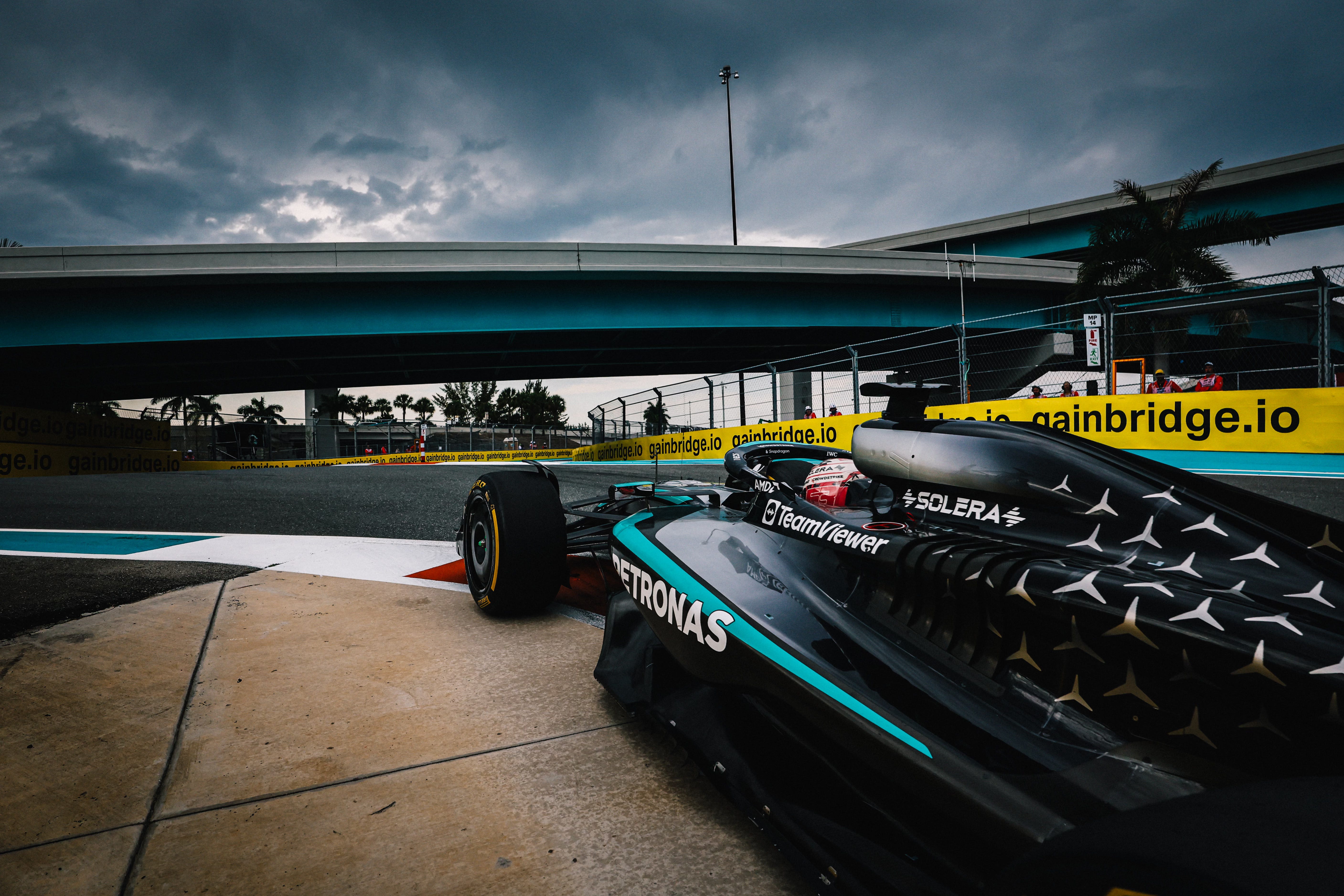
Another key consideration for the teams in setting up their cars will be the degree to which kerbs need to be ridden around the lap, specifically through the uphill, turns 14-15 ‘mistake generator’ chicane. It’s also a factor through the early corners, and while it may be less critical for these cars versus their stiffer, ground-effect predecessors, narrowing in on the right setup with them in mind will be important and will have to be done quickly.
‘Harvest rich’
Given its heavier braking zones and slower latter part of sector two, even if there are long straights and quick corners, Miami is expected to sit on the more ‘harvest rich’ end of the scale. That will be a positive for teams and perhaps also for the level of performance we can expect to see, as there’s less likely to be the extensive super clipping or li-coing that we’ve seen at Australia or Japan so far, for example.
But that may make it a less than ideal test venue for F1’s new regulatory tweaks - including in assessing how well the increased power of superclipping (350kW versus the old 250kW) works at reducing driver workload on energy management, and how well reducing the overall level of recharge from 8 to 7MJ impacts the need for excessive harvesting techniques.
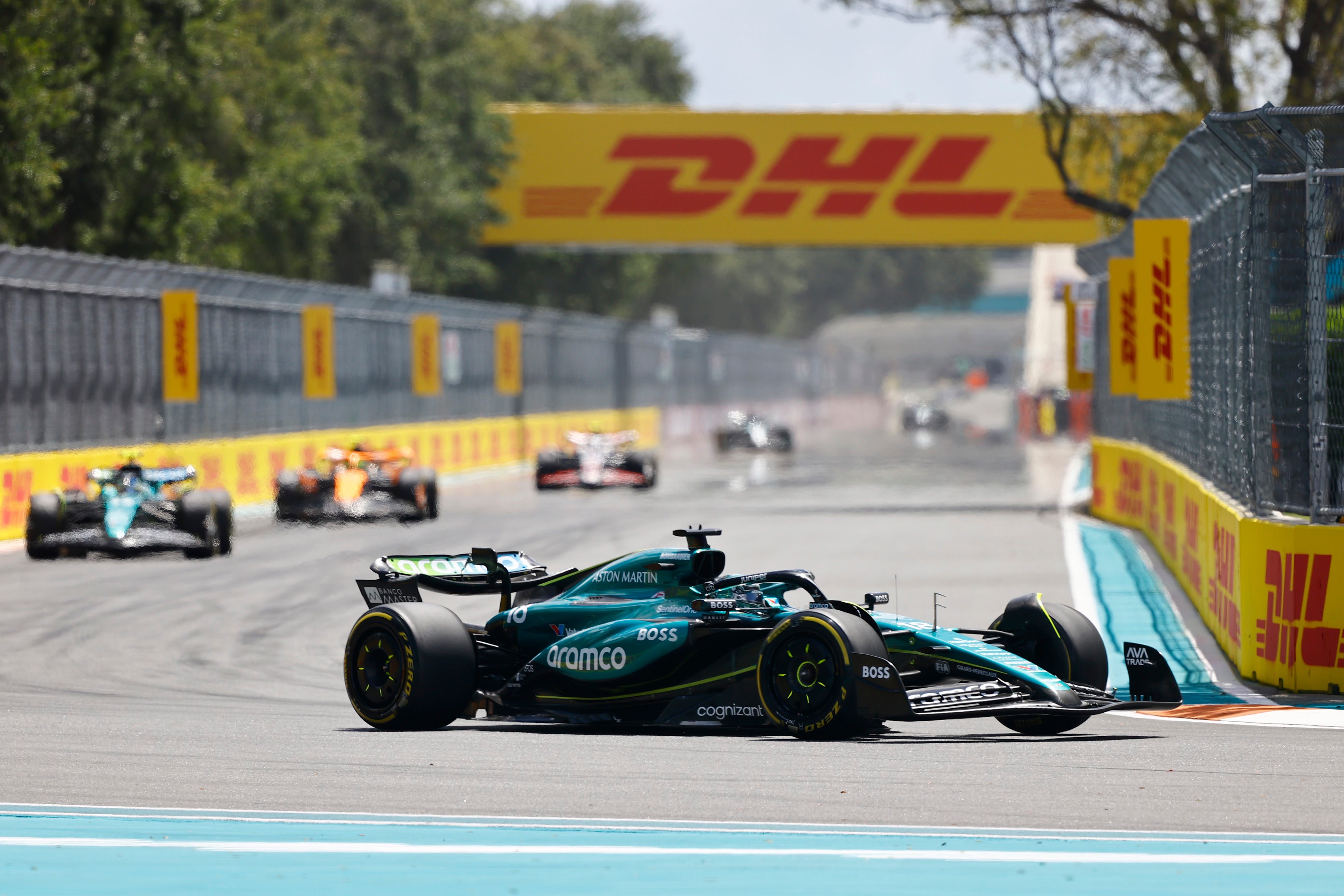
But what will be able to be assessed even so are the changes targeted at improving safety via reducing the speed differential between cars harvesting, cars boosting, and cars deploying.
What will also be made clear, as a result of the changes and the harvest-rich layout interacting, is whether qualifying is now a more conventional, ‘flat-out’ demonstration than it has been so far this year. With there being plenty of chances for the drivers to recharge, the need for extreme, strange tactics will already be mitigated. This, coupled with the reduced, more uniform deployment over the field over a single lap could mean we see these cars behave at their most ‘typical’ yet.
The Compounds
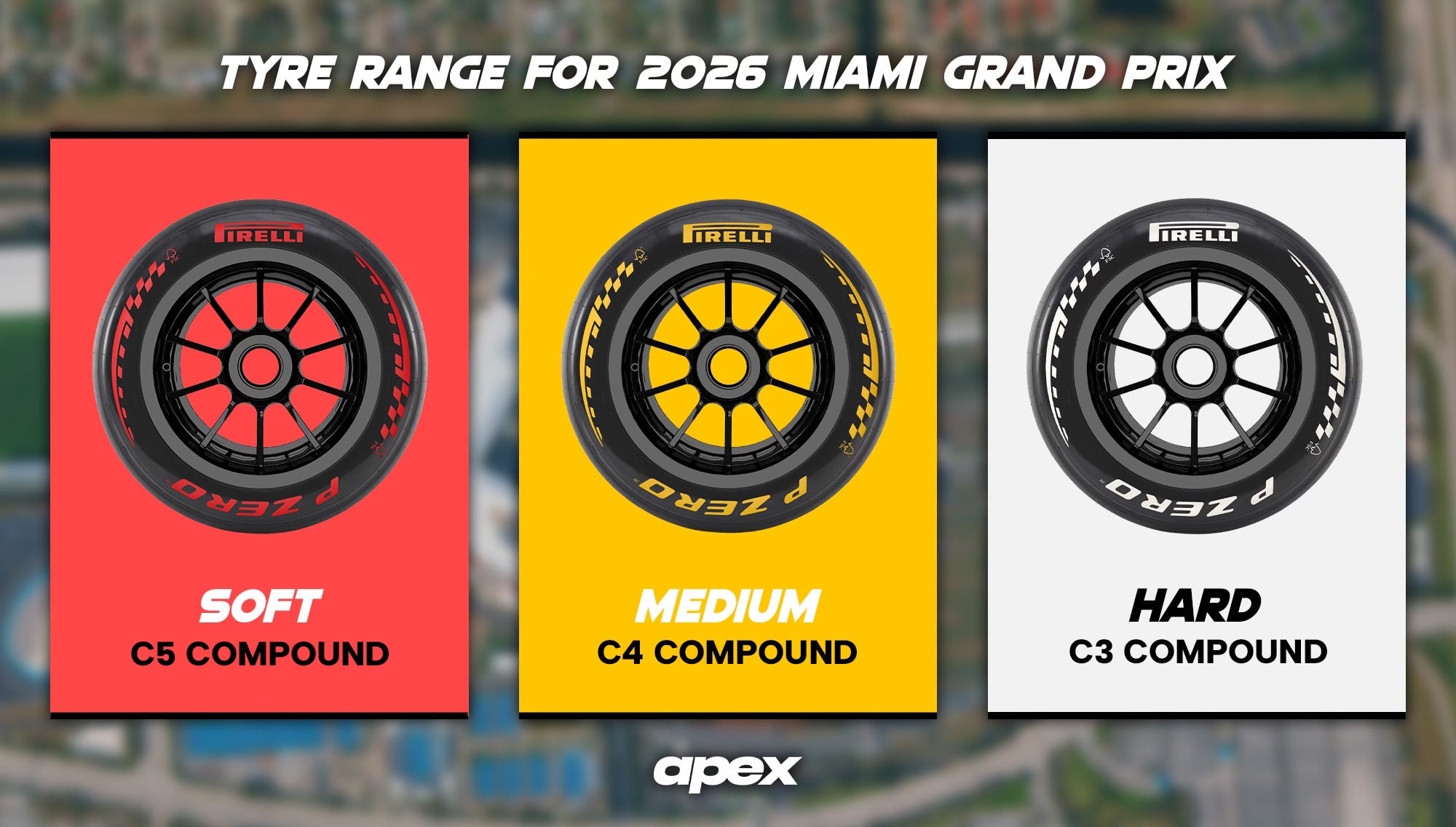
After taking the compound range softer for a number of races last year, including Miami, Pirelli have opted to keep that selection for this year. The C5 will be the soft, the C4 will be the medium, and the C3 will be the hard.
Strategy Corner
Strategy in Miami is straight-forward on paper, yet in reality, that plan can go awry very quickly due to the high likelihood of neutralisations here. However, what a straightforward race looks like was demonstrated last year as Oscar Piastri ran the one-stop to victory and, overall, the race was entirely a one-stop.
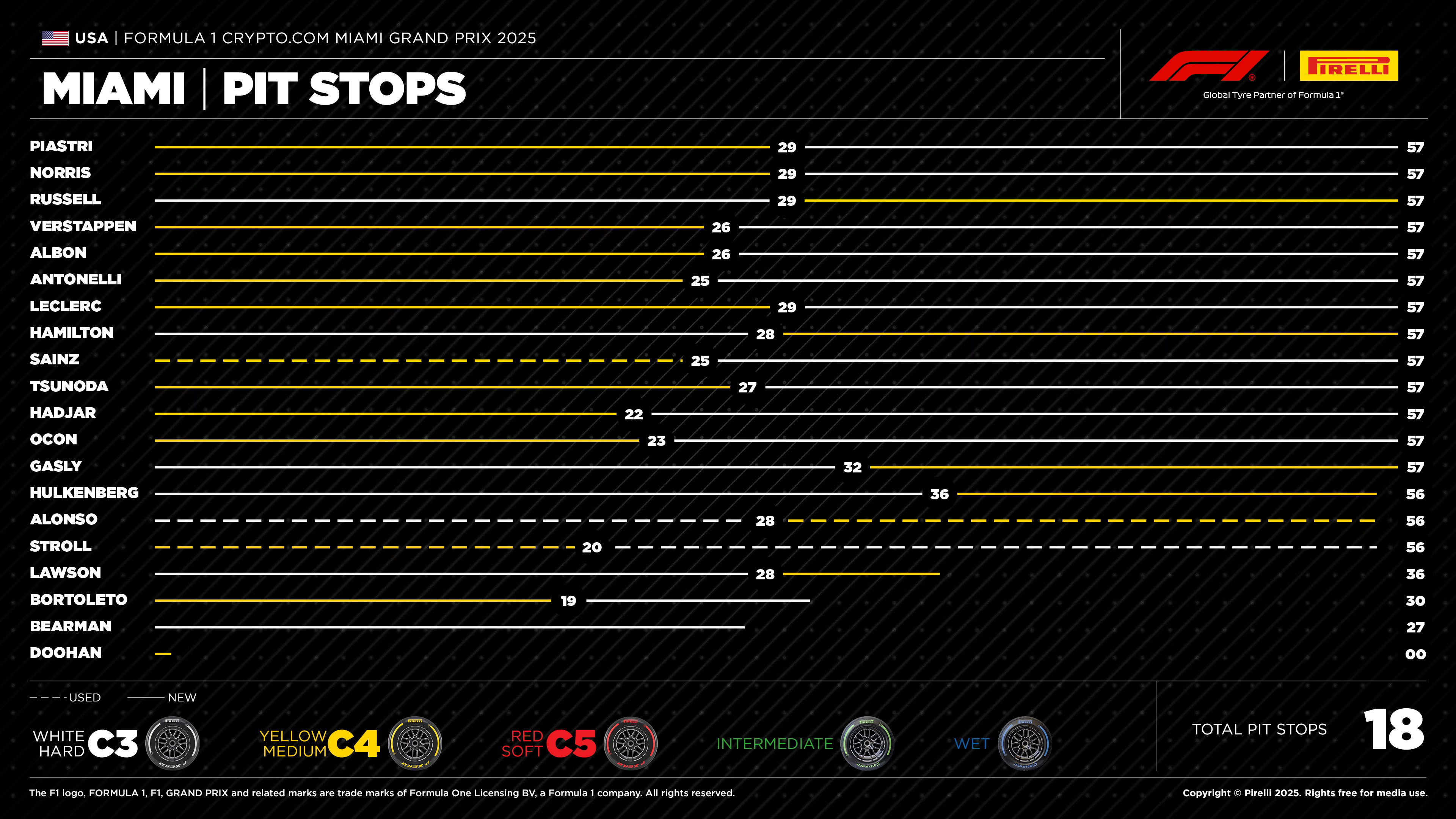
That was the case despite Pirelli’s decision to make the compound range softer than it had been there in the past; a decision made with strategic variation in mind. However, both the C3 and C4 showed limited degradation, with the latter, acting as the medium, showing “even less than expected” in the words of the then-director of motorsport for Pirelli, Mario Isola.
It meant drivers who had started on the medium could extend as far into the race as those on the hards to open the opportunity of boxing under the virtual safety car on lap 29, which included all three of the podium sitters.
A well-timed VSC or even full safety car could be pivotal in influencing race strategy again this year, and statistically they are not unlikely here - 50% of the four Miami Grands Prix have seen a full safety car.
Equally, race strategy could be heavily influenced by even a small increase or deviation in the expected low tyre degradation heading in. Should the medium prove to be less durable than it was last year, for example, then we could see a shift to two-stop strategies.
Assessing the likelihood of that over the Sprint will be critical for the teams, not only in deciding their strategic plans pre-grand prix, but also in how they manage their tyre allocation in light of what they find, which is already reduced by one set with the Sprint format.
Fast Facts
Max Verstappen has 1.7x the points total in Miami of his closest rival on the points tally - 90 versus Charles Leclerc’s 52. It’s owing to his two wins here, the most of any driver, and 75% podium rate here, also the highest of any driver.
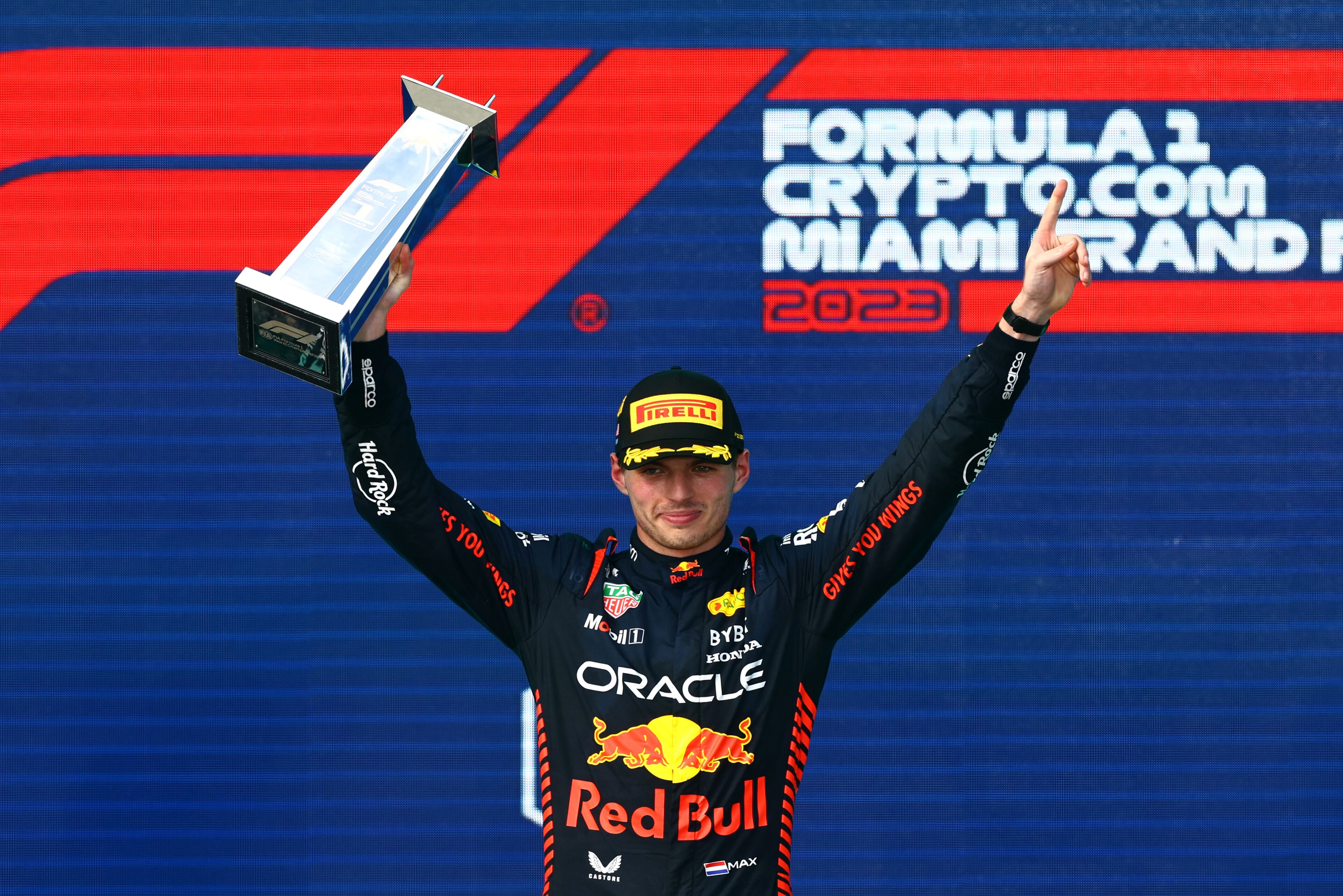
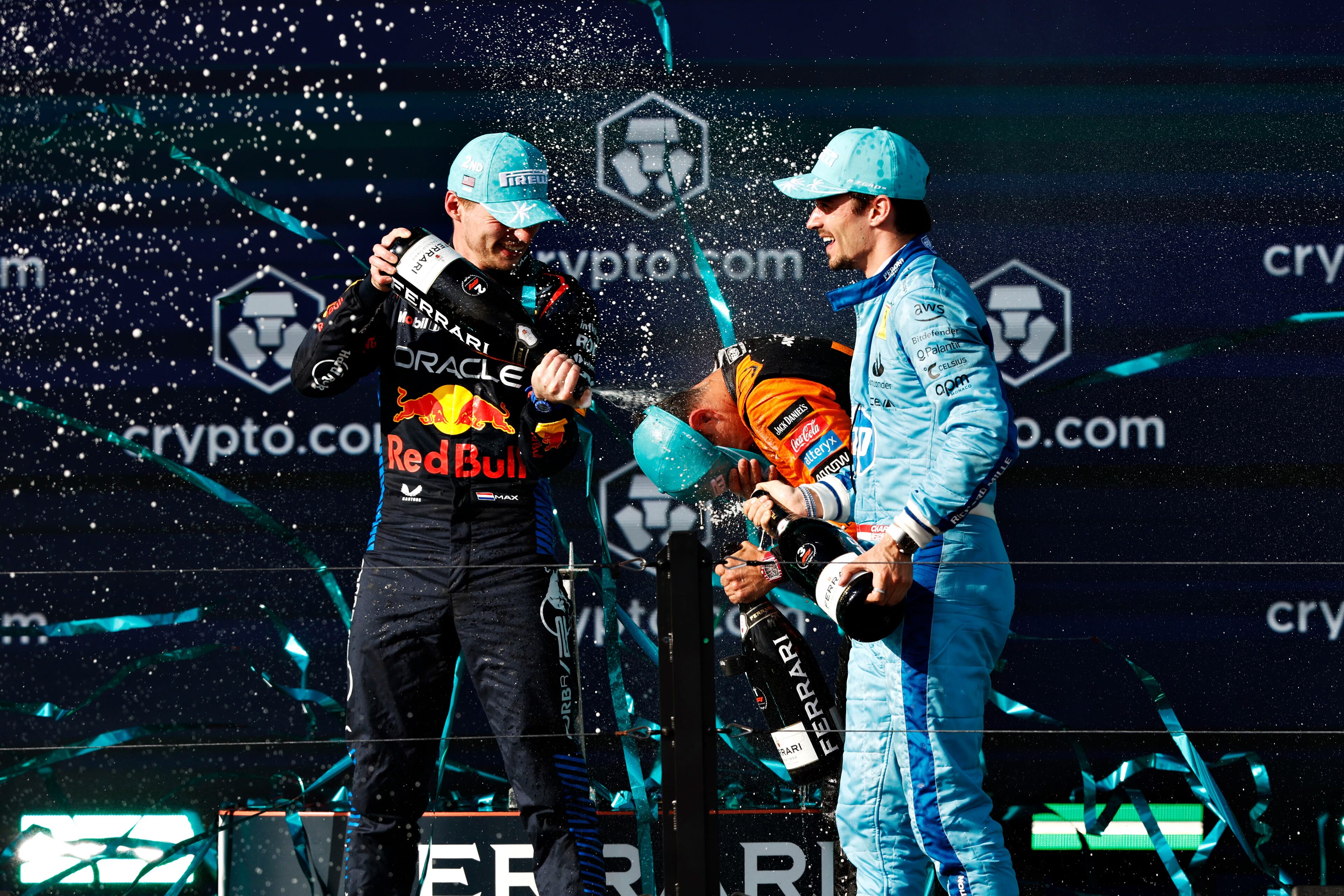
Of the four grands prix held in Miami so far, none have been won from pole position. That’s not the case for the two Sprints held here - the first was won by Verstappen from pole, even though the second was won by a non-polesitter, Lando Norris.
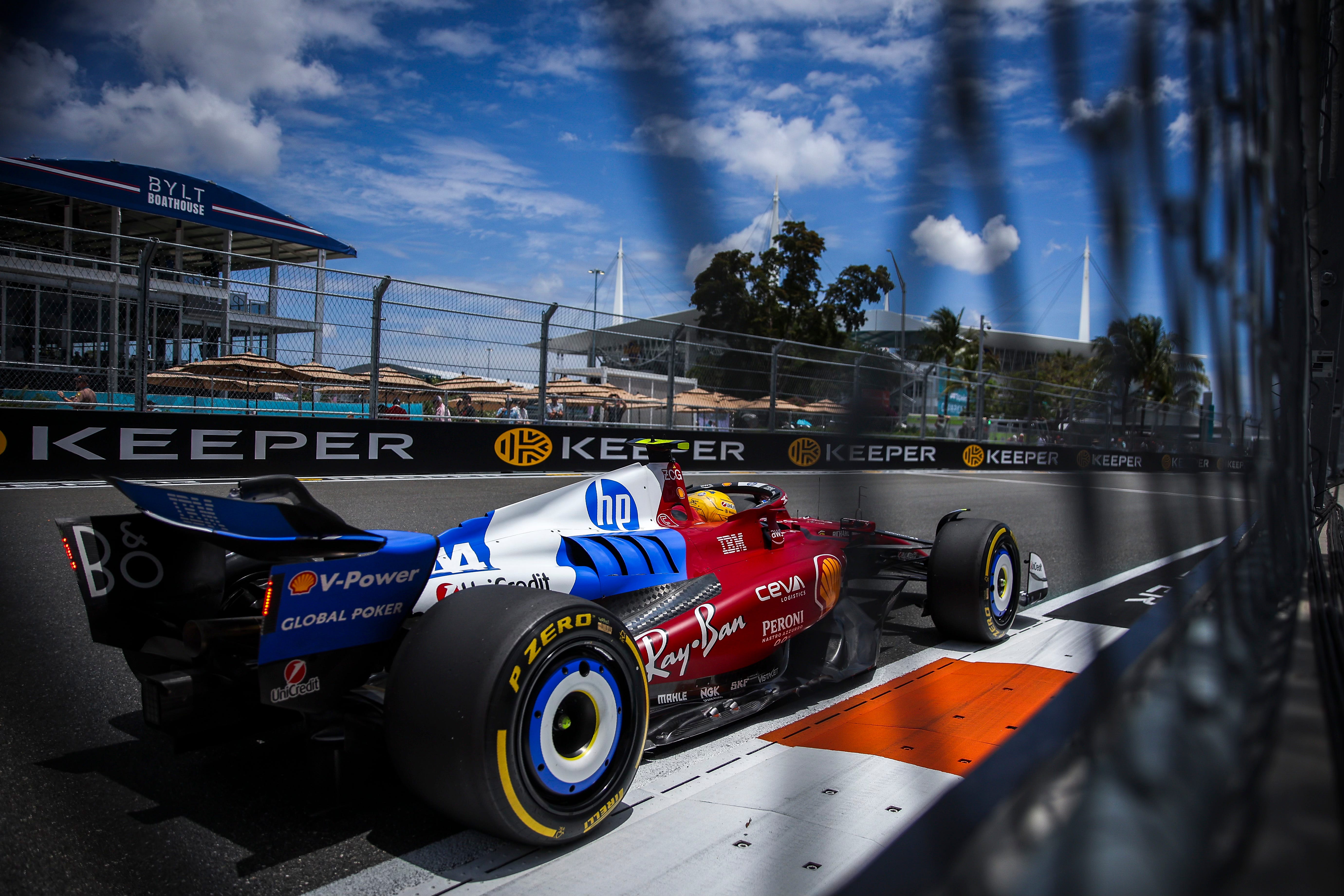
Miami remains one of very few tracks Lewis Hamilton has raced at, but is yet to win at. In fact, there are just five - Las Vegas, Magny-Cours, Miami, New Delhi, and Valencia - only two of which are on the current calendar.
The Miami Grand Prix kicks off with free practice one at 12:00pm track time on Friday 1st May. Here’s how the rest of the weekend shapes up, with all times in local:
Practice 1 - May 1st - 12:00-13:30
Sprint Qualifying - May 1st - 16:30-17:14
Sprint - May 2nd - 12:00-13:00
Qualifying - May 2nd - 16:00-17:00
Miami Grand Prix - May 3rd - 16:00
This reset feels different coming off a calendar disruption rather than a true break. Teams didn’t really stop, so Miami ends up showing what actually carried over, especially with the upgrades.