


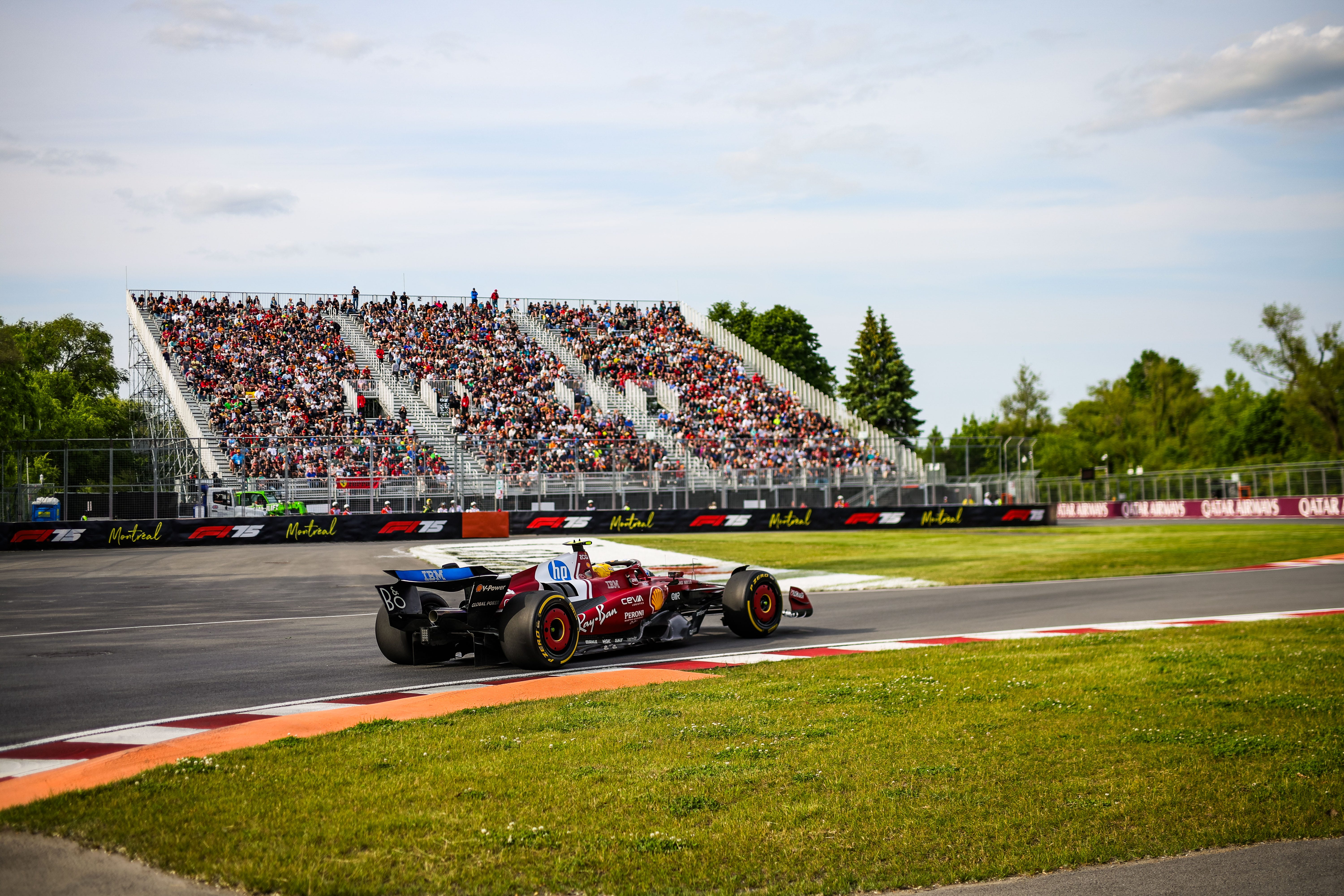
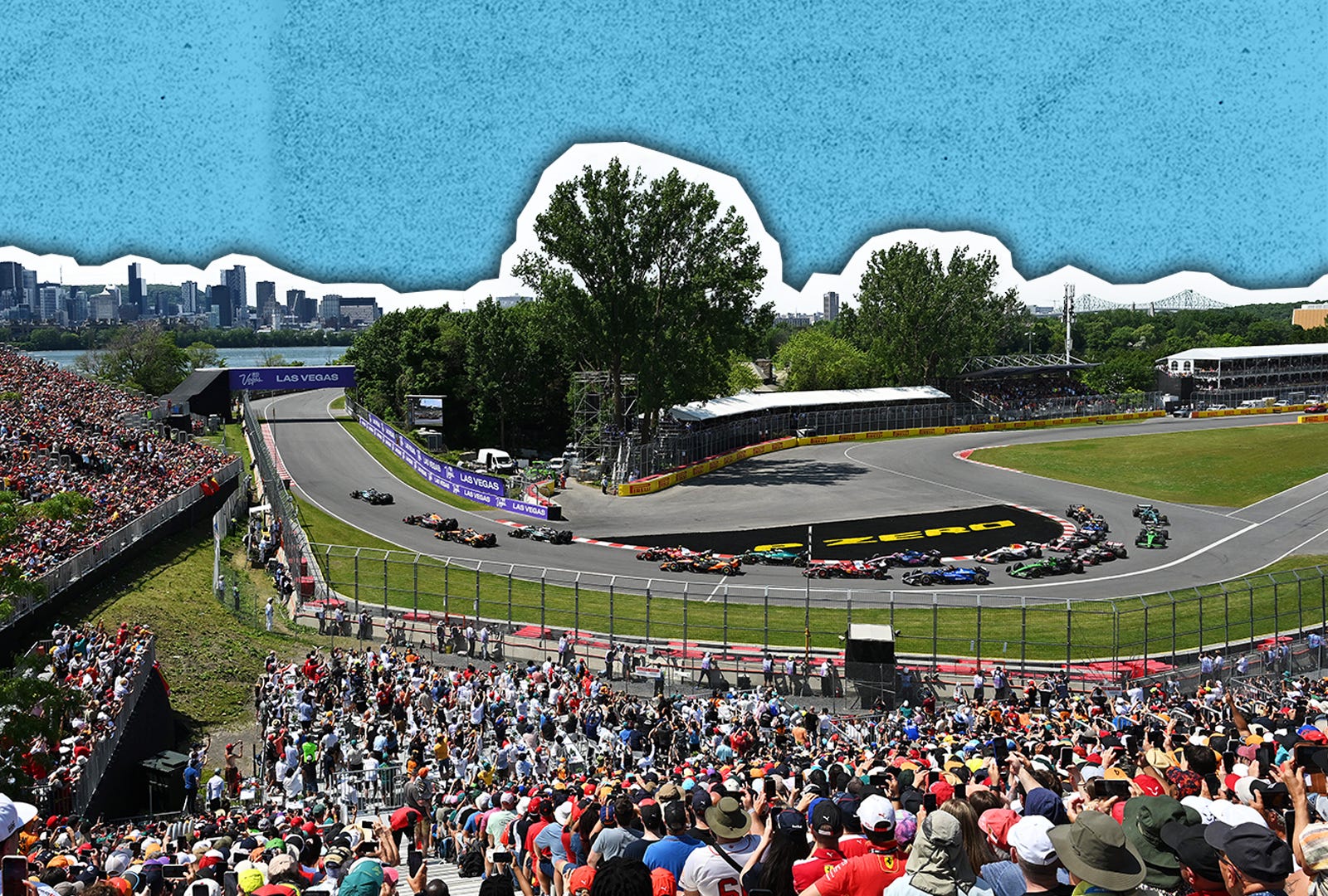
This weekend will see F1 return to Montreal and the Circuit Gilles Villeneuve for the 45th time as it’s a venue that’s hosted a Grand Prix since 1978, with the exception of a year off in 1987 and two years away in 2020 and 2021. In that time, very little has changed about the circuit too as its boundaries are set by the island and park it sits within - Île Notre Dame in the Saint Lawrence River.
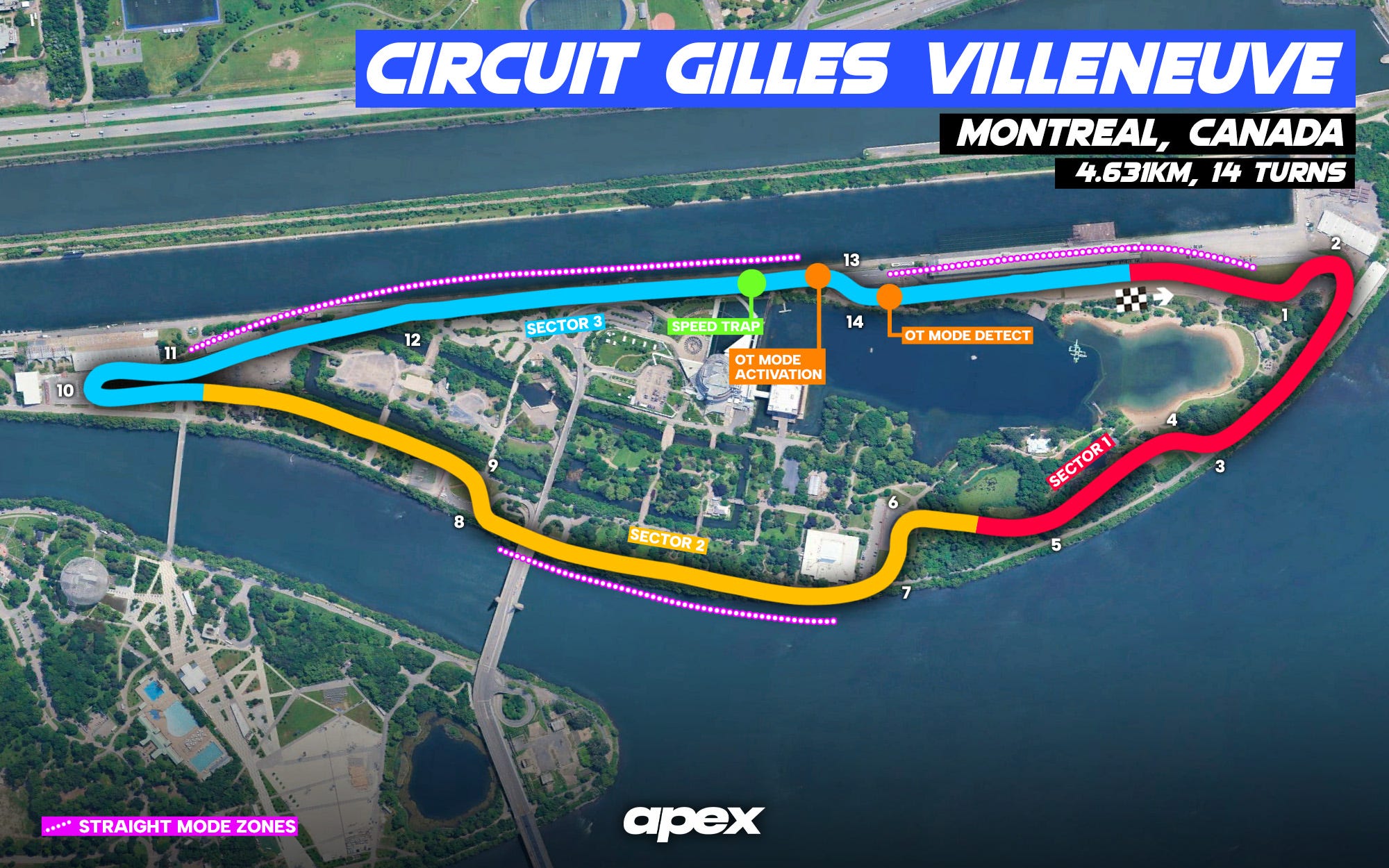
It’s that park setting that makes this a street track given that for the majority of the year, aside from the setup, race itself, and pack down phases, it can be walked, cycled, run or even driven around by the public! While that offers fans a unique opportunity to get up close with an F1 track, it does create some technical challenges for the teams to contend with, namely in how it impacts track evolution and tyre behaviour.
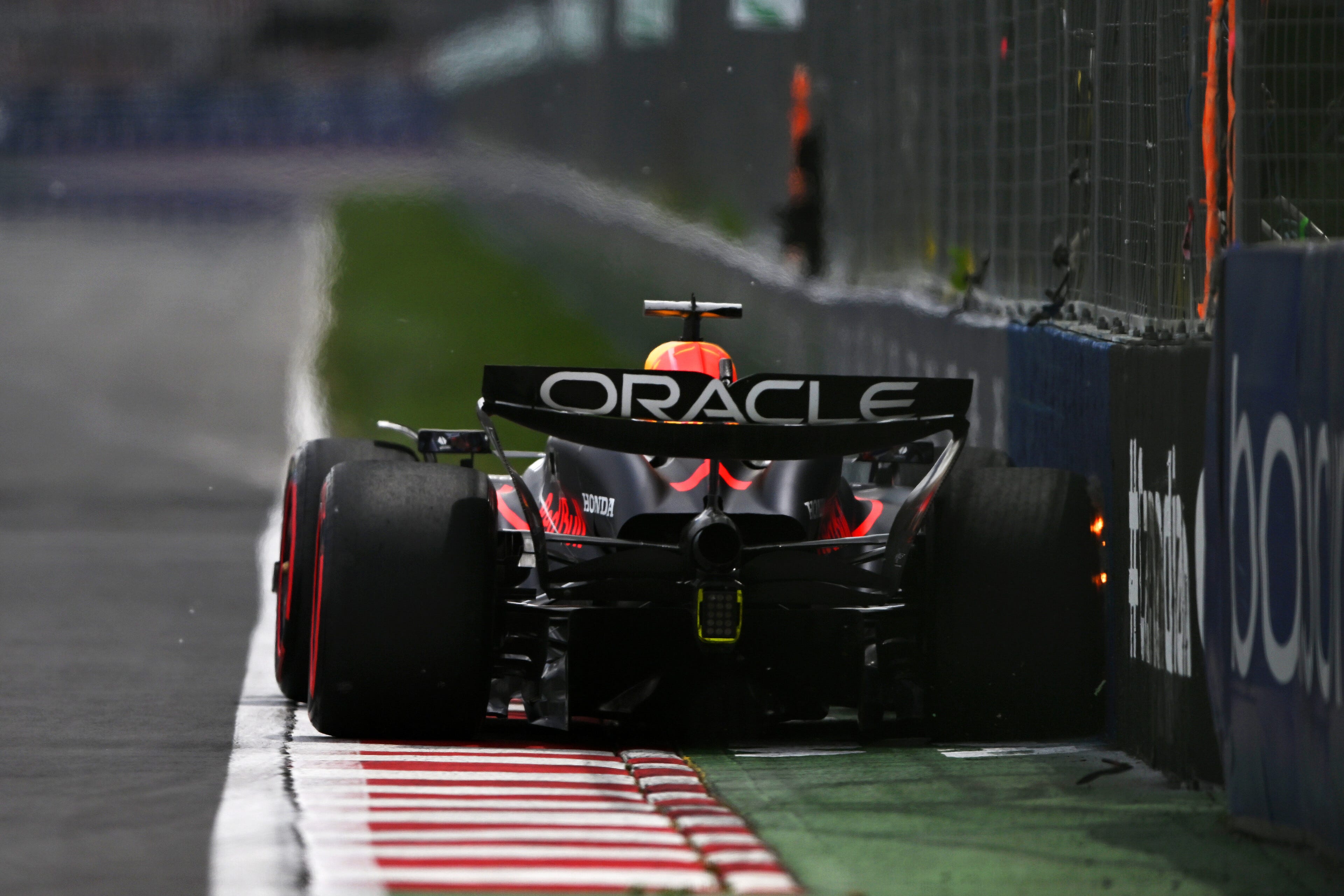
It also means that, as with the majority of street or semi-permanent circuits, the walls are close, the straights are long and here they’re also separated by heavy braking zones into chicanes. Equally though, there are a number of grass runoffs here through those chicanes which can raise their own issues in the wet especially.
Historically, Ferrari have harnessed those challenges best - taking 11 wins from the 44 past grands prix here, six of which were with Michael Schumacher. But since his last Canadian win in 2004, a Ferrari driver has only stood on the top step of the podium here once (Sebastian Vettel in 2018) and in the same time frame Mercedes have claimed five wins, four of which are Lewis Hamilton’s.


And this weekend, for the first time in Canada, there’s the chance for a driver to add two wins to their record as it’s a Sprint event. While a Sprint win perhaps doesn’t carry as much weight as a Grand Prix victory, the opportunity for the teams to go racing, and qualifying, here twice could prove invaluable as they gauge how the challenge the track poses has changed under this regulation set.
Characteristic Considerations
Heavy braking, fast straights
The track layout here is distinct in that it is made up of two main features - long runs flat on the throttle and chicanes - a combination that means it’s often referred to as a ‘stop-start’ circuit. In fact, over the 4.361km lap there are five chicanes that make up ten of the fourteen corners the drivers encounter, or 71%.
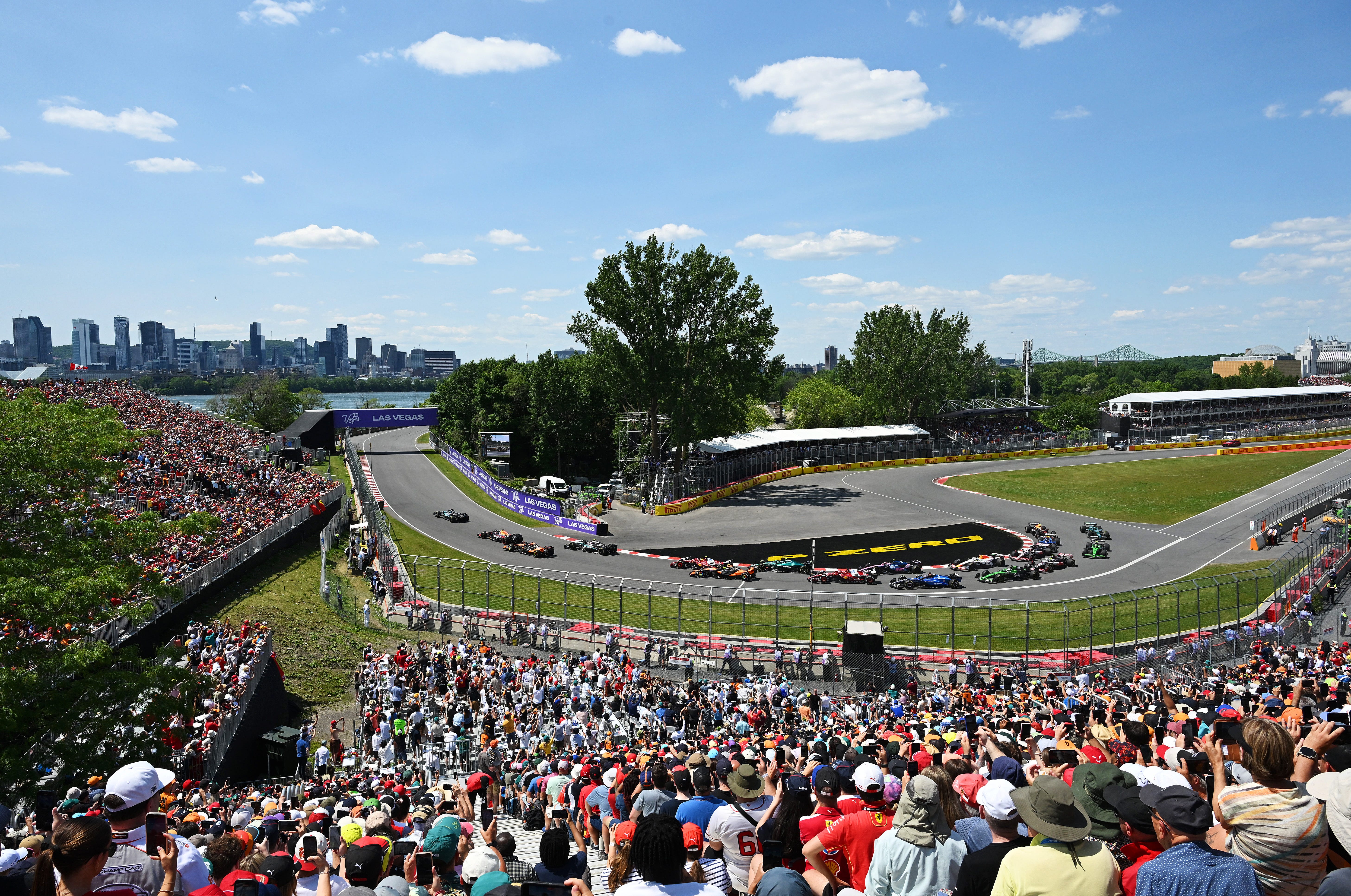
Technically, that creates challenges in two main areas - the tyre behaviour and the braking itself. The long straights give the tyres and brakes a chance to cool down significantly such that by the time the driver has to brake heavily for the next chicane, they are at risk of locking up or running deep. Come qualifying, it also makes getting sufficient temperatures into the tyre difficult, particularly at the front. It may mean we see teams completing preparation laps, so that where they might typically have followed cool-push run plan, they could do a cool-prep-push sequence instead.
That very specific layout balance also poses a challenge for car setup, as while power unit performance and aerodynamic efficiency are key, so is having strong braking stability and maximising traction performance to ensure the driver can get on the power quickly out of the slower sections.
Sector differences = energy challenges
A new factor for the teams to consider this year will be the impact not only of the track layout on energy management, but the way that impact changes over the lap, sector-to-sector.
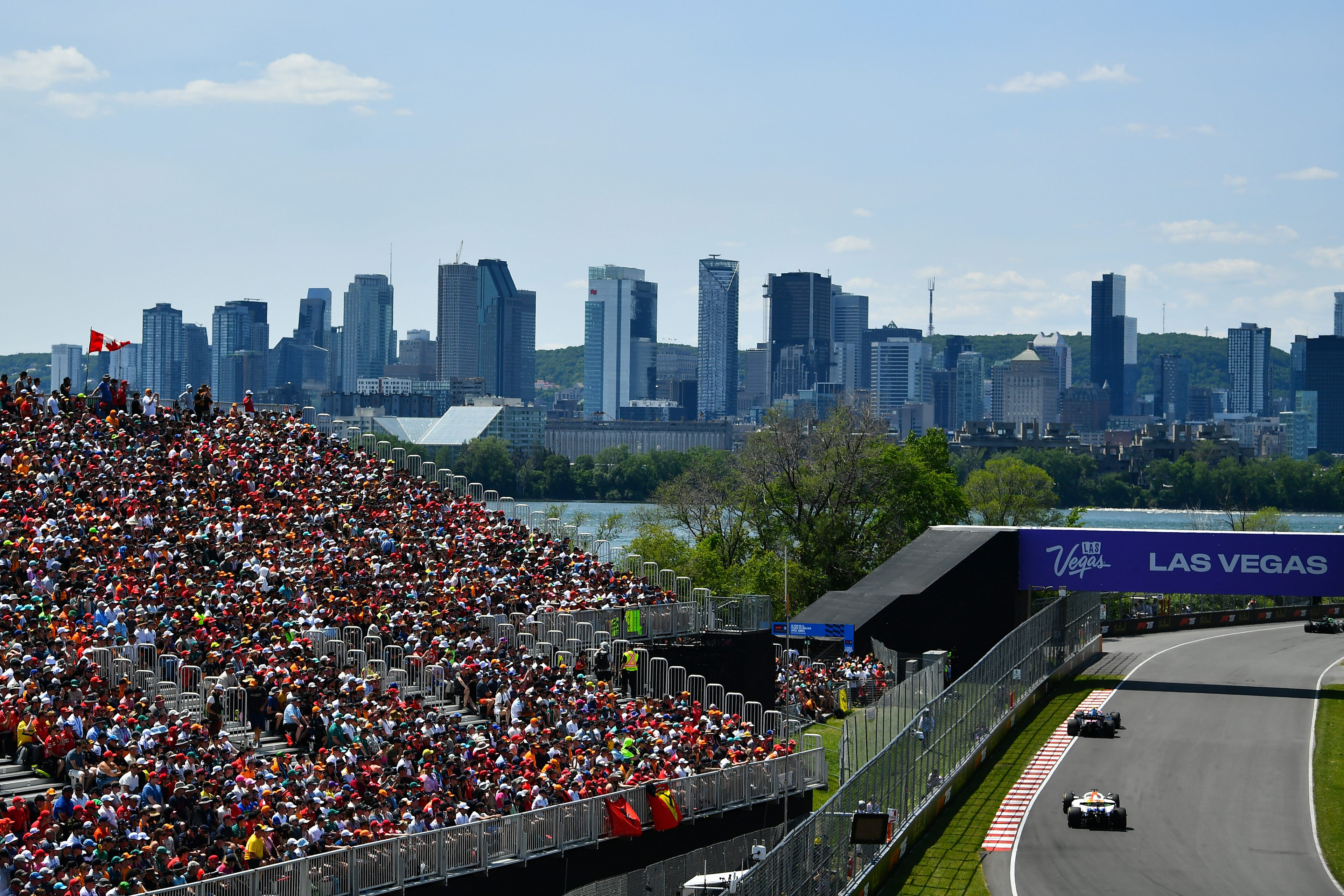
Sector one is much twistier than the two that follow which will render it a low-energy demand zone, particularly compared to how much the drivers will need to be using to efficiently get through sectors two and three. But of consideration this weekend after its introduction in Miami will not only be the effect of the reduced 6MJ harvest limit in qualifying, down from 8MJ, but also that of the increased harvesting ‘power’ of superclipping.
The regulation changes the FIA introduced prior to the last race weekend saw that increase from 250kW to 350kW, and we’re much more likely to see superclipping come into play as a major harvesting technique here than we were in Miami. Sectors two and three could be major areas for that.
Taking the kerbs
Given that the chicanes here are effectively ‘interrupting’ each of the straights, making it through each of them efficiently is key to maximising lap time, and that means riding the kerbs. While braking stability into them is critical, of equal importance is the handling of the car through them and its ability to aggressively ride over them. That’s especially the case at turns 3-4 but also in turns 8-9, where bumps in the track can create a similar challenge.
The Compounds
In line with their strategy since 2019, when the soft-medium-hard arrangement was introduced, Pirelli are bringing the softest compounds to Canada again this year. However, that does represent a move harder versus last year given the removal of the C6 from the range. It means the C5 will be the soft instead, with the C4 as the medium, and C3 as the hard.
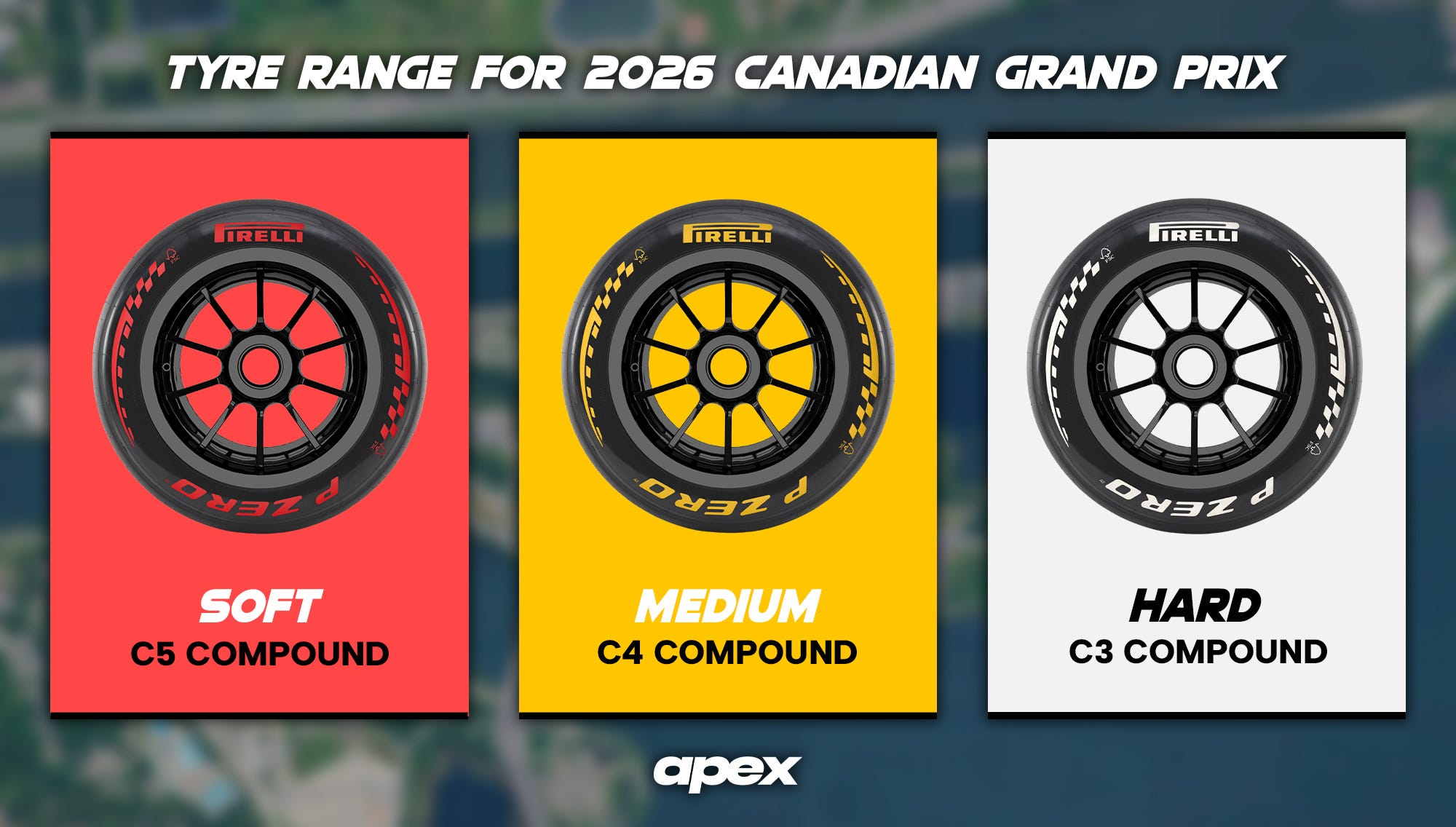
The reasoning for this soft selection is two-fold. The circuit evolution here is incredibly high given that this weekend is the only racing action the track sees all year, making it very ‘green’ when F1 first gets out there in FP1. However, the track surface is also smooth and low in abrasiveness following its resurfacing in 2024.
As a result of these two factors, combined with the potential for colder weather as the race is a few weeks earlier in the calendar this year than it has been in the past, graining is an incredibly common phenomenon here.
Graining: Graining occurs in low track temperatures, or where the tyres are outside of their optimal operating window. It’s a phenomenon that happens on the surface of the tyres, where the compound breaks up forming micro cracks in the surface, making it irregular and reducing the grip it can provide.
However, Pirelli’s 2026 range has been designed to be more resistant to graining and as such the manufacturer believes that, combined with track evolution and the age of the surface at this point, it could mean the phenomenon may disappear as early as Friday.
Strategy Corner
Where Canadian Grands Prix haven’t been rain affected, since F1 returned to Montreal in 2022 strategy has been dominated by the two-stop using the medium and hard.
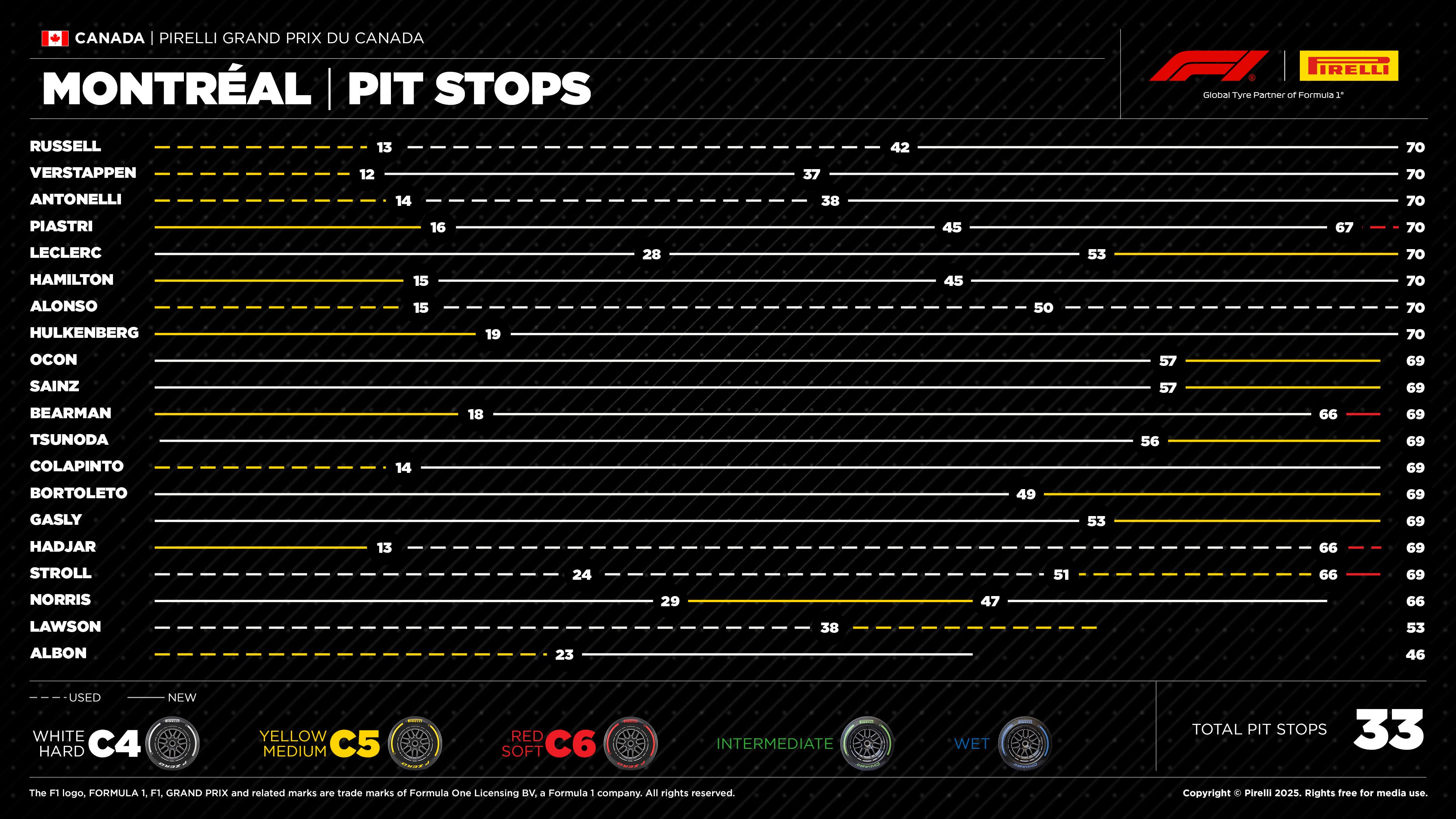
In 2025, the use of the C6 in the range meant the hard was the C4 and that pushed it into being the most effective compound of the three under the demands of the Circuit Gilles Villeneuve. Pirelli’s Director of Motorsport at the time, Mario Isola, noted that had the C6 not been there, it would likely have created a more linear, one-stop dominant race - making it a success in their quest for strategic variation.
Whether that will be the case this year in the absence of the C6 remains to be seen of course, but the one-stop has been a viable alternative strategy in the dry in past years here, even if it hasn’t been the most common choice.
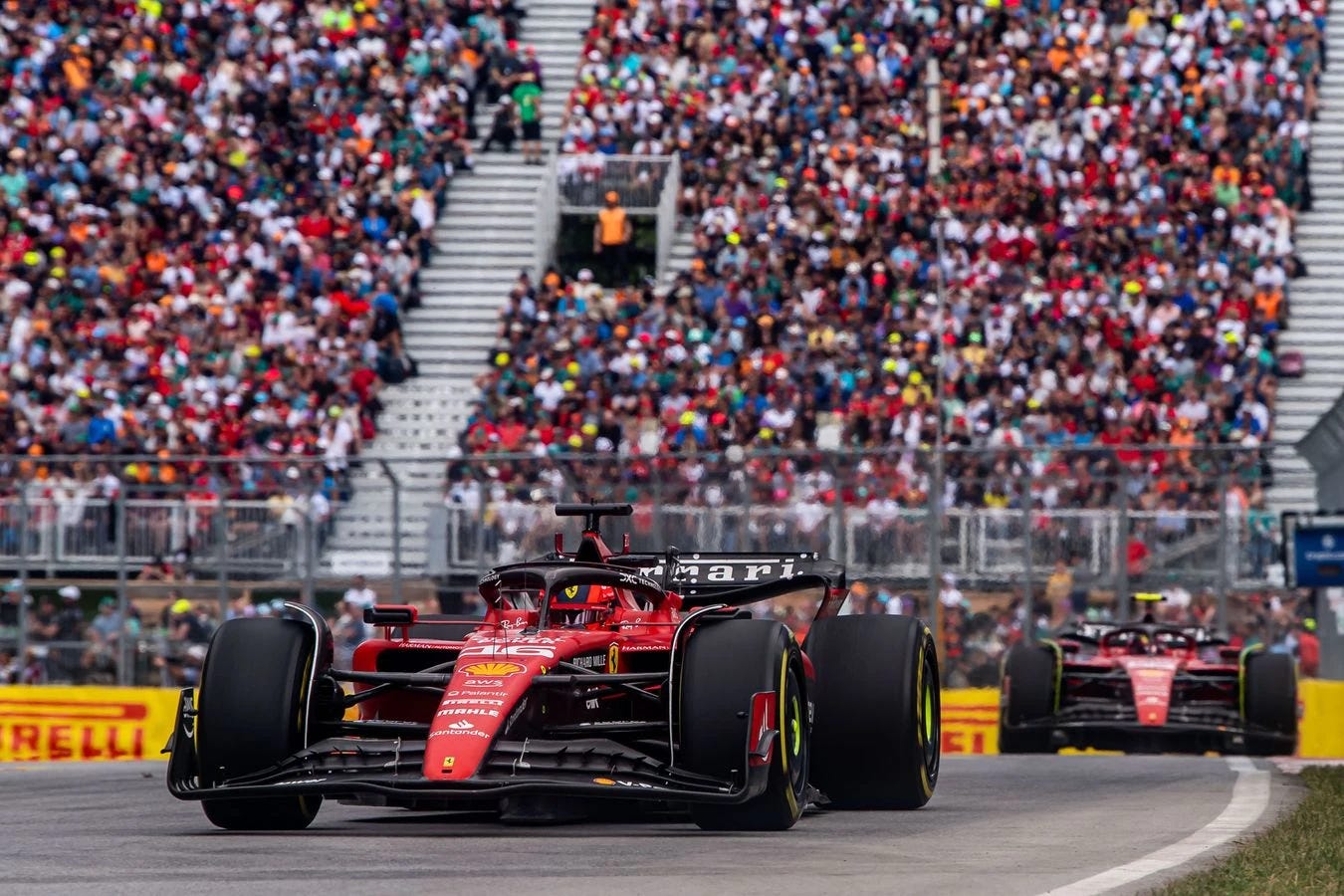
In 2023, Leclerc, Sainz and Perez (aside from a stop for softs for a fastest lap attempt with two laps to go) ran the one-stop to P4, P5 and P6 respectively. Sainz and Leclerc also both ran the medium for 38-39 laps, with its low degradation in the low temperatures making that possible. In 2025 it was a similar story for the hard - Ocon and Sainz each ran it for 57 lap long stints.
Fast Facts
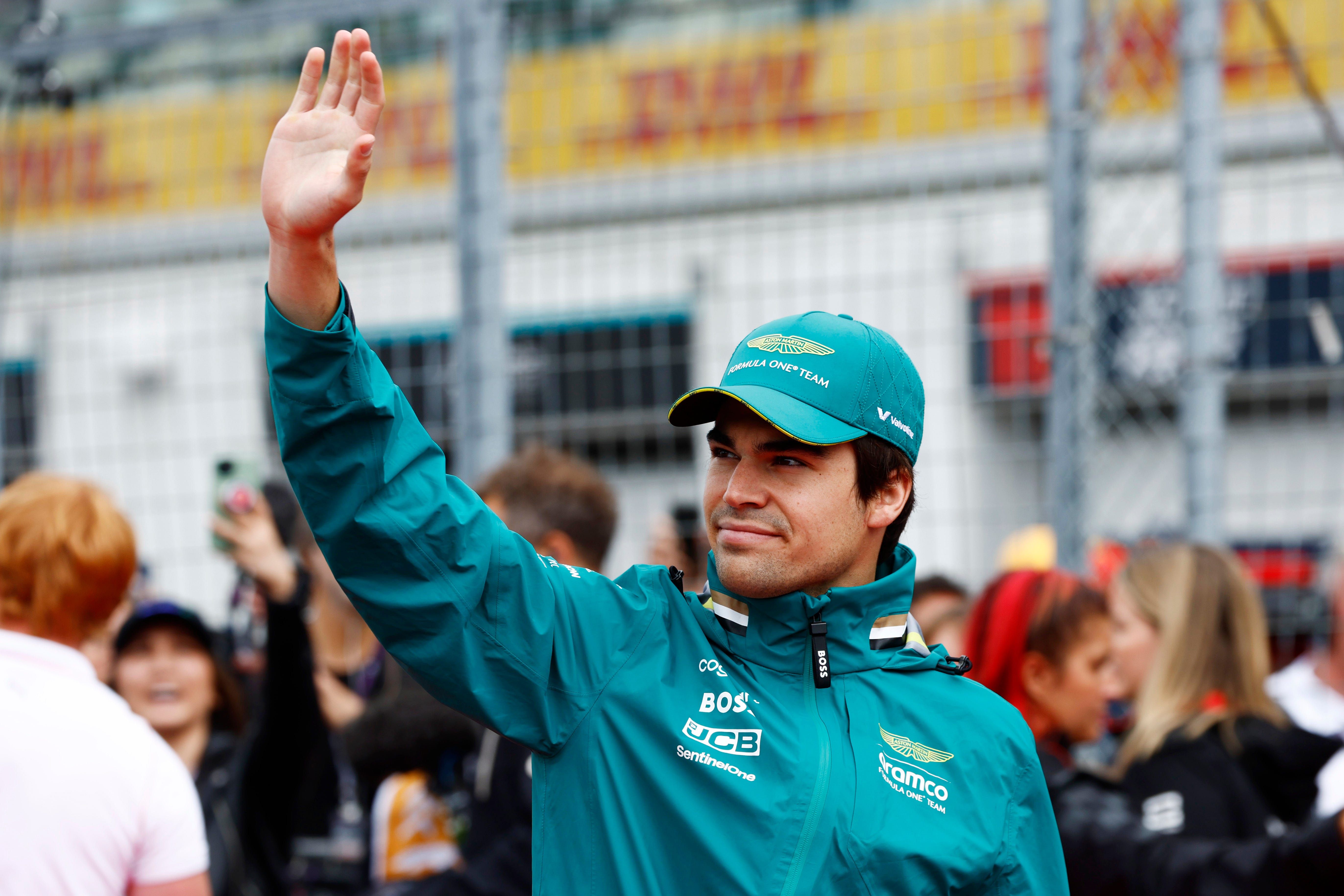
There have only been 18 Canadian drivers in F1’s history, the most experienced of which is Lance Stroll (193 grands prix contested) who will take part in his 8th home race this weekend. His average result at home is P10.17, and he’s finished in the points there every year except 2018 and 2025.
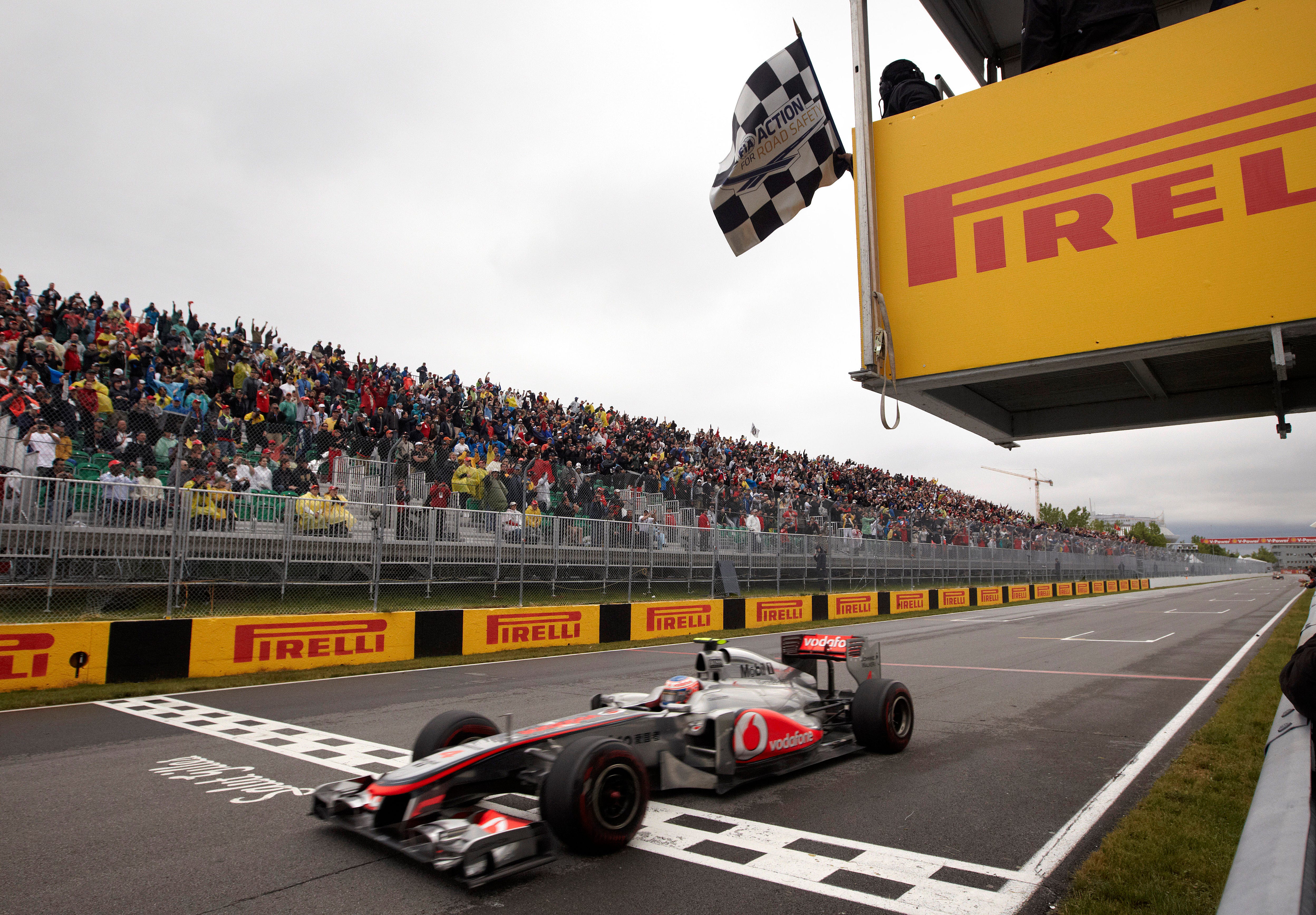
The Circuit Gilles Villeneuve was host to the longest race in F1 history in 2011, where the Grand Prix ran to 4 hours, 4 minutes and 39 seconds.
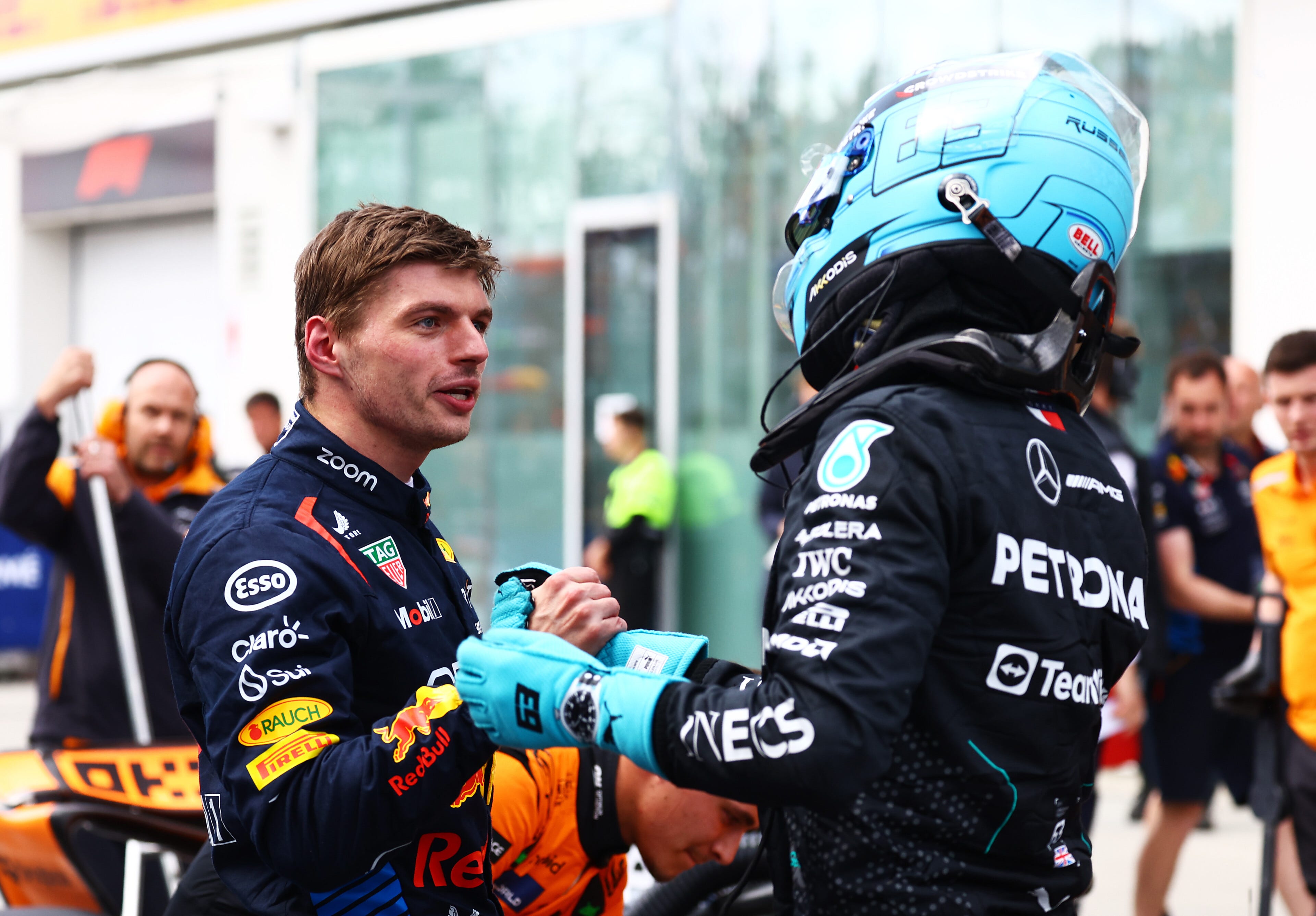
George Russell and Max Verstappen set the exact same time in Q3 here in 2024 - a lap of 1:12.000. As Russell had set his first, pole position went his way.
The Canadian Grand Prix kicks off with free practice one at 12:30pm track time on Friday 22nd May. Here’s how the rest of the weekend shapes up, with all times in local:
Practice 1 - May 22nd - 12:30-13:30
Sprint Qualifying - May 22nd - 16:30-17:14
Sprint - May 23rd - 12:00-13:00
Qualifying - May 23rd - 16:00-17:00
Canadian Grand Prix - May 24th - 16:00