

Compression ratios, qualifying minutes & mandatory stops gone: FIA confirms amendments to the 2026 F1 regulations
Ahead of the first competitive event of the 2026 season, the FIA have announced amendments to the 2026 F1 regulations that have been "approved unanimously" by the World Motor Sport Council.


A conclusion to the compression ratio saga?
Following a pre-season full of conversation and controversy around engine compression ratios, specifically focused on the Mercedes power unit, F1’s manufacturers have agreed to revisions to the regulations.
The claims centre around article C5.4.3 of the F1 technical regulations, which states that no cylinder of the engine may have a compression ratio higher than 16.0 - down from 18.0 last season - and currently it is only checked with a static test at ambient temperature.
But paddock rumours suggested that Mercedes had found a way of meeting that 16:1 limit during ambient tests, but then increasing it up to the previous limit of 18:1 while the engine is hot and running. That could bring increased thermal efficiency, but also more power. Mercedes however have firmly denied the significance of any potential advantage, with Toto Wolff calling the saga a “storm in a teacup” that’s “not worth the fight” during a press conference over testing.

That hasn’t prevented rival manufacturers advocating for “absolute clarity” over the regulations though, as Red Bull team principal Laurent Mekies said. But the FIA also appear to hold the stance of the season being fought “on track, not in the courtroom or stewards room”, according to comments from their head of single seaters, Nikolas Tombazis.
In an effort to squash the issue, changes to the testing methodology were discussed and went to e-vote ten days ago. The proposal stated that compliance with the compression ratio limit would have to be demonstrated not only at ambient conditions, but also at a “representative operating temperature” of 130°C from August 1st.
Now, the introduction of that new ‘hot test’, as a result of a vote by the Power Unit Advisory Committee that reportedly received unanimous support, will come sooner - June 1st this year, between the Canadian and Monaco Grands Prix.
The FIA statement outlined that the compression ratio parameter had been “one of the key fundamental targets of these regulations in order to attract newcomers to the sport”, and given that, it had “worked to find a compromise solution” among all manufacturers.
“A significant effort has been invested in finding a solution to the topic of the compression ratio. This parameter, which was one of the key fundamental targets of these regulations in order to attract newcomers to the sport, is limited in the regulations to 16:1, measured in cold conditions.
The FIA has worked to find a compromise solution which determines that the compression ratio will be controlled in both hot and cold conditions from 1 June 2026, and subsequently only in the operating conditions (130deg C) from 2027 onwards.
The regulations introduced for 2026 represent one of the biggest changes in recent memory. All parties acknowledge that with the introduction of such significant regulatory changes, there are collective learnings to be taken from pre-season testing and the initial rounds of the 2026 championship.”
Importantly, the 2027 season, as the statement says, will see the compression ratio assessed only in the operating conditions, i.e., only with the ‘hot test’ rather than a combination of ambient and operating temperatures. That may mean that from next year, the manufacturers will be able to target an overall higher compression ratio given the removal of the need to comply with 16:1 at ambient conditions.
No more mandatory stops in Monaco
Alongside this more attention-grabbing amendment, the FIA also made a change to the sporting regulations to remove the mandatory use of at least three sets of tyres in Monaco that was previously specified in article B6.3.6. In other words, the mandatory two-stop race there was a one-off for last season.
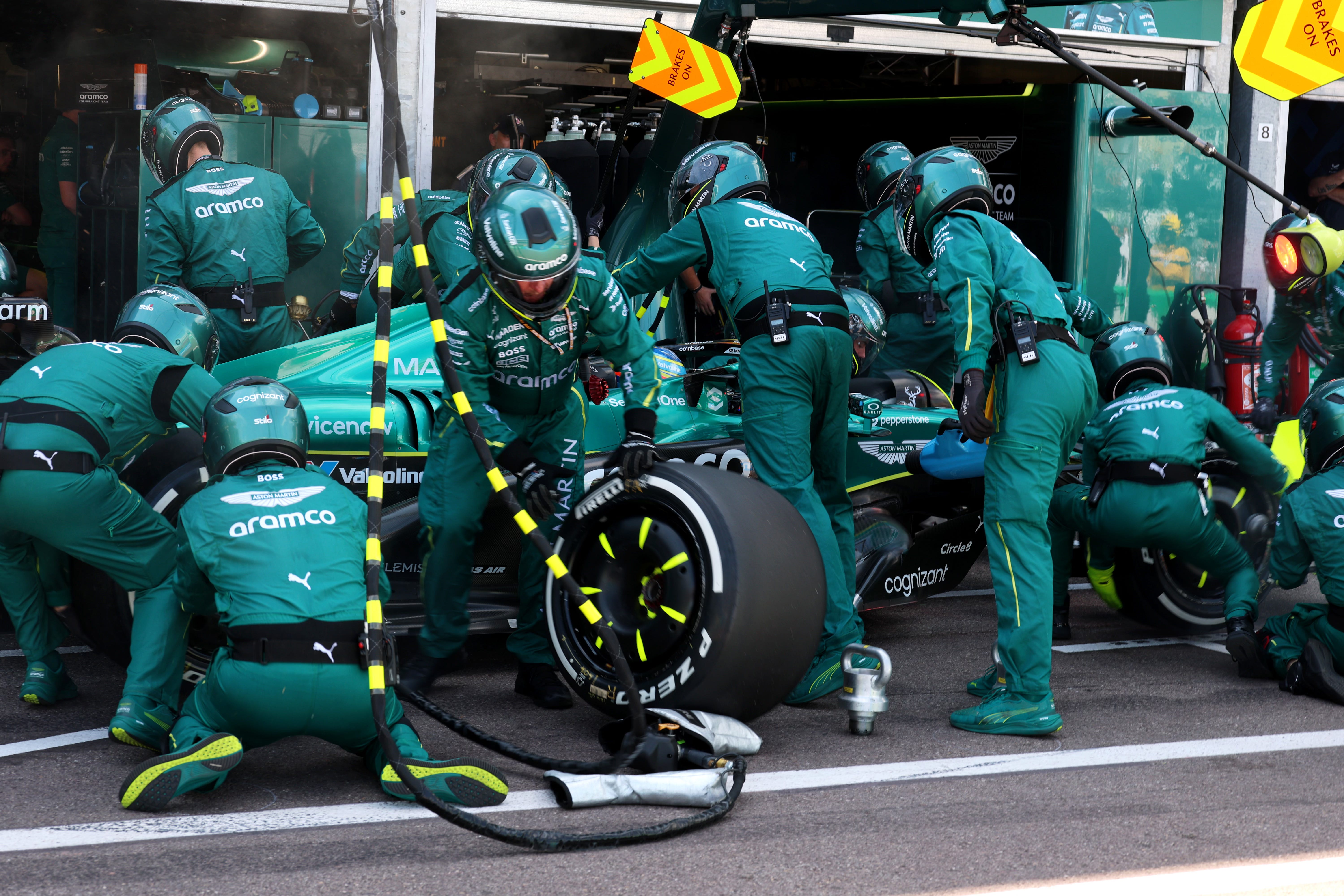
The introduction of that measure had been intended to ‘spice up’ the race that is usually more of a procession than one full of on track battles, as the overtake data year-by-year suggests. But that data also suggests that the change made no difference to on track overtakes, even if there were move overall position changes from the starting to finishing orders.
Beyond the overtaking metric, the regulation change did give rise to a higher level of gamesmanship through the field, as had been expected. Teams like Racing Bulls or Williams who had one driver qualify further up the field and another lower down used the lower driver to back the pack up, creating an opportunity for the higher up driver to pit.
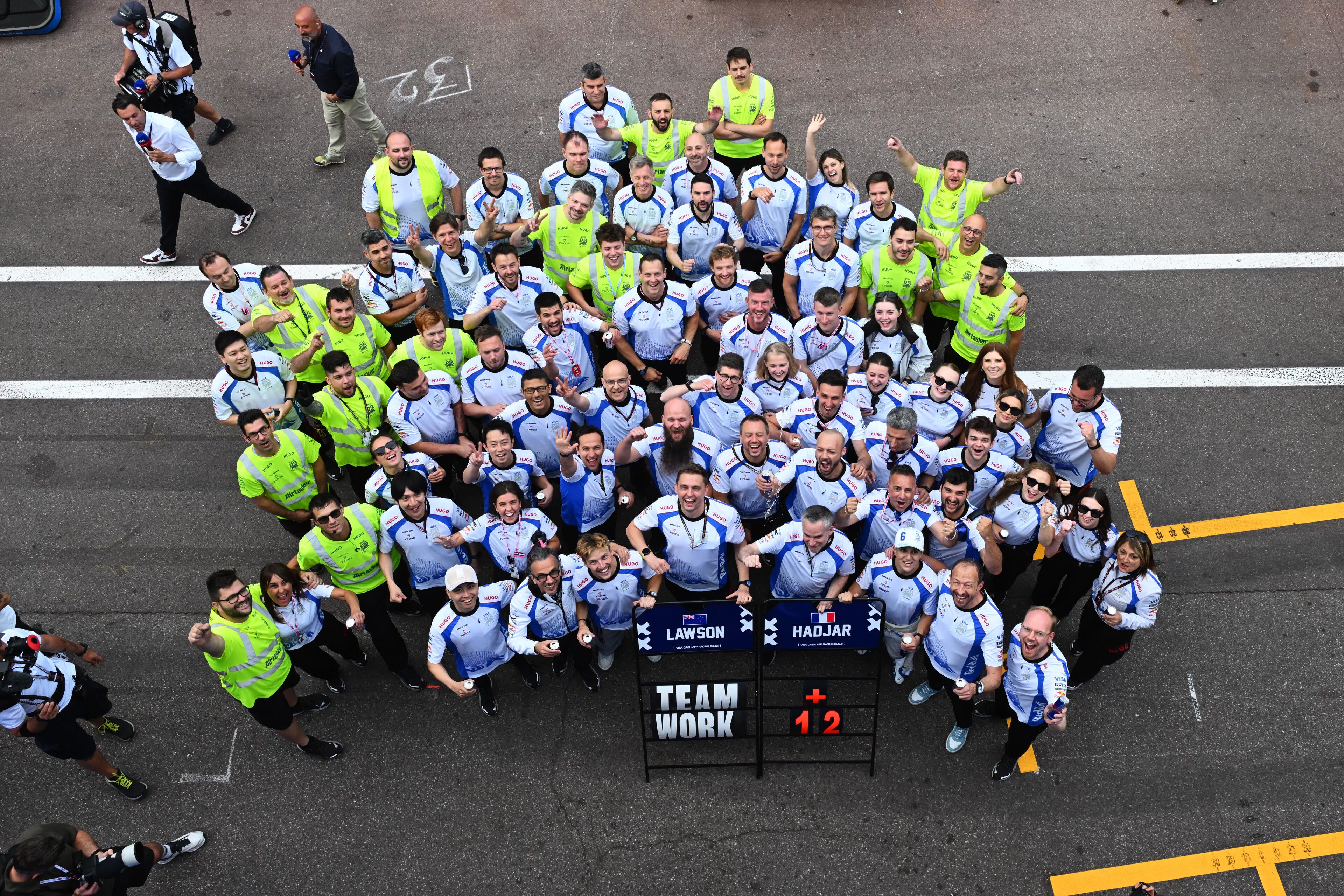
While that tactic benefitted Racing Bulls particularly, other teams fell victim to it and suffered generally more messy races - Mercedes being a key example of that.
No reason for the reversion to a ‘typical’ Monaco Grand Prix has been given by the FIA, but we could assume it’s to establish a baseline of the effect of 2026 regulation features like overtake mode and energy management on racing there.
For more on the impacts the regulation change had, or did not have, check out our data deep dive.

A small qualifying adjustment
Over the winter, to account for the addition of Cadillac to the grid as an 11the team, the FIA altered the qualifying session structure under article B2.4.2 of the sporting regulations.
It means this year we’ll see six cars, instead of five, exit after Q1 and a further six, instead of five, exit after Q2 - preserving the top ten battle for pole in Q3 even with two additional cars taking part.
Alongside those previous amendments, the FIA have now chosen to cut the gap between Q2 ending and Q3 beginning down from eight minutes to seven, and increase the length of Q3 by that extra minute, bringing it to thirteen instead of twelve. The overall length of the session - 60 minutes when uninterrupted - remains unchanged.