Audi arrive with a radical redesign
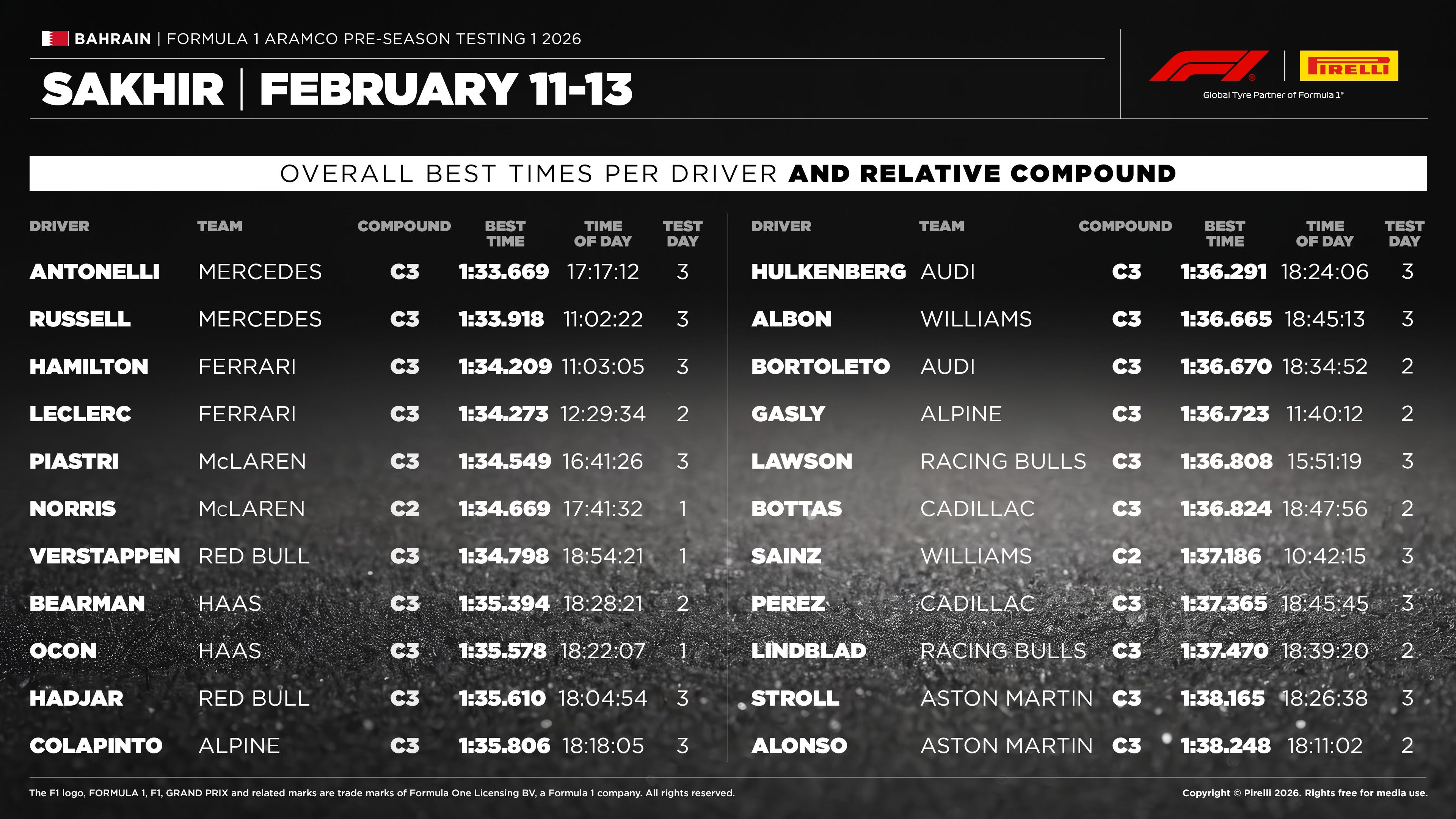
After having run a pretty distinct concept at the shakedown in Barcelona, Audi have turned up in Bahrain and on the very first day of running, fitted another completely different concept again.
The most visually obvious part of that is the sidepods. In Barcelona they were some of the widest, with very little undercut at the front and along the floor edge and less of a downwashing shape rearwards. The inlet was also horizontal and one of the widest too
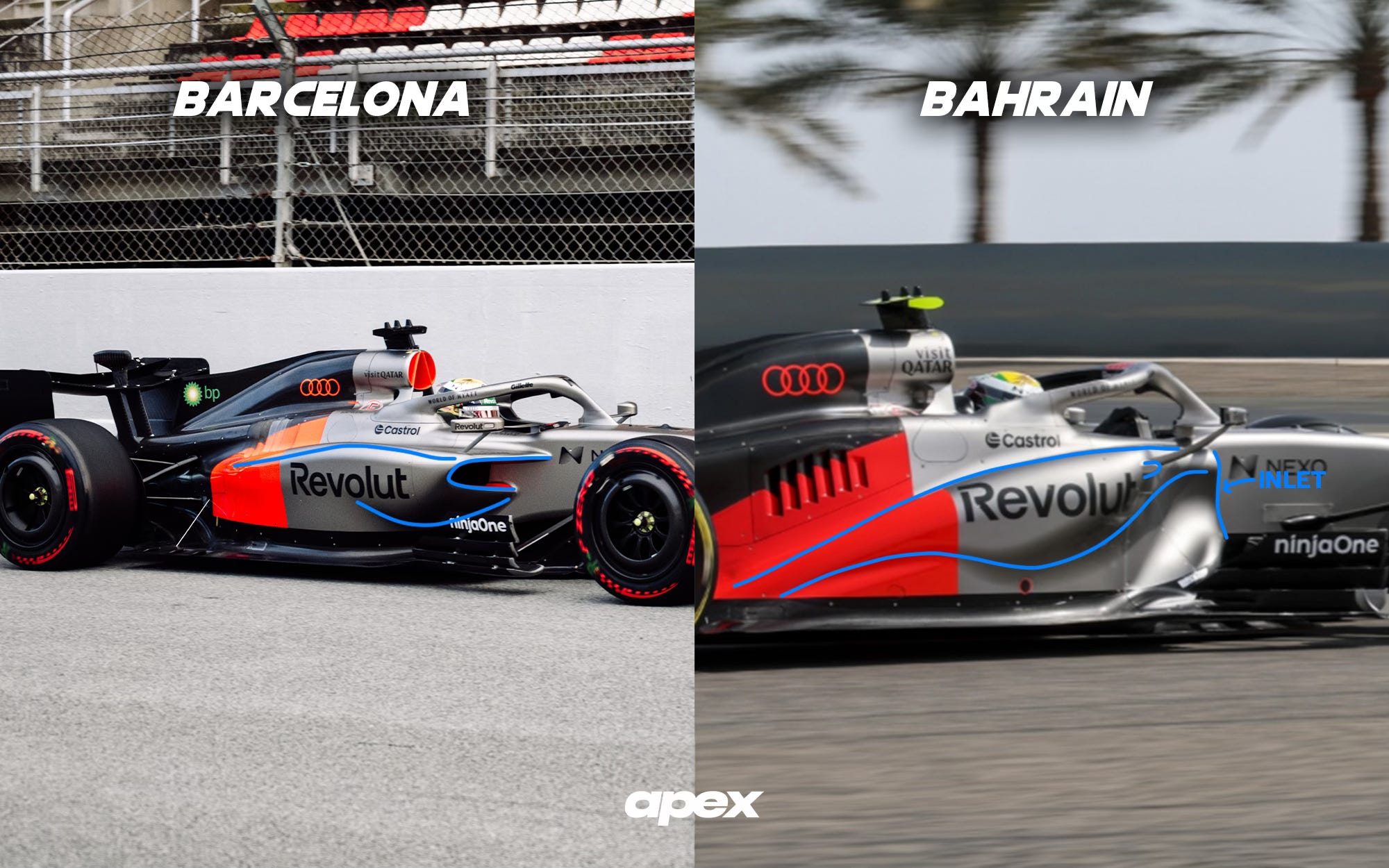
Now in Bahrain though, the very front of that sidepod has been completely pinched inwards and is incredibly slim. That’s made possible by the switch to a vertical, narrower inlet, and just how narrow it is is made clear by the top side impact structure sticking out.
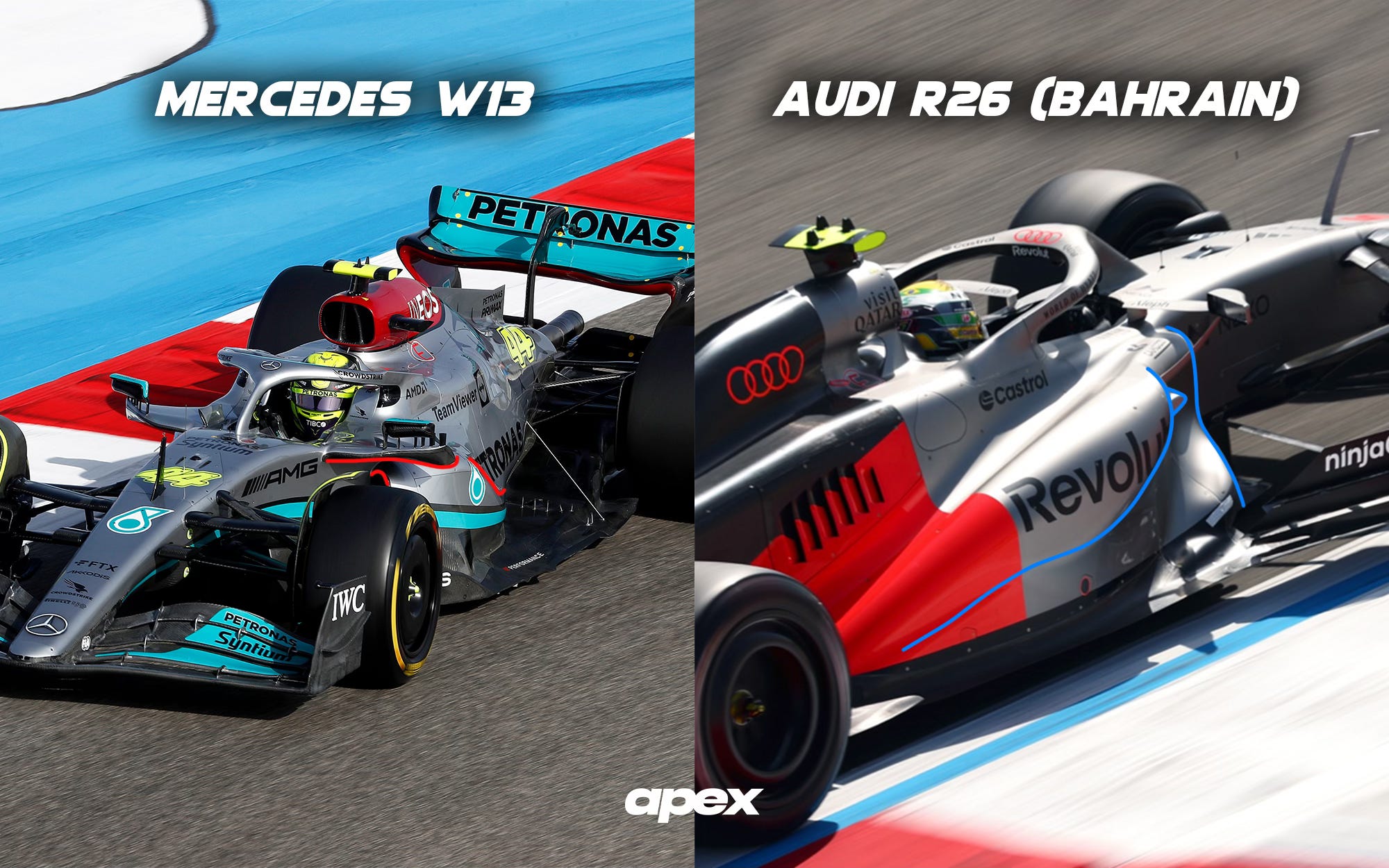
With such a narrow sidepod, it’s tempting to make the comparison to the Mercedes W13 and its ‘zero-pod’ concept from 2022, but there are clear differences. The Audi’s sidepod regains much of its width rearwards in a way that the Mercedes didn’t - the shape it does that with is much more tapered than what was seen from the new team in Barcelona, now in a more typical downwashing style with a channel down the upper surface too.
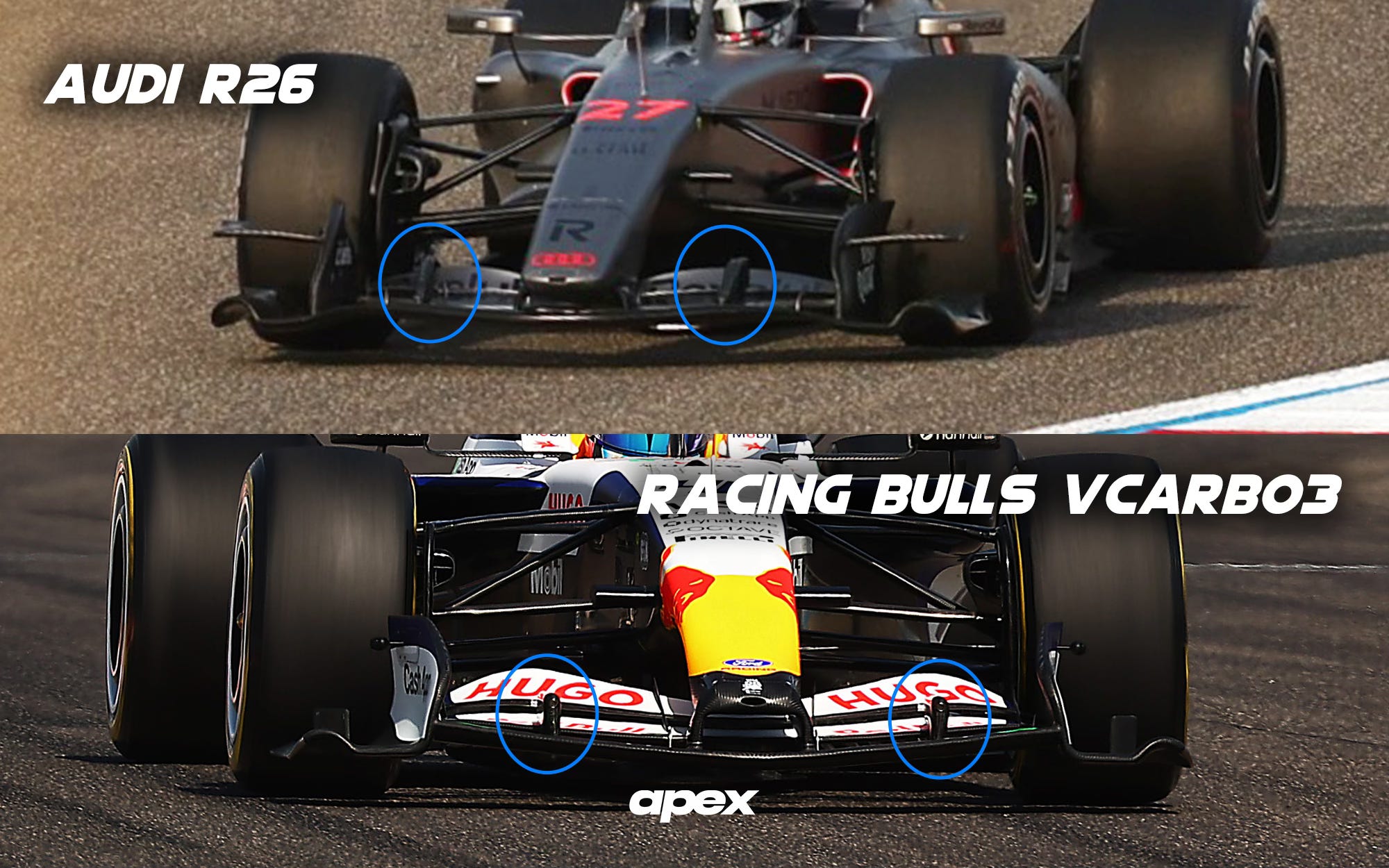
It’s not just the sidepods, on the front wing Audi now have two housings on either side, a bit like the actuators we’ve seen from Racing Bulls. It’s not entirely clear whether these are for that active aero actuation, but if so, it would be a move away from the single central one they had in Spain which is still being used by most.
At this point, it’s maybe the most dramatic change we’ve seen from the shakedown to this first test - but we have to imagine there will be more to come.
Tougher to handle, more fun to watch?
Even from the first shakedown in Barcelona, we heard from the drivers that these cars were more nimble, agile and therefore often tougher to control than the last generation under the modern ground effect era. That’s a consequence of a number of factors and how they combine under this new regulation set which, now we’ve seen play out on track for the first time, gave rise to a number of drivers locking up, spinning or running wide.
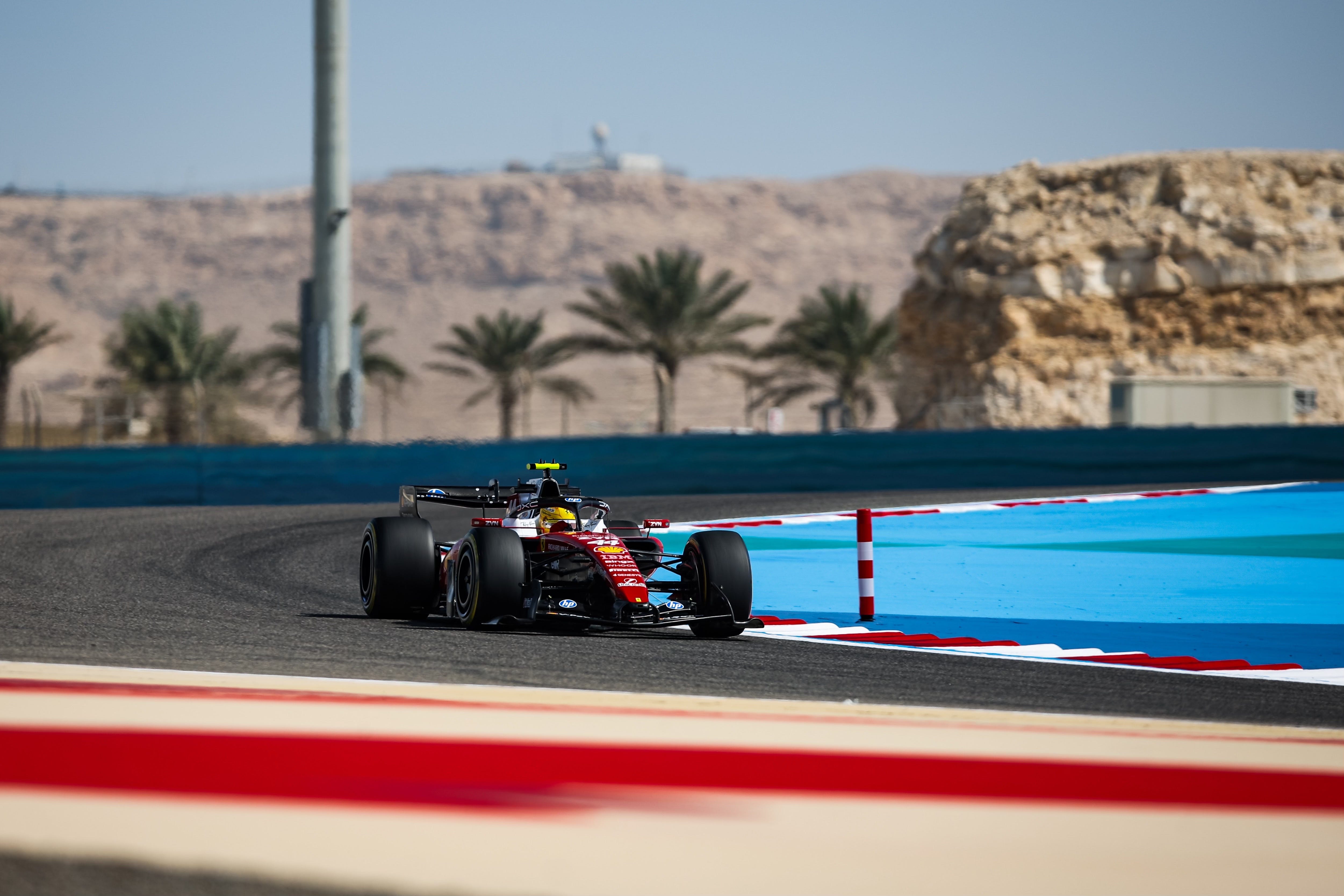
The wheelbase of the 2026 cars is 20cm shorter than their predecessors from 2025, they are also 10cm narrower in width and, at the minimum weight limit, 30 kilograms lighter. The tyres they run are also narrower - by 25mm at the front and 30mm at the rear. With flatter floors back and the downforce-generating Venturi tunnels gone, the amount of downforce the cars generate overall is lower while they also run with increased electrical power.
It means while they’d want to rely more on mechanical grip to overcome the downforce reduction, that itself is lower due to the narrower tyres, and although their shorter, narrower dimensions should mean cornering is easier, the increased electrical power and the harvest/deploy demands is countering that somewhat.
It’s created cars that the drivers have called “fun” but “different” to what they’re used to, and getting to grips with what that means for driving style driver-to-driver is a key agenda item for this test.
Today, that was also complicated by a south-easterly wind, which James Vowles commented was “unusual” for Bahrain and created, along with the dust and dirt on the track, what Lewis Hamilton called “the lowest grip I’ve ever felt here”. The Ferrari driver was one of a few who went spinning or locked up into turns 1 and 10, which were especially impacted by the wind.
Outwardly, the more ‘oversteery’ nature of these cars was clear and it really looks as though the drivers have their hands full - perhaps creating a more uncertain, fun spectacle at this point!
Top speed changes lap to lap
With the new power units and the energy management demands of the altered hybrid systems, owing to the almost three times increased power output from the MGU-K (120kW to 350kW), the impact of the harvesting and deploying lap-by-lap looked to be impacting the speeds the drivers could reach on consecutive runs.
Finding more consistency in that gives a clear advantage in terms of lap time over long runs, and today it was Red Bull and Max Verstappen who caught the eye of the paddock in being able to find that consistency already.
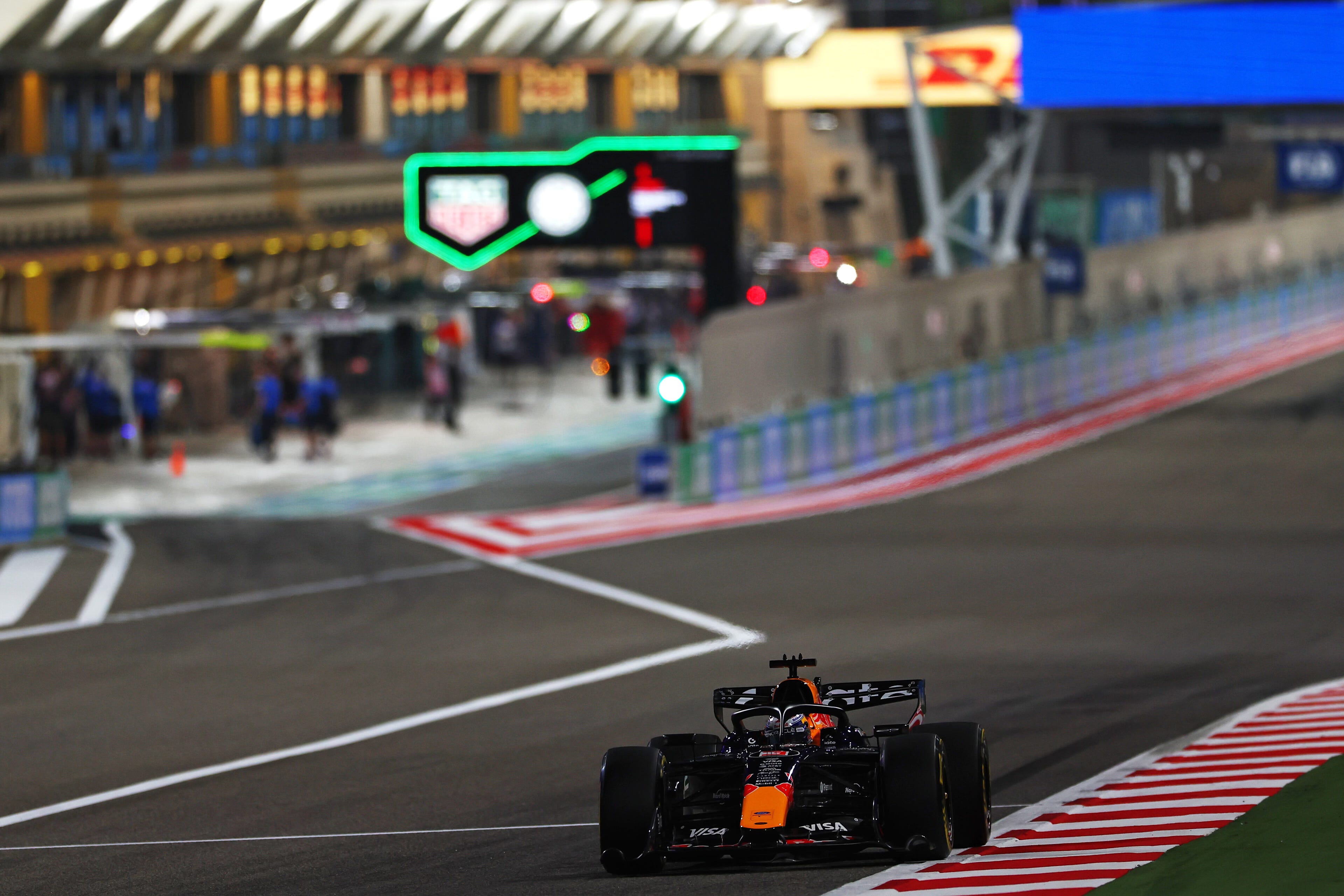
Mercedes boss, Toto Wolff, commented that Red Bull “are able to deploy far more energy on the straights than everybody else.”
“I mean, I’m speaking a second per lap, over consecutive laps,” he said. It even led him to conclude that, albeit with the caveat of it only being the first day, that “they’ve set the benchmark.”
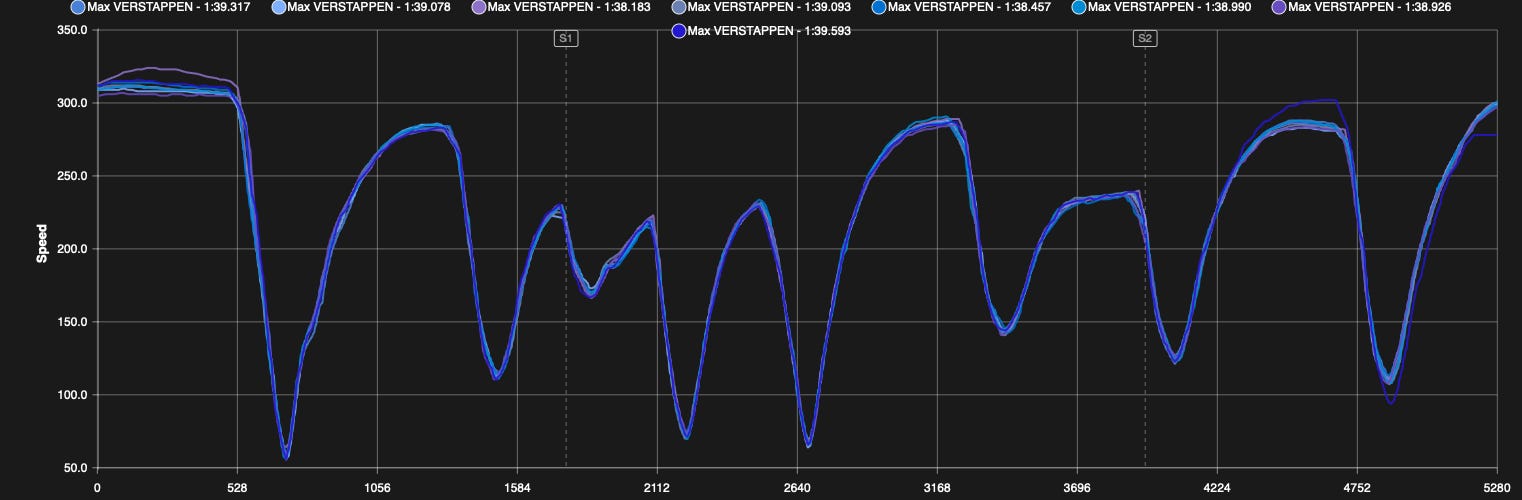
If we look into Verstappen’s fourth stint of the day, of nine laps on the C2 compound, and specifically the speed trace (courtesy of F1InsightsHub) we can see that consistency Wolff refers to of the Red Bull RB22’s speed down the straights lap after lap (bar a couple of variations into T1 and T14).
Comparing that to Russell’s 7 lap stint on the C1 hards, there’s more variation in the speed traces (courtesy of F1InsightsHub) with dips present on a couple of laps, for instance where he’s lifted off the throttle on the run from turn 10-11, but generally just a much wider spread of top speeds down the straights.
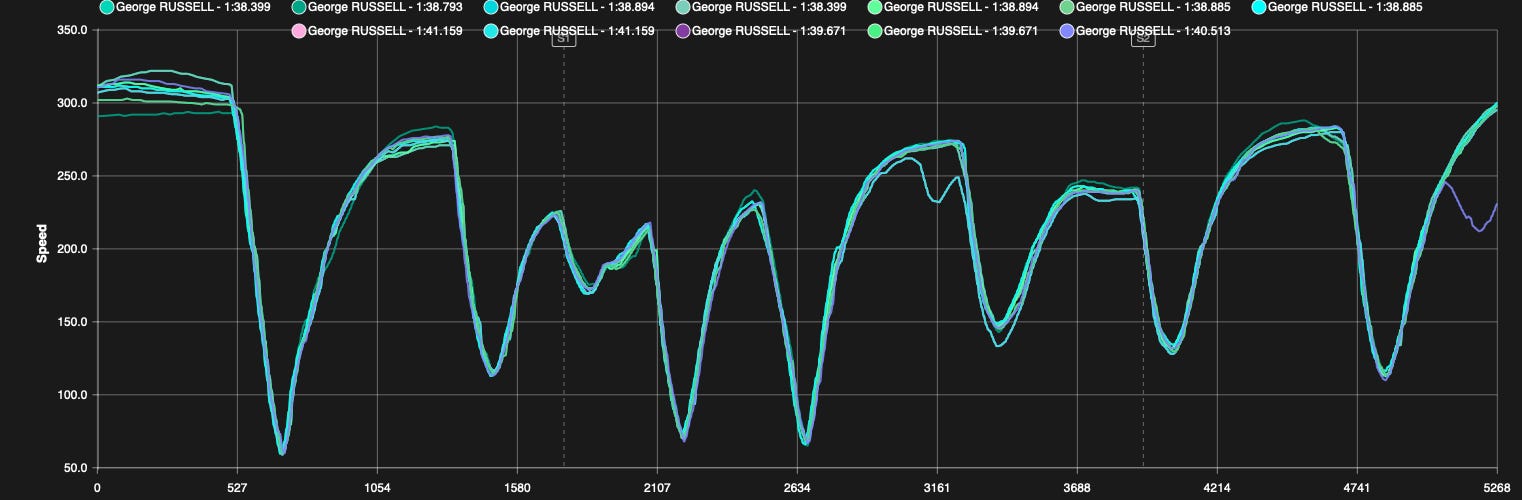
It supports Toto Wolff’s conclusion, that in these very early stages of testing, Mercedes are unable to deploy the battery as Red Bull seemingly can over multiple, consecutive laps. However, there is of course much more work to come.
Mercedes less ominous, but no true warning signs
Speaking of Mercedes, the ominous form seen from them in Barcelona didn’t exactly continue but it also wasn’t exactly gone completely. Things had gone broadly “according to the plan”, according to Wolff, but “it isn’t smooth sailing” for the team.
Bahrain itself presents a completely different challenge for the teams and drivers with warmer temperatures, a dirtier track owing to its desert location, an abrasive asphalt, and as we saw today, often aggressive winds.
These were all factors that perhaps fed into the “complications” Toto Wolff said the team had had with car balance over the day, with the Bahrain-specific characteristics making them “a little bit more articulated” than they had been in Spain. Their trackside engineering director, Andrew Shovlin, took that further though and said it had been a “difficult day”.
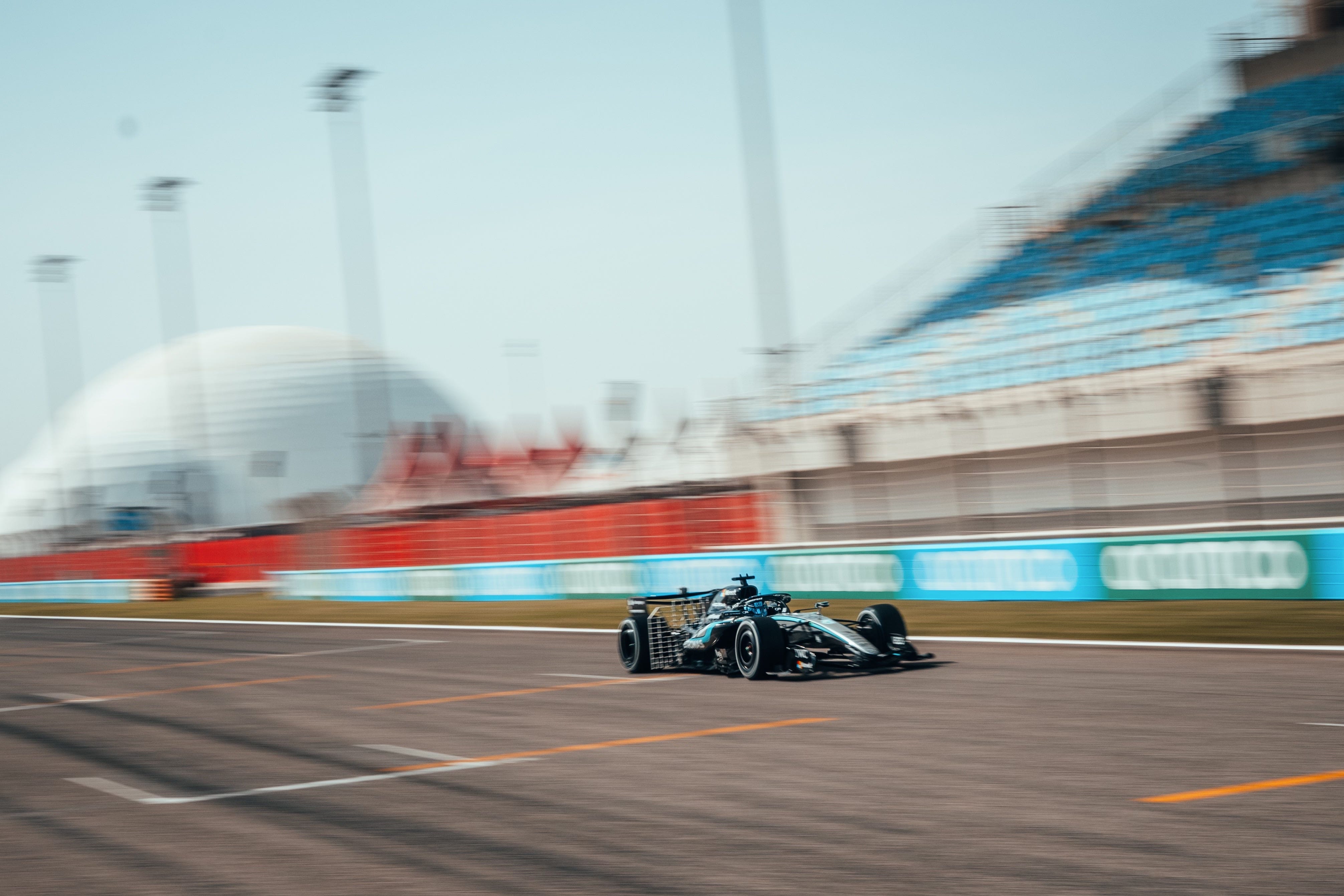
“We had several issues that meant we were late getting out first thing; that was due to a few changes in the garage that we hadn't done before during a session and that took a bit longer than expected,” he said.
“On top of that, the car balance wasn't great causing challenges with brake locking, poor traction and general inconsistency.”
The tough times continued as Kimi Antonelli took over in the afternoon, as an “issue on the suspension” “required further investigation” which cost them a couple of hours of running on track.
Positively though, Shovlin maintained that they are “not short of ideas” on how to progress forward and have two more days this week to try them.
Here’s how the times stacked up after all three days of running in Bahrain, courtesy of Pirelli.