A relentless challenge: Technical Preview for the Hungarian Grand Prix
40 years on from the Hungaroring's debut on the calendar, we return for a relentless challenge in the Budapest heat as the last dance before the summer shutdown.


Welcome to your technical preview ahead of the Hungarian Grand Prix!
It’s been forty years since F1 first raced at the Hungaroring in 1986 and, as has been the case for a number of those years, our visit this year marks the teams’ last chance to get points on the board before the summer shutdown.
The impact of that momentum swing towards a team on mood and morale before the three weeks away can’t be understated - everyone will come into this wanting one final good result on the board, and one final dose of understanding about their car, prior to leaving everything as is for two mandatory weeks away.
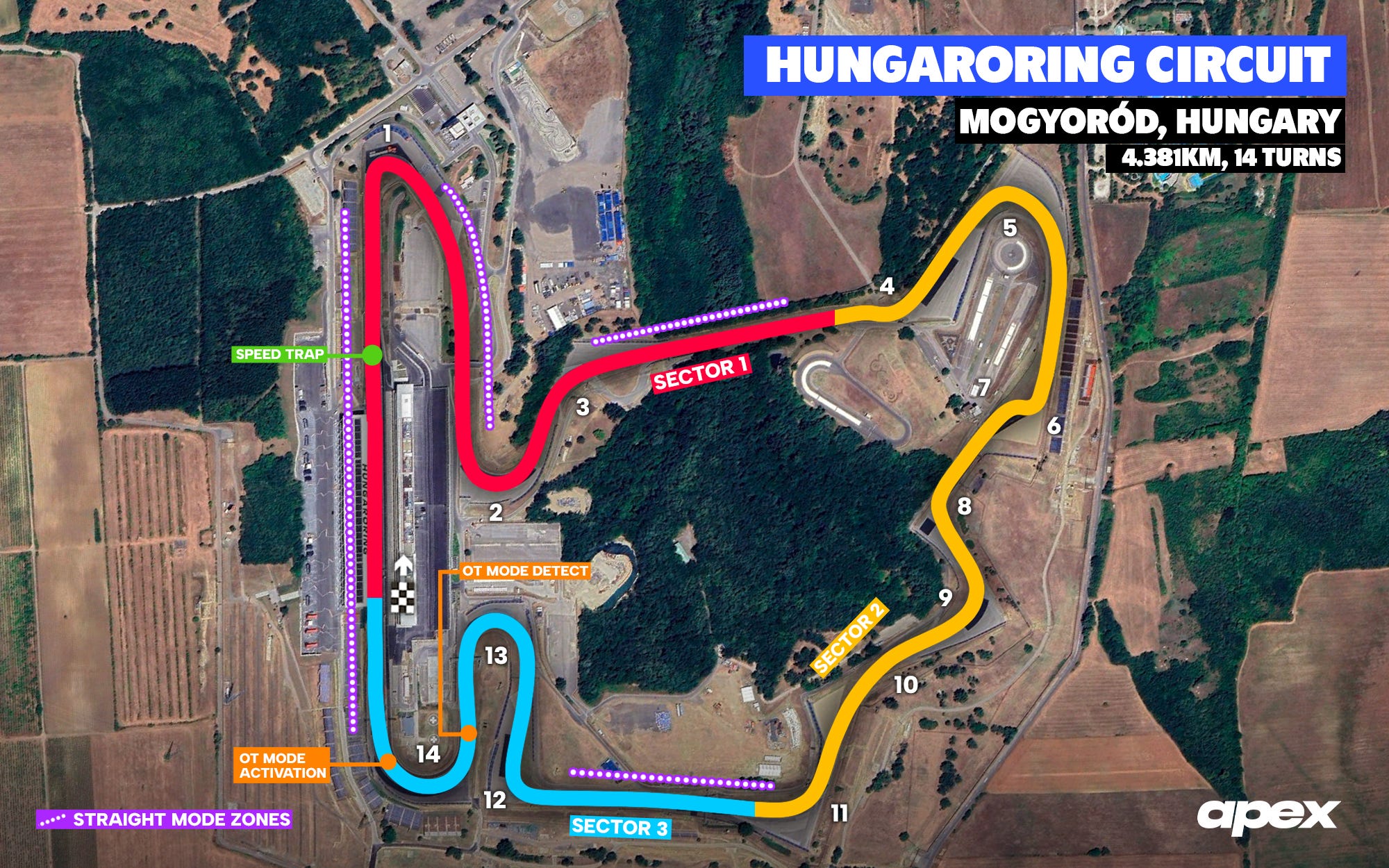
The Hungaroring is set to give us a different profile of understanding about the cars and these regulations than we’ve gained from the past few rounds from the Red Bull Ring, to Silverstone and then to Spa - all higher speed, more energy starved circuits. It’s a slower average speed lap, incredibly twisty and flowing, with a real premium placed on traction and grip through the numerous direction changes.
It could mean that, for once, the biggest conversation this weekend is not around deployment or recharging. If that’s the case, it’ll feel like a bit shift from how we left things off in Spa with teams and drivers alike re-questioning this regulation set.

Given its nickname ‘Monaco without the walls’ it’s maybe no surprise that the Hungaroring is expected to sit at the very lowest end of the energy sensitivity scale, second only to Monaco.
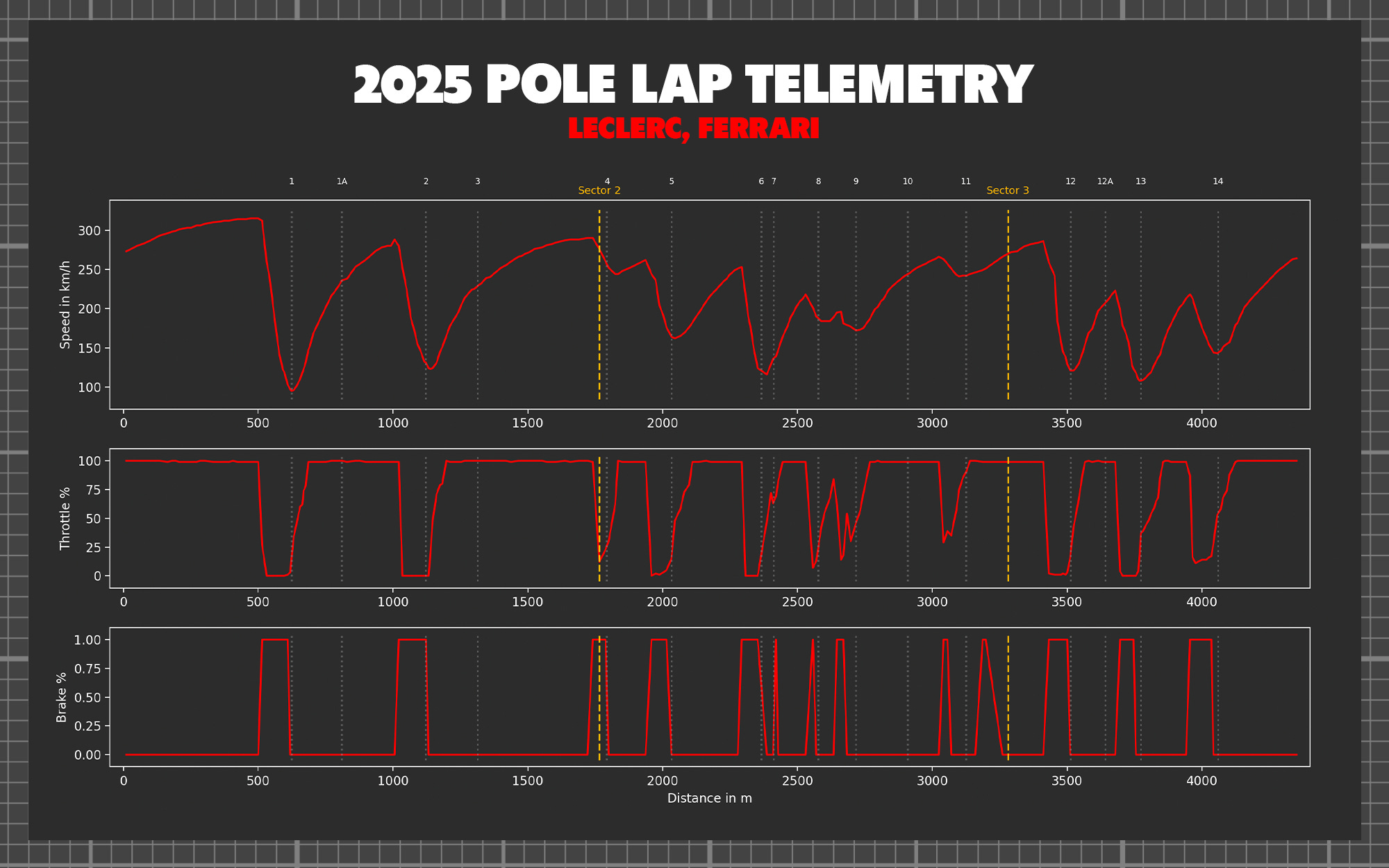
The corner-to-straight balance here is behind that as the main pit straight is the only point of the lap where the drivers reach speeds over 300km/h. Every other one of the straights are too short to allow for that - Leclerc only reached 290km/h on the run to turn 4 on his pole lap last year and 285km/h down to turn 12.
Accordingly, the FIA are allowing the full 9MJ recharge allowance here in qualifying, which will drop to 8.5MJ for racing laps with overtake not active.
That will make things significantly more straightforward for the teams and drivers than they’ll have become used to over the run of venues we’ve been on recently, and should open up the opportunity for other factors to become the main story once again.

Bolting on the Downforce
With energy management moved aside as the usual main character this weekend, the differentiating factor when it comes to performance is likely to be aerodynamic load and downforce. Again it’s the corner-to-straight ratio that means there’s much less of a balancing act at play, and the active aerodynamics will only exaggerate that compared to previous years.
Efficiency between downforce and drag is much less of a consideration here so instead the teams can afford to load up their cars to maximise performance through the quickfire direction changes, and reduce sliding to maintain tyre performance through to the final corners - the two tricky sustained hairpins, first to the left and then to the right.
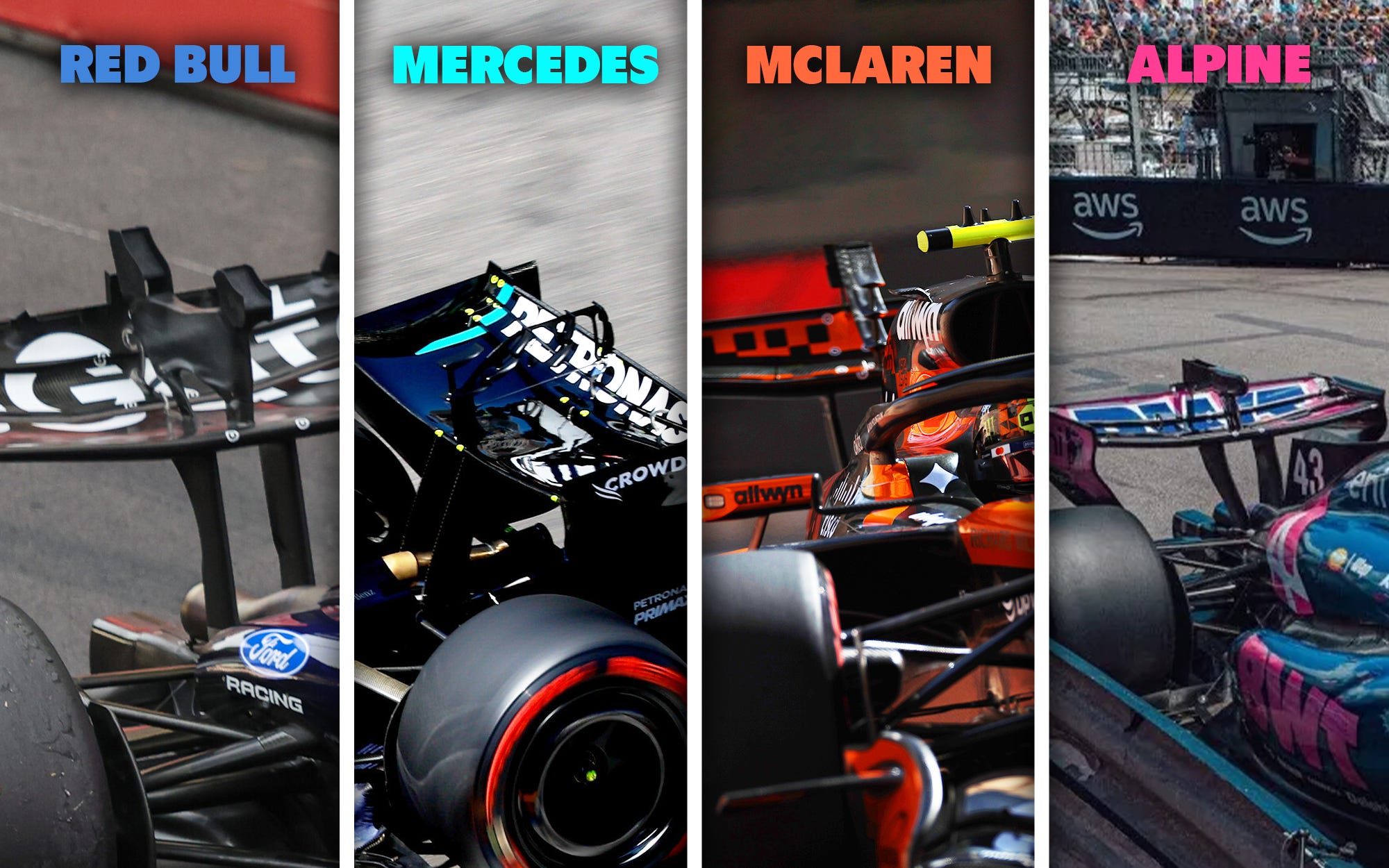
We’ve see the team getting quite creative with how they add marginal gains at higher downforce venues so far this year, with Monaco seeing the advent of intricate, detailed rear wing devices that made use of the regulation box usually used for the active aero actuator, given that that wasn’t in play there. It is this time, but as we saw in Barcelona, some of that technology and design carried forward and it could make a comeback here too.
Opening up the cooling
The heat is going to be on this weekend - not only competitively, but literally too. The forecast suggests highs of 28°C and that would already push the teams into considering their cooling setups, but the lack of straights here and lower average speed will make it even more of a consideration.
Look for open louvres, driver inlets and larger rear outlets given that the drag penalty of these is a lot less impactful around this layout than it usually would be.

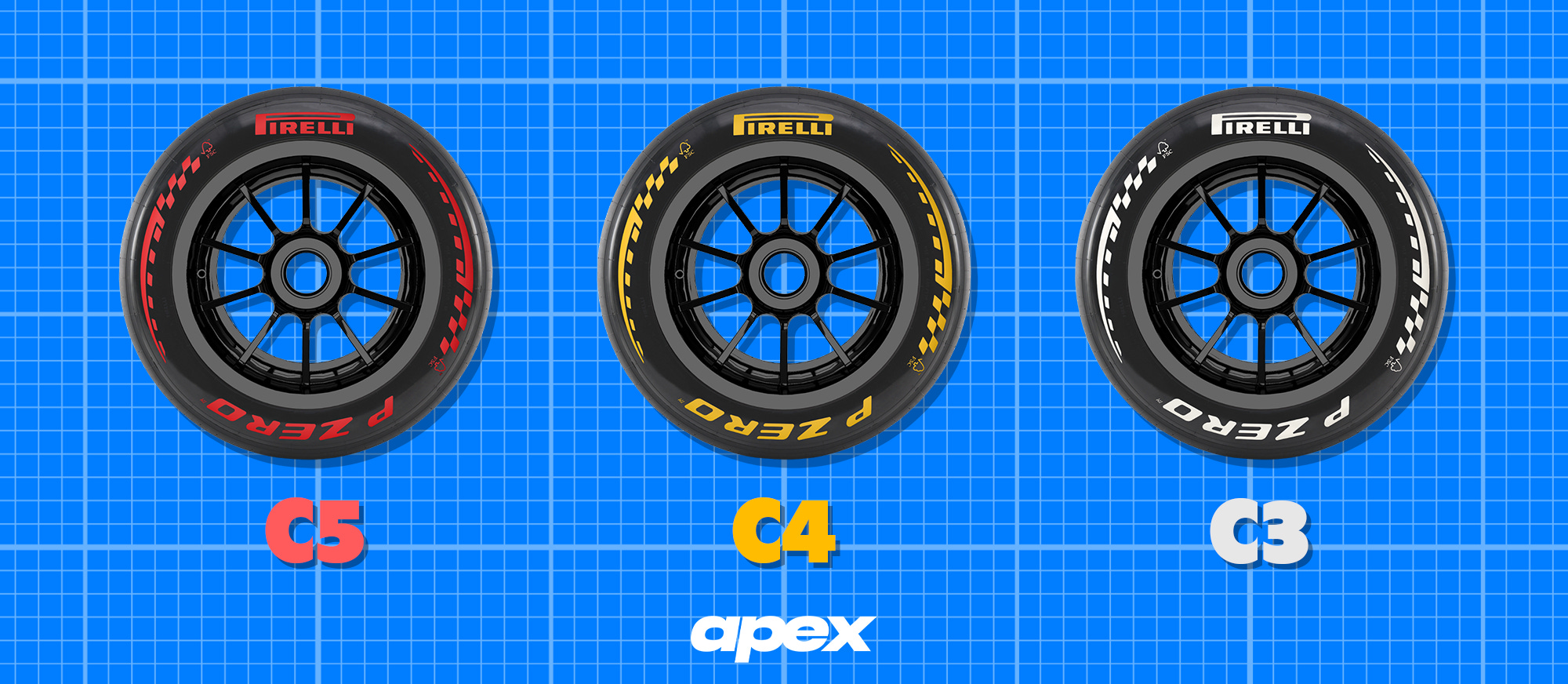
Pirelli have selected compounds from the softest end of their range for this one: the C5 as the soft, the C4 as the medium and the C3 as the hard. It’s a decision made with the traction and braking stability demands of this circuit in mind but also the grip levels here which are some of the lowest of the season, especially at the start of the weekend. Track evolution is therefore anticipated to be high as it cleans up as the sessions tick down, but before that, don’t rule out some graining appearing on Friday.
The track surface here is a mixed bag - at points where it hasn’t been renewed it’s quite rough, abrasive, and bumpy but at others that have more recently been resurfaced, it’s more stable. It’s also very dark in colour which creates some of the highest track temperatures we see all year, usually in the 50°C region.
Alongside the high energy that’s exerted on the tyres here, which increases cumulatively over the grand prix as the 70 laps tick down, it creates a recipe for thermal degradation being the biggest driver of strategy come Sunday as the only real respite the tyres get is down the main straight, which itself is only just over 900m long. The rears are usually most vulnerable to this and can see high wear as a result.
However, it can also have an impact in qualifying, complicating tyre preparation over the short lap which will require the teams to carefully manage their out-laps and traffic over them too.

Strategy here is usually dominated by the two-stop, owing to that thermal degradation. But even making that work requires a high level of management and tyre saving which is usually most needed, and effective, through the middle sector where the narrow width means overtaking is tricky, or at least has been in the past without boost or overtake mode in play.
But even small changes in track temperature and condition can change that, as we saw last year. Things were much cooler on Sunday than they had been earlier in the weekend and although the two-stop was still the most run strategy, the gap between it and the one-stop closed down given the reduced thermal degradation. That allowed Lando Norris to run to the win with just a single stop to recover from finding himself down in fifth on the opening lap, as a first stint extension turned into it becoming a viable option.
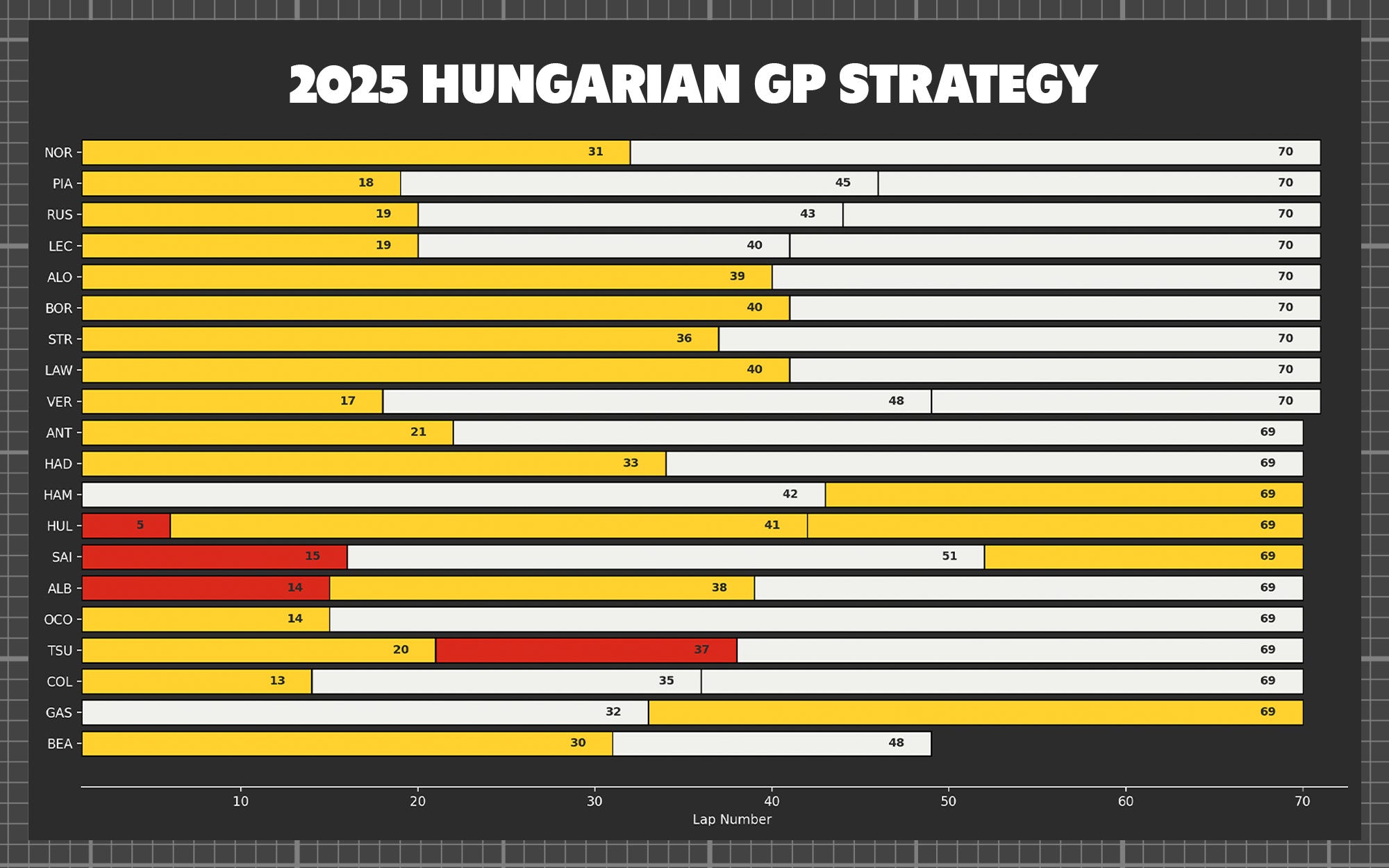
Effectively he opted for a tyre life delta over those around him in the middle phase, which allowed him to turn an inherited lead as Leclerc, Piastri and Russell took their first stops into a net one as they took their second stops with how much time Norris was able to gain from lap 32, his out-lap on new hards, to around ten laps later.
It did put him at a disadvantage in terms of tyre age later on, which led to a battle with Piastri on 14-lap newer hards in the closing stages. Ultimately though closing in, and staying close enough in the middle sector to make an overtake possible by turn one again, is tough here and as Piastri found out, too tough even with that sizeable tyre life advantage.
"Getting to within 6-7 tenths is doable. But I’d have needed to have been on brand new softs to pass after that,” he said post-race.
It would be tempting to say we could see a team try and replicate Norris’ race this year, and it’s not out of the question, but it was unusual. It was the first time a one-stop had been the winning strategy here in at least six Hungarian grands prix, and the first time it had really proved to be viable, albeit under the right conditions and in a very limited way, since 2019.
It means coming into the weekend, all things being as predicted, we’re expecting a two-stop race mostly using the medium and hard, however all three compounds could come into play over the field. That could create interesting variation in stop windows and timing even around the same strategic structure. However, any drop in degradation, even a subtle one, could change things and we could see the one-stop come back to the fore.

With the emphasis this circuit places on traction, kerb riding, direction changes and cornering generally, it could be one that favours Ferrari most strongly. They’ve been strong in those areas repeatedly over this first half of the season and while they have found ‘surprise’ strengths at the higher speed, more efficiency demanding circuits recently this could be one where we see that intrinsic strength over the Mercedes come out, especially as the impact of the silver arrows’ deployment/recharge advantage will be mitigated here.
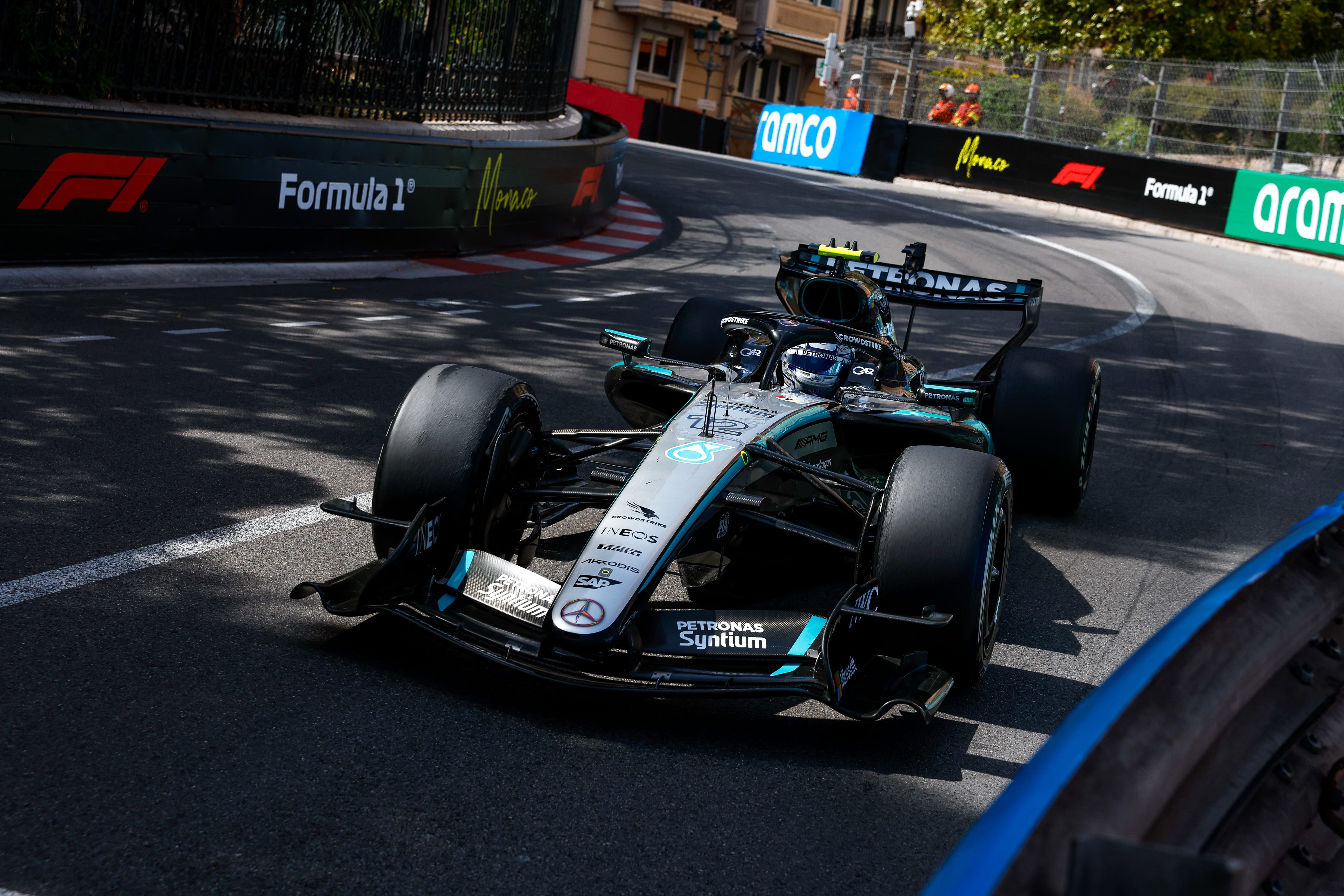
But that said, it would be silly to rule Mercedes out as a leader of the field or a threat for that title, on Antonelli’s side at least. If Monaco was anything to go by, this will be one where he storms ahead again which could spell trouble for George Russell’s chances at bouncing back from the tougher run he’s had recently, which it’s safe to say bubbled over in Spa. Equally though, George’s troubles have been on the energy management side and without that playing such an integral role in extracting lap time this weekend, it could be one where he claims one last momentum swing back in his favour before the break. It’s also a circuit he’s been strong at in recent years - with one pole and two podiums going his way.
The battle to be the third fastest team between McLaren and Red Bull could be an interesting one to watch this weekend, especially as McLaren feel they left Spa with “a smaller points haul than our potential”, according to Andrea Stella.
It’s a race they’ve dominated in the past - they’re the team with the most wins, podiums, poles and points here - and that’s carried over to recent form at the track too, with Piastri winning in 2024 and Norris in 2025. To bolster their chances of doing the triple, they’re set to bring what the team says is a “valuable upgrade package” to increase their performance at higher downforce circuits, like this one.
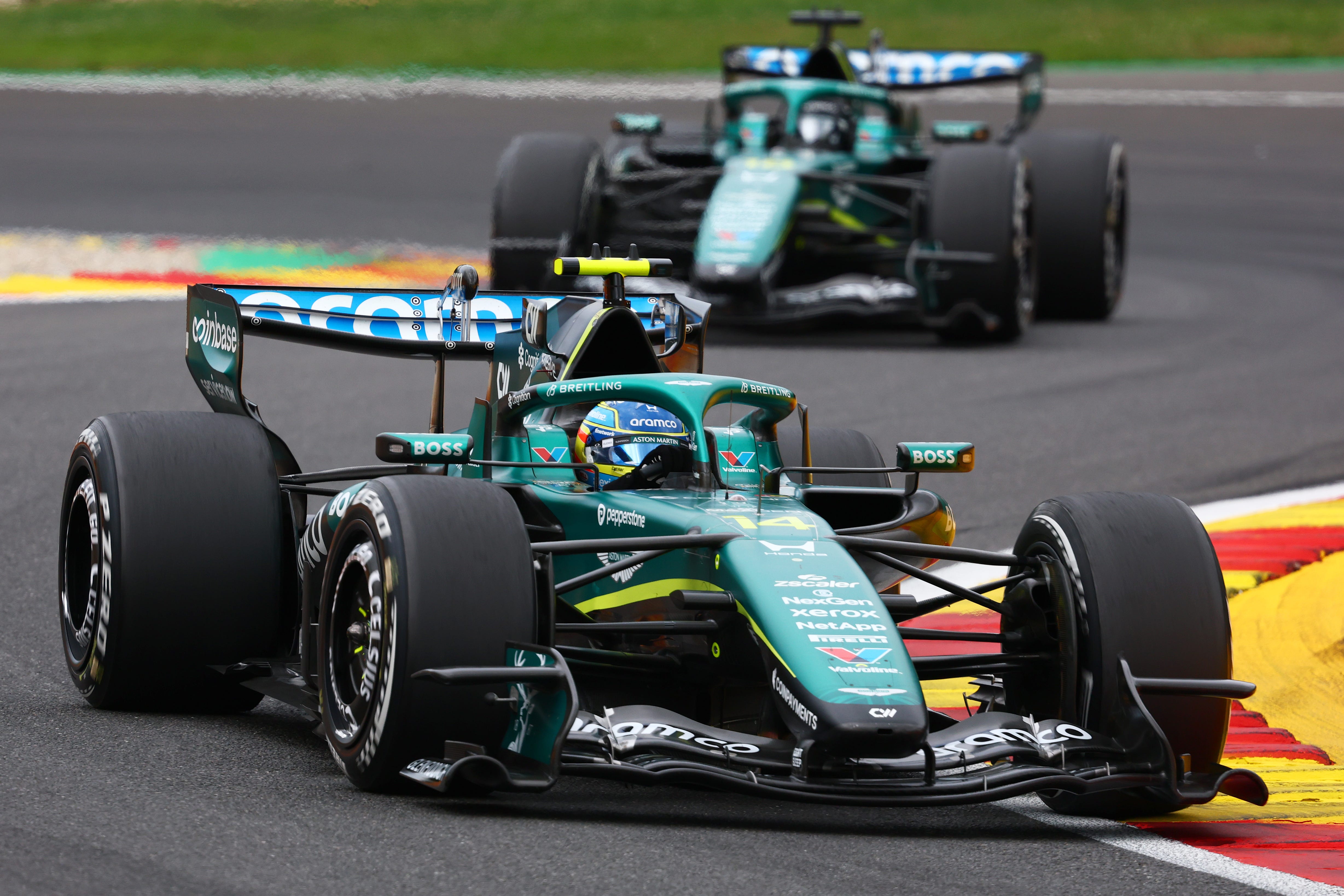
Further back, in fact at the very back, there’s another team arriving with the hopes of improving not just their performance at higher downforce circuits, but all of them via a significant set of updates - Aston Martin. This is the race they’ve been anticipating since almost the very beginning of the season as they’ve followed a development trajectory that has put incremental improvements to one side in favour of, they hope, a significant jump in performance in one go. It’s a strategy that’s seen them, as Adrian Newey has put it, “stand still” relative to the field so far.
This ‘b-spec’ package however will be their first step forward. They’ve taken weight out of the chassis and gearbox architecture, revised the rear suspension, developed a new nose, and substantially changed the aerodynamic surfaces to bring them “very close to the weight limit”, in Newey’s words, and in doing so shed some lap time.
How much they can shed and where that will leave them relative to the field is what we’ll have to wait and see, especially given that this package does not include a power unit update which will instead come after the summer.
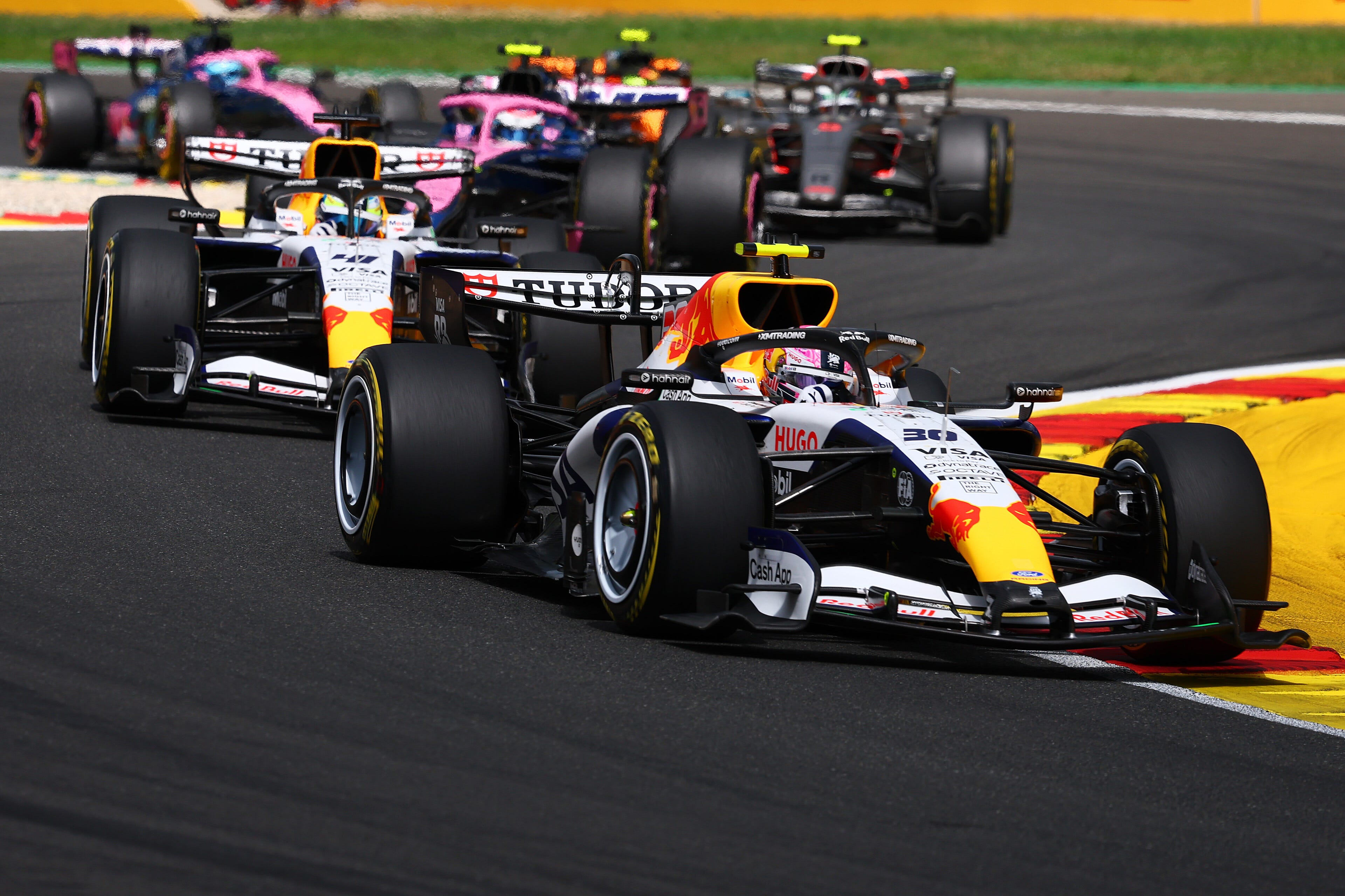
Looking to the midfield and we’ve seen some incredible battles play out there in recent weeks, specifically at the front between Racing Bulls and Alpine, the former of whom have been taking strides in their ability to close in and challenge Alpine who had been the points-leaders of the pack since Japan.
After Spa though they’re exactly even on points with Racing Bulls leaving a lot at stake championship, and momentum wise, here as a result. Complicating their ability to battle it out alone though are Audi, who’ve made steps up the competitive order since Austria and have been able to run to the points with Bortoleto at back-to-back rounds now. Whether they can make it three in a row will be something to watch for, as the competition level over those P8-10 places heats up.

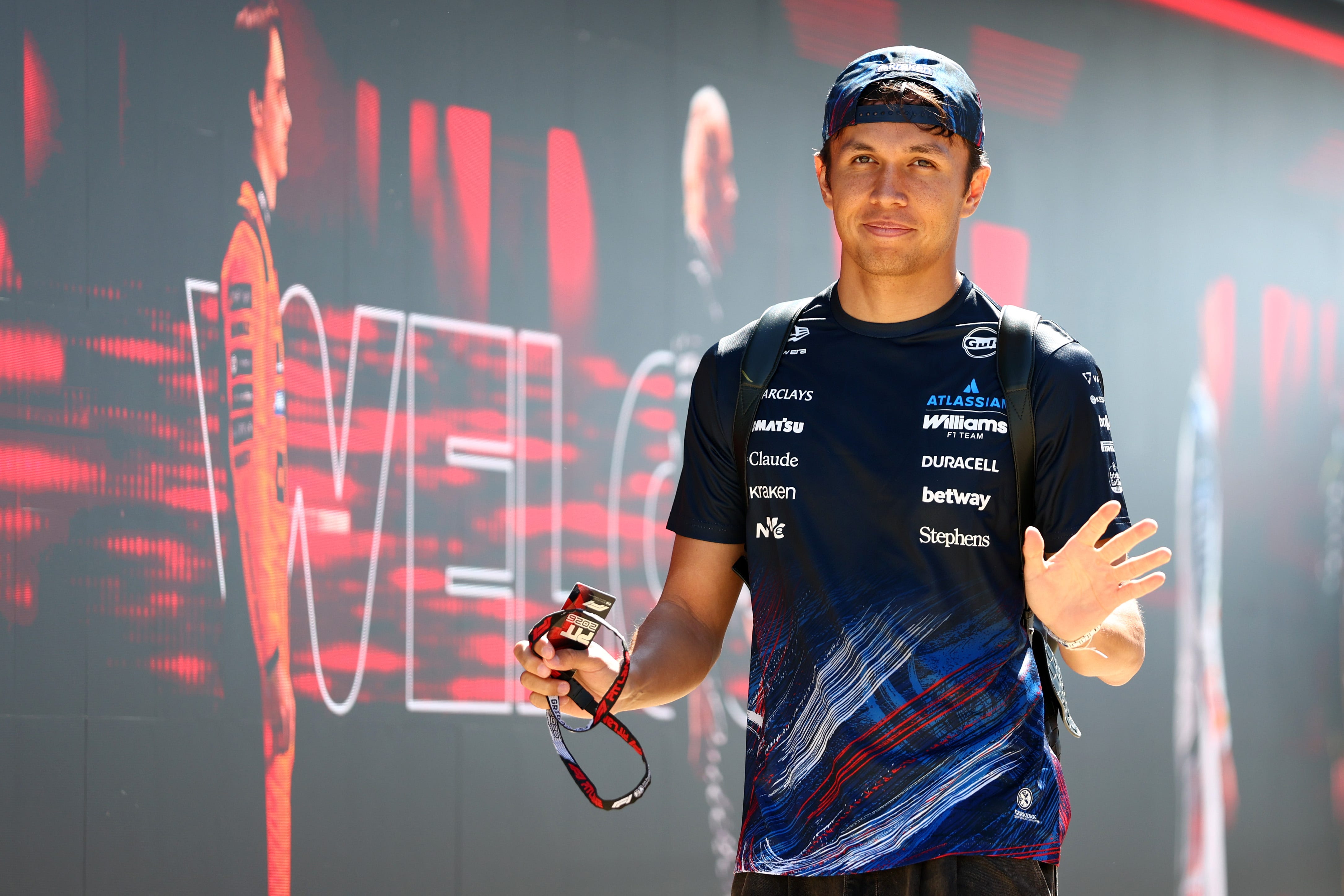
This is set to be Alex Albon’s 100th Grand Prix with Williams, which will make him the first driver to ever reach that milestone with the team.
Lewis Hamilton is the most successful driver at the Hungaroring and by a long way. He’s won there 8 times with the driver with the second most wins there, Michael Schumacher, only having half that number. It also makes it his own second most successful circuit, only behind Silverstone.
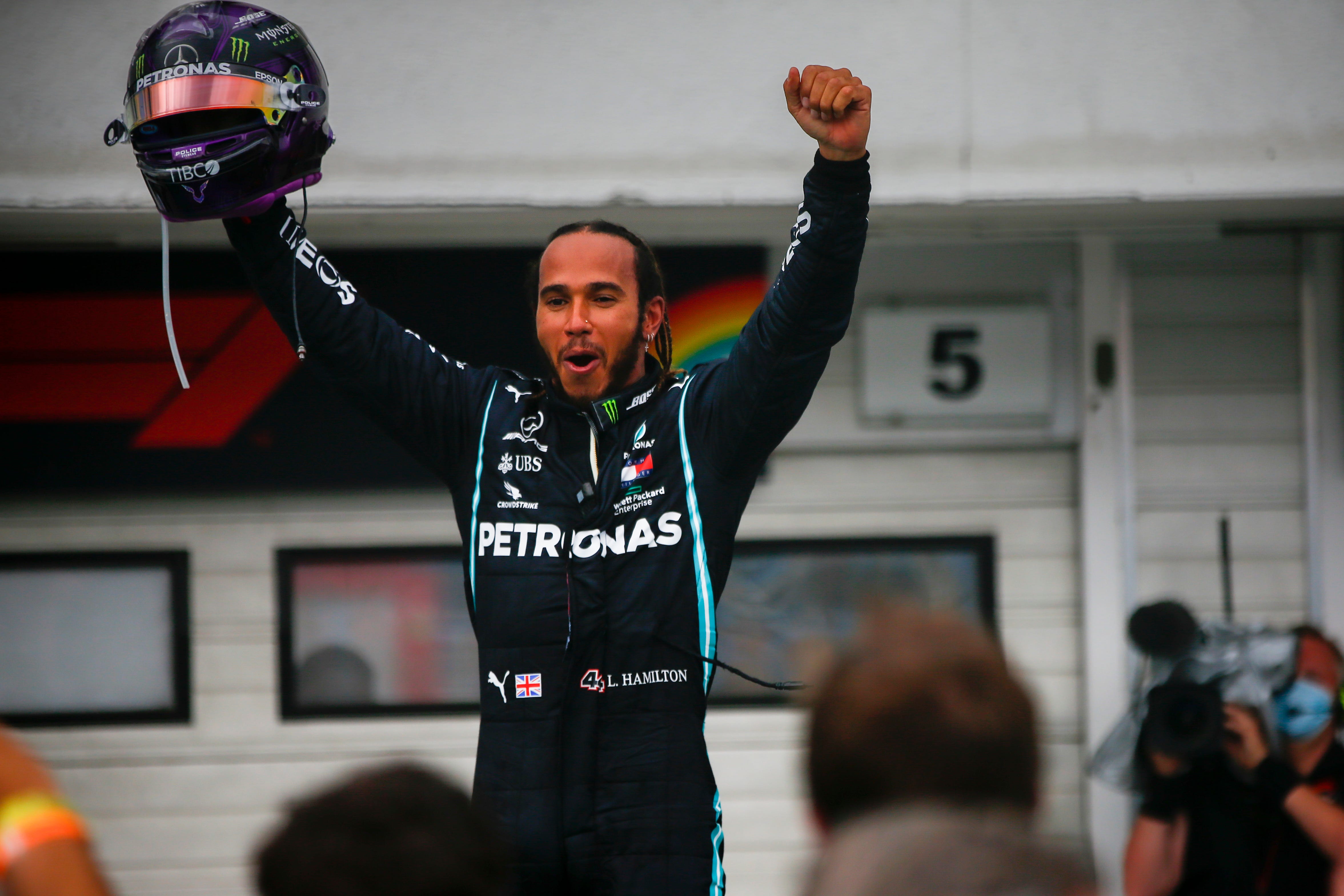
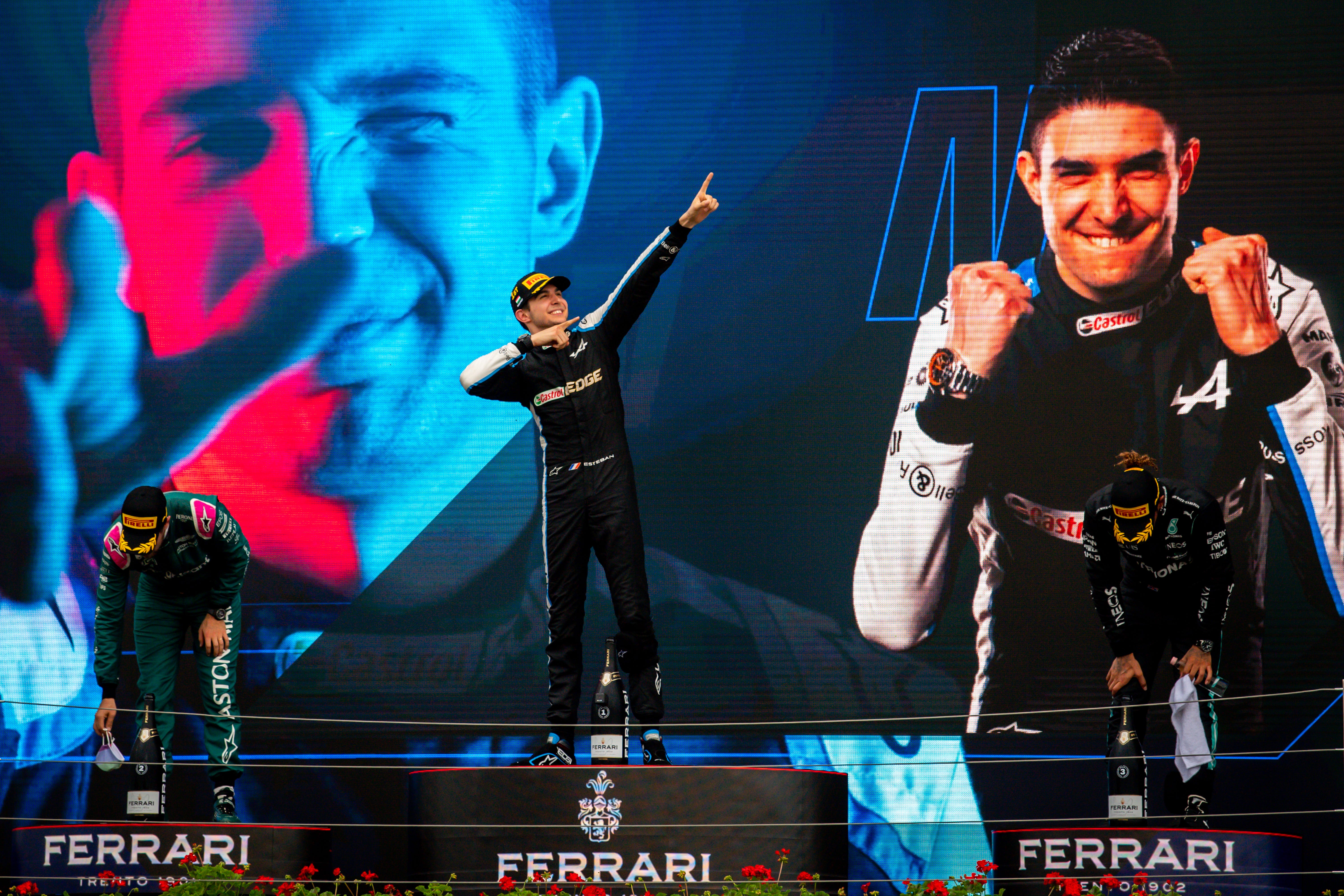
The Hungaroring was the site of three current drivers’ first Grand Prix wins - Fernando Alonso in 2003, Esteban Ocon in 2021, and Oscar Piastri in 2024.