

A new take on a classic: Monaco Grand Prix Technical Preview
The Monaco Grand Prix is a staple of F1's calendar, the 'jewel in the crown', and has been since 1950. But this year, we're set for a new take on the classic as the 2026 cars make their Monaco debut.


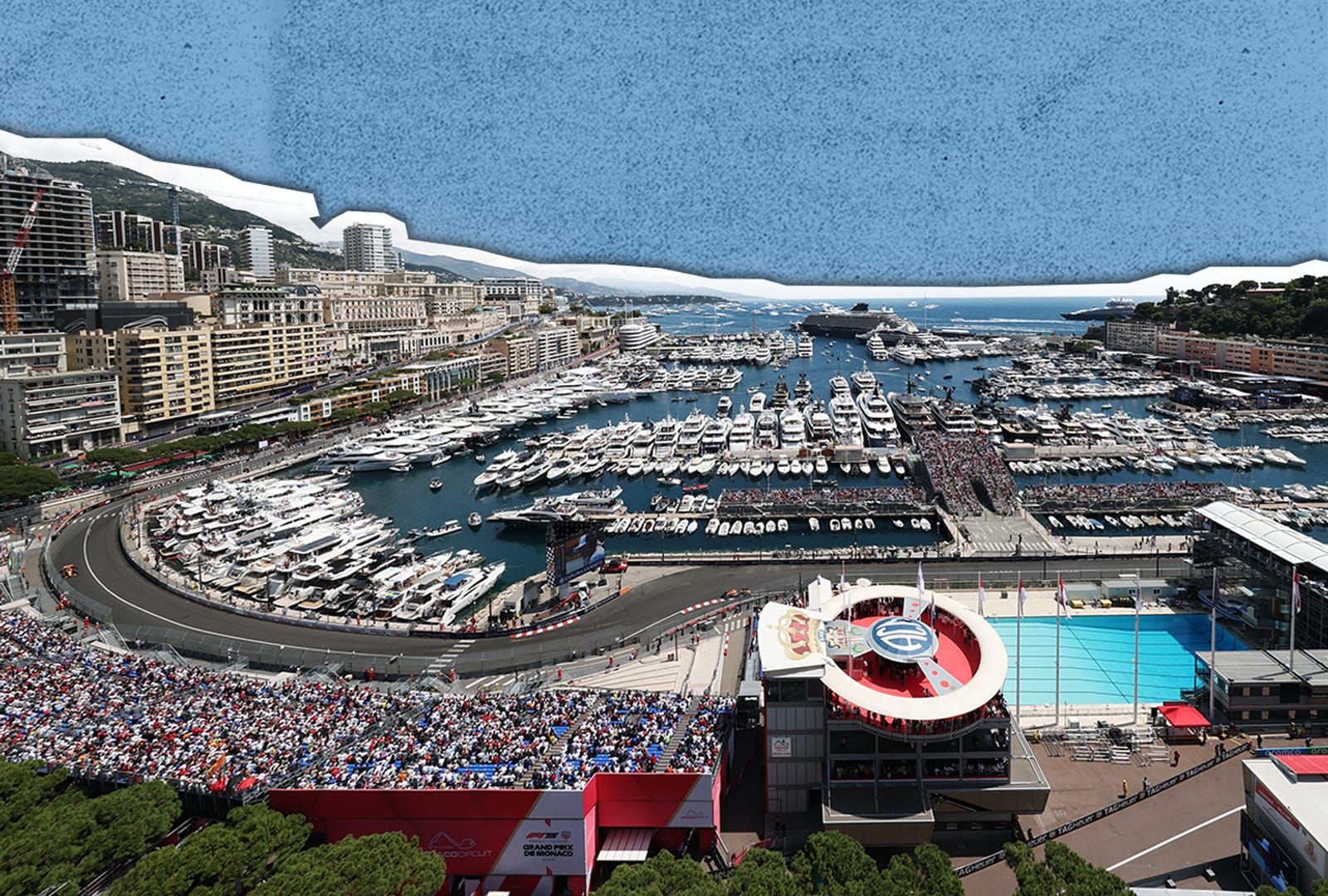
The Monaco Grand Prix is ‘the jewel in F1’s crown’, a spectacle that just doesn’t exist at any other venue, and we’re set for the 72nd championship run around the streets of the principality, though grands prix had been held in Monaco long before then with the first taking place in 1929.
The race was part of the first World Championship in 1950, and while a lot has changed about the way F1 goes racing since then, very little has actually changed about the streets it goes racing on. In fact, the only changes made to the lap since that first edition of the race, won by Juan Manuel Fangio, have been the addition of the swimming pool chicanes, the creation of the final two corners (La Rascasse and Anthony Noghes), and the modification of the original port chicane into the Nouvelle Chicane.
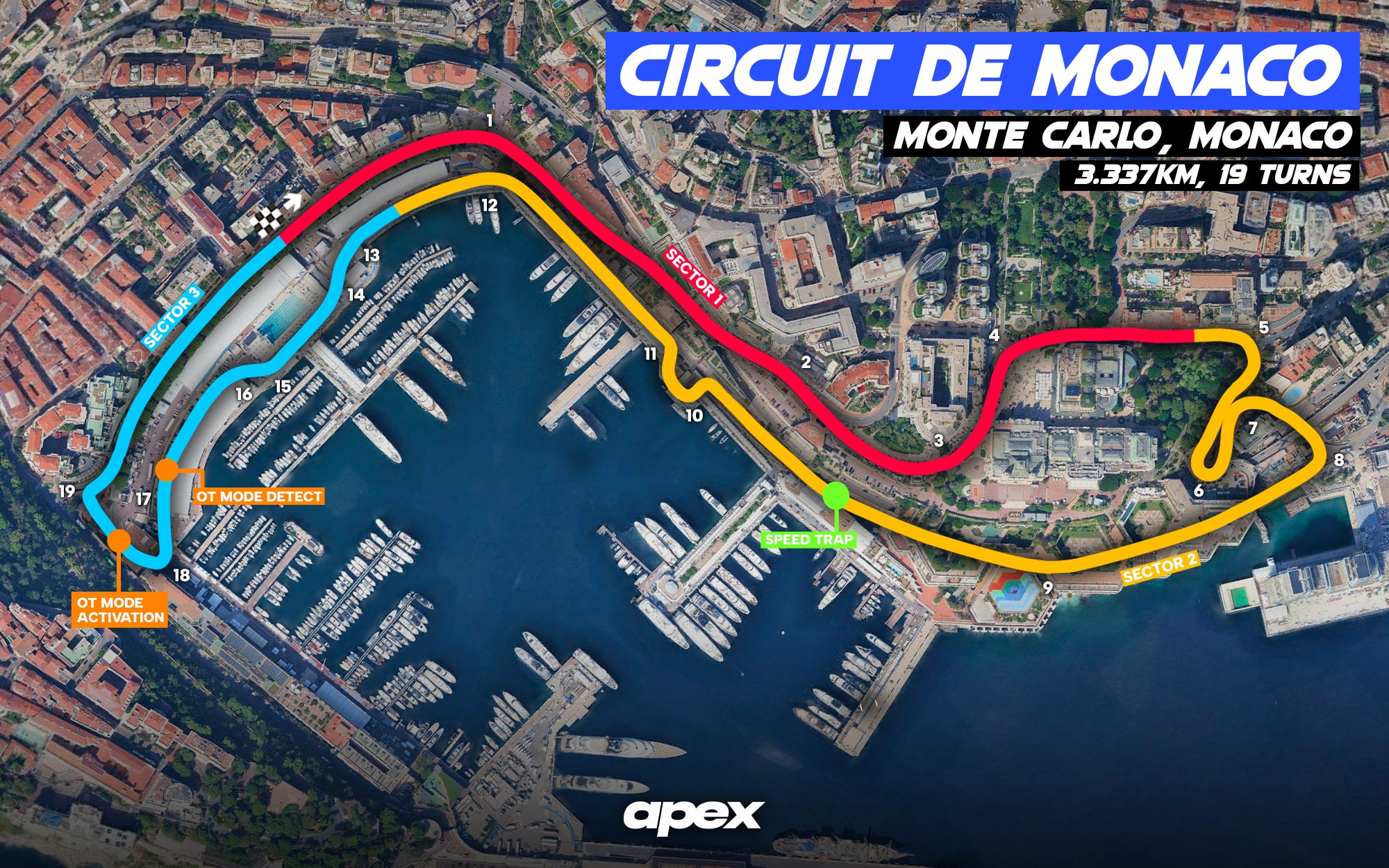
The result is a 3.337km long, 19-turned lap that, aside from a few months of the year, is simply just part of the road infrastructure of the world’s second smallest country. But even within those racing months where it plays host to the Historic Grand Prix, Formula E, and then F1 in quick succession, one of the quirks of Monaco as the original, and a true street track is that the lap opens overnight, everyday to the public and road cars.
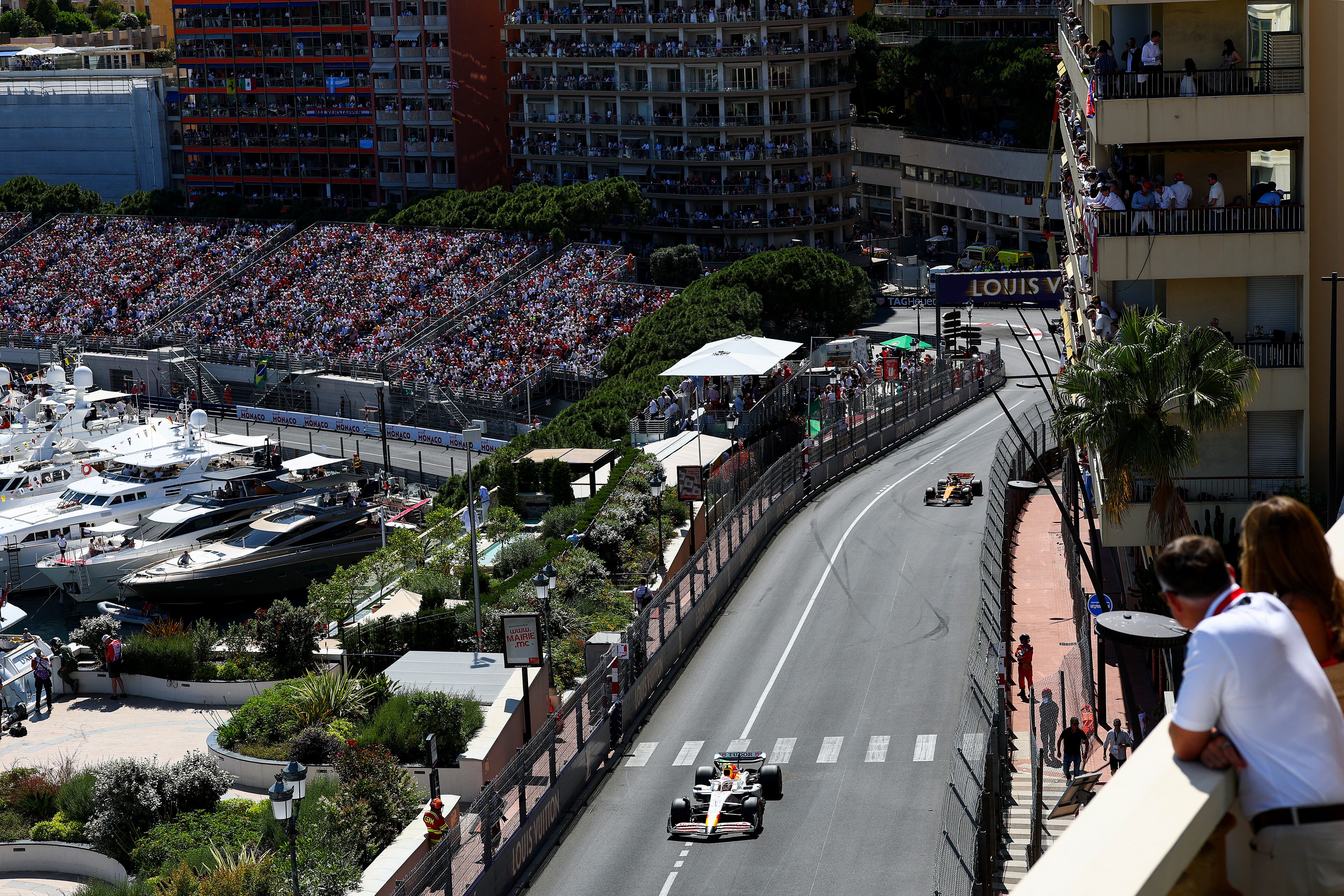
That creates some technical challenges for the drivers and teams to deal with, as the picture they create of the lap and leave on one day can be quite different by the time they get back on track the next day, and with the walls being so close and the consequences big for even small errors, adaptability and confidence are key.
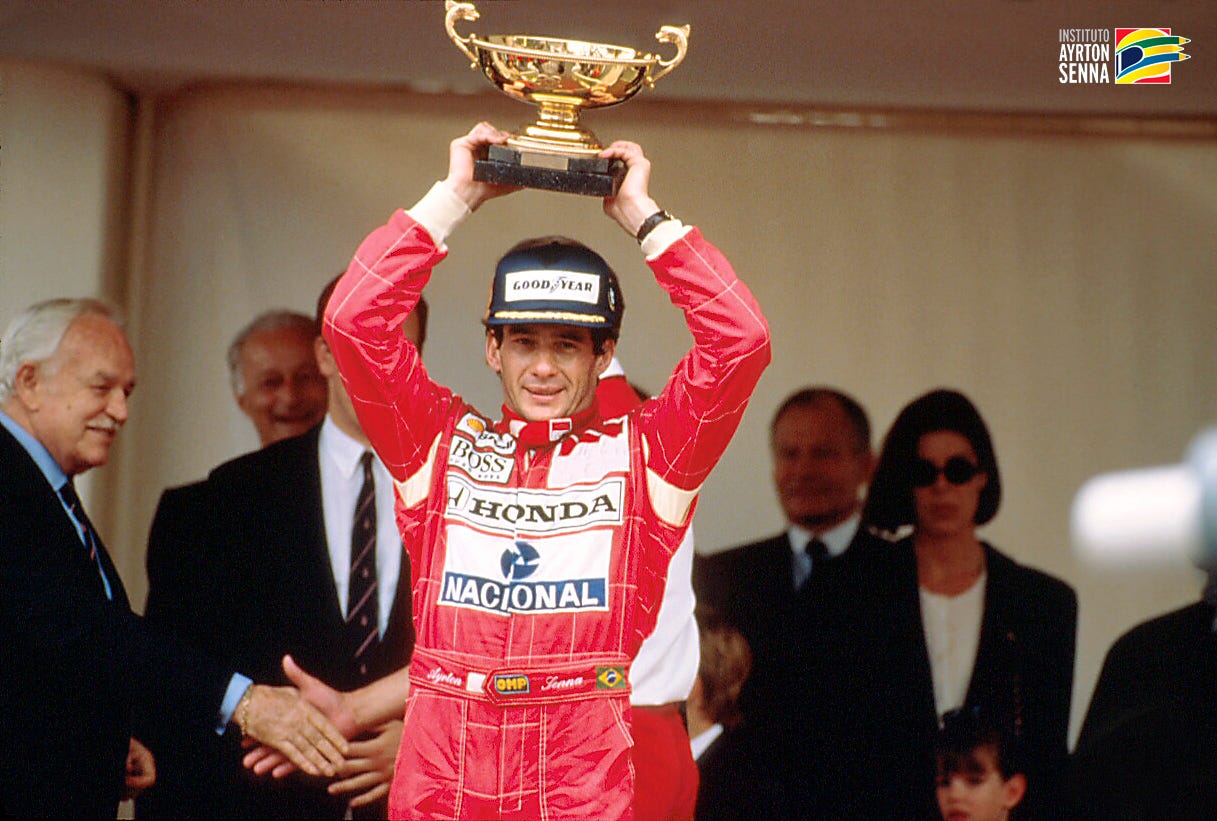
Historically, it’s McLaren drivers who’ve harnessed that best - they’ve earned 16 victories with a line up of winners including Ayrton Senna, the winningest driver here, Alain Prost, Lewis Hamilton, Fernando Alonso and, their most recent Monaco winner, Lando Norris. He makes up one of just 6 winners from the 38 all-time ones here who are still on the grid!
Characteristic Considerations
Braking and traction
Monaco is the circuit on the calendar with the lowest average speed - 171.73km/h over Norris’ pole lap last year - a statistic that’s driven both by the lack of long straights and therefore chances for the drivers to reach peak speed, but also the huge number of braking zones.
Over a typical lap, the driver hits the brakes 13 times with the most braking coming in quick succession through the turns 5-6-7-8 sequence, or in other words, from Mirabeau Haute, through Mirabeau Bas, the Fairmont Hairpin and down to Portier. In contrast, there are only three areas of sustained throttle application.
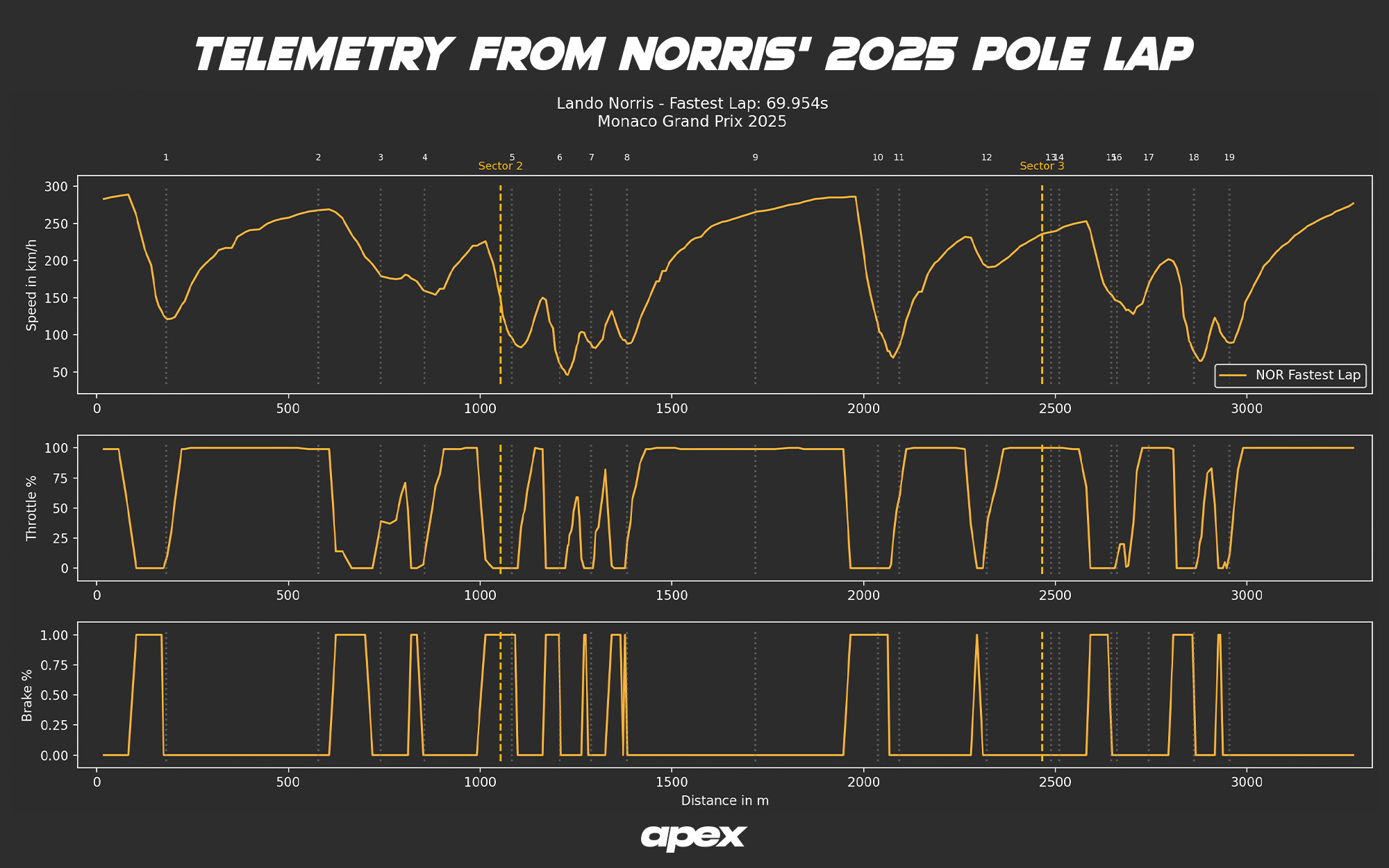
That puts the teams’ priority for this event onto braking performance but also performance under traction to ensure the drivers can arrive at, apex, and exit a corner sequence efficiently and with stability.
Down on power
For this year’s race there are a few additional quirks added into the usual mix, given that it’s the first time the 2026 cars, and regulations, are racing in Monaco. One of those is the FIA’s decision to lower the limit at which they receive full deployment from the MGU-K.
Given how rapidly the cars ramp up to top speed in the acceleration phase with the 350kW MGU-K, and how little space there is in Monaco to allow for that, the cars will be running a race-specific engine map called ‘Rev1’ which alters the MGU-K power curve.
Essentially, instead of the motor deploying at the full 350kW up to 290km/h as it does usually before ramping down eventually to be 0kW at 345km/h, this weekend clipping will kick in at 200km/h and the ramp down is also less gradual.
The impact of that isn’t just over a standard lap either, as come the Grand Prix, it will also alter how overtake mode functions for a driver one second behind another at the detection point. Instead of overtake mode providing a driver the chance to deploy at 350kW to a higher speed, ‘Rev1’ simply allows that following driver a reduced ramp down rate once the 200km/h limit is reached.
So, for instance, if a driver is running up to around 290km/h, as Norris did last year down the main straight before braking for Sainte Devote on his pole lap, they will be deploying at under 50kW. A driver with overtake mode doing the same speed into that braking zone will be deploying around 100kW more.
With how harvest-rich Monaco is anticipated to be, this change appears to be safety focused and aimed at preventing the drivers from arriving at corners with excessive speed after the runs where they’re flat.
No straight mode?
A change that’s been made with a similar aim in mind, albeit via a different mechanism, is the removal of any straight mode zones from the track map for this weekend.
The five circuits we’ve visited so far this year have had at least two but as many as five ‘straight mode zones’ where the active aerodynamic system can be activated, opening up the rear and front wings simultaneously to reduce a car’s drag and increase its efficiency.
But to choose where those have been, it’s reported that the FIA have been using a ‘three second rule’, meaning the wings have to be open for three seconds or more to make opening them in the first place worth it technically speaking and to ensure the driver’s workload is not unnecessarily high.
In Monaco, there are only three areas that could be considered ‘flat’ and ‘straight’ and none of them really meet that criteria without putting the cars at risk of lacking the necessary grip or stability, nor of arriving at the following corner with excessive speed.
Given the safety concerns, and simply that there would be very little to gain from straight mode here as it’s not an overtaking aid as DRS was but is instead focused on increasing the efficiency of the cars as they deploy, the FIA have opted out of allowing it to be used this weekend.
However, it’s important to note that the cars will be running the wings that have these systems and their actuators equipped as there doesn’t appear to be provision in the regulations for a second, ‘active aero-less’ set of wings.
Track evolution & uncertainty = High
Unlike these new challenges, a classic challenge of Monaco has been track evolution and managing how it impacts grip and tyre performance not only over the weekend as a whole, but also within a single day. That’s because of key feature of this race weekend - the track reopening overnight not only to pedestrians or cars, but also for parties largely at Rascasse and under the pit lane.
The high footfall and cars driving works away at the black line of rubber that the cars from not only F1, but the numerous support series that run over the weekend, have laid down meaning that each day is a true reset of the track conditions.
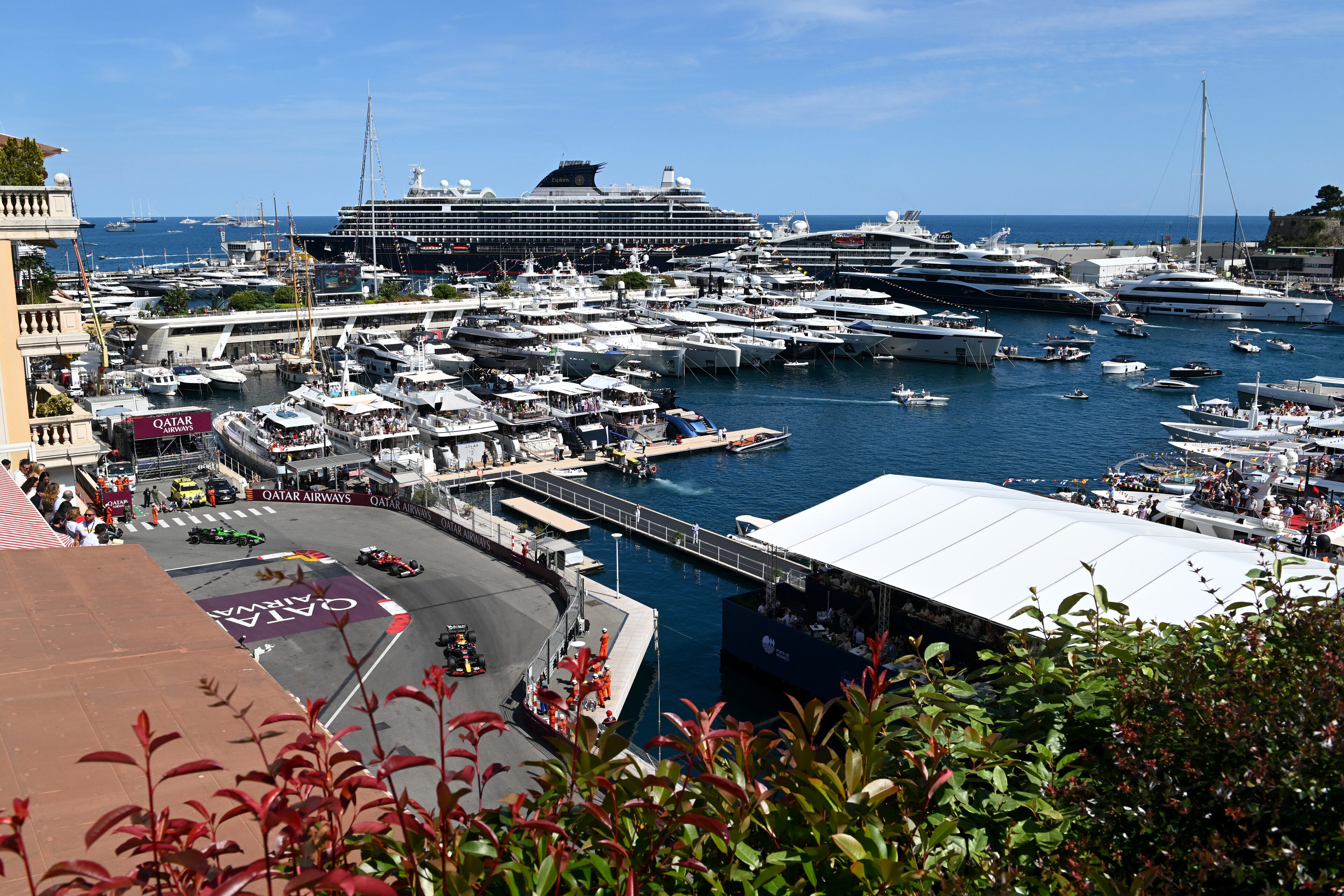
It leaves the drivers needing to start from zero again in assessing and building up their feel of the circuit as a new session gets underway, because it could be very different to how they left it the day before. Managing that uncertainty while building the confidence necessary for finding and pushing the limits of the track in preparation for qualifying, arguably the most critical part of the weekend’s running, is key.
The Compounds
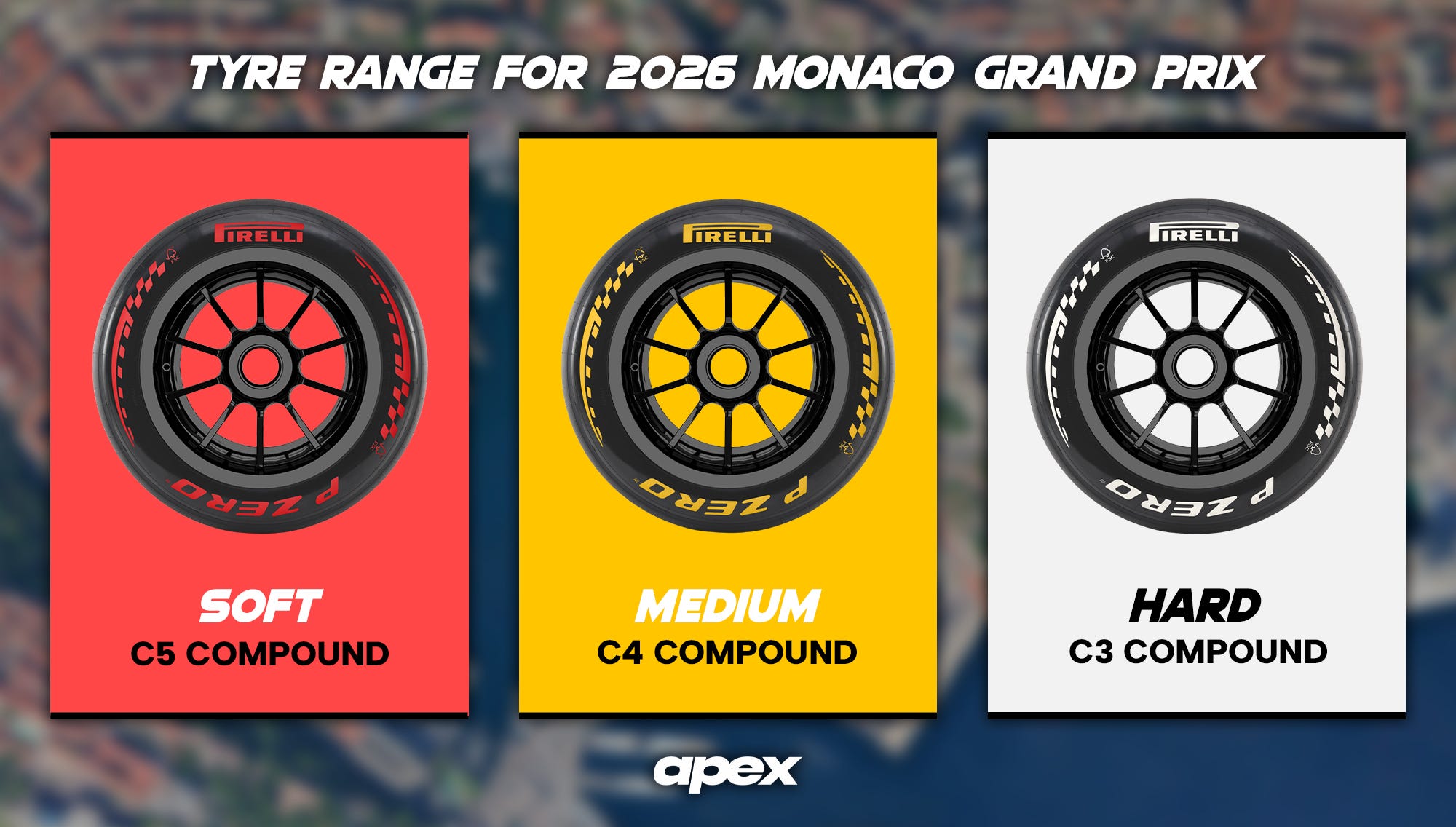
That brings us to the tyres that will be laying down that rubber, and for this event Pirelli are bringing the softest end of the range, as they have done since the hard-medium-soft system was introduced in 2019. Given the lack of C6 in this year’s range, the C5 will be the soft, the C4 will be the medium, and the C3 will be the hard.
Monaco subjects the tyres to some of the lowest forces they experience all season, given the low average speed, and the often incredibly low cornering speed (down to 50km/h at the hairpin!). However, over the Grand Prix where the forces are compounded lap after lap for 78 laps, the phenomenons that lead to altered tyre behaviour are compounded too.
Given the high level of track evolution here, it’s not unusual to see graining over the first few sessions, however Pirelli’s 2026 compound range has been designed to be more resistant to that phenomenon, but degradation is typically minimal as a result of the very smooth asphalt surface.
Strategy Corner
Last year’s strategy in Monaco was dominated by the discussion of the mandatory two-stop regulation that was introduced to try and increase strategic variation and racing action, something that’s typically lacking on Sunday here.

Even looking to 2024, the opening lap crash between Sergio Perez and the two Haas cars and subsequent red flag that brought everyone into the pit lane dominated the strategy. Every single driver, except Logan Sergeant, completed their mandatory compound switch during that stoppage which largely left them running to the chequered flag on a single set.
2023 and even 2022 are also unusual cases given that they were rain affected and as a result, every single compound on offer saw racing action at both grands prix.
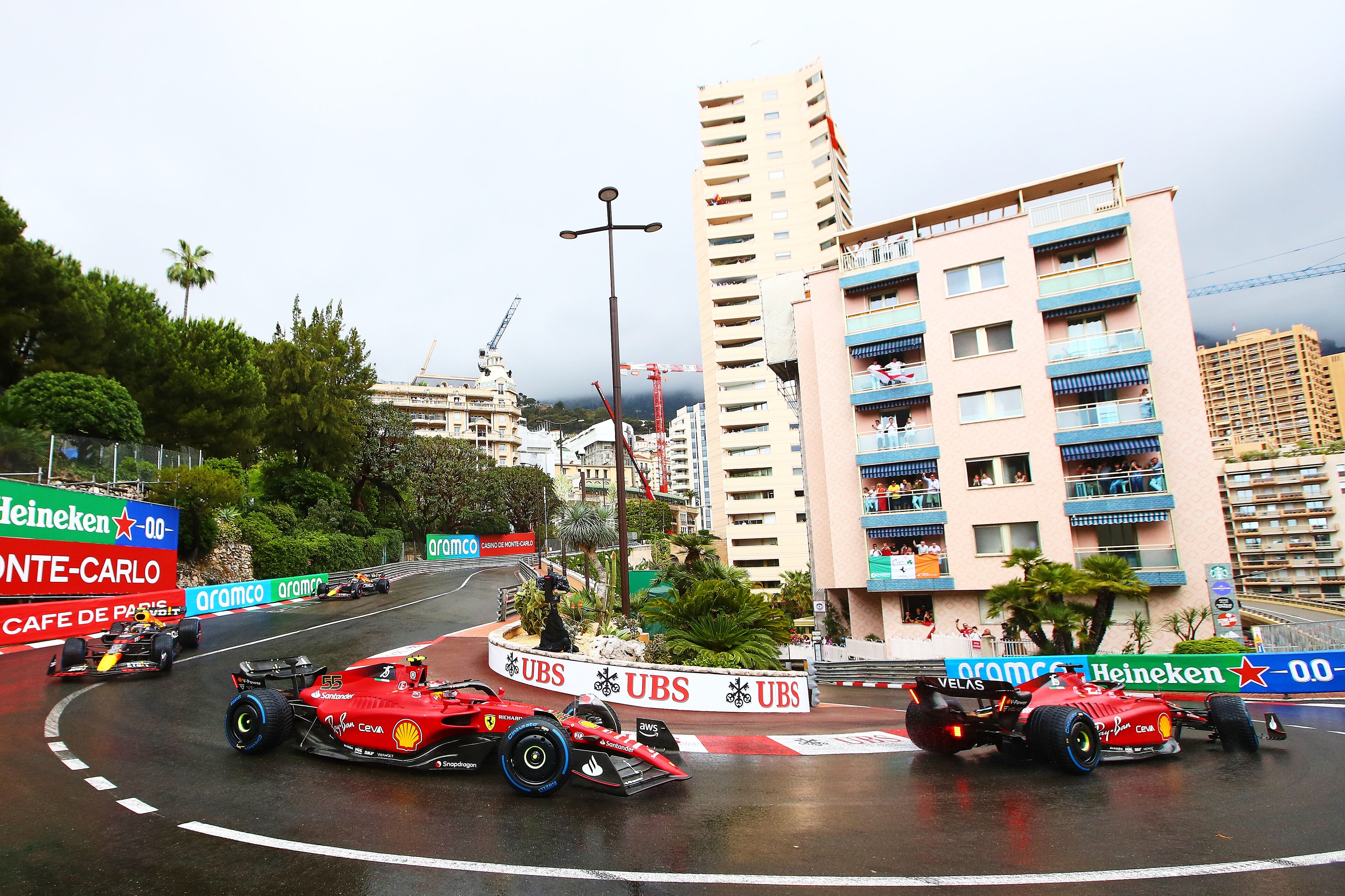
Typically however, Monaco is anticipated to be a one-stop race, usually featuring the medium and hard tyres and waiting for a neutralisation to open the pit stop window is also usually the favoured strategic move here, given how common they are.
Fast Facts
There have only been three Monegasque Formula 1 drivers who have turned a lap in a Grand Prix - Louis Chiron, Olivier Beretta, and Charles Leclerc. Leclerc’s home victory here in 2024 made him the first Monegasque winner of a race in Monaco since Chiron in 1931.
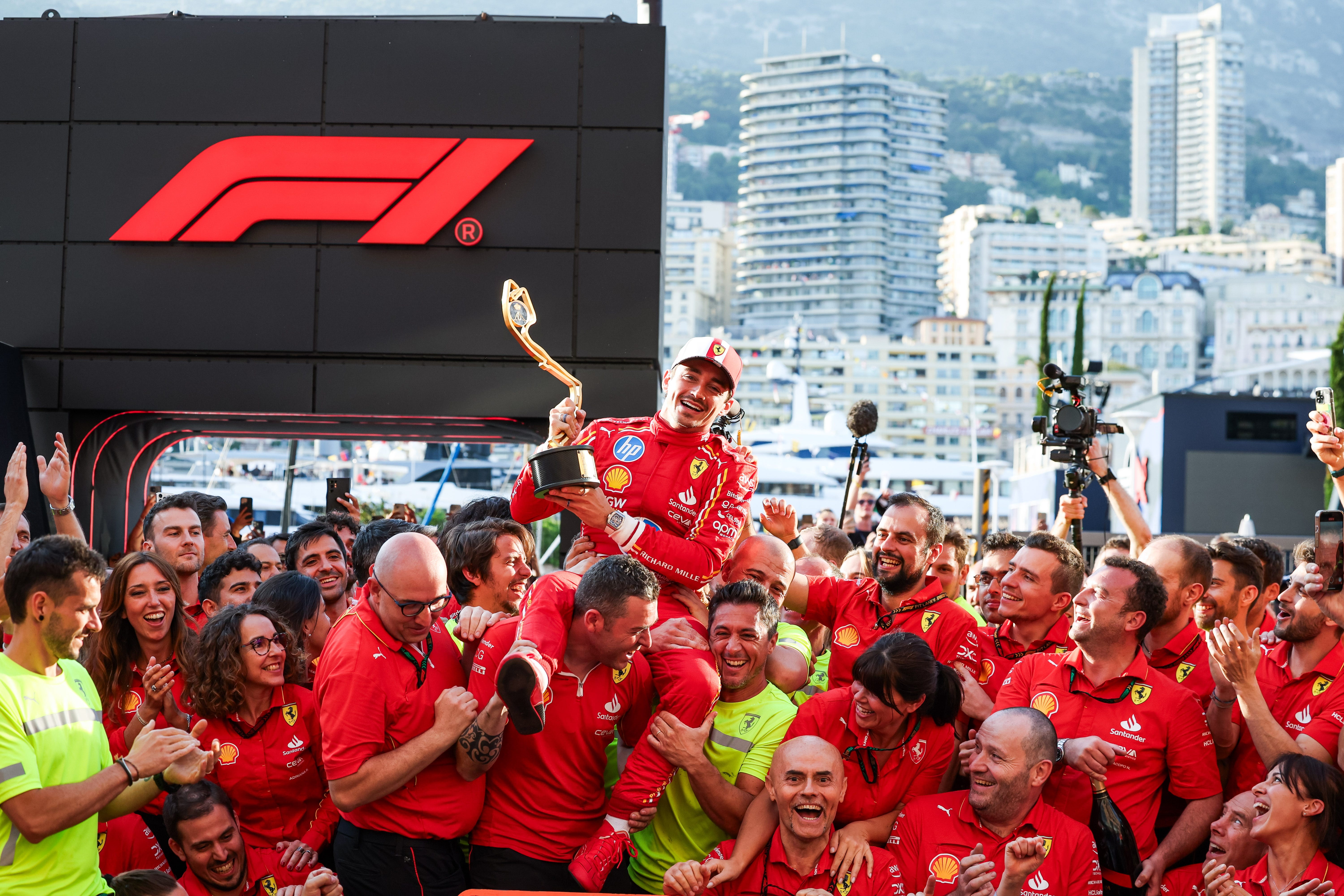
The Monaco Grand Prix is the only race on the calendar that runs for less than 300km, as per the sporting regulations. Instead, it runs to 260km.
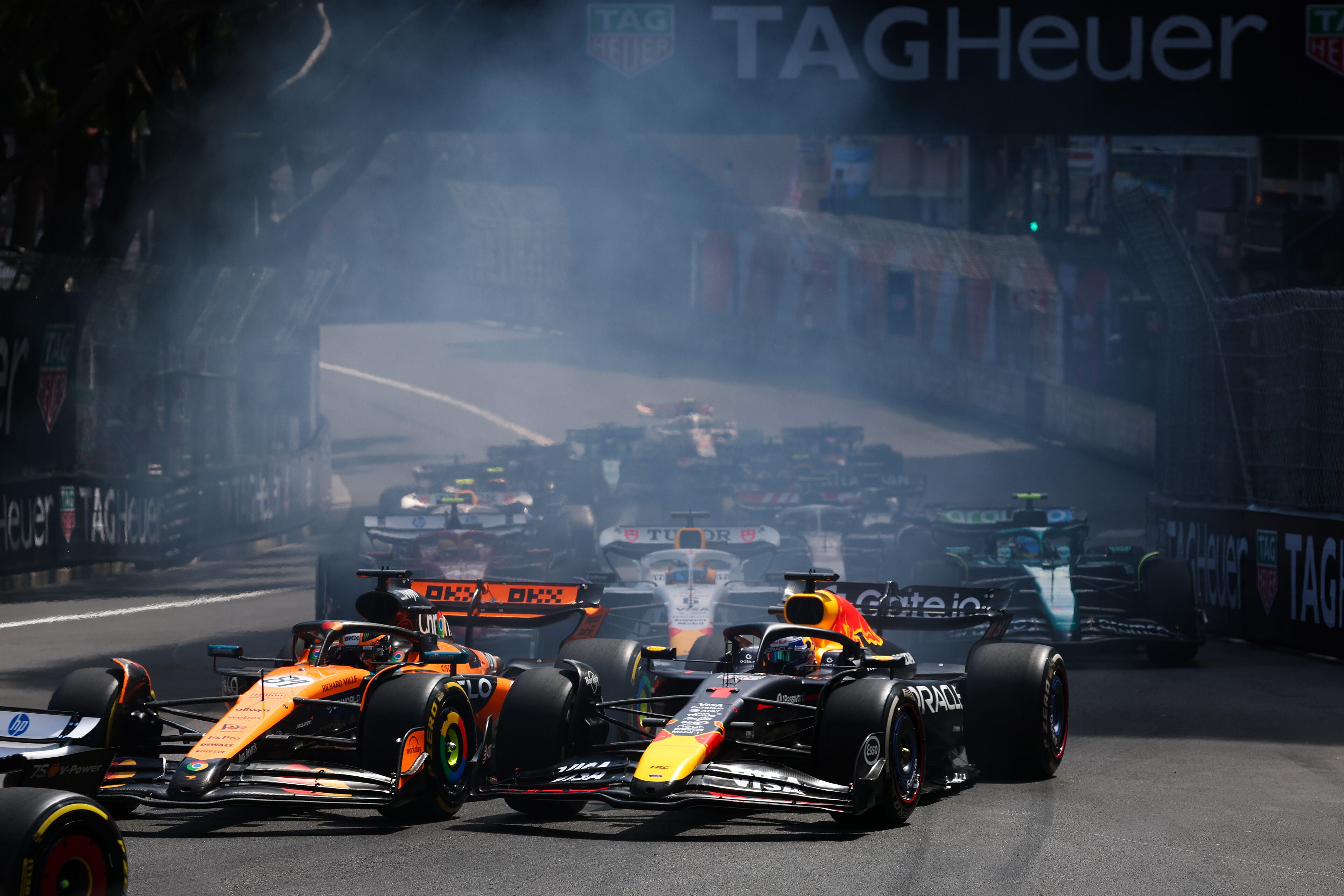
As of last year’s qualifying session and his achievement of pole position, Lando Norris currently holds the all-time lap record of Monaco: 1:09.954.
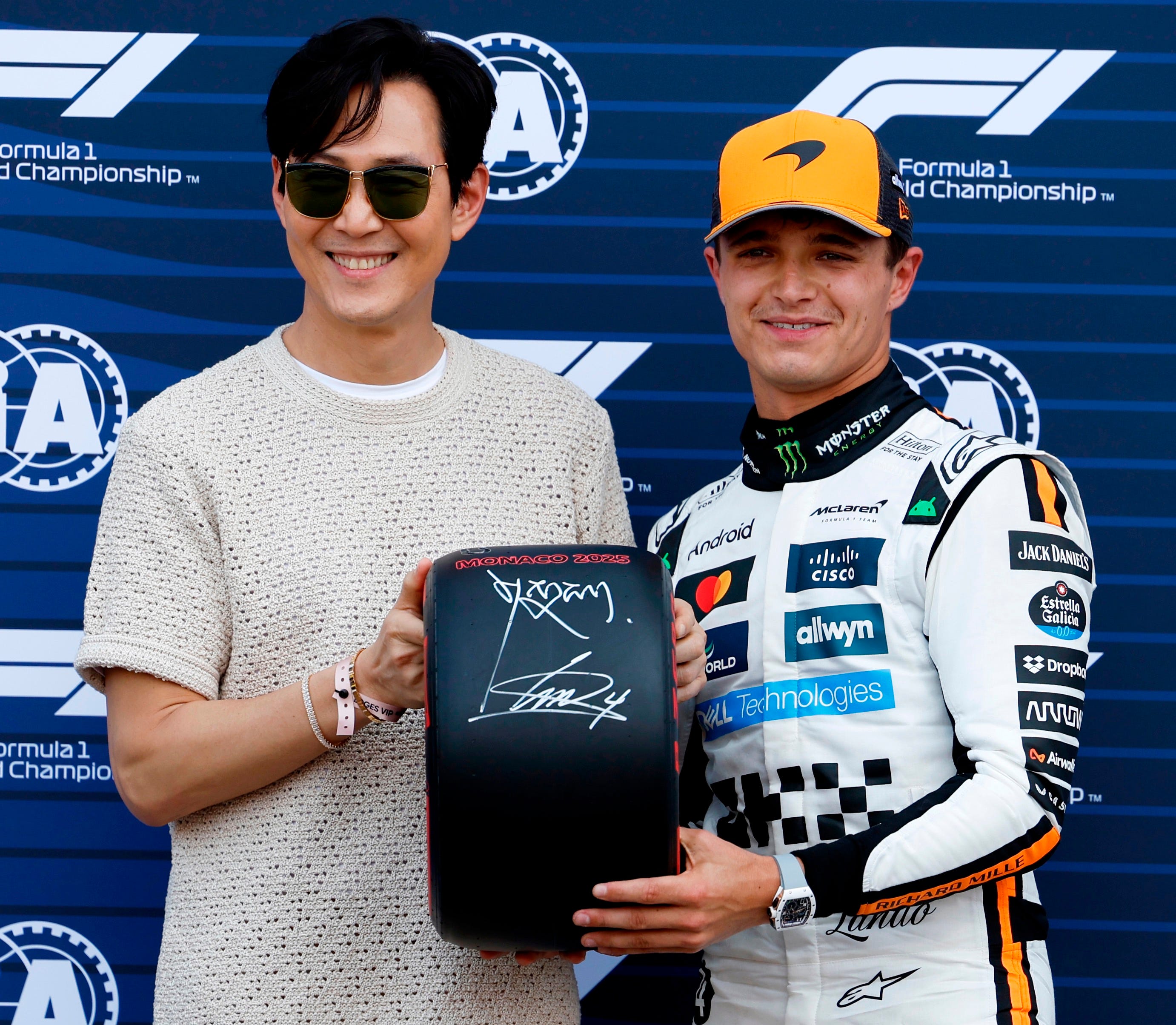
The Monaco Grand Prix kicks off with free practice one at 13:30 track time on Friday June 5th. Here’s how the rest of the weekend shapes up, with all times in local:
Practice 1 - June 5th - 13:30-14:30
Practice 2 - June 5th - 17:00-18:00
Practice 3 - June 6th - 12:30-13:30
Qualifying - June 6th - 16:00-17:00
Monaco Grand Prix - June 7th - 15:00