

A changing picture of pace: How the teams have progressed from race 1-3
With the five week break in the F1 calendar here, it's time to review how teams have found and lost time against Mercedes' race pace benchmark over the first stage of the season.


The first ‘break’ in the calendar is an ideal opportunity to review how the competitive picture has already shifted as the teams have got to grips with these regulations. And despite it only coming after three races, there have been significant shifts and notable consistencies…
What’s not changed?
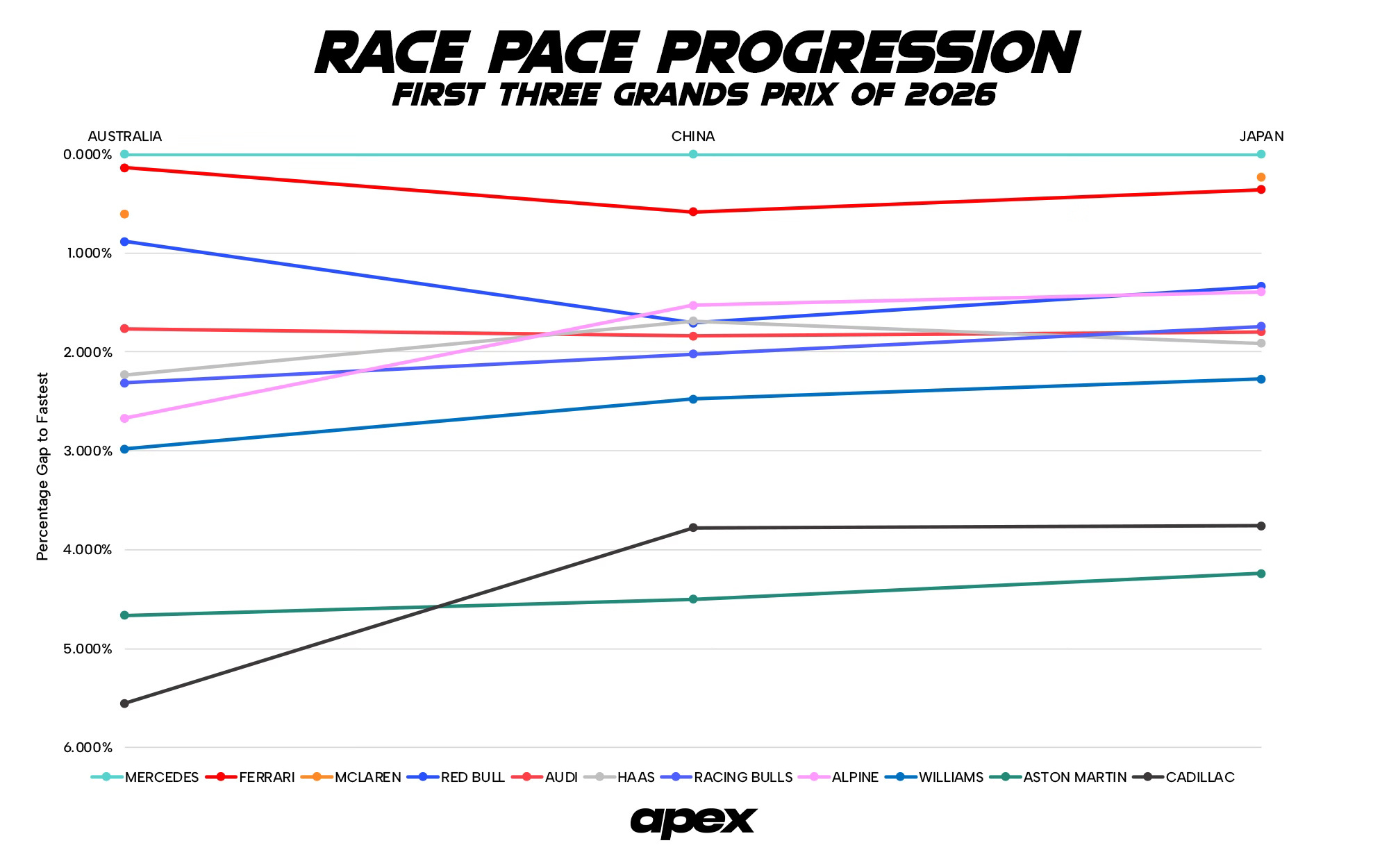
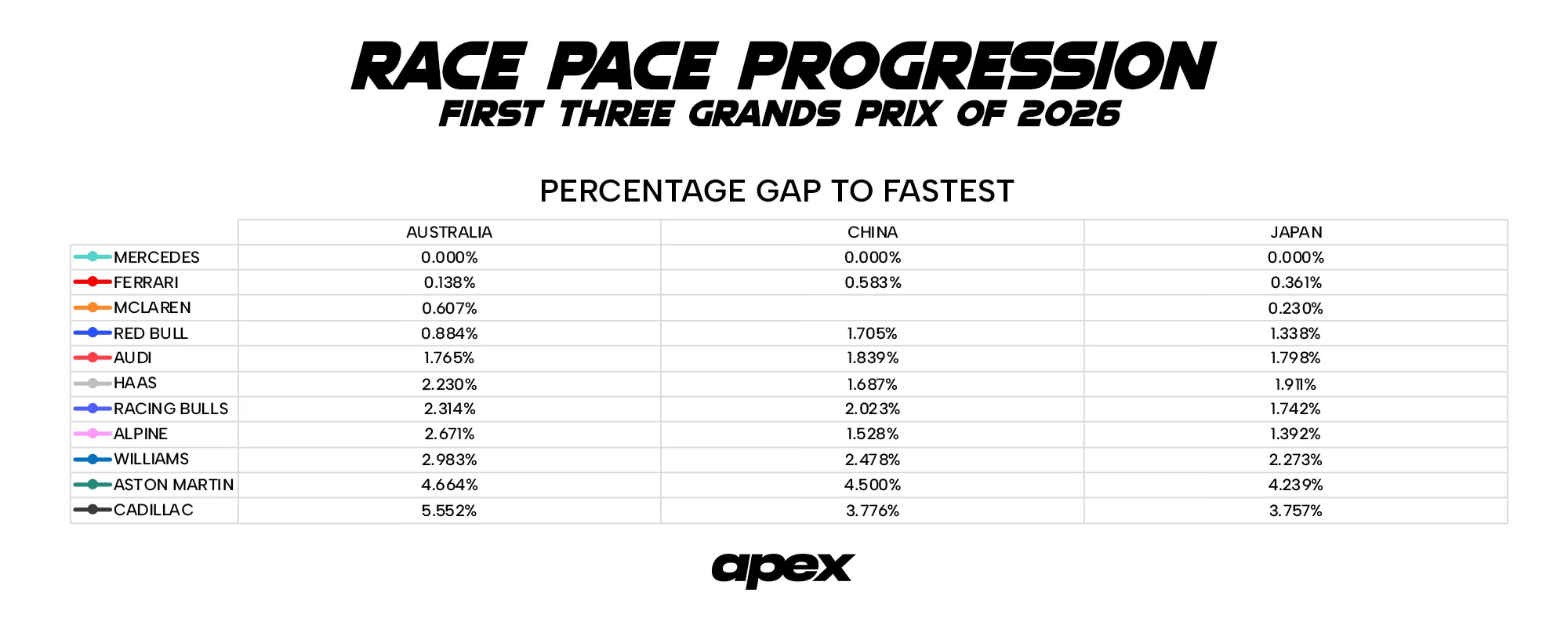
There’s been an obvious static feature race-to-race at this stage of the year - Mercedes’ advantage. It’s ranged from as little as 0.115s over Ferrari in Melbourne to as much as 0.563s the Scuderia again in Shanghai, but at all three races they’ve led the pack.
At the back of the field there’s also been some consistency, mainly in the teams who are the backmarkers at this stage of the season. Cadillac and Aston Martin have consistently been over 3.5% off the pace of Mercedes’ at each grand prix, but Cadillac have hugely cut into their deficit to the benchmark as the weeks have gone on.
From race one in Melbourne to race three in Suzuka, they’ve progressed up from being 4.6% off the pace to that 3.5% position, moving them ahead of Aston Martin at the most recent two of the three races.
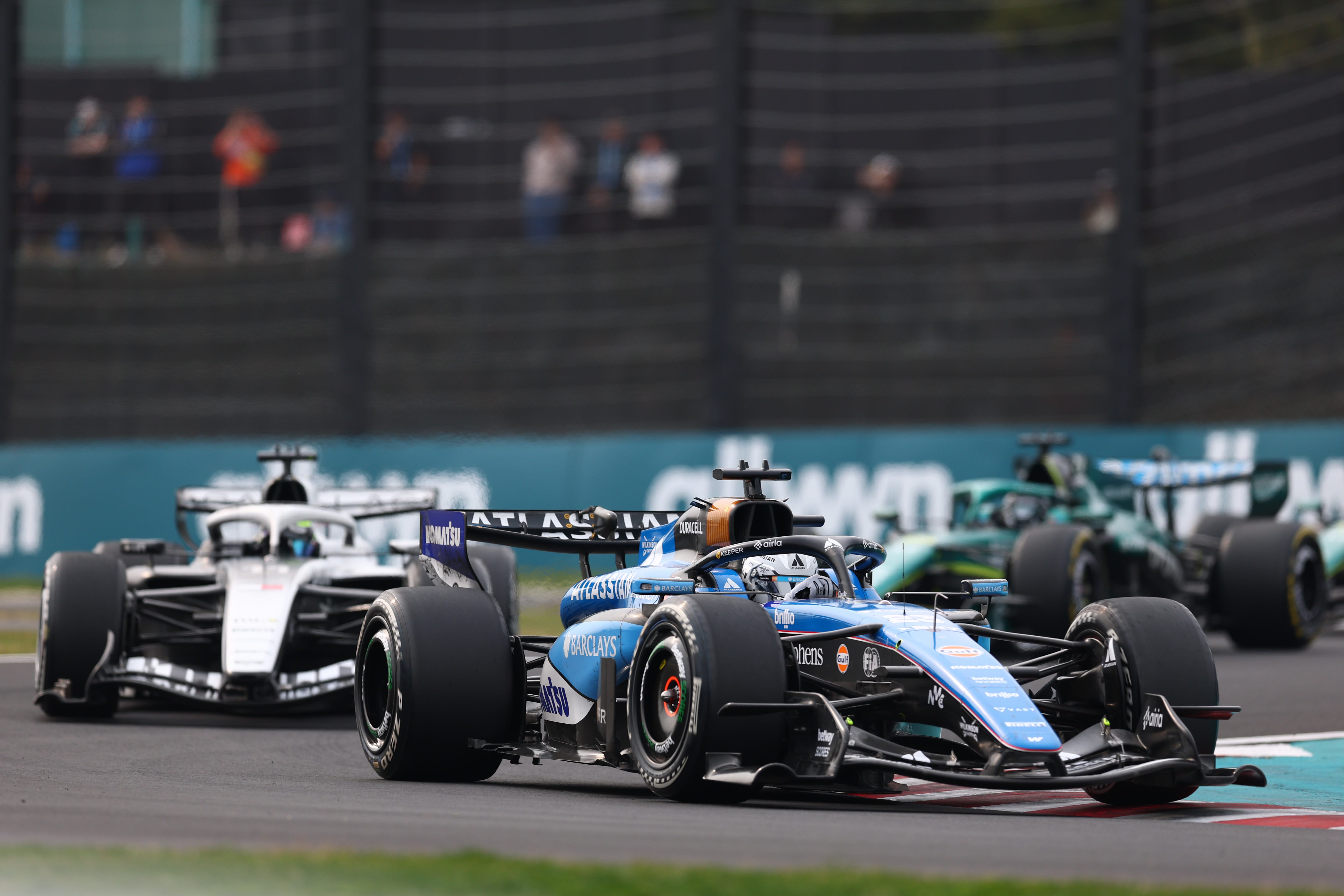
Again, in a similar story to the backmarkers, Williams’ position relative to the rest of the field hasn’t changed. They have however made small steps to find pace compared to Mercedes as the weeks have gone on, moving to be from 2.4% off to now 2.1%.
What’s changed?
As usual, there’s more that has changed than hasn’t.
The pattern of competition out front has shifted quite significantly from race one to race three, moving from a clearer group of top four teams with a rift then back to the midfield in Melbourne, to a top group of just three teams by Suzuka.
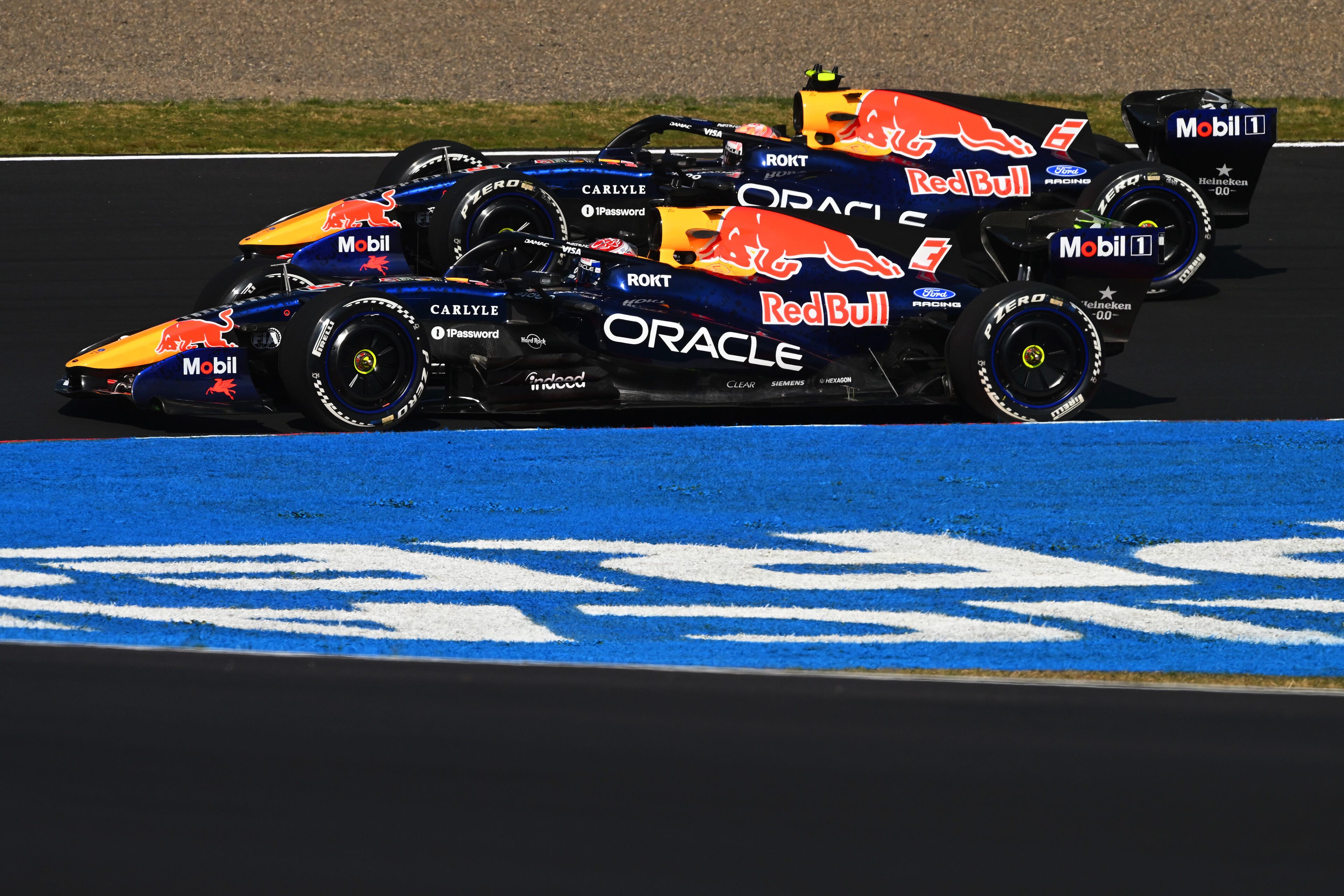
That’s come about partly as a result of McLaren taking a step into being the second quickest team in Japan from having been third quickest in Melbourne (and not raced in Shanghai), but also from Red Bull dropping back. They began the season within 0.737s or 0.864% of Mercedes, but as of Suzuka, sat 1.258s or 1.338% away. As a result, and as played out on track versus Alpine in Japan, Red Bull’s battle has moved into being at the front of the midfield.
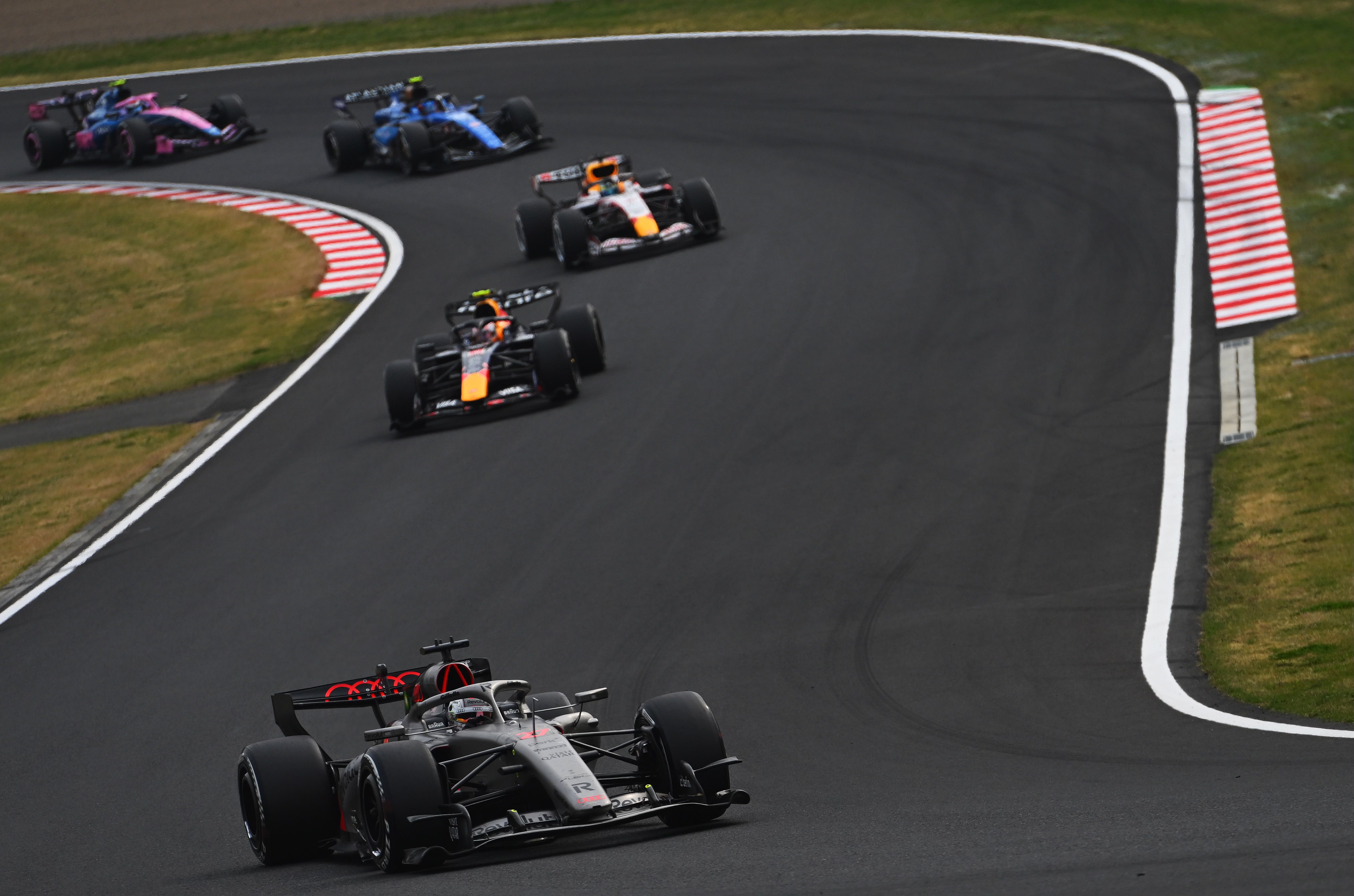
Who’s at the front of that midfield group has also changed. In Melbourne, Audi began their first season under the marque as the fifth fastest team, within 1.4s or 1.7% of Mercedes. But by Shanghai and then into Suzuka, Alpine held that role.
They were more heavily contested for it in Shanghai, with Haas, Audi and then Racing Bulls all within 0.479s of the Enstone team’s pace. The Japanese Grand Prix however, saw those three teams branch off into their own more tightly contested group with 0.329s between Alpine and Racing Bulls alone. Interestingly though, they’ve all sat within a fairly consistent range of Mercedes week-on-week - between 1.7 and 2.0% - despite the intra-group team order changing.
What might change?
What’s for near certain is that this competitive order will not be the same when F1 returns in Miami, not only because of the circuit difference, but because of what the teams will have been up to over this break.
Unlike the summer or winter breaks, there’s no regulation enforced downtime over this period given that it’s an absence of races rather than time off for the teams. That means that, again unlike those breaks, they won’t stand still and can work on upgrades, reliability fixes or operational factors to improve their position, and to build advantages or extend them. Every team and driver up and down the grid highlighted areas they wish to improve on over the break post-Japan, and their progress over this initial stage of the year, or lack of, will likely inform those.