A balancing act in the Ardennes: Technical Preview for the Belgian Grand Prix
Spa is a classic and every year it presents its classic challenges. But this time there are new ones in the mix, and that could make finding performance a true balancing act.


Welcome to your technical preview ahead of the Belgian Grand Prix!
We’ve come into every race this year talking about how much of a challenge the new regulations would make each circuit, but Spa could act as the biggest test of them yet, both metaphorically and literally.
It’s the longest circuit on the F1 calendar at 7.004km with the most elevation change at around 102 metres difference between its highest and lowest points. That sheer size already presents a unique task for the teams when it comes to their setup, and their approach to and strategy for just a single lap, nevermind 44 on a Sunday afternoon.
In 2026 though, we have to consider what the energy management factor will add to that existing headache, and already some drivers are skeptical about what it will do to the feel of one of F1’s most historic venues. Fernando Alonso has warned that this, like Silverstone last time out, will be an ‘energy thirsty’ layout, affecting different parts of the lap differently. That’s going to require the teams to rise to the balancing act challenge Spa already presents in a whole new way.
It also makes predicting future success from past performance tricky, but this is a circuit Lewis Hamilton has thrived at in the past. He has the all-time podium and pole position record here, and is the winningest active driver here too with five victories to his name. This weekend, should he turn that five into six, he’ll equal Michael Schumacher’s Spa win record.

Spa is expected to be in a similar region as Silverstone in terms of energy sensitivity, but perhaps to an even greater extent. The lack of slower speed running and braking zones at all at Silverstone made finding a balance between recharging and deployment to feed the flat out portion a real challenge, and we saw a split in approaches between teams in how they did it.
Earlier on in the weekend, Ferrari had biased their deployment to the run into Copse and then the third sector and specifically the Hangar straight, whereas Mercedes’ approach focused on pushing the deployment in the first part of the lap. That did even out more as the weekend progressed however.
In Spa though, that sector-by-sector split is going to have to be even more exaggerated, but also likely converged upon over the teams, owing to the way their characteristics vary already.
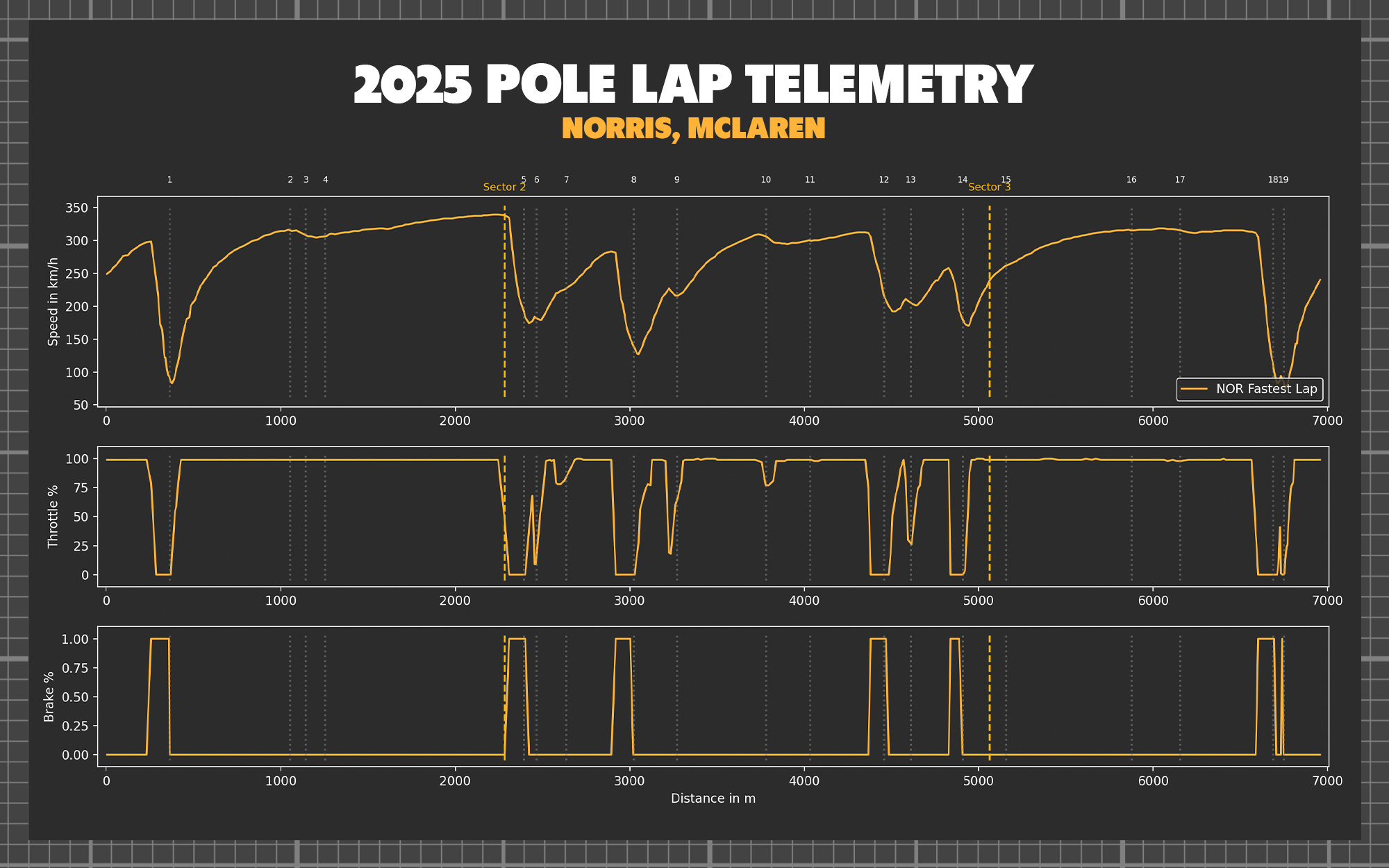
Sector one is by far the fastest, with the drivers only hitting the brake once over its full length, at turn one, as the quick sweeping run through Eau Rouge and Raidillon flows into the flat out Kemmel Straight. The second sector is much more technical with its largely medium speed corners, the majority of which are downhill on the run to sector three, where again the drivers are flat out for the majority - past Stavelot and Blanchimont before only braking for the Bus Stop chicane.
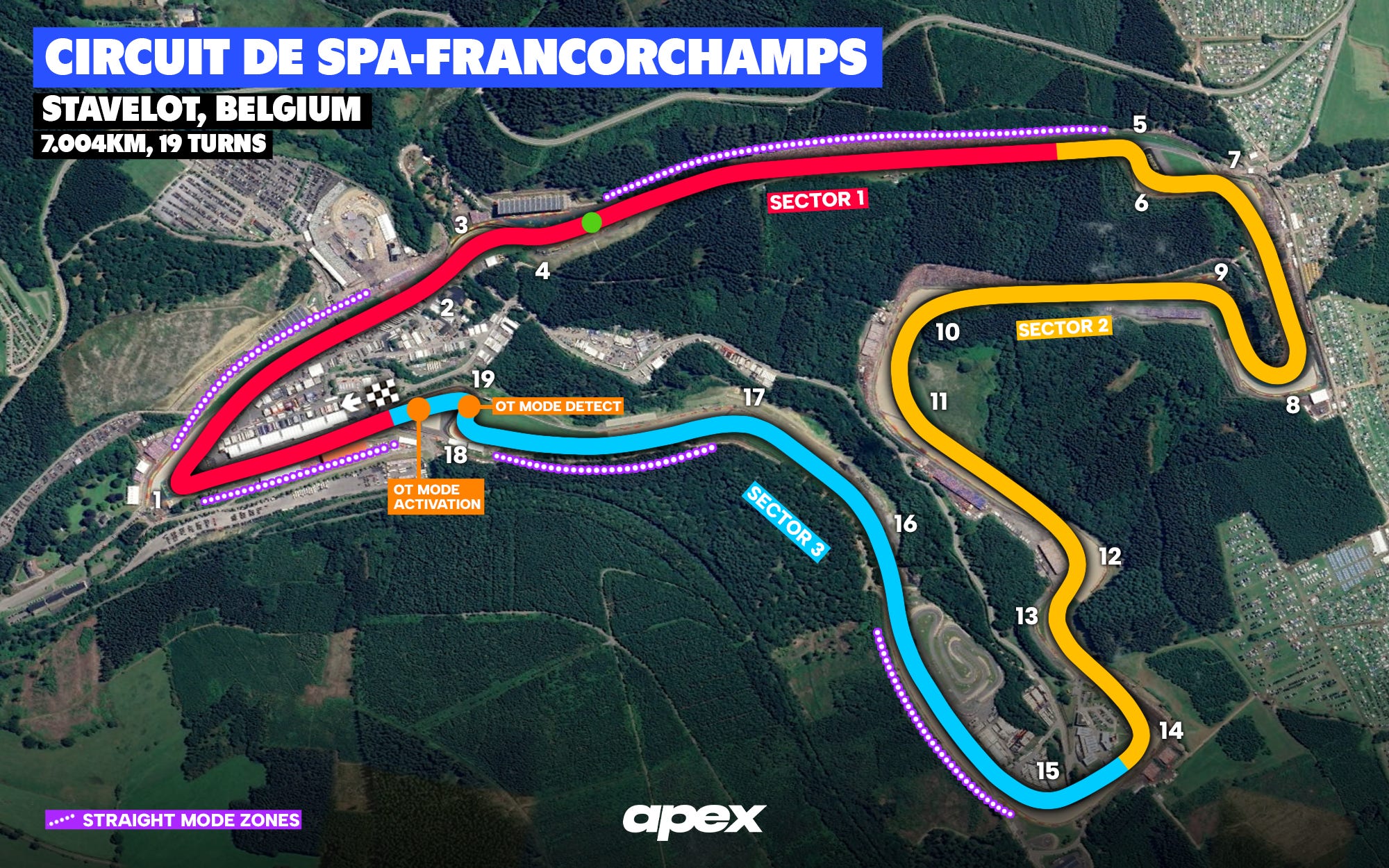
That split profile is anticipated to directly relay over into the energy discharging and recharging over the lap. The drivers are likely to exit turn one with a full battery before depleting it fully by turn 5, Les Combes, at the end of the Kemmel Straight. And that depletion is also likely to come before that point, which could mean the return of some significant tapering off of top speed and superclipping. By the exit of turn 14, at the end of sector two, the battery should be full again before depleting fully over sector three’s flat out running, leaving the drivers to use the Bus Stop chicane to recharge slightly for the final push to the line.
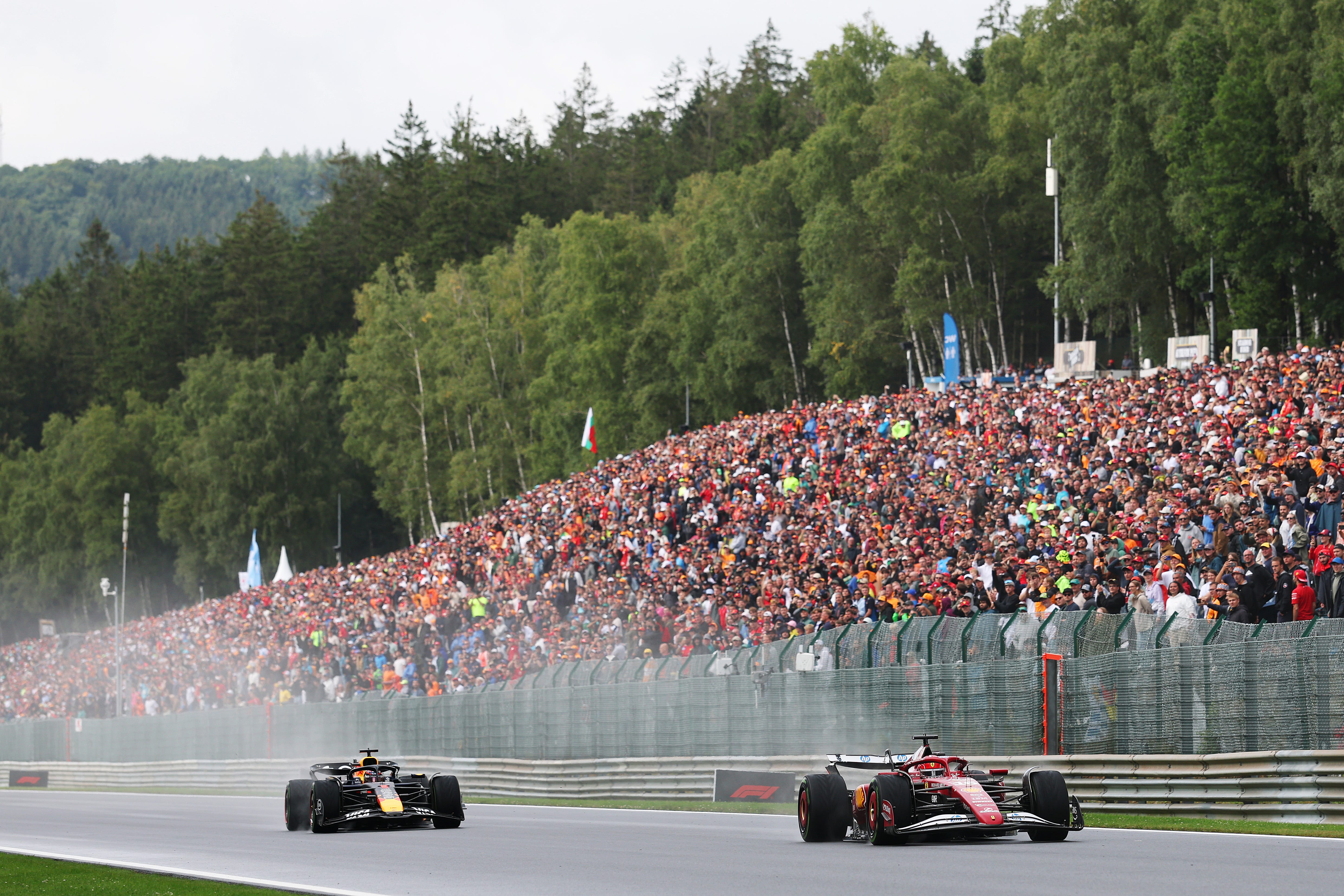
The way the teams optimise their deployment-recharge profiles will have to take how these differing characteristics impact the likelihood of wheel-to-wheel battle in each sector into account too. We usually see a lot of moves coming at the end of the 1km long run down the Kemmel Straight into Les Combes, and that overtake typically sticks throughout sector two as it, historically at least, has been tricky to get a move done to come back through there. What’s going to be interesting to watch this year though is whether the energy tools the drivers have available, namely the boost or overtake, change that typical profile and as a result, alter how they deploy/recharge.

Compromising on setup?
While this year we’re heading into Spa discussing how the sector split is going to impact energy management, those discussions used to be centred around how it affected downforce levels, setup compromises and wing changes as a result.
But the active aerodynamics have changed things in how setup is approached now. No longer do the teams have to work to find a true middle ground at a track like this, where lower drag and especially end-of-straight speed is vital for retaining position down the long straights, but cornering stability and speed is also critical for optimising lap time through sector two.
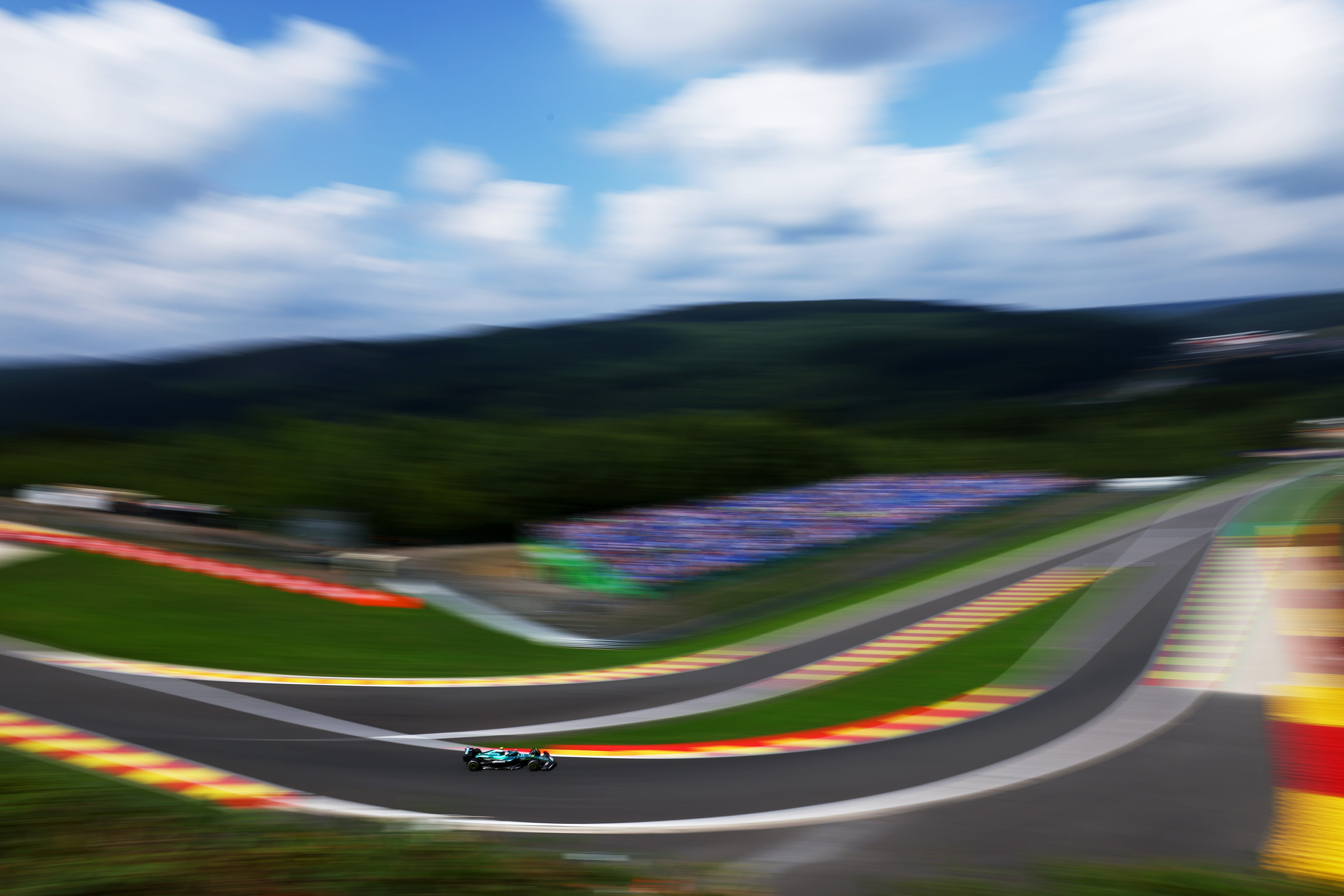
Being able to effectively run two setups at once via the cornering mode and straight mode should mean that balance is much easier for the teams to find, particularly given that we’ll have five straight mode zones this weekend. That will also help preserve top speed and prolong efficiency as the deployment tapers off, given that the zones cover almost every single flat out run around the track.
Eau Rouge and elevation change
With a return to Spa comes a return to one of, if not the most, infamous corner sequences in motorsport - Eau Rouge and the run up to Raidillon - and with that, the challenges it imposes on the teams and drivers.
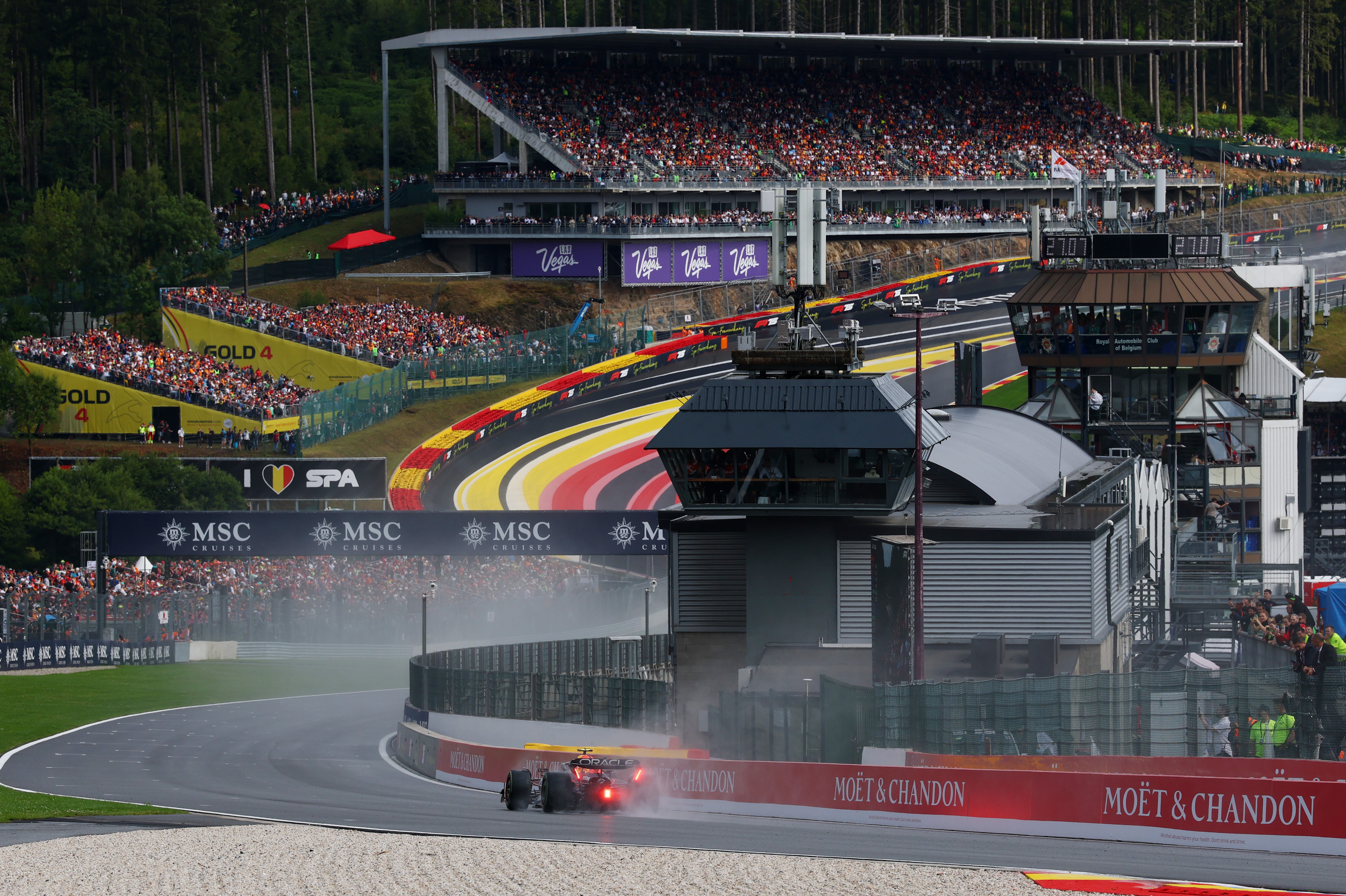
It’s a run downhill prior to the steep uphill one which puts a compression through the cars, tyres and even the driver too. Mercedes estimate that that amounts to around 3G of vertical force as the car is pushed into the ground through the quick, down-to-up change at high speed, which is really the factor that makes the elevation such a critical consideration here.
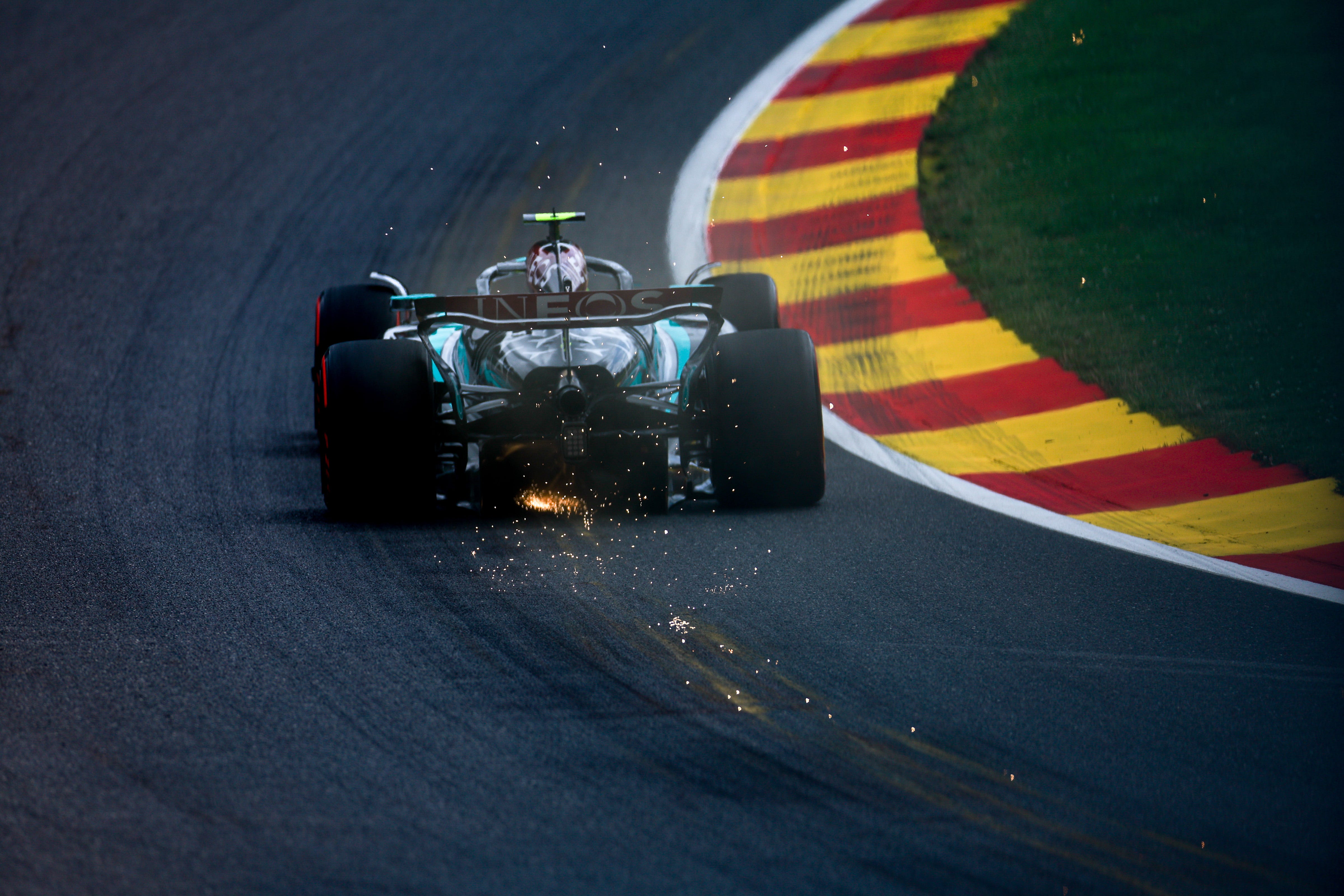
Now the cars are of course built to sustain these forces through their suspension, however it does impact on their front ride height setup and therefore also the likelihood of skid wear, and a potential technical infringement if you get it wrong. It’s why, as the practice sessions tick down, we see brown/black marks up the centre line of the track there - it’s the physical scraping of the plank at the bottom of the car onto the asphalt.
Unpredictable weather
We can’t come to Spa and not discuss the weather, because it’s often the main character here for a few reasons.
At this time of year, the weather in the Ardennes, where the circuit is located, is often quite volatile - it can be dry one minute and torrentially raining the next, and you never quite know what you’re going to get. But the circuit’s size also contributes to that unpredictability, or at least difficulty in addressing the weather through the run plan or tyres, because it can be both raining and sunny at the same time at opposite ends of the track.
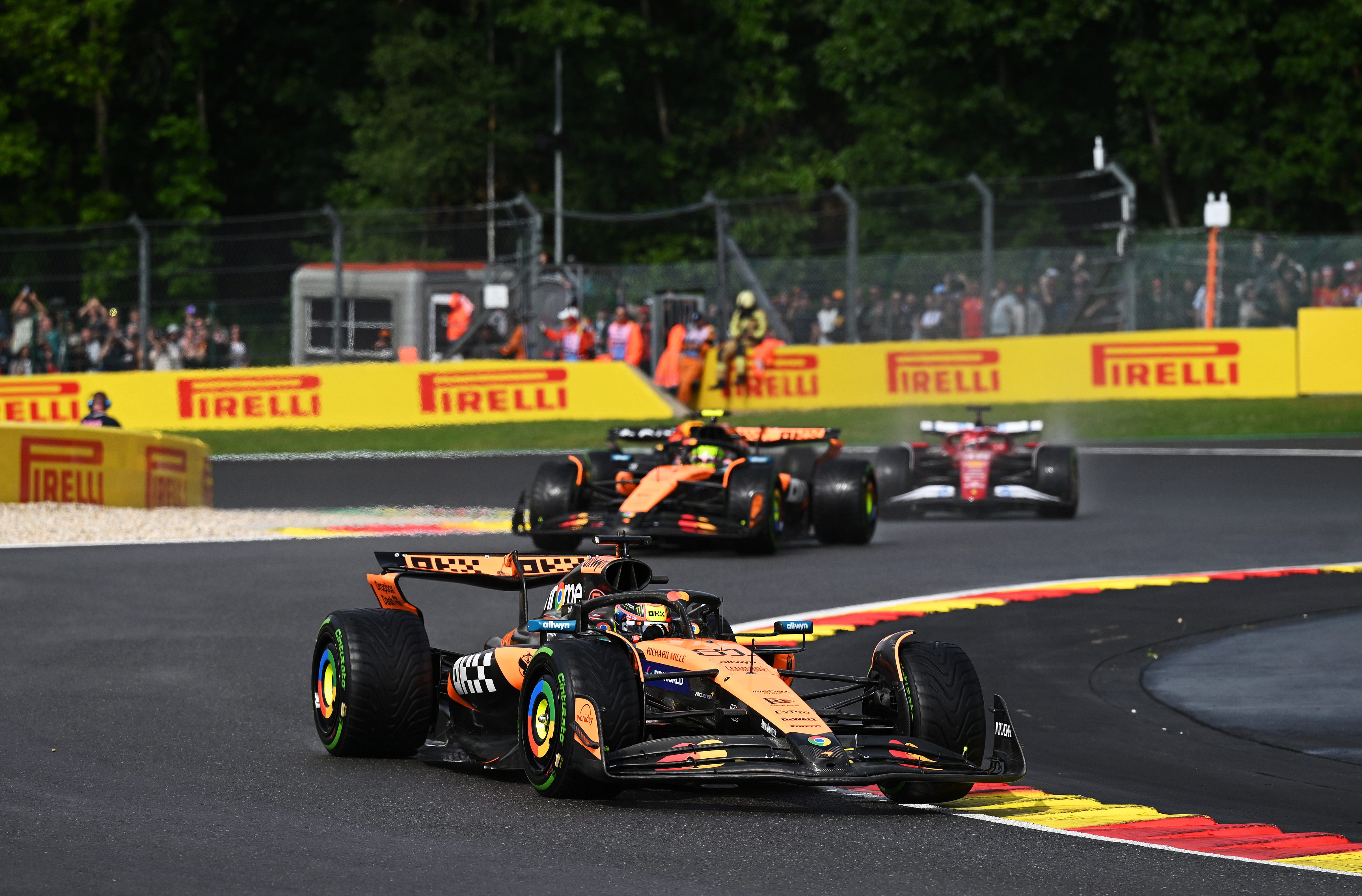
When we do get a fully wet circuit it can take a while to dry out because of the low clouds that often hang and linger over the forest, even if the rain itself has stopped. And, again, that effect can be different at different points of the lap.
Together it all combines to create a real headache for engineers and strategists, especially because if you miss the window to box during the crossover you have an awfully long way to go back around to try again. All the while, your rival may have got the call right and is making up time as you lose it.

Pirelli are bringing a compound range to Spa that sits exactly in the middle of their range - the C2 will be the hard, the C3 the medium and the C4 the soft. Given that last year we had compound skipping here, where the hard was moved to be the C1 while the medium and soft were consistent with this year’s selection, effectively we have a hard tyre that’s a step softer.
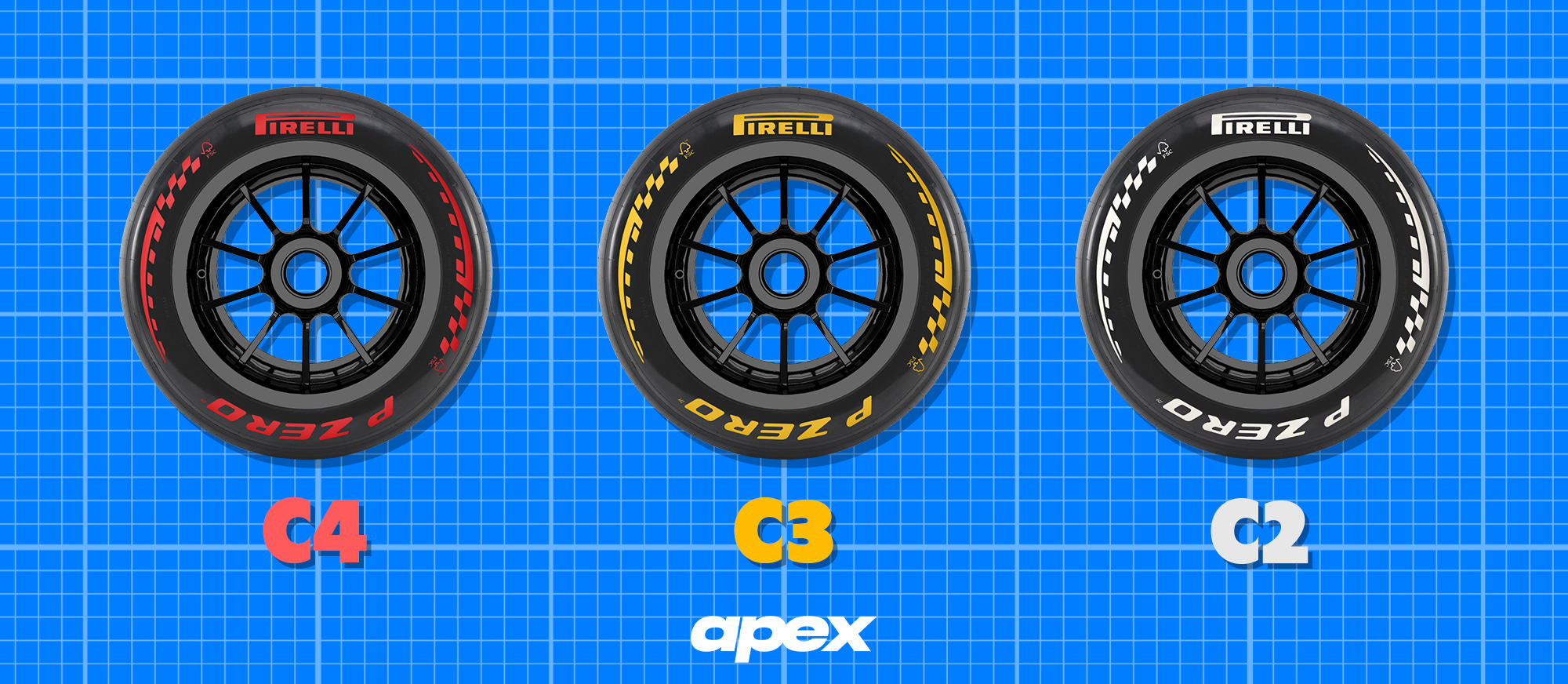
And that’s notable because the compound skipping was a decision made to try and encourage strategic variation and push the teams into considering a two-stop using the softer two compounds effectively by making the hard too much of a step down to consider running it. Although that lack of hard use did play out, as just three drivers fitted it over the Grand Prix, it was more due to the wet-to-dry circumstances, and performance-wise the opposite of Pirelli’s expectations played out.
The C1 was more consistent than the C3 in how it degraded, even if it was slightly slower, and that allowed a driver on it to push more to the end versus the significant management that was being done by any of the drivers who’d fitted the medium as they came off the inter early on.
Spa is a track that’s tough on tyres, not quite to the level of Suzuka or Silverstone, but still to a point where the load and force put through the tyres over a lap is significantly demanding, and that’s likely why the hard performed so well as it came up to temperature and the track rubbered in as it dried. So with it moving to be softer this year, alongside the higher temperatures we’re expecting, the two-stop could become a viable option, as it has been here in the past when this very compound range has been on offer.

Spa has historically been one of the easiest venues of the year for overtaking, and this year we’re probably going to see the frequency of overtaking increase - either with yo-yoing or genuine changes of position. The role battery management now plays in wheel to wheel battling means the teams are having to put less priority on single lap pace at venues like this, with solid energy strategy meaning a driver can recover places over the grand prix versus where they start it.
But race-long strategy here is complicated by the circuit’s size for a few reasons, including in how it interacts with any weather change or interventions. If a driver is over the other side of the track compared to the pit lane when either hit, they have a long way to go to make it into the box which can result in a significant time loss or even, in the case of VSCs, missing the chance to capitalise altogether. Even in green flag racing conditions, missing the optimal stop window can leave you losing time with another 7km to do before you have the chance to come in again.
What’s worked in the past?
Spa is never really a straightforward race, and so last year’s wet to dry one-stop for the majority of the field was something of an anomaly in how simple it was.
To find a true Spa strategic game play out we can therefore look to 2024, where again the C2, C3 and C4 were the selection.
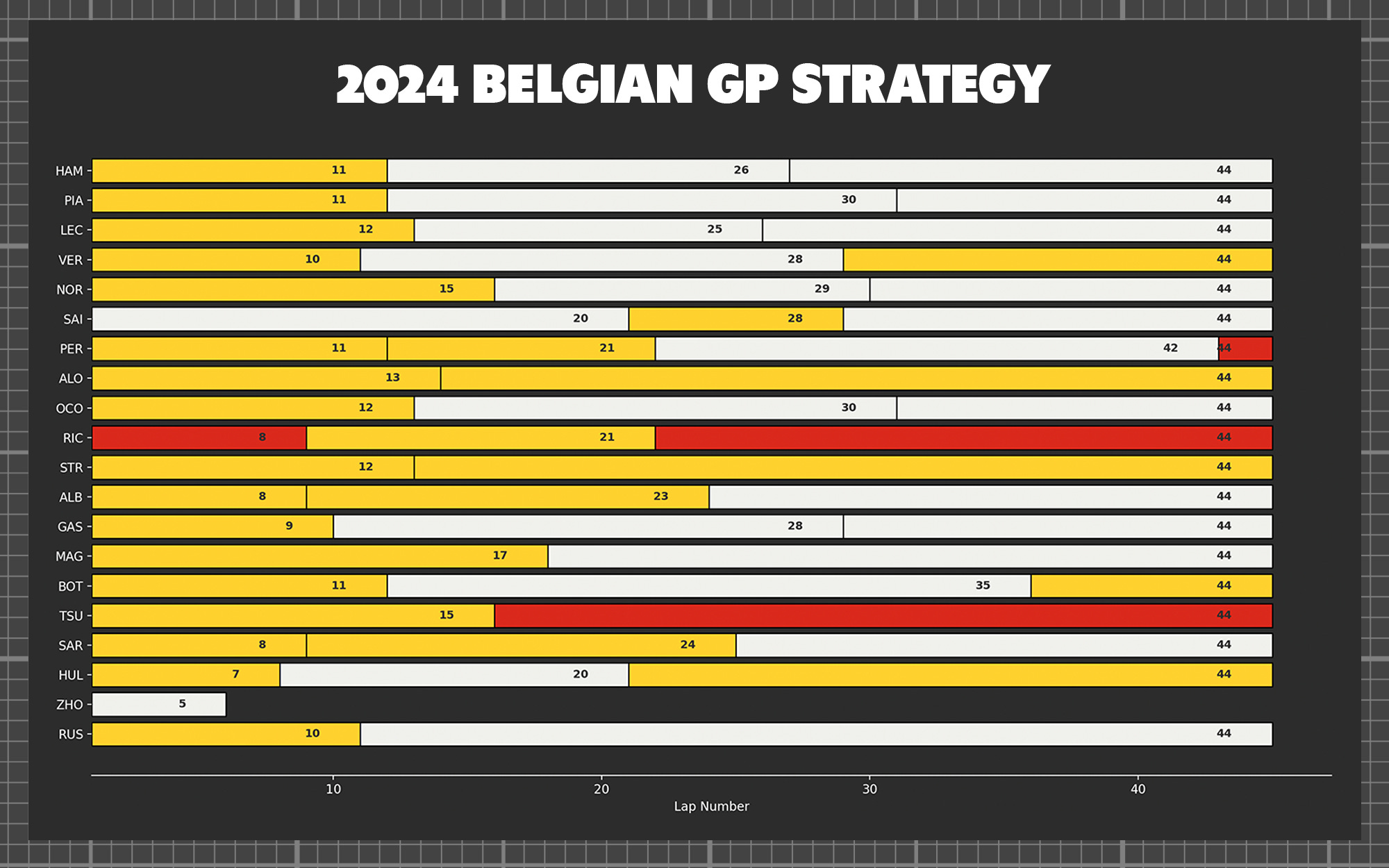
The track had been fully resurfaced prior to the race weekend that year which resulted in a much different tyre behaviour profile to what had been seen just twelve months ago. The balance shifted towards the two-stop as the optimal strategy, but unusually that involved the C2 hard rather than the C4 soft - in direct contrast to how the 2023 Grand Prix played out where a soft-medium-soft strategy was the winning, and podium earning, option.
But right out front the battle between the one- and two-stop option played out between Russell and Hamilton. Russell had boxed on lap 10 to move from the medium to the hard, but as he said post-race, “as we went further, I became more and more convinced we could get to the end on them.”
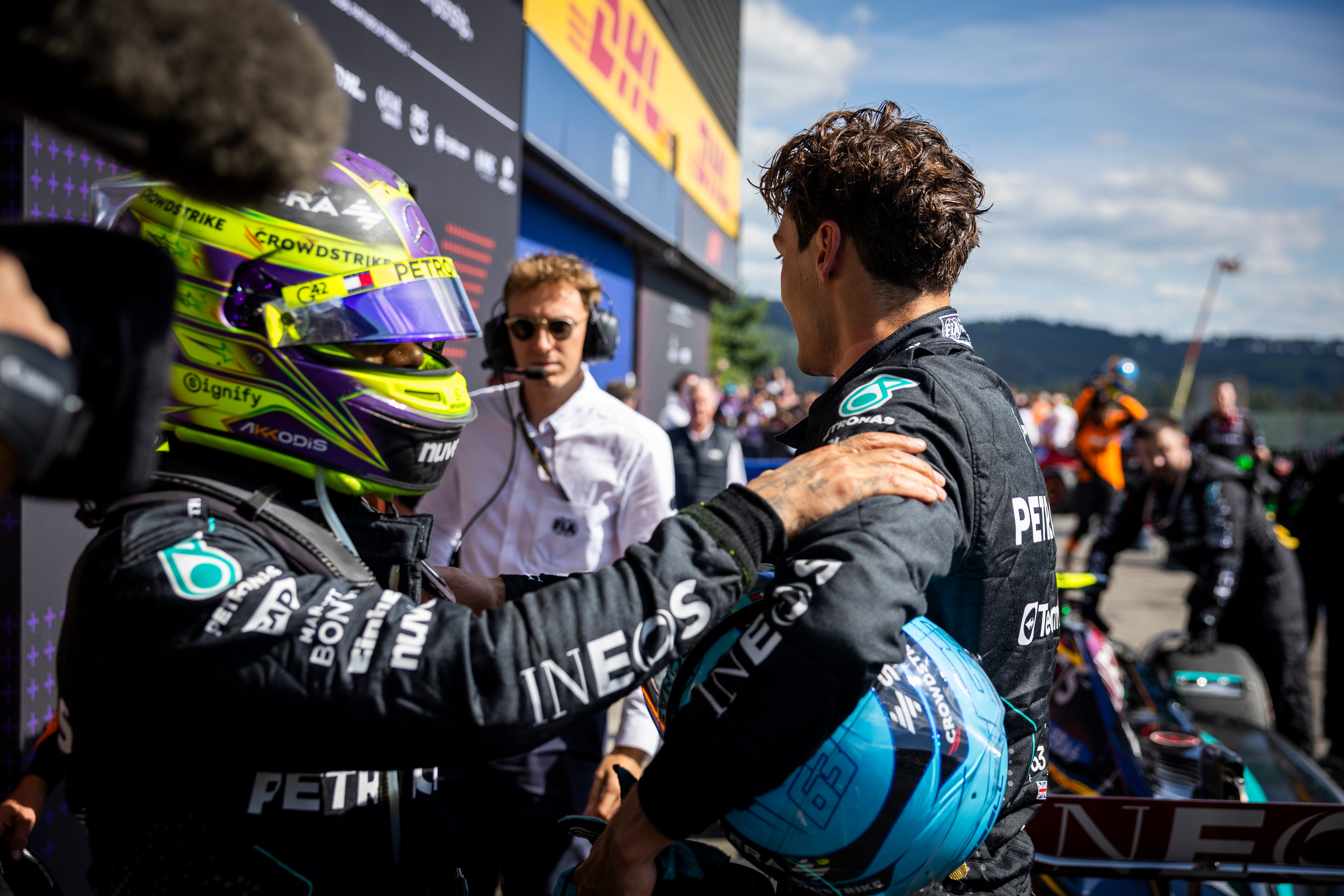
It was a risk and one that looked to have paid off as he was able to hold Hamilton back to the end despite him being on the charge on fresher hards, until the scrutineering results came through. George’s car was under the required minimum weight by 1.5kg, which Mercedes’ Trackside Engineering Director, Andrew Shovlin, put down to, at least in part, the “loss of rubber from the one-stop”. It handed the victory down to Lewis who had been the fastest car on the two-stop strategy.
To that point though Pirelli’s prediction of the one-stop being not fast enough versus the two looked to have been disproved, which they assumed was down to the higher track temperature bringing the hard into a position where it suffered minimal graining. With the lessons from Mercedes and Russell’s situation learned, we may see teams trying to replicate the one-stop’s viability as an alternative strategy if the conditions allow. If that’s their plan, their strategic decision on race day will be whether to start on the medium or soft - and look out for clues from their allocation management as to which way they’re thinking.

This weekend is once again looking like one where the premium will be on straight line speed, specifically maintaining it for as long as possible to the end of a straight, and deployment strategy and how that feeds into it. Cornering in the middle sector will of course play a role in lap time optimisation, but when it comes to racing, we’ve classically seen those who can find efficiency rewarded in how they can pull away down the Kemmel Straight, get a move done to Les Combes, and hold that throughout the middle part of the lap.
With that in mind, it’s hard to see past Mercedes as the obvious favourites. The strength they’ve shown not only in straight line speed but also deployment strategy this year feeds into that, and we’ve seen it time and time again. If they do emerge as the leaders of the field once again, the intra-team driver differences are going to be fascinating to watch especially as George arrives here after having made a significant dent into Kimi’s championship lead at Silverstone, and Kimi arrives needing to bounce back from a run of bad luck.
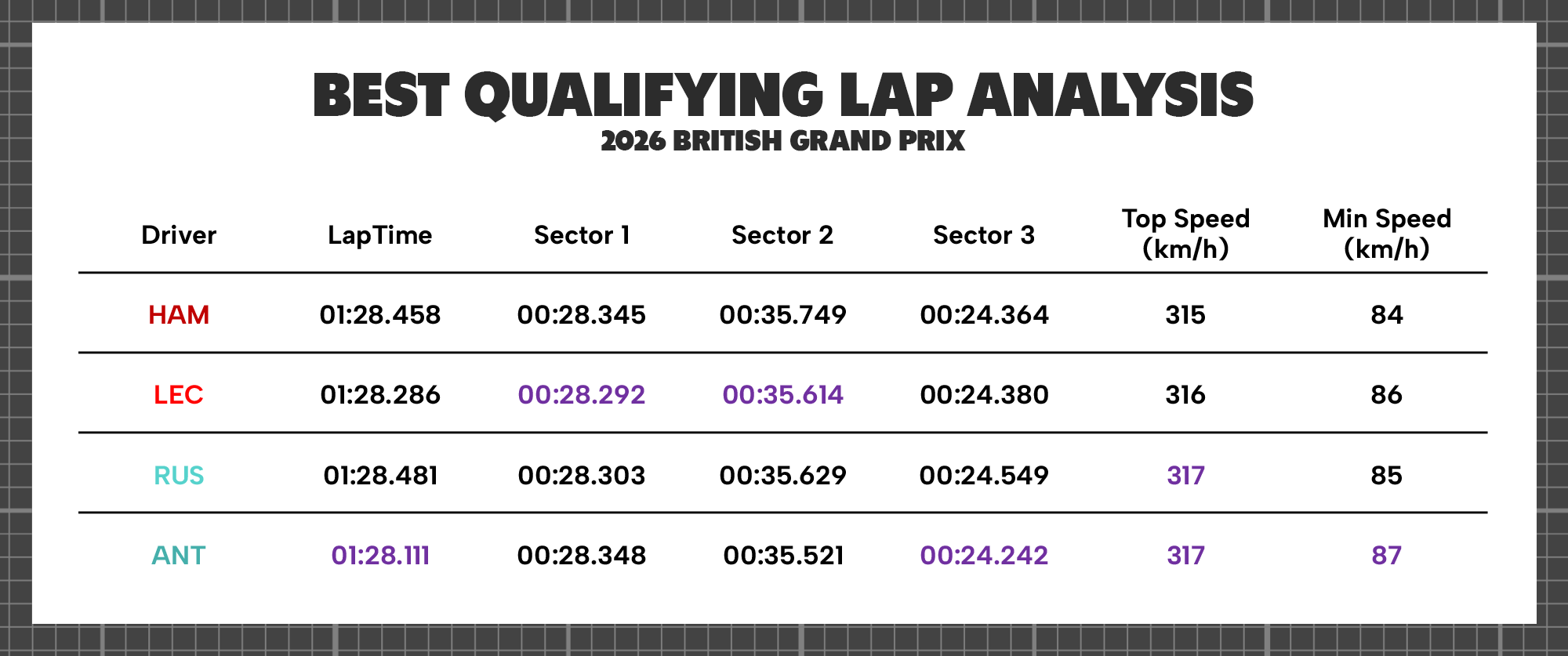
But that said, Silverstone was perhaps a turning point for Ferrari in how closely they are able to challenge Mercedes in those areas. They found significant improvements, much to Hamilton’s surprise, in deployment and top speed in a way that seemingly allowed them to overcome the power deficit they used to have to Mercedes which left the two teams incredibly evenly matched in qualifying.
The drag vs. downforce setup trade off might be less impactful this year than it has been in the past, but there is probably still going to be an advantage for the team who can most efficiently trade off their straight mode and corner mode. That has been a sticking point, not necessarily in terms of performance but reliability, for Red Bull and Verstappen specifically over the last two race weekends. Some form of malfunctioning with his rear wing coming out of straight mode has compromised both his qualifying effort, in Austria, and his race result, in Silverstone, now and that’s going to have to be something the team address here. It’s going to be very interesting to see if that could involve a reversion to a pre-’Macarena’ specification.
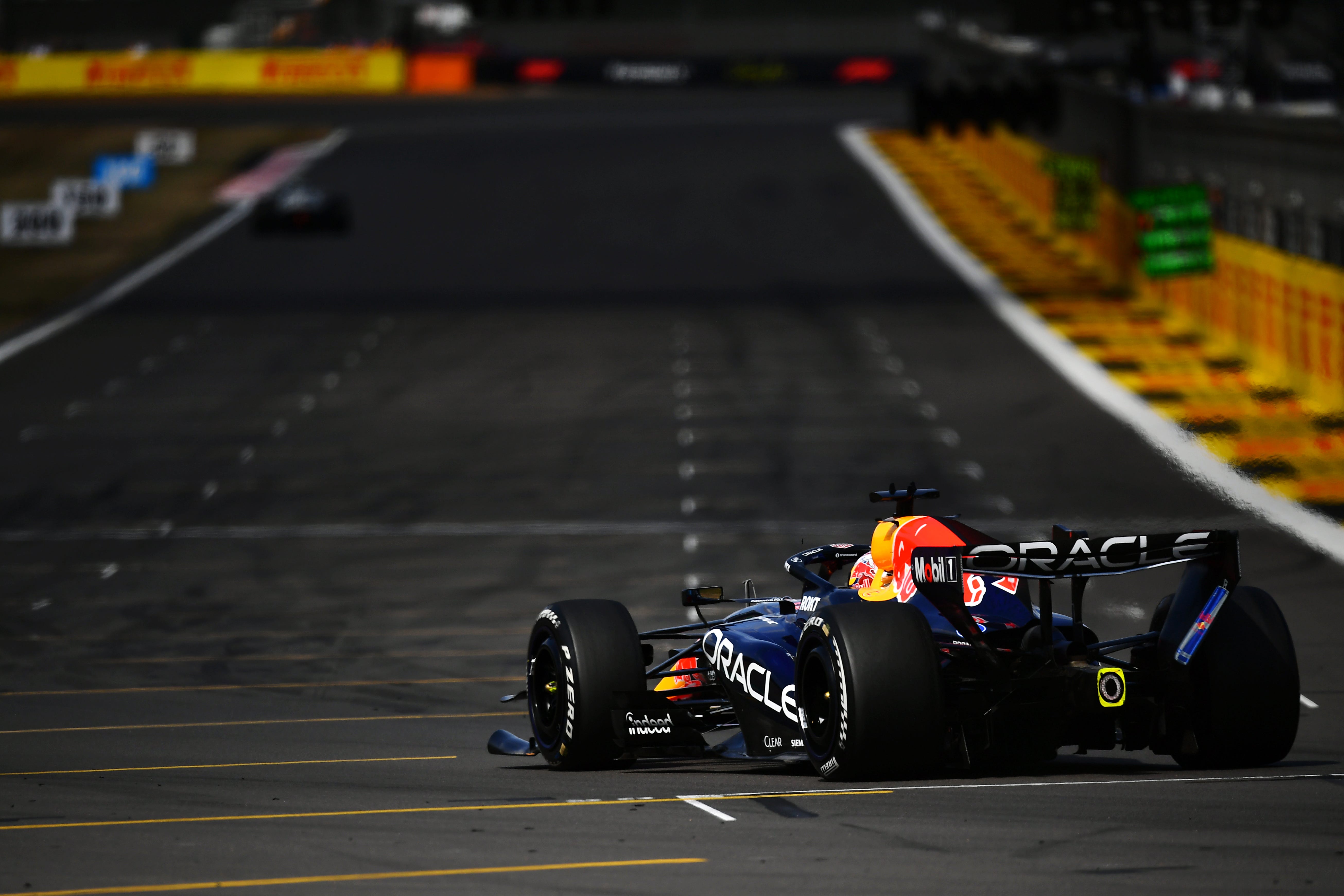
Another point of interest this weekend will be at McLaren. They slipped back at Silverstone, dropping to be over 6 tenths off the pacesetters on race day and therefore comfortably the fourth quickest team. Quite simply they were down on performance, as Andrea Stella admitted, but their run so far this season on the whole has been stifled by some reliability issues.
This weekend they’ll both address them and pay the price for them. Norris will take what has been an option to him for a couple of races now - a reliability update from Mercedes HPP that other customers have already taken. McLaren have held off on it as it means he will incur a 10 place grid drop penalty as a result of the level of unreliability he’s already suffered and how its impacted his power unit allocation usage.
But with overtaking being easier in Spa than Hungary or Zandvoort coming up, they’ve opted to do it here. It will complicate his race on Sunday, but could make for a fascinating comeback drive if McLaren can find enough performance over the midfield cars to help him carve through, but after Silverstone that isn’t necessarily a given.

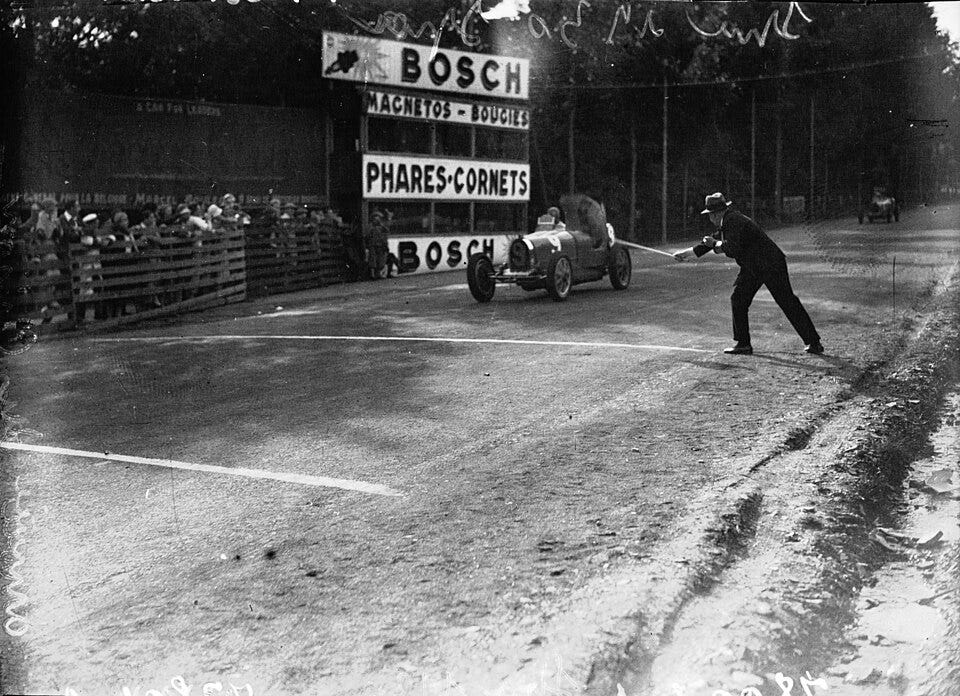
Spa may be the longest circuit on the current F1 calendar, but the 7.004km length is around half of what it used to be when the F1 championship first raced here in 1950. The drivers ran on a 14.120km circuit joining Spa with Malmedy and Stavelot, which made each lap over four and a half minutes long.
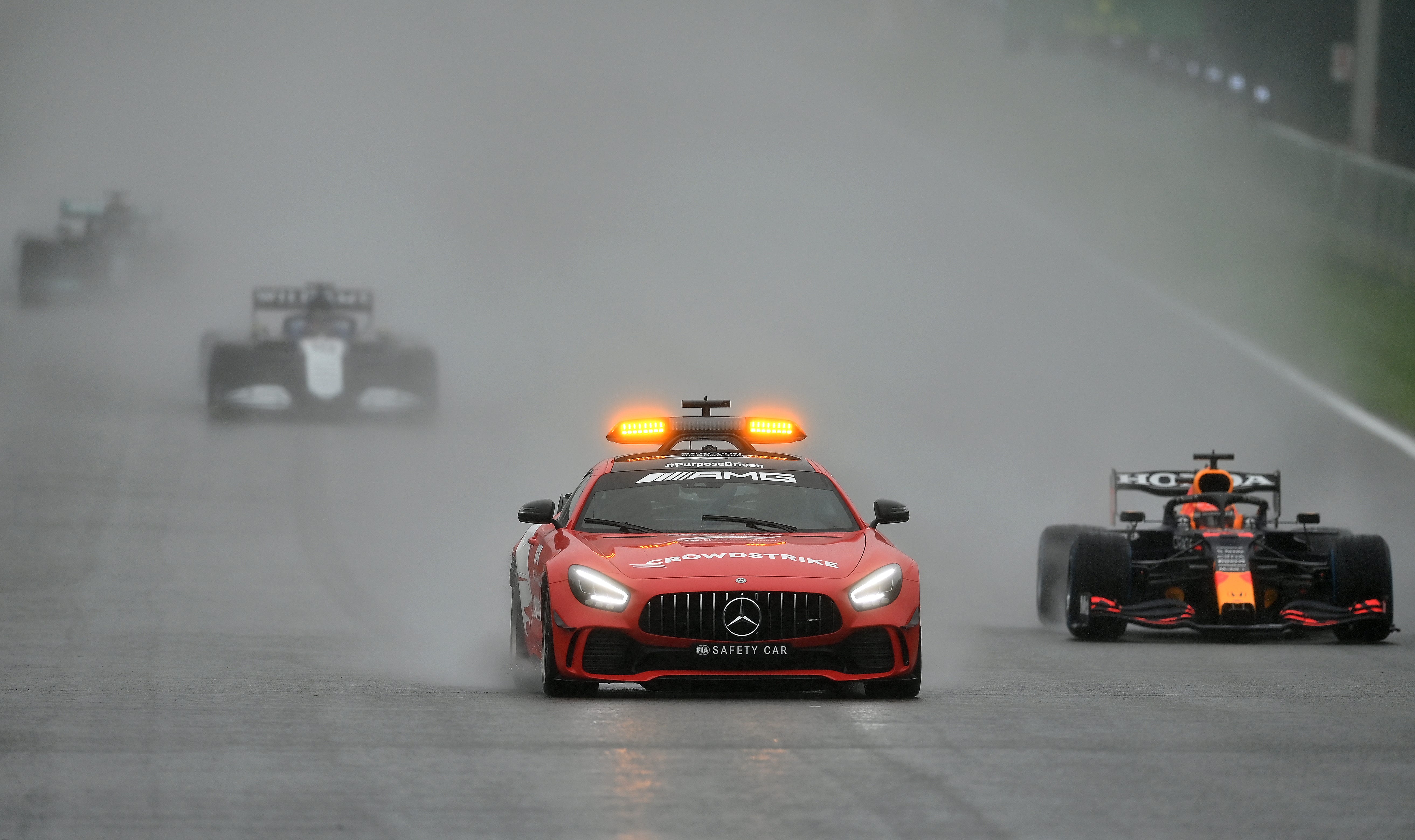
In 2021, the Belgian Grand Prix became the shortest F1 race ever run. It went for just 3 laps behind the safety car as the conditions in the wet were so terrible and the drivers were awarded half points.
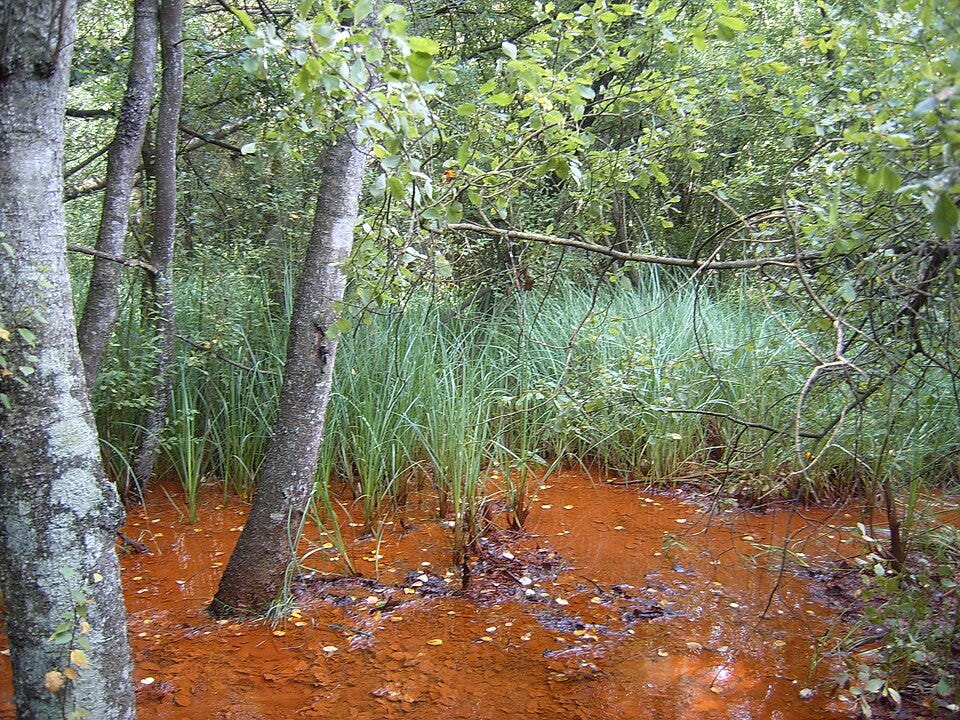
It’s a classic fun fact for a Spa weekend - the circuits most well-known corner, Eau Rouge, gets its name from the ‘red water’ stream that runs under the circuit there, resulting from iron-oxide deposits.