


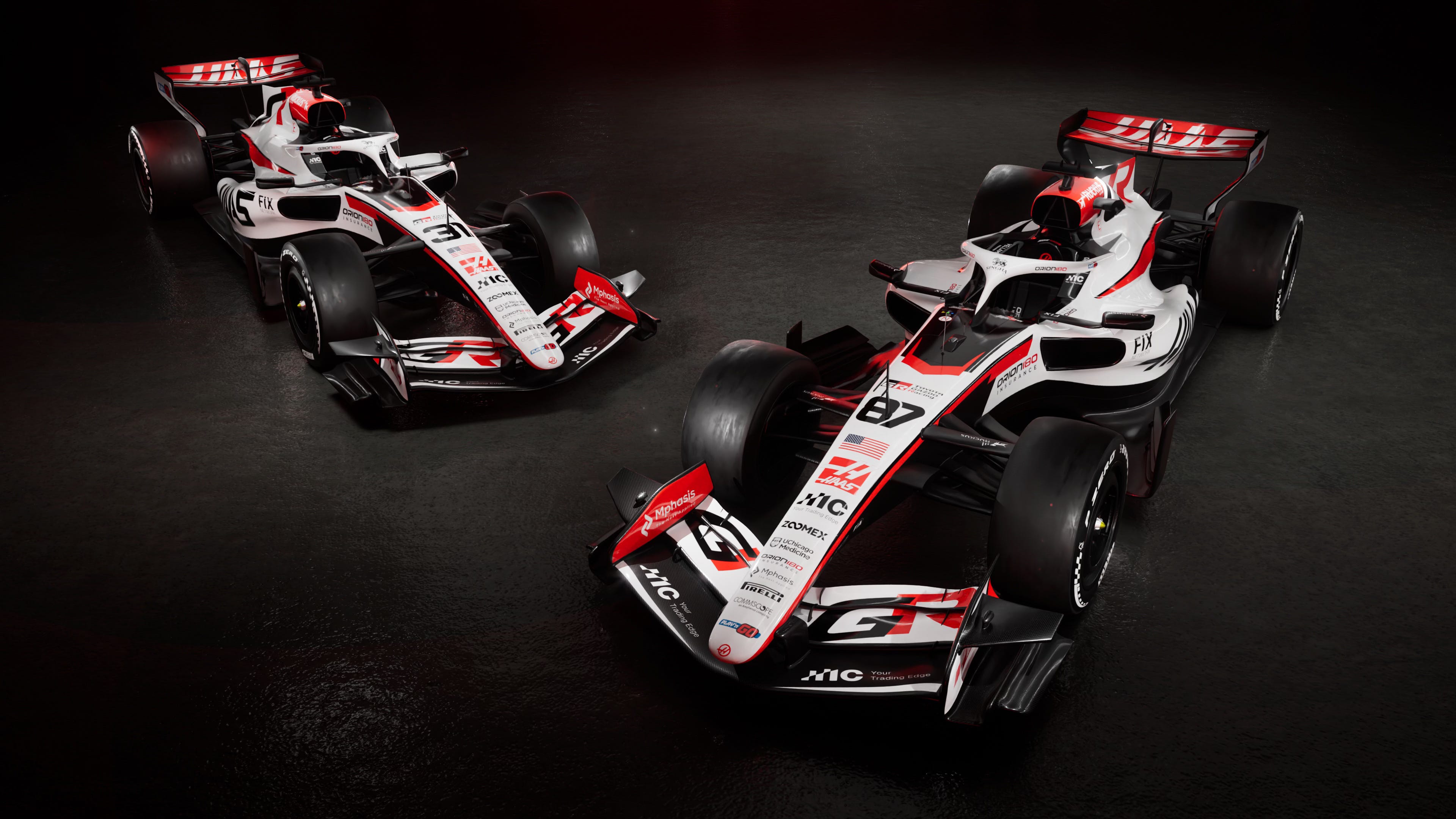
After unveiling the livery design that they’ll challenge that reset in, Haas’ team principal, Ayao Komatsu, and technical director, Andrea De Zordo, gave insight into how they’ve approached this new era, what it means for the team, and what they can realistically aim for…
1. Progress for 2026 started in mid-2024
Building for such a big regulation change while challenging a current season and bringing upgrades to maintain/boost performance was a challenge faced by all of the teams, and for Haas it was one they began balancing in the second-half of 2024.
Initially, that process began with just a small group examining the regulations and looking at the broad concept of the car, and until the launch of their 2025 car, the VF-25, that was the focus. The split of resources between the 2025 and 2026 programmes slowly transitioned and increased as last season progressed, before the ‘full’ switchover came after the summer break.
That may have been the case, but De Zordo explained that with such an intense mid-field battle continuing into even the closing stages of the 2025 season, the team kept a small group working on the VF-25 - something he called a “challenge to manage”.
“It was about deciding the main points of focus for both 2025 and 2026, without losing too much time on what we knew would be a big season.”
The first milestone of that “marathon” process was the team’s test of the dummy chassis and subsequent homologation of the proper chassis, which, had it gone awry, could have introduced significantly more work and length to the timeline.
From there came the homologation of the front wing, which De Zordo called “another big moment” due to the role it, and its active aerodynamic mechanisms, will play in where the lap time comes from this year.
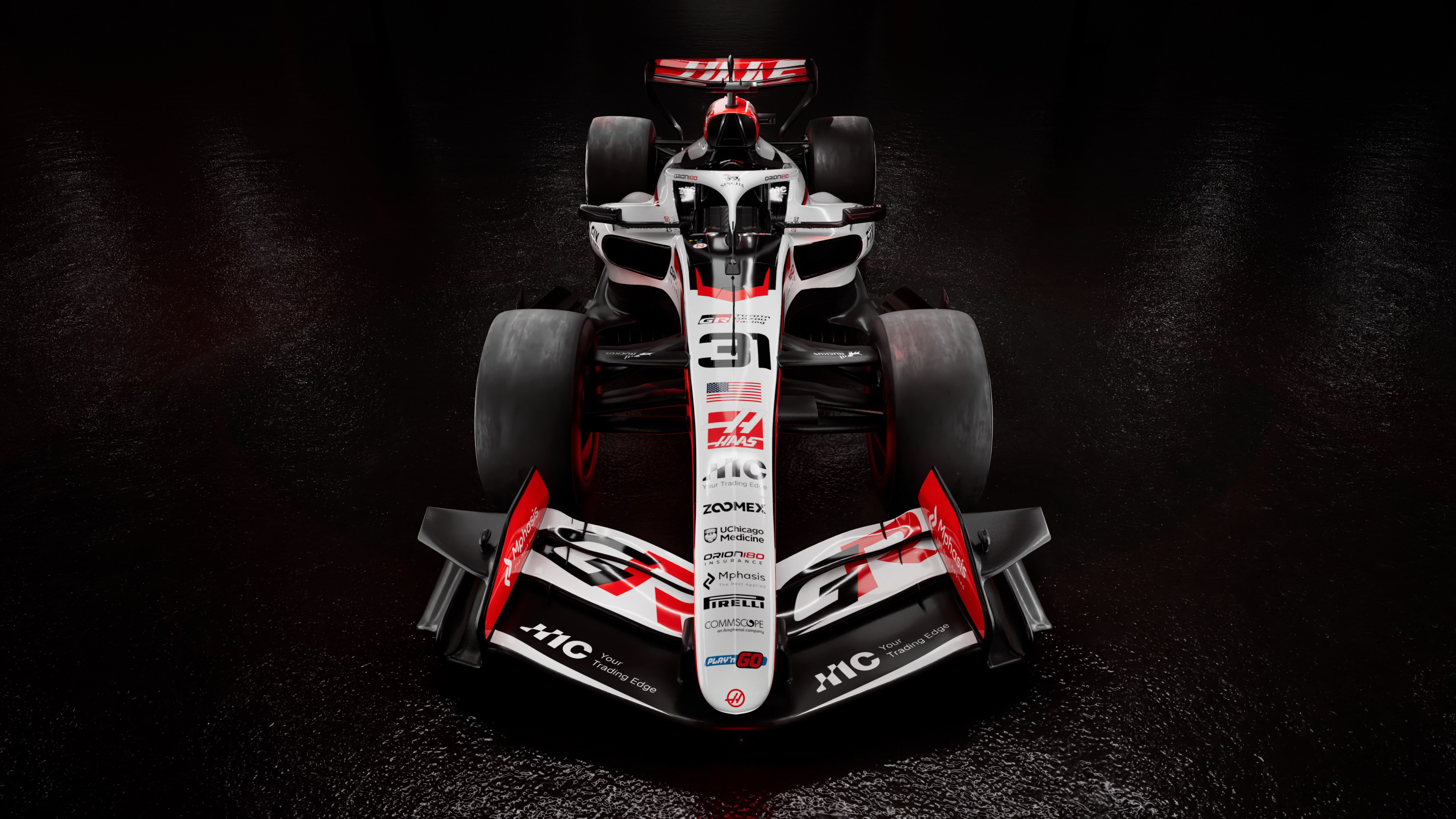
Finally, the marrying of the chassis with the Ferrari power unit and fire-up is the final key milestone of that process that De Zordo identified - the culmination of the work on both sides.
2. This could be the team’s biggest test yet
Since Ayao Komatsu took over the helm of the team at the start of 2024, his main focus has been on advancing communication and how they work together, which for Haas, is of vital importance.
The team has operations split between the UK and Italy, given its technical partnership with Ferrari, and in April 2024 Komatsu spoke to how these two groups were suffering “big communication issues” and weren’t working together efficiently - compromising progress, and performance.
Since then though, the team has undergone what he’s called “aggressive” growth “not just in numbers, but in terms of mentality, mindset, and how we go racing”.
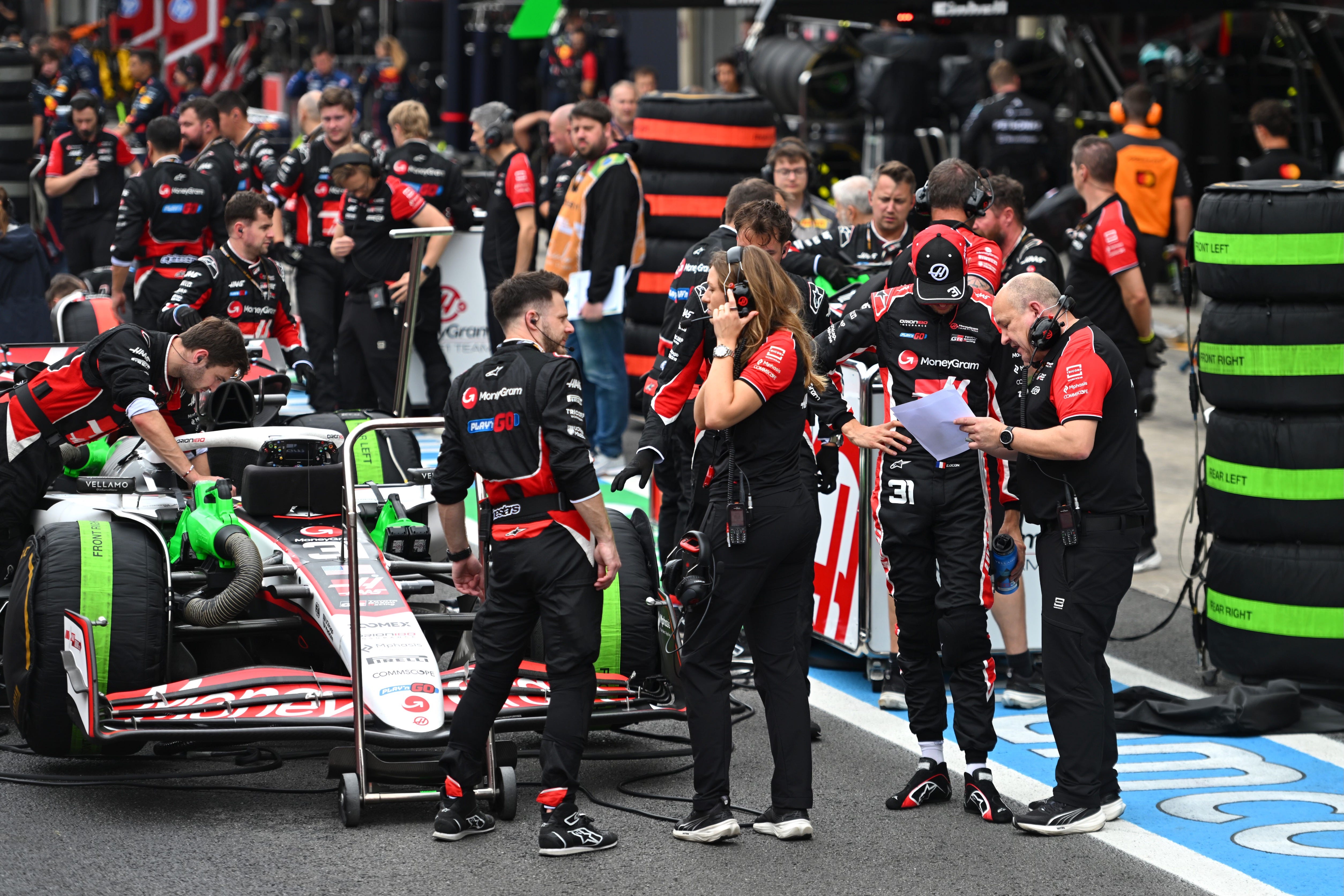
But this regulation change, especially in its early phase where potential pivots or changes may need to be implemented quickly, could be the biggest test yet of that growth. It’s why Komatsu has set a “target for us” rather than sporting targets for the first few races, as their ability to work as a team and communicate to adapt as the initial pecking order is established is pushed.
“These are things we’ve been doing the last couple of years, and that’s going to be tested even more, but I feel like we’re prepared.”
3. Another different car concept, or is it?
What we’ve seen of Haas’ VF-26 so far, namely via their launch renders, suggests that it follows a different concept to both Racing Bulls’ VCARB03 and Red Bull’s RB22.


This difference is most obvious in the sidepod region, where the VF-26 has much taller inlets with even less of an undercut than the VCARB03. It also features a waterslide channel down the upper surface, similarly to one of the concepts converged on under the last regulation set, with a set of cooling louvres set within this not unlike the Aston Martin or Alfa Romeo in 2022.
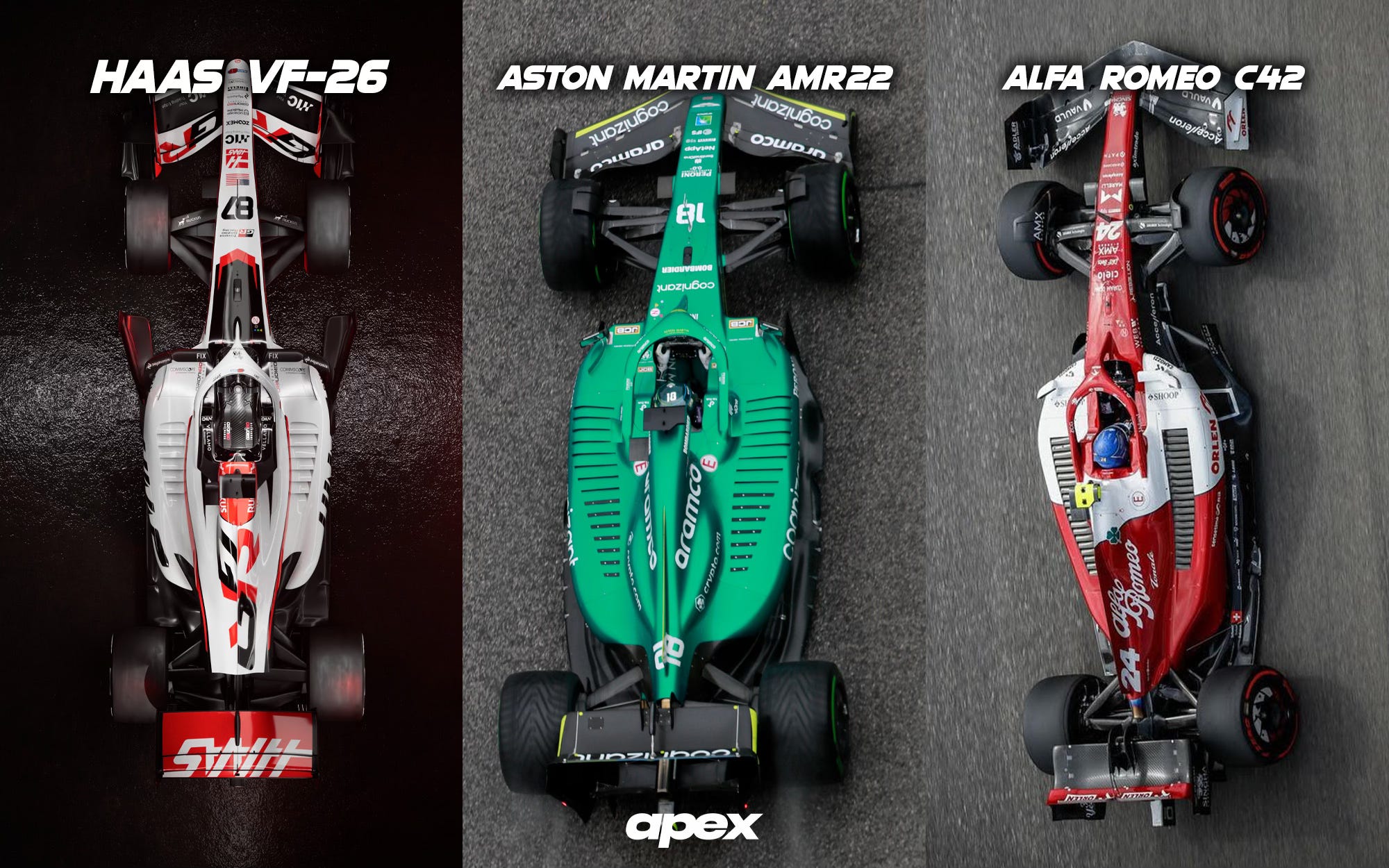
Based on this, and also the front wing (specifically the endplates), at this stage the Haas seems most similar to the Cadillac which was tested out on track at Silverstone last week.
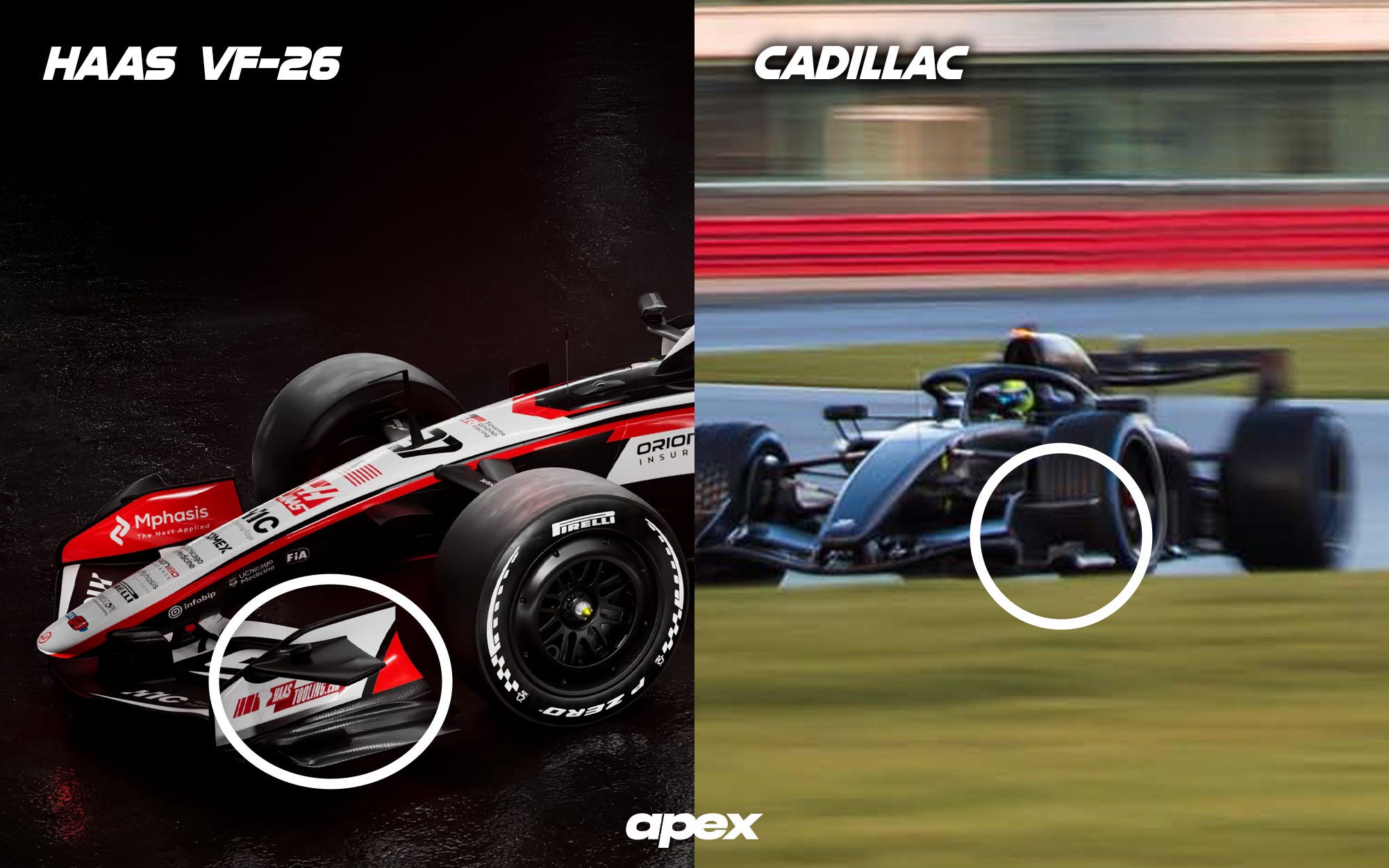
But as has been the case with the Racing Bull, Red Bull, and likely also the Cadillac, the VF-26 shown in these renders is going to change not only heading into the Barcelona shakedown next week, but again into Bahrain pre-season testing, and again into the first race in Australia.
While the power unit hardware is solidified at this point, with a month still to go until the first public pre-season test aerodynamic development is ongoing, according to Ayao Komatsu.
“Between Barcelona shakedown week and the final Bahrain test, you will see very different cars across the grid focused on their aero package, because on the PU side of things, the hardware is pretty much set.”
It leaves opportunity for Haas, and every other team, to get a picture of the early pecking order and perhaps more performant concepts even at this early point of what’s set to be a dynamic season, and then act if they want to change their own direction. What we see at this point is therefore very much open to changing, with De Zordo saying, “we’ll be looking to develop for round one already”.
4. Focusing on the power unit
With the significant changes to the power units under this regulation set, namely the move to a near 50/50 split between the ICE and hybrid system and the removal of the MGU-H, the general belief amongst the teams is that the PU, and energy management, will make the difference to performance at least over the early stages of the year.
Haas are no different, and as a result their main focus as they head out on track in Barcelona next week will be on understanding and getting on top of the role energy management will play - both for the team, and critically the drivers.
Esteban Ocon particularly feels as though “we can forget everything that we’ve learned since go-karts on how to go fast” and as such, finding a new driving style that incorporates these changes (boost mode, overtake mode, etc.) will be critical and potentially the key differentiator over the field.
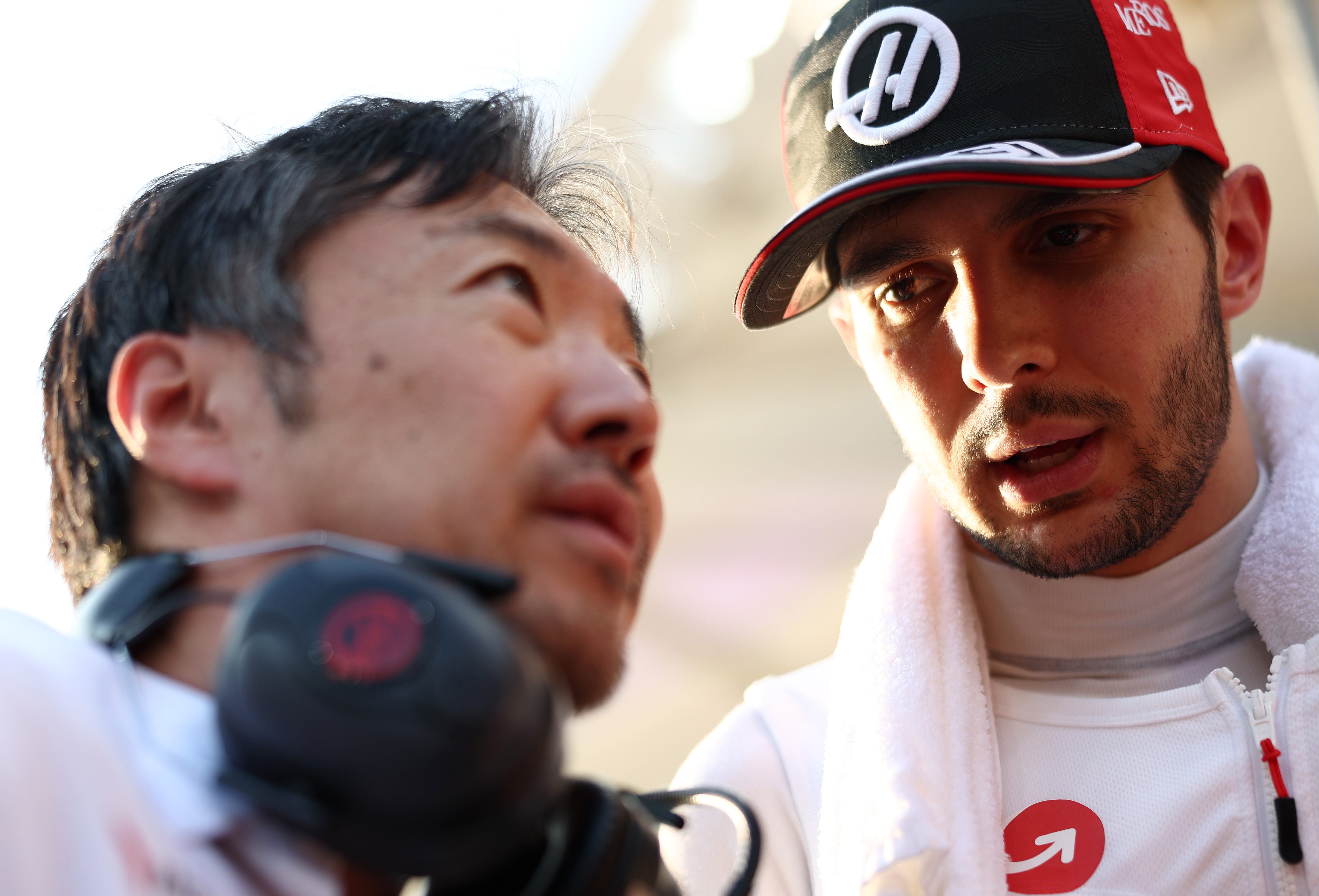
Haas won’t be alone in this being the target over the initial pre-season testing sessions, particularly behind closed doors in Barcelona, because reliability and skilled management of the PU side could leave a lot to gain, but as De Zordo has highlighted, also “a lot more to lose if you don’t do well”.
5. Season predictions
Haas’ season aim can perhaps be summed up in a single line from De Zordo: “we’re not here to participate, we’re here to challenge.”
“We’ve put so much work in because we want to produce the best possible car and to be as competitive as possible…”
The difficulty is in knowing where that work places them competitively, and that unpredictability is why neither De Zordo nor Komatsu were drawn on where they feel Haas would be by the end of the season, or even early on.
What they were willing to predict however, and agreed upon, is how these cars will evolve over the season - with power unit work coming first, and making the early difference, and aerodynamic development evolving quickly and making the difference later, with De Zordo summarising that evolution as the following:
“After a certain time, when drivers, teams and also power unit suppliers learn more about this new way of racing, then gradually the performance on the energy side will converge between competitors. The main differentiator will then go back to being on the aero side, but I think initially, managing that energy side will be critical this year.”
But on the power unit side, things could be relatively fixed according to supplier especially early on given that Mercedes are providing four teams with their power units, Ferrari three (including Haas), Red Bull Powertrains two, and Audi and Honda one each. As the season progresses, the relative struggles or strengths of each of those packages could see splits or convergence in performance arise, opening the door for aero package differences to be where a team finds their edge.
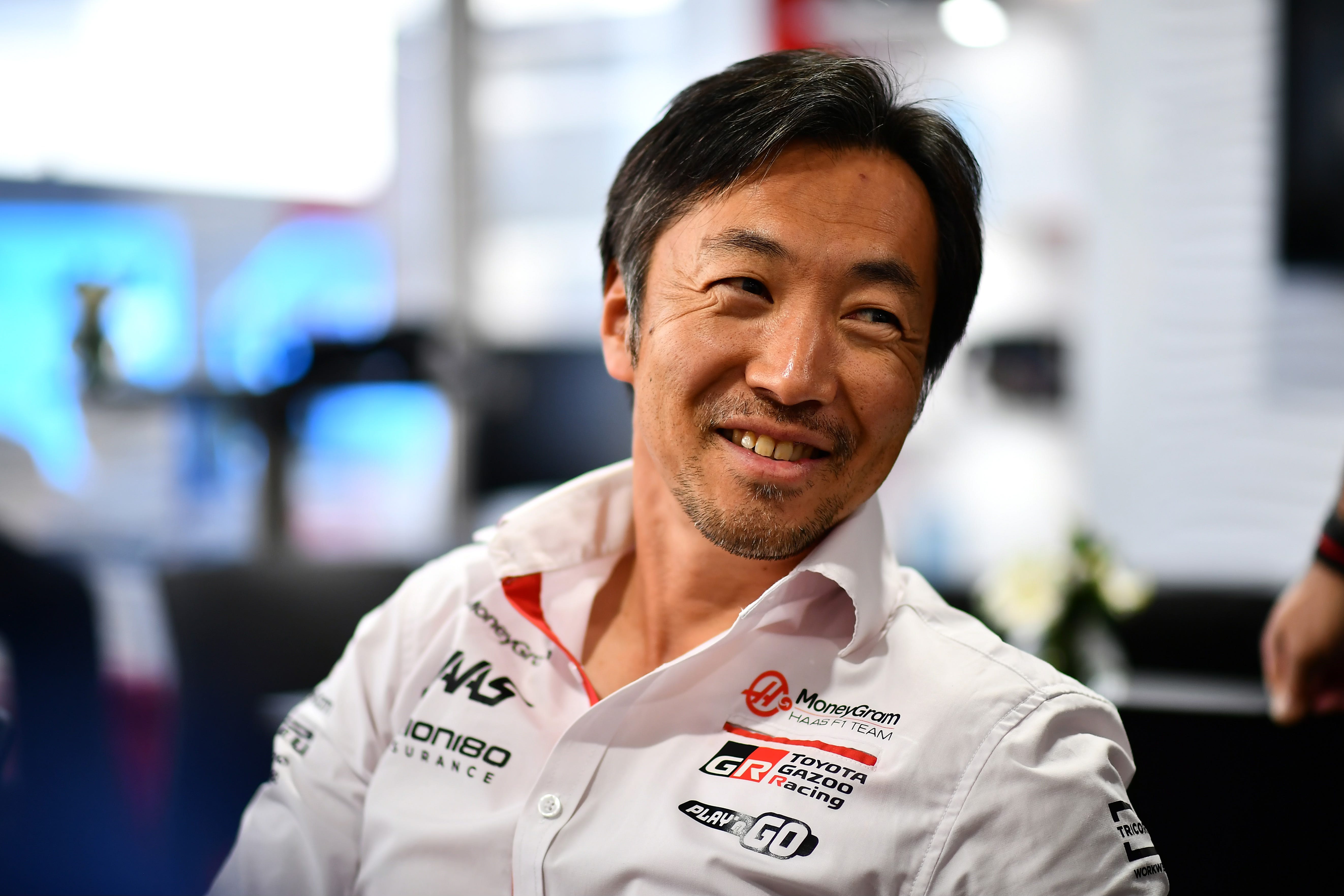
It means we’re set for what Komatsu believes will be a “dynamic season” - “what you see in race one and race two, I expect will be totally different when we come to the final races of the year.”